

USWNT Players Shine in Mixed WSL Start: Chelsea, City, Arsenal, United
Chelsea’s control, same old sting
Chelsea had the ball. They had the territory. They had the chances. They did not have the win.
Aston Villa’s late equalizer turned what should have been a statement opening-day victory into a 1-1 draw and a jolt of déjà vu for the champions. All that dominance, and only a point to show for it.
Alyssa Thompson was right in the middle of it. Handed a start, she repeatedly found gaps in Villa’s back line, popping up in the pockets Chelsea created with their relentless pressure. The movement was sharp, the positions dangerous. The finish never came.
Chelsea will demand that last piece from her this season. With Millie Bright, Guro Reiten and Sam Kerr gone, the attack has been stripped of some of its most reliable weapons. That leaves both opportunity and expectation for Thompson in year two.
She has already shown she can carry a scoring load. Seven league goals in her debut campaign led the team, a breakout return that earned her trust in a stacked squad. Now the context has changed. The supporting cast is different, the hierarchy more fluid, and the margin for waste in front of goal slimmer.
For Thompson, the stakes stretch beyond club football. On the right wing for the USWNT she has been decisive, scoring four times and giving Emma Hayes a direct, fearless option in wide areas. Her spot for upcoming qualifiers looks increasingly secure.
The next step is clear: turn those promising positions at Chelsea into ruthless end product. If she does, she doesn’t just fill a void. She redefines it.
Coffey back in the thick of it
In Manchester, the story was simpler for Sam Coffey: just get back out there.
After a knee injury cut short her previous WSL campaign and kept her out of the USWNT’s June friendlies, the midfielder finally returned in Manchester City’s 3-1 win over Birmingham City. It wasn’t a headline-grabbing outing, but it was exactly what she needed.
Coffey entered in the 73rd minute, replacing Laura Blindkilde Brown, and immediately slipped into the rhythm of a City side that has grown used to dictating games. It was another small but important step in a journey that has already had to pause once.
She arrived from the Portland Thorns midway through last season and steadily carved out a role in City’s midfield as they chased the WSL title. Her reading of the game and ability to connect lines made her a natural fit in a possession-heavy system. The injury stalled that progress. Now, with her fitness returning, she has a chance to pick up where she left off.
Her comeback matters on both sides of the Atlantic. Hayes felt her absence with the USWNT, especially in holding midfield against Brazil, where a trusted shield in front of the back line was missing. Coffey has the profile to be that anchor.
Getting minutes again is only the first checkpoint. If she finds her tempo and sharpness, she can force her way back into the heart of Hayes’ plans for club and country.
Fox quietly locks it down
Emily Fox rarely plays a bad game. Sunday was no exception.
Arsenal’s 1-0 win over Brighton & Hove Albion will not live long in the memory as a classic, but for Fox it was another exercise in consistency. Starting in her usual outside back role, she gave the Gunners exactly what they needed: reliability.
Arsenal set a high line, squeezed the pitch and looked to spring forward the moment they won the ball. That approach demands courage from the back four and absolute clarity in defensive transitions. Fox delivered both.
Since arriving in 2024, she has become a fixture in this Arsenal side, a full-back who can shut down her flank and still offer an outlet going the other way. She picks her moments to surge forward, supports the attack without leaving chaos behind her, and rarely gets drawn into rash decisions.
It was not a flashy opening weekend from Fox. That’s precisely the point. Her value lies in the fact that her baseline performance is so dependable that it almost fades into the background. For a title-chasing club and a national team with ambitions of reclaiming global dominance, that kind of reliability is gold.
Tullis-Joyce’s rough opener, bigger battle
For Phallon Tullis-Joyce, the new WSL season turned complicated almost immediately.
She made a couple of early saves for Manchester United, but in the eighth minute she was caught out of position from a corner, and Alanna Kennedy punished it with a header for London City Lionesses. From there, United never really settled defensively.
The damage deepened late on. In the 82nd minute, slack marking in the box left Daniëlle van de Donk free to improvise a clever finish behind her back, sealing a 2-1 defeat and exposing United’s frailties at both set pieces and open-play organization.
Tullis-Joyce was not alone in those lapses, yet the spotlight inevitably falls on the goalkeeper when the ball ends up in the net. The performance leaves her and United with plenty to address after an opening weekend that swung the wrong way.
The stakes for her are significant. She is firmly in the conversation for the USWNT’s No. 1 shirt, but there are clear areas she must sharpen to win that race. Shot-stopping has long been a strength. Her footwork and distribution, though, remain under scrutiny as Hayes looks for a modern keeper who can start attacks as confidently as she ends them.
A strong, assured season with United could tilt that battle in her favor. If she can match her shot-saving with calm, precise work at her feet, she won’t just be competing for a starting role with the national team. She’ll be setting the standard.
Related News

Seamus Coleman Omitted from Republic of Ireland Squad for Nations League

Wolves' Raul Jimenez Ruled Out for Black Country Derby

Dylan Lawlor Returns to Boost Cardiff City Ahead of Charlton Clash
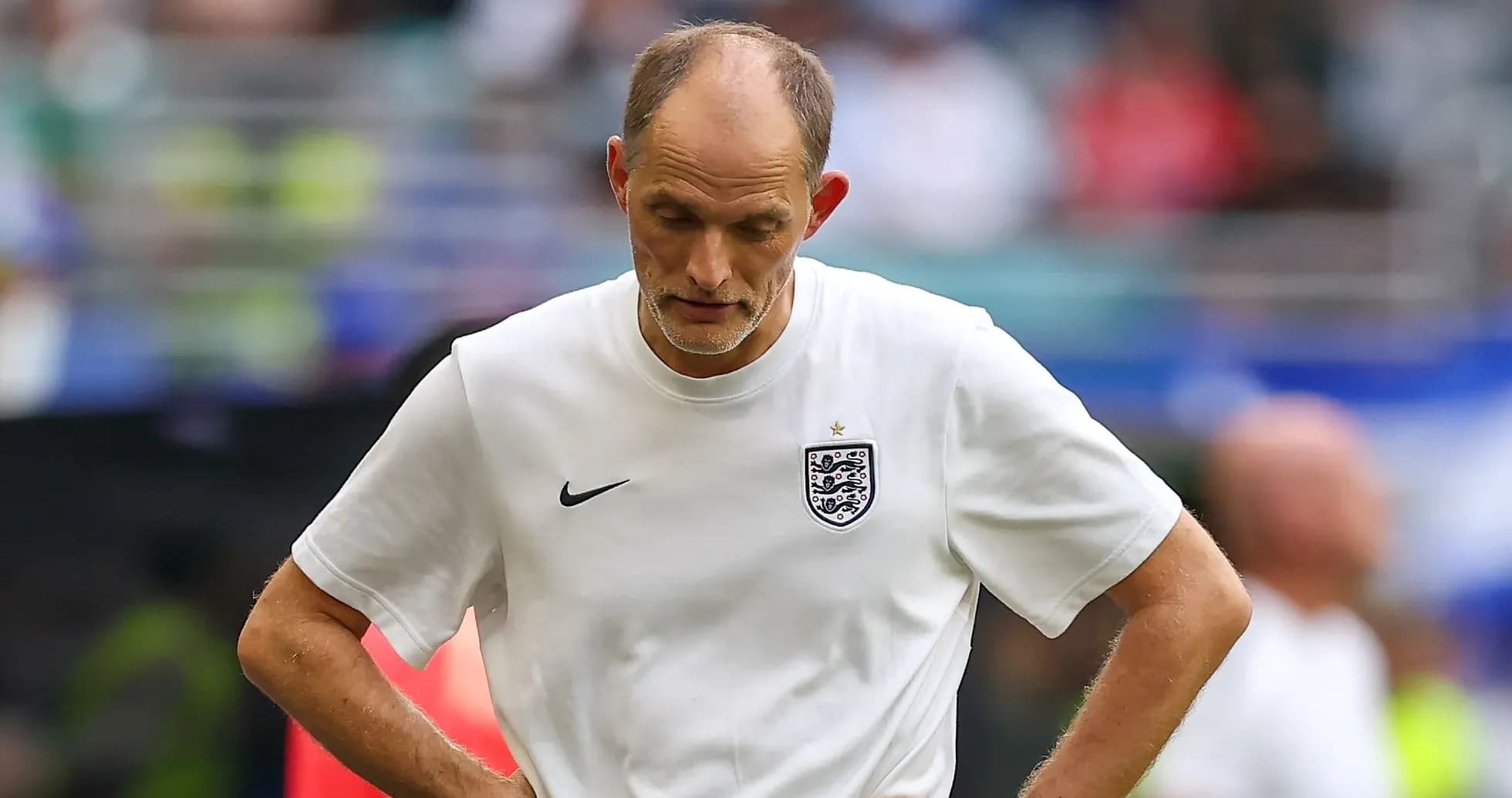
Tuchel Reflects on England's World Cup Collapse

Millwall vs West Ham: A 100th Dockers Derby Showdown

Romeo Lavia: From Injury Struggles to Chelsea's Midfield Star