
Tuchel Reflects on England's World Cup Collapse
Anthony Gordon’s goal was supposed to be the launchpad. Instead, it became the prelude to a collapse that still keeps England’s manager awake at night.
The Three Lions led Argentina, their World Cup dream seemingly on track, before the game flipped and the South Americans ripped through them with a ruthless late comeback. At the time, the England boss pointed the finger at something deep-rooted: a national flaw in keeping the ball under pressure, a supposed weakness in English football’s DNA.
Now he’s looking in the mirror instead.
Tuchel admits tactical mistake
Speaking on the FA’s documentary Reflections: England's World Cup Journey, Thomas Tuchel has rowed back on his original verdict. The problem, he now says, was not just England’s relationship with possession, but his own decision to retreat too early.
Sensing his players were emotionally drained by the occasion and physically shot after a punishing schedule that bounced them across time zones and altitudes, Tuchel pulled the handbrake. He moved his side into a more defensive shape, a call he now accepts gave Argentina the invitation they needed.
"We conceded a chance just before the water break. I thought we will not survive. This is death," he admitted. "I thought: ‘OK, let’s change to a back five, a 5-4-1.’ It was too early for that mindset. It was Congo, Miami and Norway and then Mexico and altitude. We were super tired."
That shift, designed to protect the lead, ended up handing Argentina the initiative. They took it and shattered England’s hopes.
A scar that won’t fade
Time has not dulled the pain for Tuchel. He revealed he still cannot bring himself to sit through the full 90 minutes of that defeat. Only recently, at St George’s Park, did he force himself to watch short clips with his coaching staff.
"Agony of epic proportions. I watched the clips with my coaches just last week when we were at SGP," Tuchel said. "My mind always works forward, forward. Painful. I see it now for the first time from the commentators’ point of view. It’s my scar, the players’ scar, I have to live with it. No-one is hurt more than me. It is torture."
The word “torture” hangs over everything he says about that night. This is not a manager brushing off a bad day at the office. It is a man replaying tiny details and wishing he had chosen a different path.
The moment the mindset cracked
Tuchel insists England’s preparation had been meticulous. The first half, he felt, justified that work.
"You have to have football quality. We prepared so well. I think we did quite well in the first half, it was quite an even match and I felt we were there," he explained.
Then the mood shifted.
"But from the start of the second half, I saw a change. The famous tackle of Djed Spence. And it did something to me, it did something to the players and it was a shift in the mindset. We played like we had four minutes left but there was half an hour left."
That single challenge, in Tuchel’s mind, became a trigger. Anxiety surged through the team. Instead of managing the game with a lead and time on their side, England fell into a desperate, last-stand mentality far too early.
They leaned on intangibles – togetherness, spirit, individual flashes – and assumed it would be enough.
"We relied on our brotherhood, our mentality. Individual quality. Argentina have that as well - brotherhood, mentality, they bring it all to the table and it means the world to them. Argentina played very, very quickly. They had nothing to lose."
With England retreating and Argentina liberated, the outcome felt inevitable.
Pride, pain and what comes next
The story did not end with that defeat. England regrouped, dragged their tired legs and bruised heads into a third-place play-off against France and found a response. They won, and they left with a medal Tuchel still treasures, even if it is not the colour he wanted.
"You learn as a coach. You have to play as if it is 0-0. That includes me as well," he said. "I have a lot of people who want to see my medal. We did not achieve what we wanted. But I am still very proud of what we achieved. These players will come back hungry."
The scar remains. So does the lesson: protect a lead, yes, but not at the cost of your own identity. The next time England stand on a World Cup brink, Tuchel knows exactly which decision will haunt him if he repeats it.
Related News
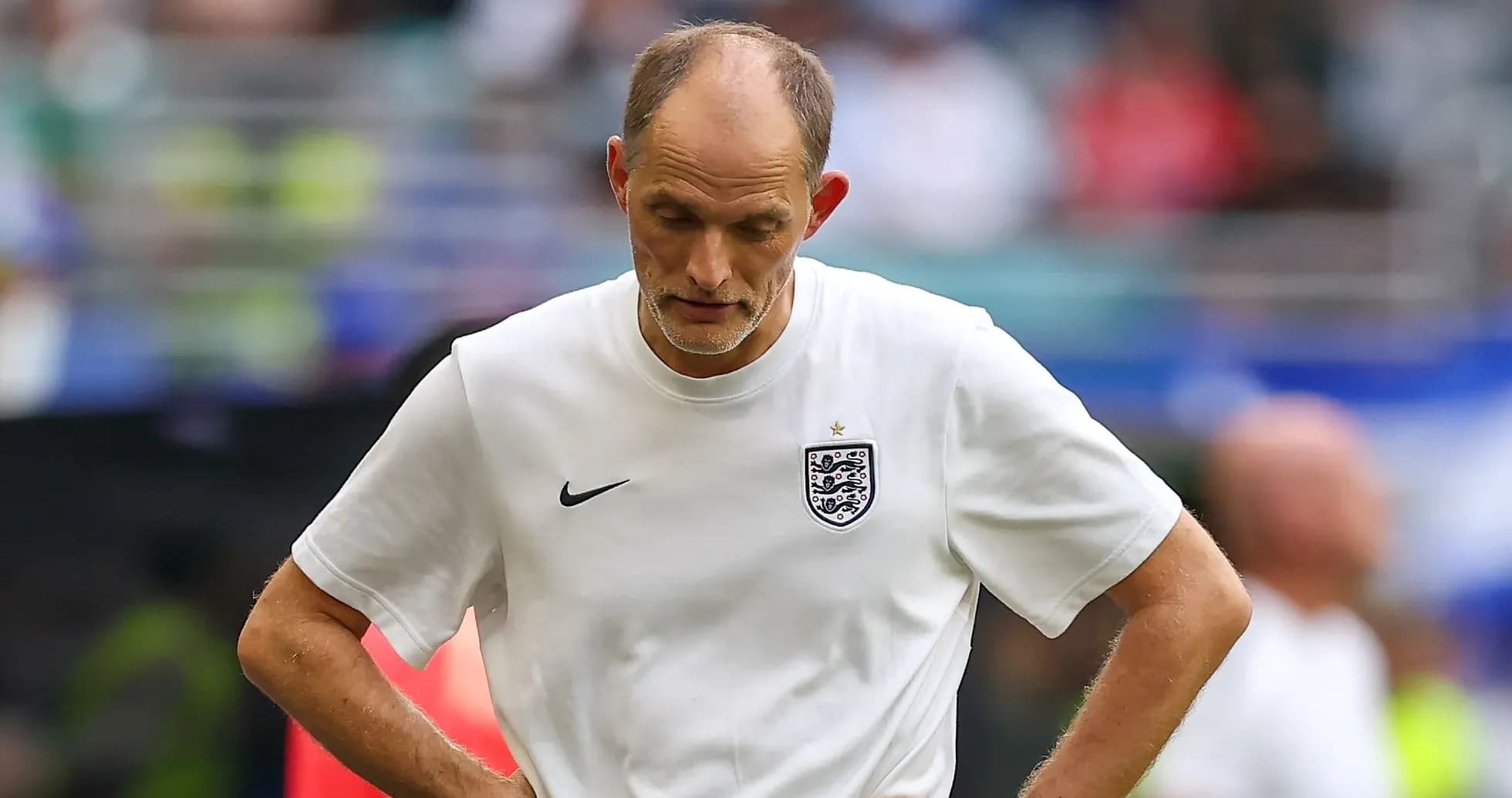
Tuchel Reflects on England's World Cup Collapse

Millwall vs West Ham: A 100th Dockers Derby Showdown
Romeo Lavia: From Injury Struggles to Chelsea's Midfield Star
Klopp Excludes Undav from Germany Squad but Keeps Future Plans
Bournemouth vs Liverpool: A Clash of Styles and Struggles
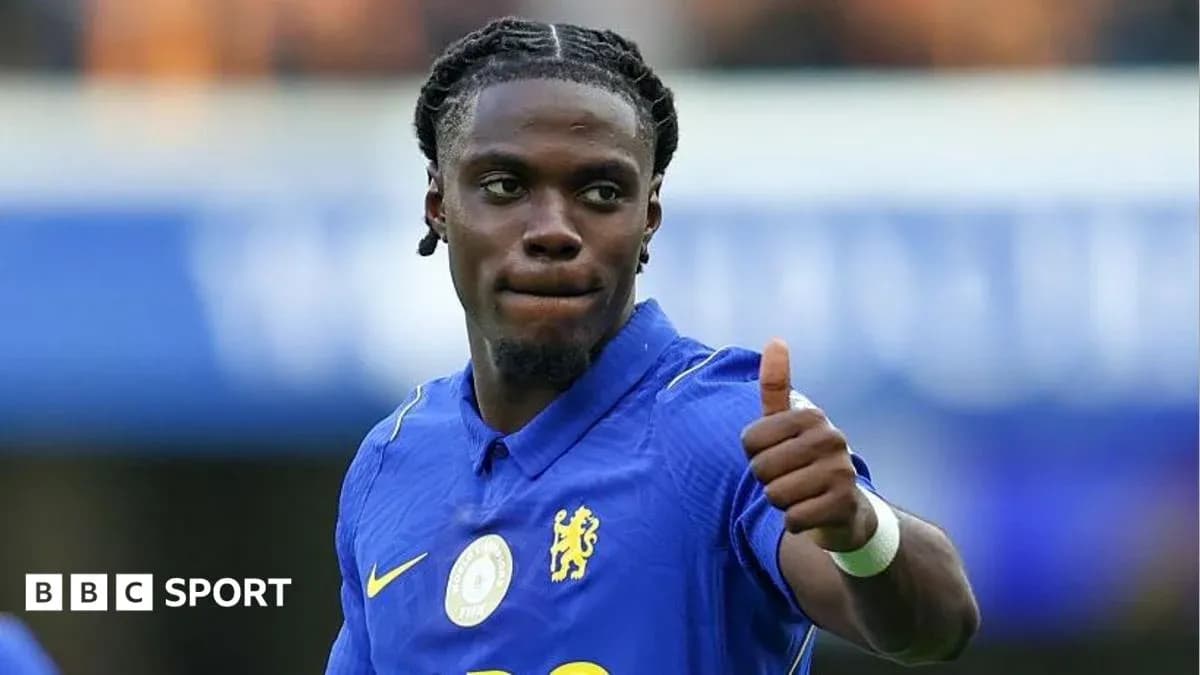
Romeo Lavia: Finding Freedom and Responsibility at Chelsea