
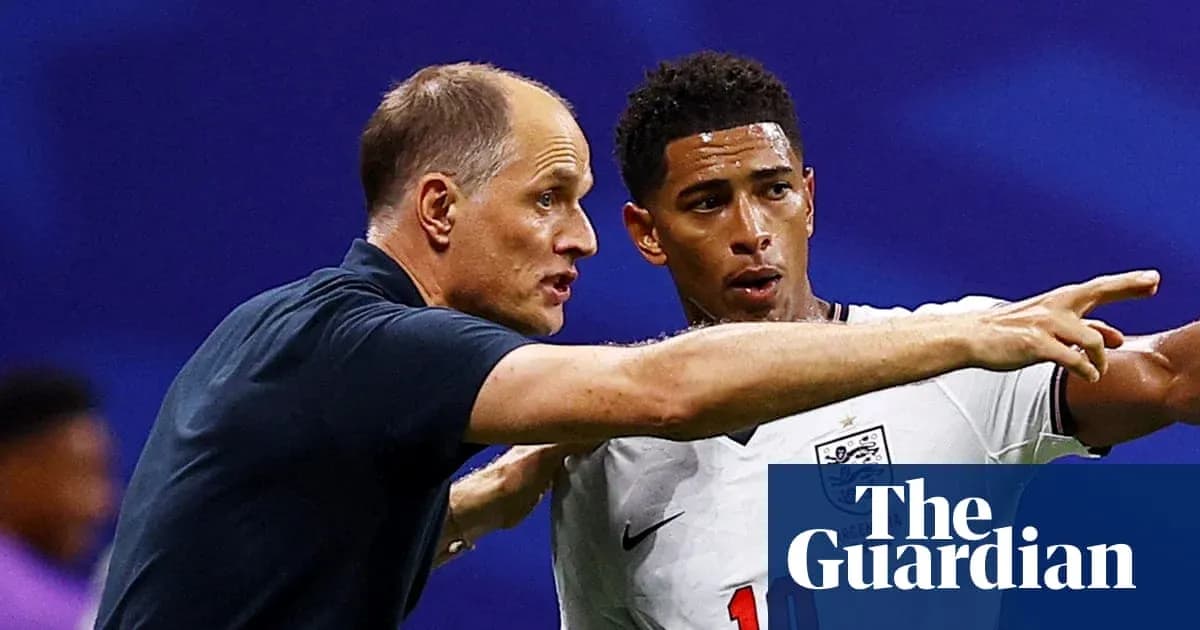
Thomas Tuchel Faces Criticism After World Cup Defeat
Thomas Tuchel has been a familiar face around Premier League grounds again, slipping into VIP areas, catching up with old colleagues. One recent exchange has stuck with those who heard it.
“People are killing me,” the England manager said.
Still.
Two months on from that 2-1 World Cup semi-final defeat by Argentina in the United States, the wound has barely begun to close. The emotions remain raw: heartbreak, anger, disbelief. Anyone who cared about this England team has carried some part of that night around with them. It was the kind of loss that leaves marks you don’t easily shake off.
From there, the conversation around Tuchel splits in two.
One side cannot get past the collapse. A 1-0 lead with five minutes to go in a World Cup semi-final, thrown away. For that group of supporters, the blame sits squarely with Tuchel. His substitutions, his game management, his caution. They see a golden chance squandered and point straight at the dugout.
The other side looks at the bigger picture. They see a manager who dragged England to only their fourth World Cup semi-final in history. They remember the character, the edge, the flashes of daring football. The last-16 win over Mexico at the Azteca Stadium – a backs-to-the-wall epic at altitude with 10 men. The extra-time escape against Norway in Miami in 40C heat. The breathless opening victory over Croatia. The third-place win over France. A best World Cup finish since 1966.
Both readings are true in their own way, and both camps are loud. Tuchel hears the second group. He feels the first. The criticism has bitten deep. He is bruised, and more than that, he is confused. England do not stroll into semi-finals every four years. This was not routine failure. This was rarefied territory.
Yet the tension around him is impossible to ignore as he prepares for the next cycle, one that runs straight into Euro 2028, when England will be co-hosts. On Friday, he names his squad for the opening four Nations League fixtures: Spain at Wembley, Czechia home and away, Croatia away. A sharp restart, no easing back in.
Tuchel wants to look ahead. So do the Football Association. He knows he has to let go of the rage he feels at some of the reaction to the Argentina defeat, however wild he believes it was, however much it has clouded everything else that happened at the tournament.
This is the England job. It has long been called impossible for a reason. The expectations suffocate. Every defeat is a crime scene. The fallout bleeds into the next camp, the next tournament, the next generation. The cycle is vicious and only breaks one way: by winning something. Picking it apart won’t change that. Living with it is part of the contract.
What Tuchel does have is the FA’s absolute backing. The depth of that faith is best illustrated by a game that almost ended his tournament before it ever really began. The last-32 tie against the Democratic Republic of the Congo was, by any measure, one of the most stressful England matches in recent memory. England were 1-0 down with 15 minutes left. Even Tuchel, usually so controlled, wondered if this was it.
Then Harry Kane scored twice and ripped up the script. A comeback that saved England from an Iceland 2016-style humiliation. On that night alone, the captain could make a case for the Ballon d’Or.
Inside the FA, that match had the opposite effect to what many assume. They loved how Tuchel changed it from the bench. They saw the same thing in other games: in-game tweaks, bold switches, a manager who didn’t freeze. They saw the togetherness he has spoken about so often. The brotherhood. Not a marketing line, but a genuine bond. They have put huge weight on that culture. To them, the idea that he should have resigned or been sacked after taking England to a semi-final is absurd.
Tuchel went to the World Cup with one stated mission: add a second star above the crest. He fell short. His death-or-glory rhetoric probably sharpened the pain when it all slipped away, even if he did quietly soften it as the tournament wore on. But what was the alternative? A manager publicly content with a quarter-final? A semi-final? That would have landed even worse.
Privately, the FA never expected England to win it. They were the fourth seeds. The draw was awkward. England were handed the latest possible start, a long gap between their first and second group games, then a condensed run that punished tired legs. The travel, the heat, the altitude – it was always going to be savage. That is part of why the FA look at Euro 2028, effectively a home tournament, with genuine optimism. They pushed hard to host it with Scotland, Wales and the Republic of Ireland for a reason.
First, though, there is a national mood to address. Can England as a football nation move past that Argentina defeat? Can Tuchel’s reasoning for his decisions that night ever be accepted? It feels like the starting line for this new campaign.
The core of the criticism is simple: Tuchel could not turn the tide in the second half once Argentina went into full fury mode. That is on him. England were spent, physically emptied by the Mexico and Norway epics, but managers are judged on their ability to find one more gear when none seems left.
Long before the second-half hydration break, England were sinking. The back line dropped. The midfield retreated. Attacks became clearances. Then came the change that will follow Tuchel for years: Ezri Konsa on for Anthony Gordon, a switch to a back five. England were already in survival mode. After that, they were almost entirely without the ball.
Tuchel could not reverse the flow. He could not drag his team up the pitch. Again, that is his burden. The decision to reinforce the defence, to double down, was cold and calculated. He weighed the evidence, played the percentages and chose what he believed was the least bad option. It failed. When it failed, it looked terrible. The optics were brutal: a manager retreating, then paying the price.
Would a more positive change have altered the ending? Nobody can say with certainty. What is clear is that by the final whistle, England had been well beaten.
Now comes the reset.
England are back in Nations League Group A, where the margins are thin and the opponents unforgiving. Spain at Wembley next Saturday will test everything: the mood, the players, the manager. The last Nations League campaign, in Group B against Ireland, Finland and Greece, did more damage than the FA anticipated. The games were flatter, the jeopardy lower. Even then, Greece came to Wembley and won 2-1. World Cup qualification was not exactly a gauntlet either. The hope is that this time, the grind of elite opposition will harden England for the Euros.
Tuchel’s squad announcement is laced with dilemmas. He is likely to be without four World Cup players through injury: John Stones, Dan Burn, Djed Spence and Jordan Henderson. That opens doors. Tino Livramento, Levi Colwill, Jarrad Branthwaite and Lewis Hall are all pushing hard for defensive recalls.
In midfield, the Kobbie Mainoo question looms. Does he keep his place after a World Cup that never really caught fire for him? His form for Manchester United has been one of the few bright spots in their poor start. Alex Scott and Myles Lewis-Skelly are also hoping to be back in the frame.
Higher up the pitch, Cole Palmer and Phil Foden are in contention for the No 10 roles. Eberechi Eze and Noni Madueke, by contrast, have not restarted well at Arsenal. Around the forward line there is noise and energy: Josh King and Ryo Ngumoha are building momentum, as are Dominic Calvert-Lewin and Liam Delap.
Every name Tuchel reads out on Friday will be pored over. Every omission will be a talking point. But it will be his voice, his tone, that tells the real story. Last time, when the pressure closed in, he went on the defensive. That did not end well.
Related News
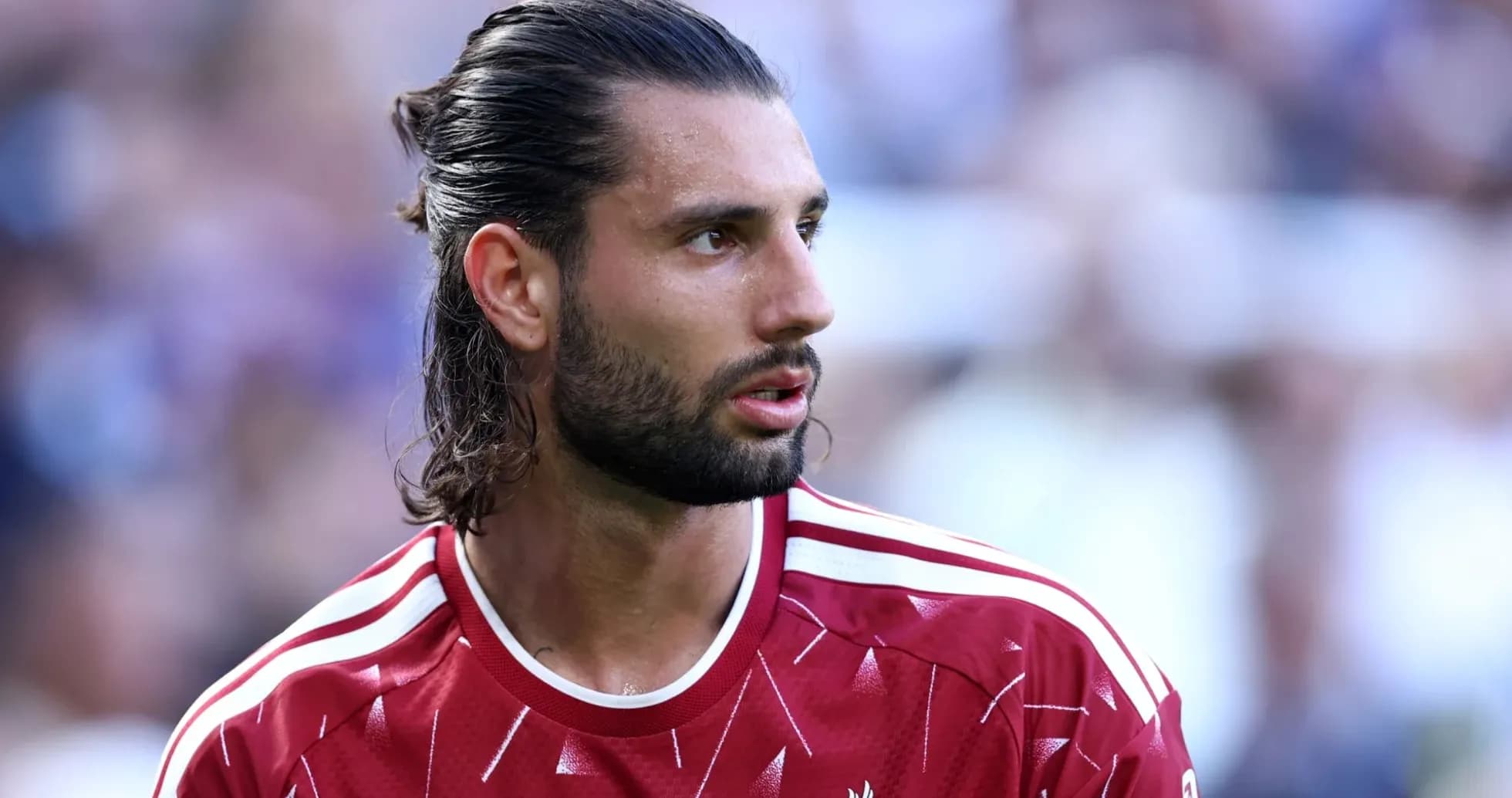
Dominik Szoboszlai's Thunderbolt Performance Against Tottenham
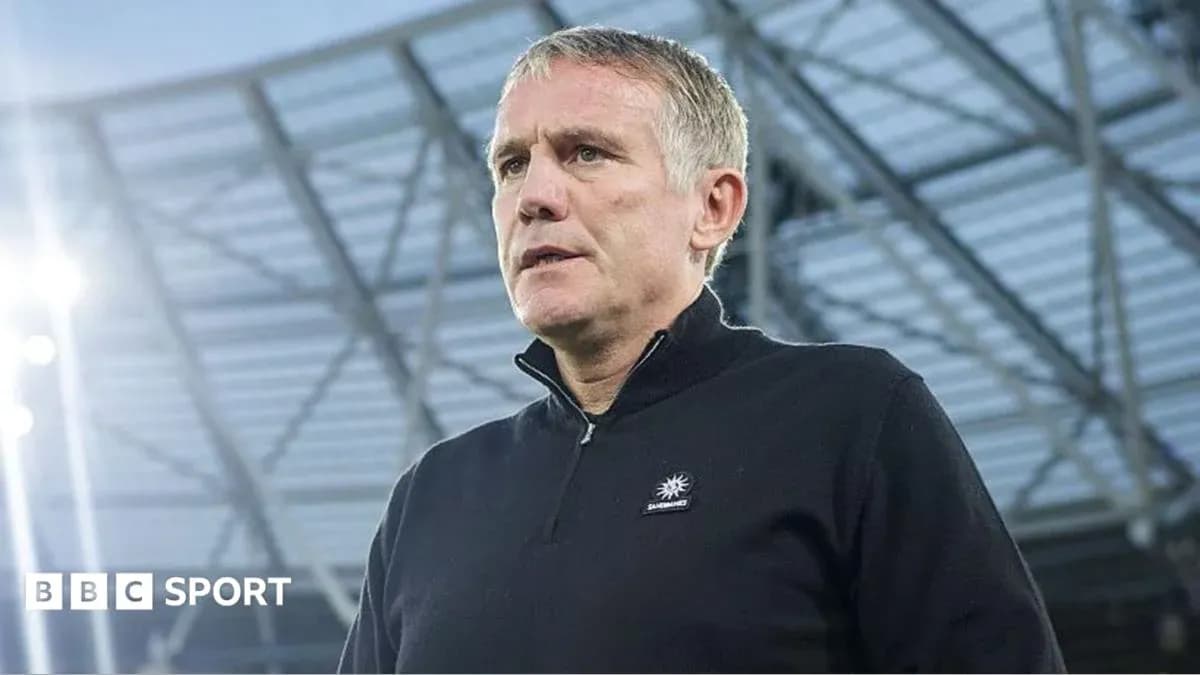
Wrexham's Challenge Against Southampton: A Test of Resilience
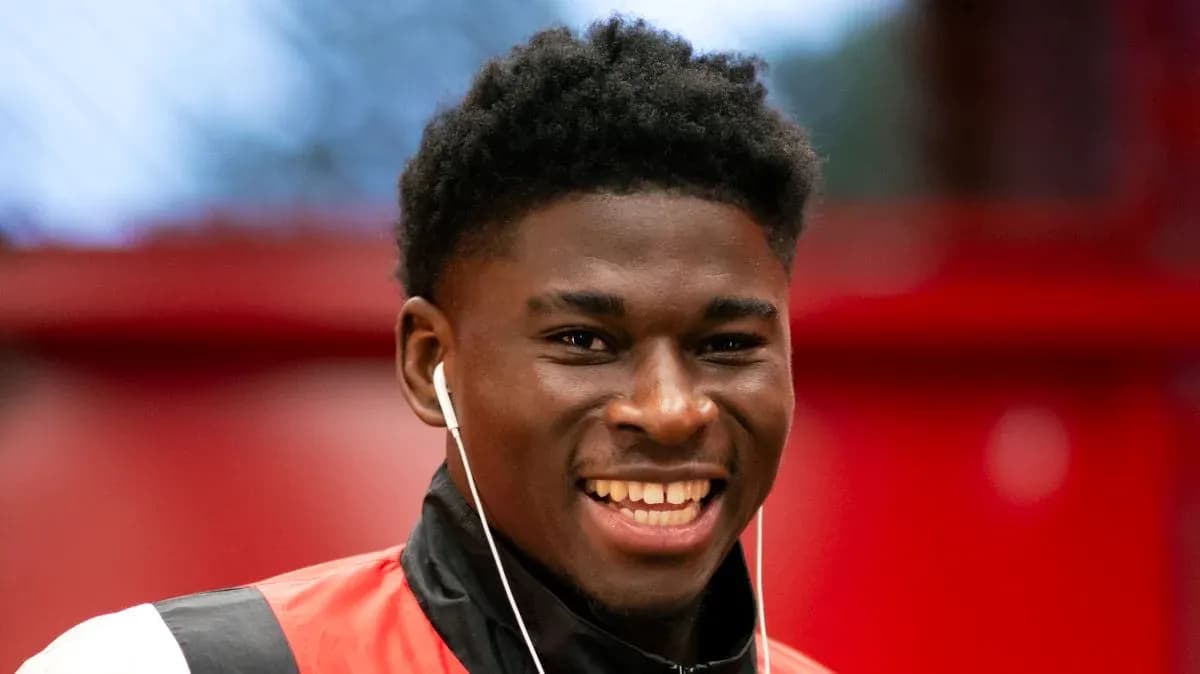
Man United Injury Updates: Shaw, Baleba, Amad, and More
Ireland Squad Refresh: Coleman Left Out for Nations League
Jurgen Klopp's Bold Start as Germany National Team Coach
Séamus Coleman Eyes Future with Republic of Ireland