
Shea Lacey's Debut Overshadowed by United's Collapse Against Brighton
Shea Lacey’s full debut was supposed to be the story. Instead, Old Trafford left talking about a collapse that dragged up ghosts from 1976.
United flew out of the blocks. Lacey, the teenager handed his first start, lit up the Theatre of Dreams with an early goal that felt like a glimpse of the future. Mason Mount then stepped in to double the lead, and for 20, maybe 25 minutes, Michael Carrick’s side looked exactly what they insist they still are: organised, confident, dangerous.
Then it all fell apart.
Brighton clawed their way back and, astonishingly, turned 2-0 down into a 3-2 win. A United team had not surrendered a two-goal cushion to lose at home since the mid-70s. The stands knew it. The boos at full-time were loud, pointed, and laced with disbelief.
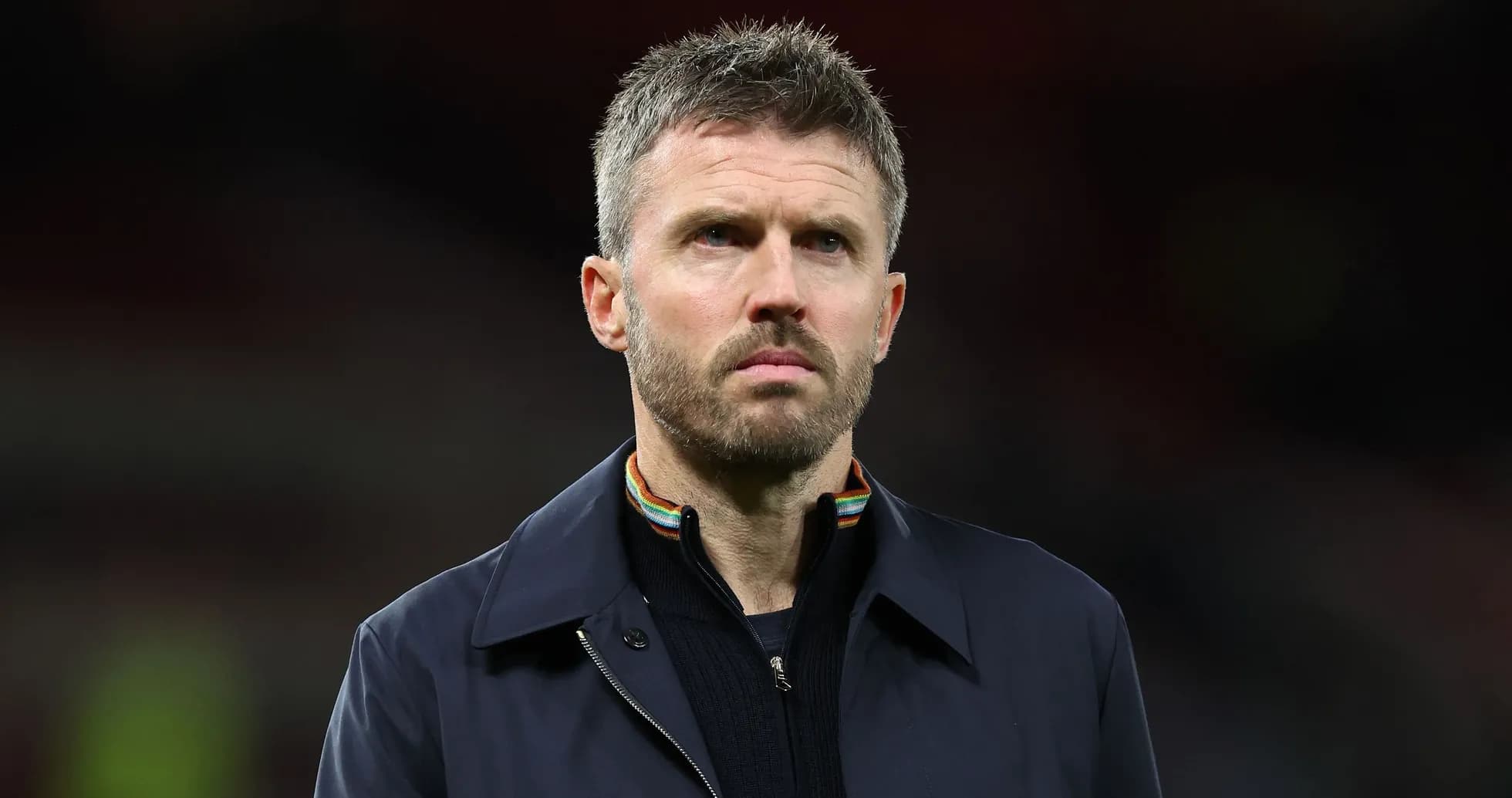
Carrick cut a stunned figure in the aftermath. He didn’t try to dress it up.
“The way we started the game, 20-25 minutes into the game in such a good position, playing well, doing all the things that we wanted to do and then it feels like it's a long time ago,” he admitted. “The feeling at the start of the game to the feeling at the end of the game couldn't have been further apart.”
The swing in emotion mirrored the swing in momentum. United went from fluid and ruthless to flat and brittle. Brighton sensed it and kept pushing until the comeback was complete, leaving Carrick facing the kind of scrutiny that rarely ends well for a Premier League manager.
He is now one of the bookmakers’ favourites to be the next man sacked. The atmosphere has turned toxic, the margins thinner by the week. Yet Carrick refuses to accept that this is the beginning of the end.
He leans on his own recent history for proof. When he arrived in January, he inherited a side drifting and dragged them to an impressive third-place finish. That run, he believes, is no fluke and no distant memory. The core of that squad is still here, and in his mind, so is the quality.
“Of course we can turn it around,” he said, firmly rather than hopefully. “We've got some really good players and it feels bad at the moment because we haven't had a great week, or two or three weeks. But it doesn't mean you can't win another game of football quickly, so there's that side of it. I mean, the players have shown before what they're capable of doing and we have as a group.”
The problem for Carrick is that football rarely waits. The fixture list certainly doesn’t.
Next up is Fulham at Craven Cottage, a game that suddenly carries the weight of a season. Fulham sit 18th, their own manager Alvaro Arbeloa under fierce pressure after failing to win a league match since taking over in the summer. Both men need a result. For Arbeloa, it is about survival. For Carrick, it feels bigger than that.
The Brighton defeat is not just another bad day; it is a historical marker, a result that will be thrown back at him every time United wobble. At a club that measures itself against the elite of English and European football, losing like that at home cuts deep.
“It's all about what you do next and dealing with the moments, and the ups and the downs,” Carrick said. “We've certainly got to deal with this moment in a good way.”
That “next” is where he has chosen to live. Long-term ambitions of returning to the top table remain, but he knows those conversations sound hollow when wins are scarce. His message to the dressing room is stripped back: simplify, grind, remember what it felt like when three points became a habit during last season’s surge.
“We've got to get back to being on a good run,” he added. “That's as simple as it gets. We've got to win football matches and we can do, and I fully believe we will do. But obviously we've got to do it pretty quick and Sunday is the starting point.”
Old Trafford has already delivered its verdict on one dark afternoon. Craven Cottage now waits to decide how long Carrick gets to try and change the story.
Related News
Shea Lacey's Debut Overshadowed by United's Collapse Against Brighton
Chelsea Enters New Era Under Clearlake Capital Control
Vinicius Jr. Faces Challenge as Mbappe Dominates at Real Madrid
Thomas Tuchel Faces Criticism After World Cup Defeat
Dominik Szoboszlai's Thunderbolt Performance Against Tottenham
Wrexham's Challenge Against Southampton: A Test of Resilience