
Raphinha's Hat-Trick Leads Barcelona to Comeback Win Against Sevilla
At the Ramon Sanchez Pizjuan, this was no champagne exhibition from Barcelona. It was a scrap, a comeback, and in the end, a night owned by one man in particular: Raphinha.
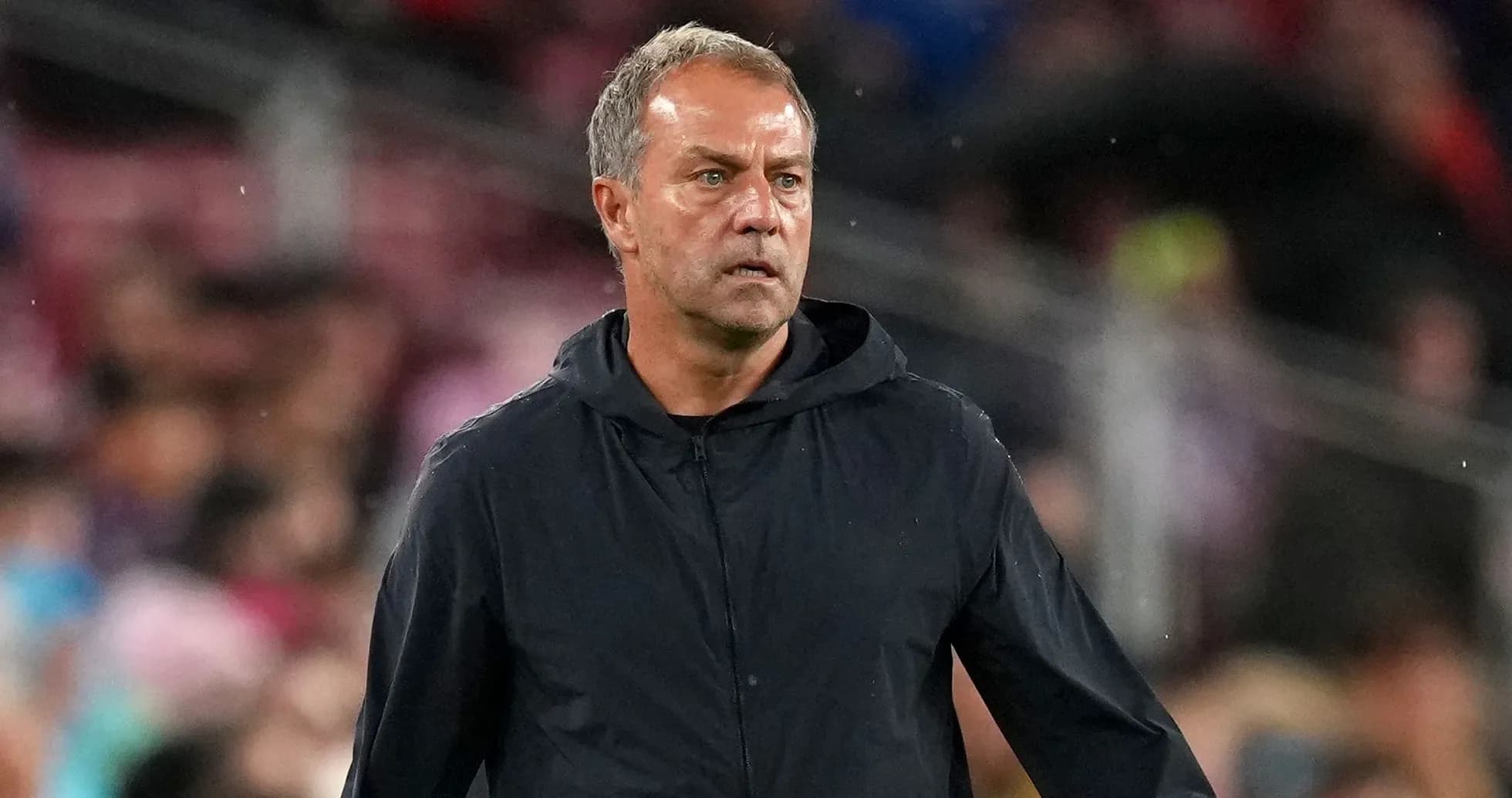
Sevilla came flying out of the tunnel. Their press bit, their tackles snapped, and by the 18th minute the hosts had the lead, Youssouf Fofana punishing a hesitant Barça back line. On the touchline, Hansi Flick cut a restless figure, arms waving, voice raised, watching his side get bullied in the duels and suffocated between the lines.
Barcelona looked nothing like the free-scoring machine that has been steamrolling La Liga in recent weeks. They looked rattled.
“It was a difficult match, especially the first half. We didn't play at our level,” the German admitted afterward. “I told them we had conceded too much and that we weren't playing to our standard. We have to do much better, and that's what I told them. The second half was much better.”
The message at half-time clearly hit home. The tone changed. So did the tempo.
And that was when Raphinha took over.
Fresh from signing a contract extension until 2030, the Brazilian produced the kind of performance that makes renewal clauses look like bargains. His hat-trick ripped through Sevilla’s resistance, each goal another reminder of why the club has doubled down on him as a pillar of the project. Runs in behind, cold-blooded finishing, a constant menace drifting in from the flank — he turned a frantic evening into his personal showcase.
“Raphinha is a game-changer; I'm very happy with him and with the club's decision to renew his contract,” he said. “He gives us a lot, he strengthens the team, but I also want to highlight Lamine, who is also a game-changer.”
Lamine Yamal, once again, played like a teenager who never got the memo about easing into elite football. Between the Brazilian’s ruthless edge and the youngster’s daring, Barcelona suddenly looked like themselves again: direct, incisive, and unforgiving when the spaces finally opened up.
Yet Flick’s satisfaction wasn’t rooted in the scoreline. The German has seen his team run up big numbers already this season. What pleased him more was the response — the ability to absorb a punch, adjust, and then control a match that had threatened to spiral away from them.
“You can't always win by five goals. The best thing we did was recover from what we did in the first half,” he stressed. For a coach obsessed with standards, the comeback said more than any lopsided thrashing.
On the other bench, Luis Garcia Plaza wore the look of a coach who knew his side had walked a tightrope against a superior opponent and, for a while, had danced across it. Sevilla’s start was everything he had demanded: aggressive, brave, relentless. They forced Barcelona into errors, pinned them back, and made the league leaders deeply uncomfortable.
From Sevilla’s point of view, the regret was obvious. The first-half display deserved more than it ultimately brought.
“We had an extraordinary first half, but then we couldn't maintain that level in the second. As I said before the match, Barcelona is light years ahead of the rest of the league,” Luis García said. There was no bitterness in his assessment, just a blunt recognition of the gulf.
That gap was written in the details. Sevilla’s intensity faded; Barcelona’s quality didn’t. The home side could not keep up the same ferocious rhythm after the break, and once the spaces widened, the visitors’ superior talent and sharper decisions did the rest.
For Flick, the night underlined a simple truth about title chases and long seasons: not every win will be a spectacle. Some demand grit, some demand patience, and some are rescued by a player who decides the script is his to rewrite.
In Seville, that script belonged to Raphinha — and to a Barcelona side learning that champions are judged less by their routs than by what they do on nights like this, when the football isn’t flowing and they have to find another way.
Related News
Raphinha's Hat-Trick Leads Barcelona to Comeback Win Against Sevilla
Andros Townsend Survives Pitch Roller Accident in Thailand

Manchester United's Crucial Clash at Craven Cottage: A Reset Under Carrick

Atletico Madrid vs Real Madrid: The Intense Madrid Derby

Leeds United vs Crystal Palace: Clash of Agendas at Elland Road
Remembering Maddy Cusack: A Family's Tribute and Ongoing Fight