
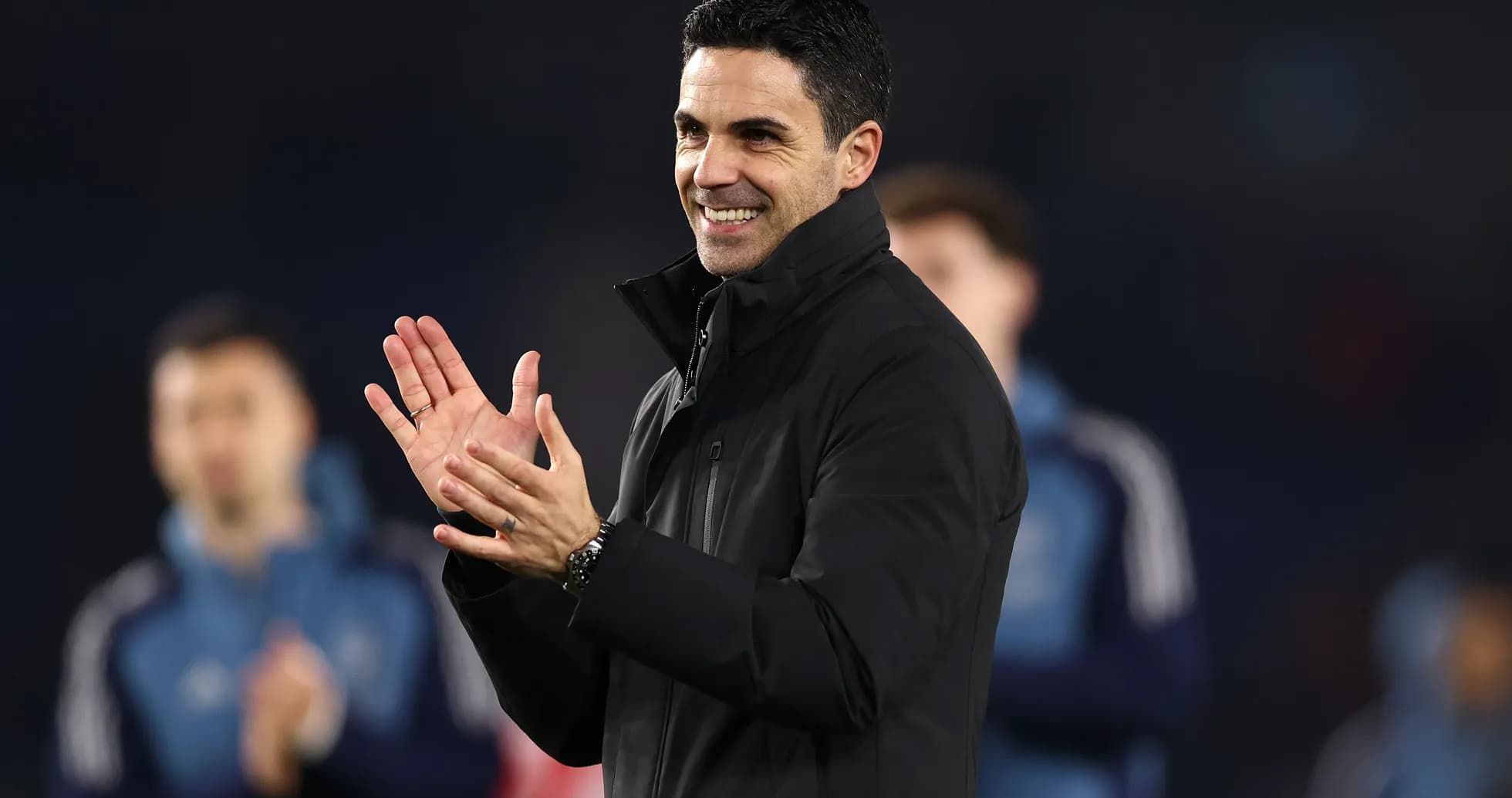
Mikel Arteta Criticizes Premier League Towel Ban for Throw-Ins
Mikel Arteta has bristled at a new Premier League directive that bans players from using towels to dry the ball before taking throw-ins, warning it will alter how teams plot set-piece routines in dangerous areas.
Arsenal leaned heavily on the long-throw ability of Ben White and Declan Rice last season, turning dead balls into a sustained source of pressure. Now, that particular weapon has been blunted.
Arteta irked – and joking
“Not being able to use the towels is already a big one,” Arteta said in his latest press conference, making no attempt to hide his irritation at the change.
He quickly switched to humour, hinting at the kind of creativity coaches will now need to find: “Let’s see what we do. Maybe we will play with hats on!”
Behind the joke lies a serious adjustment. For years, teams have used towels to squeeze every last percentage point out of long throws in the final third. Grip, trajectory, distance – all carefully managed. That ritual is gone.
From grey area to hard line
The towel issue has long sat in an awkward grey zone, dependent on pre-match agreement between the two clubs. That ambiguity boiled over last season when Riccardo Calafiori tried to use a towel near the Newcastle United goal. Referee Jarred Gillett stepped in, confiscated it, and made clear there had been no mutual approval.
That kind of confusion is exactly what the Premier League wants to stamp out. The new rules shut the door completely: no towels, no debate, no time-consuming drying before hurling the ball into the box.
The league is responding to widespread criticism that long, choreographed throw-ins – often preceded by players carefully polishing the ball – were slowing matches to a crawl and being used as a time-wasting tool as much as an attacking ploy.
Countdown football
The towel ban is only one piece of a broader offensive against time-wasting across English football.
Goal-kicks and throw-ins will now be subject to visible countdowns, forcing teams to restart quickly. Substitutions will be tightly marshalled into set windows to stop managers from repeatedly breaking up the flow of the game.
Injury protocols are being sharpened too. Outfield players who receive treatment must remain off the pitch for at least one minute. Crucially, if a goalkeeper needs medical attention, one outfield player from that same team must also leave the field for a minute.
The message is blunt: if you go down, you pay a price in numbers, not just seconds. Tactical pauses suddenly look a lot less attractive.
Arsenal under the microscope
Arsenal know this territory well. They have already been accused of pushing the limits.
Brighton manager Fabian Hurzeler publicly criticised David Raya after the goalkeeper received treatment three times during a tight 1-0 Arsenal win last season, hinting strongly at gamesmanship rather than genuine injury concerns.
Those episodes now sit in a very different regulatory landscape. Under the new rules, such interruptions will carry a clear competitive cost, not just a chorus of complaints from the opposition dugout.
Adapt or fall behind
Arteta, though frustrated by the towel clampdown, insists Arsenal are ready to adapt.
“We have had the Premier League and the referees there with us to explain and go through everything,” he said. “We will have to see when the season starts and how this unfolds and what is more doable and what is less doable and what we need to adapt.”
He knows the margins at the top are brutal. Every restart, every countdown, every enforced pause will now shape the rhythm of a game.
“We know that everybody is paying so much to the details, all the restarts and the countdowns, that will bring something else, a different dynamic, different momentum,” he added. “So I am very curious to see. They are really good rules because what we are doing is trying to promote more game time and the fluidity of the games which is better and hopefully that will work.”
So Arsenal’s long-throw specialists will step up this season without their towels, under the clock, in a league determined to keep the ball in play. The question now is simple: in a faster, harsher environment, who adjusts quickest – the lawmakers, or the managers who make a living bending those laws to the edge?
Related News
PSG's Senny Mayulu Injured During France U21 Match
Italy’s Giacomo Raspadori Withdraws from Nations League Ahead of France Clash
Holger Rune's First ATP Tour Match Since Achilles Injury Set at Japan Open

Liverpool Faces New Setback as Cody Gakpo Leaves Netherlands Match Early
Denmark's Brian Riemer Confirms Patrick Dorgu Injury Withdrawal from National Squad
Real Madrid Concerned as Konaté Exits France Camp with Knee Injury