
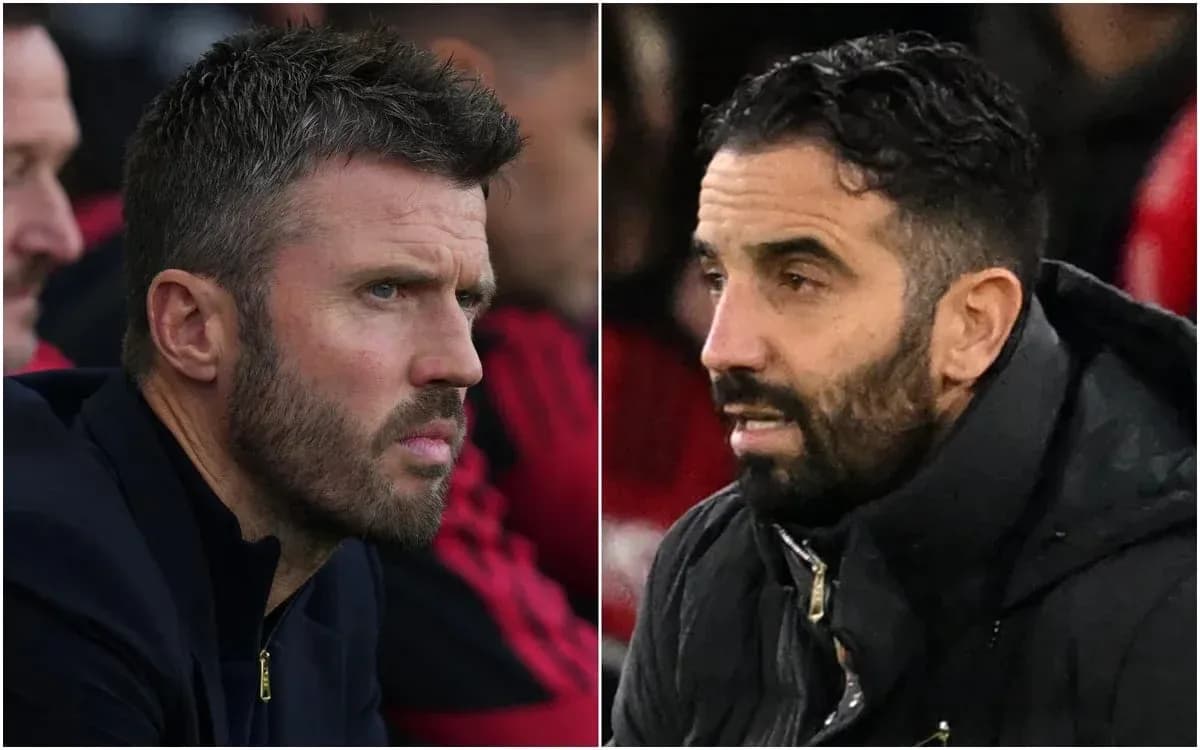
Manchester United's Troubling Start: Carrick vs Amorim
The mood around Manchester United was supposed to be different this year. Michael Carrick’s surge from interim appointment in January to a third-place finish had reset expectations. United took more points than anyone else in the Premier League over that spell. Optimism felt justified.
Seven games into his first full season, that optimism has vanished. The numbers, and the noise, now look eerily similar to the troubled start under Ruben Amorim.
Results: Same Stumble, Different Manager
Strip it back to basics and the picture is stark. After seven games of this campaign, Carrick’s United have won two and lost three. That’s identical to Amorim’s record at the same stage last season, before you even factor in cup exits.
You could argue Amorim’s start was worse. His United went out of the Carabao Cup on penalties to Grimsby. This time around, United are already out again, beaten by Brighton last week. Different opponent, same early elimination.
The league table offers no comfort. United sit 12th with just five points from five games. That total matches their joint-lowest haul at this stage of a Premier League season, alongside the 2014/15 campaign under Louis van Gaal. Only newly promoted Ipswich have been beaten by Carrick’s side in the league.
Under Amorim, six of his first seven games last season were in the league. United were 14th, having scraped home wins over Burnley and Chelsea at Old Trafford. The details change. The mediocrity doesn’t.
Data: Promise on Paper, Shortfall on Grass
Look underneath the surface and the parallels tighten. Last season, the expected-points table painted Amorim in a kinder light. After seven games, United ranked fourth on xPts, a huge contrast to their actual position of 14th. Performances, the data said, deserved more.
This season, Carrick finds himself in the same strange split reality. United sit sixth in the xPts standings, well clear of their actual 12th place. Once again, the numbers hint at a team that should be higher, a side creating enough to compete near the top half rather than hovering in the bottom.
The reason is familiar: they’re not finishing. Under Amorim at this stage last year, United had scored just seven league goals from an expected-goals figure of 12.04. The gap now is smaller but still telling – an xG of 10.59 and only eight goals to show for it.
In plain terms, the chances are there. The ball is not going in often enough. You can read that as a sign that the tide will turn – last season United ended the campaign with an xG tally only a little over three higher than their actual goals, evidence that the finishing eventually caught up.
Or you can take the harsher view: this squad still lacks enough ruthless finishers.
Context: Different Credit, Different Heat
What has changed most is the temperature around the manager. Carrick’s stock remains relatively high. That charge to third place, the sense of calm he brought after a chaotic period, has given him credit with fans and pundits alike.
Amorim never enjoyed that luxury. After seven games of the 2025-26 season, the pressure was already intense. He had collected just 34 points from 33 league matches in charge and had not managed back-to-back Premier League wins. The narrative around him was set early and it was unforgiving.
There was also a clear tactical scapegoat. His wing-back system was widely criticised, with a growing belief that a back four would suit the squad far better. Amorim stuck to his principles and paid the price in public perception. He became the coach who wouldn’t bend.
Carrick has not yet been boxed into that kind of tactical caricature. The criticism after Sunday’s draw with lowly Fulham focused less on formations and more on attitude – a perceived lack of work off the ball, backed up by running and pressing data that did not flatter the players.
The system isn’t on trial yet. The intensity is.
The Future: Lessons From Amorim’s Fall
Amorim tried to project calm as his own storm gathered. “I am never concerned about my job,” he said after United’s seventh game of last season, a 3-1 defeat at Brentford. The results never truly turned. He survived until January, and even then, his departure owed as much to his public criticism of the board as it did to league position.
United were sixth when he went. Today, he is at AC Milan, unbeaten and two points off the top in Serie A. His reputation has been rebuilt elsewhere.
Carrick is nowhere near that brink. Not yet. He was only confirmed as permanent manager in May on a two-year deal. The club hierarchy will not want to rip up another project so soon, and the underlying metrics give them a rational argument to stay patient.
But performances like the one against Fulham carry a different kind of warning. Gary Neville put it bluntly on Sunday: “If those types of performances continue, he will find himself in a lot of trouble.”
The numbers say United are better than 12th. The table says they are not. Sooner rather than later, Carrick’s team will have to decide which version of the truth they believe in.
Related News
Barcelona's International Break: Flick's Limited Squad and Gavi's Determination
England Faces Late Squad Changes for Nations League Matches
Wales Faces Portugal in Nations League A: Tactical Dilemmas Ahead
International Break: Clubs Tackle Extended Pause
Jordan Graham in Hospital After Serious Road Traffic Accident
Manchester United's Troubling Start: Carrick vs Amorim