
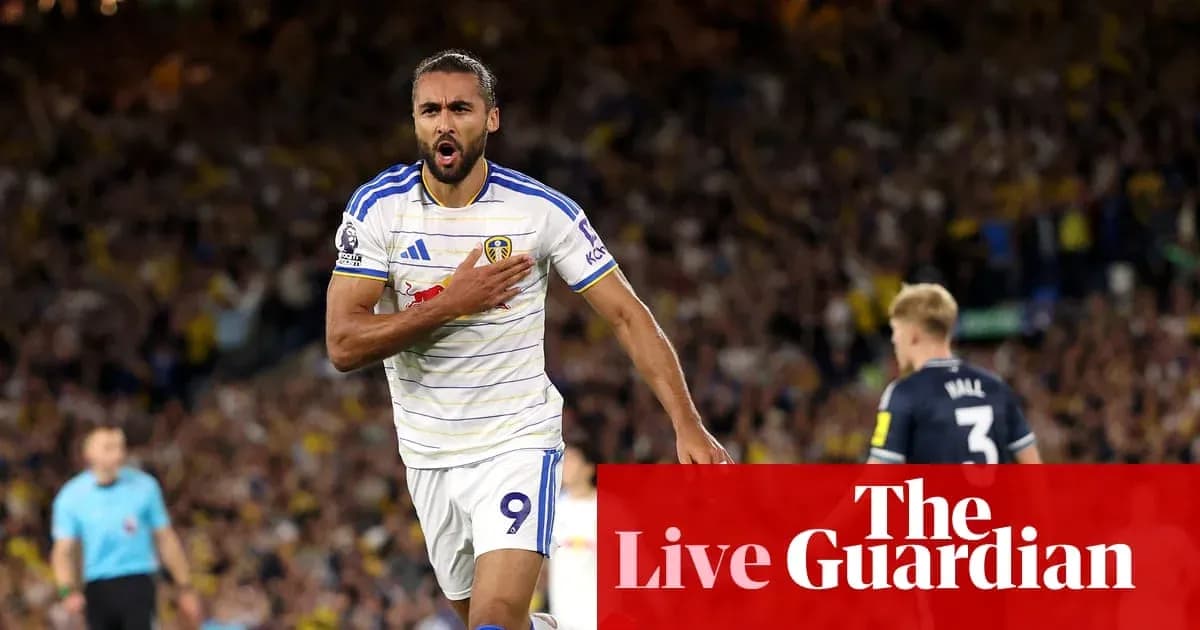
Leeds United vs Newcastle United: A Tactical Battle at Elland Road
Elland Road crackled long before a ball was kicked. Leeds United and Newcastle United might not sit at the top of English football’s glamour list, but under the lights in LS11, this fixture still feels like a throwback to when both clubs routinely shaped the mood of a season.
Leeds came into the night unchanged from their 1-1 draw with Brighton, Daniel Farke doubling down on a system that has given his side a clear identity. James Trafford kept his place in goal, shielded by a back three of Ricardo Pereira Justin, Nico Elvedi and Tarik Muharemović. Out wide, Jayden Bogle and Jóhann Berg Gudmundsson were given licence to fly, with Ethan Ampadu and Ao Tanaka tasked with keeping the whole thing stitched together in midfield. Ahead of them, Anton Stach and Noah Okafor buzzed behind Dominic Calvert-Lewin, the lone striker and focal point.
Across the technical area, Matthias Jaissle made bolder calls. Newcastle’s summer of upheaval has not slowed their stride, and the XI underlined the shift. Matěj Horníček started in goal behind a back four of Jusuf Dedić, Malick Thiaw, Sven Botman and Lewis Hall. In front of them sat Nico González and Lewis Miley, the metronomes in a 4-2-3-1 that featured Jacob Murphy, Yoane Wissa and Harvey Barnes supporting Matias Fernandez-Pardo, handed his first start for the club. On the bench, there was the added intrigue of Mason Miley, younger brother of Lewis, waiting for a possible debut.
This was not a gentle easing into the evening. From the first whistle, the game snapped and crackled, frantic and raw, the structure struggling to keep up with the energy.
Inside the opening minute, Leeds went direct. A ball dropped into the inside-right channel for Stach, who had time and angle to shoot. He chose to cross instead, and Newcastle scrambled it behind for an early corner. The set piece came to nothing, but it set the tone: Leeds would be aggressive, front-foot, and unapologetic.
Seconds later, controversy. As Fernandez-Pardo tried to carry Newcastle out from the edge of his own box, the ball kicked up off the turf and bumped his hand. Leeds screamed for a penalty; Elland Road roared for it. The officials were unmoved. It looked accidental, and the referee Adam Herczeg and his team let play continue.
The chaos barely paused. Wissa harried Trafford into a hurried clearance on five minutes, blocking the ball and briefly threatening a freak opener before it looped away to safety. Leeds instantly countered down the left, Gudmundsson driving into the area and drilling a low cross. It smashed straight into the face of González, who dropped to the turf, dazed. The home crowd thought the whistle was for a penalty. It was simply for treatment. Elland Road groaned, then rallied.
González eventually got to his feet, and Newcastle tried to slow things down. They needed to. Leeds swarmed the ball, their wing-backs pushed high, Okafor darting from deep to worry the last line. Farke’s plan was obvious and unapologetic: stretch Newcastle wide, overload the flanks, then fire crosses and cut-backs into Calvert-Lewin and the arriving midfielders.
Newcastle’s route was just as clear. Jaissle wanted his side to bite at the spaces around Leeds’ outside centre-backs and behind the wing-backs, standard practice against a back three. There was a hint that Hall might invert into midfield to help Nico and Miley wrest control of the centre, while Wissa was primed to push up alongside Fernandez-Pardo and ask different questions of a Leeds defence used to sharing one striker between three.
The early running, though, belonged to Leeds. Their confidence was obvious, their pressing coordinated. On nine minutes, Newcastle tried to take the sting out of it, circulating the ball across their back four and into midfield. Leeds refused to sit off, hunting in packs until Horníček was forced to go long.
The game’s first real flash of quality arrived on 10 minutes. Okafor, sensing joy down the left, surged into space, chopped back inside and laid the ball off. Stach teed it for Ampadu, who hurled his whole frame through a rising drive. It looked goalbound until it clattered into Calvert-Lewin, standing in an offside position. Horníček had thrown himself anyway and, judging by his line, might have had it covered.
Leeds kept coming. Two minutes later, Okafor again hurtled down the left, the move ending with another sight of goal for the home side. Newcastle, though, began to find small footholds in midfield through González and Miley, their touch and composure just about holding under pressure.
On 14 minutes, Leeds carved out their best chance of the half. Tanaka stood up a cross to the far post, where Justin did superbly to nod the ball back across goal from the byline. Bogle, now at the near post, spun sharply and drilled low towards the corner. Horníček read it brilliantly, springing down to his right and extending a strong arm to turn the ball away. It was the kind of save that settles a debutant crowd and a nervous back four.
The penalty debate refused to die. When the earlier handball shout against Fernandez-Pardo was replayed, co-commentator Don Goodman noted that the forward’s arm was raised at chest height. Marginal, he suggested. Others saw it differently: Fernandez-Pardo was running, arms naturally pumping, the ball ricocheting off the turf rather than being deliberately handled. The officials stuck with their original call.
By the quarter-hour mark, the match was still wild, still short on rhythm. Leeds’ energy was unmistakable; Newcastle’s plan was to ride it out and then grow into the contest as the home side’s legs and lungs started to fade.
Around all this, the bigger picture loomed. With Liverpool, Chelsea and Manchester United wrestling with their own problems and unable to fix them before January, there is a gap opening for organised, balanced sides to gatecrash the European conversation. Neither Leeds nor Newcastle began the season shouting about Europe. The way the table and performances are shaping, they would be foolish not to at least glance upwards.
Farke knows his supporters have suffered enough in recent years and spoke before kick-off about momentum, about a good start in both performances and points, and about the danger Newcastle pose in transition. Jaissle, for his part, has walked into the slipstream of Eddie Howe’s legacy, tweaking rather than tearing up, leaning on pace up front and the growing authority of González and Lewis Miley in midfield.
He has had to do it while waving goodbye to a manager who ended a 56-year trophy drought, a captain and best midfielder, another first-choice midfielder and the club’s most dangerous attacker. Somehow, the structure looks stronger. That is not an accident.
Elanga’s absence here was a blow. His work-rate has always been ferocious, but now his technique seems to be catching up, turning him from pure runner into genuine threat. Even so, his injury opened the door for Murphy and Fernandez-Pardo, the latter finally stepping into the role he was signed for. He has had time to settle, to learn the city and the dressing room. Now he must deliver on the pitch.
Back at Leeds, the summer recruitment has already altered the mood. Trafford behind a new-look defence of Elvedi and Muharemović, the guile of Harry Wilson added to an attack that already had sparks, and a structure that lets wing-backs attack without constantly glancing over their shoulders. Okafor’s pace from deeper areas gives them a runner no centre-back can easily track, while Stach drops off to outnumber opponents in midfield and create the angles for those front-post darts and byline cut-backs.
The tactical battle was clear. The noise was unrelenting. The stakes, in mid-autumn, felt larger than the calendar suggests.
Under the Elland Road lights, two clubs who once defined eras are trying to write a new one. With the traditional giants stumbling, how long before nights like this decide who steps into the space they’ve left behind?
Related News
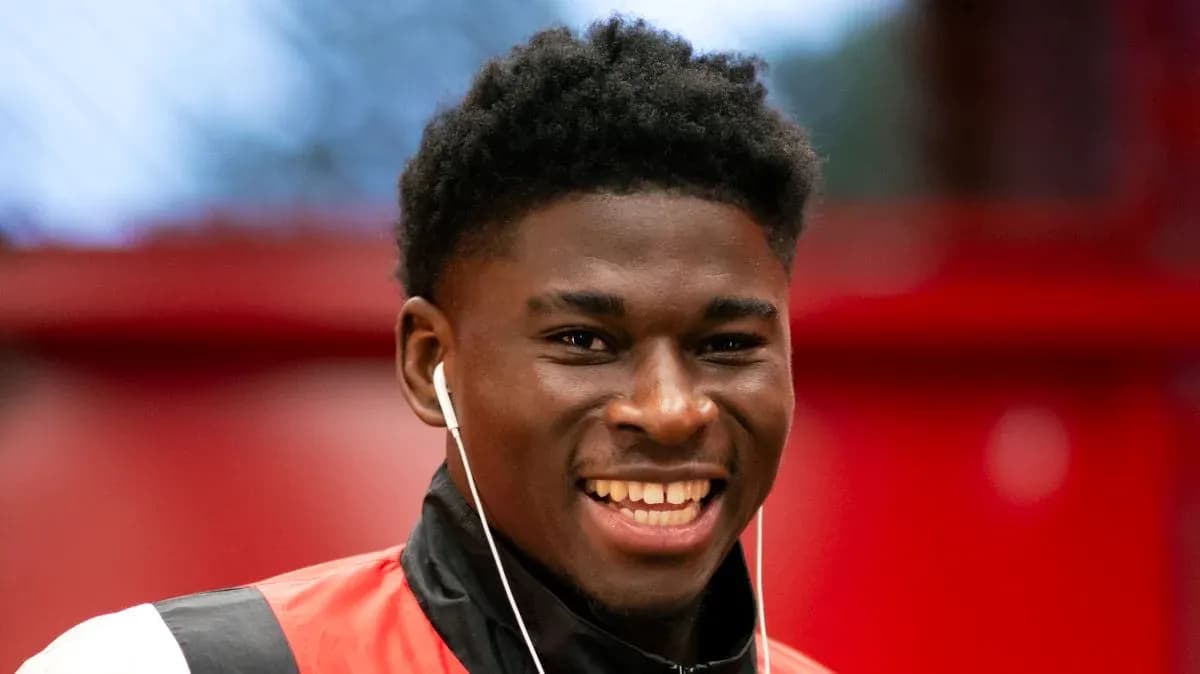
Man United Injury Updates: Shaw, Baleba, Amad, and More
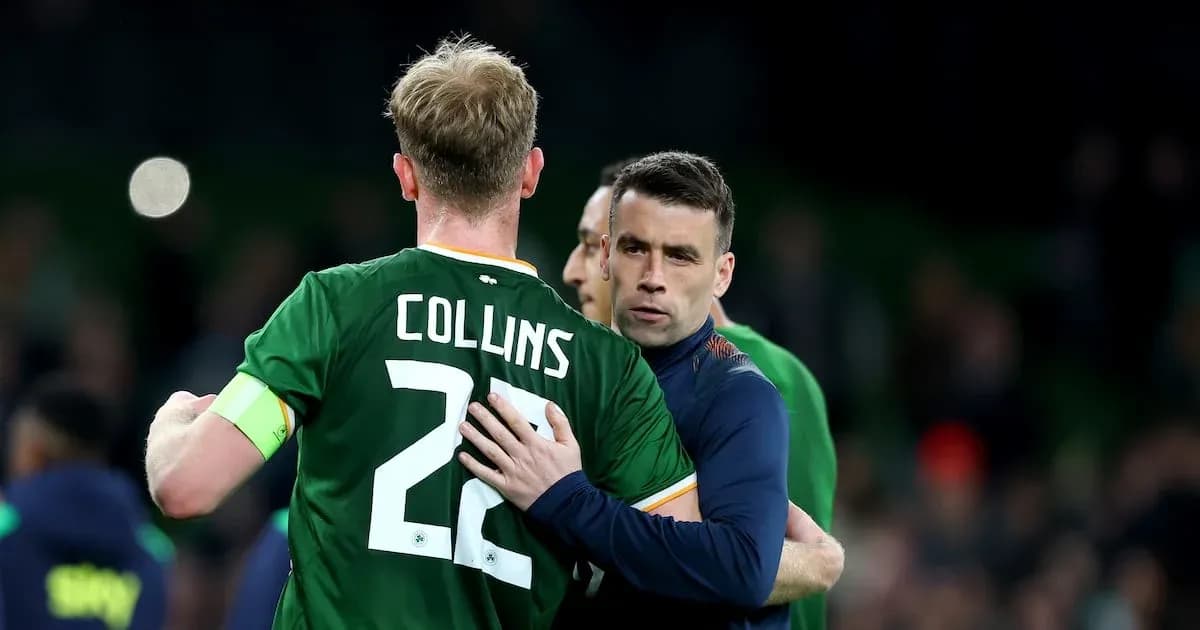
Ireland Squad Refresh: Coleman Left Out for Nations League
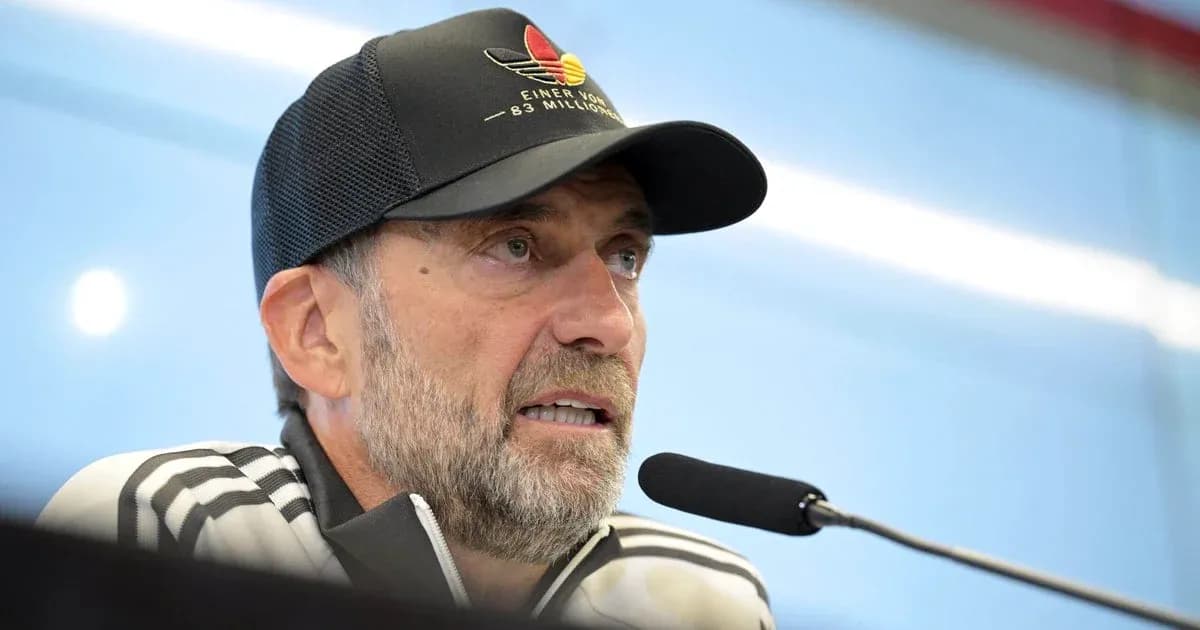
Jurgen Klopp's Bold Start as Germany National Team Coach
Séamus Coleman Eyes Future with Republic of Ireland
Community Guidelines for Respectful Football Debate
Nathan Broadhead Ruled Out of Wales’ Nations League Campaign