
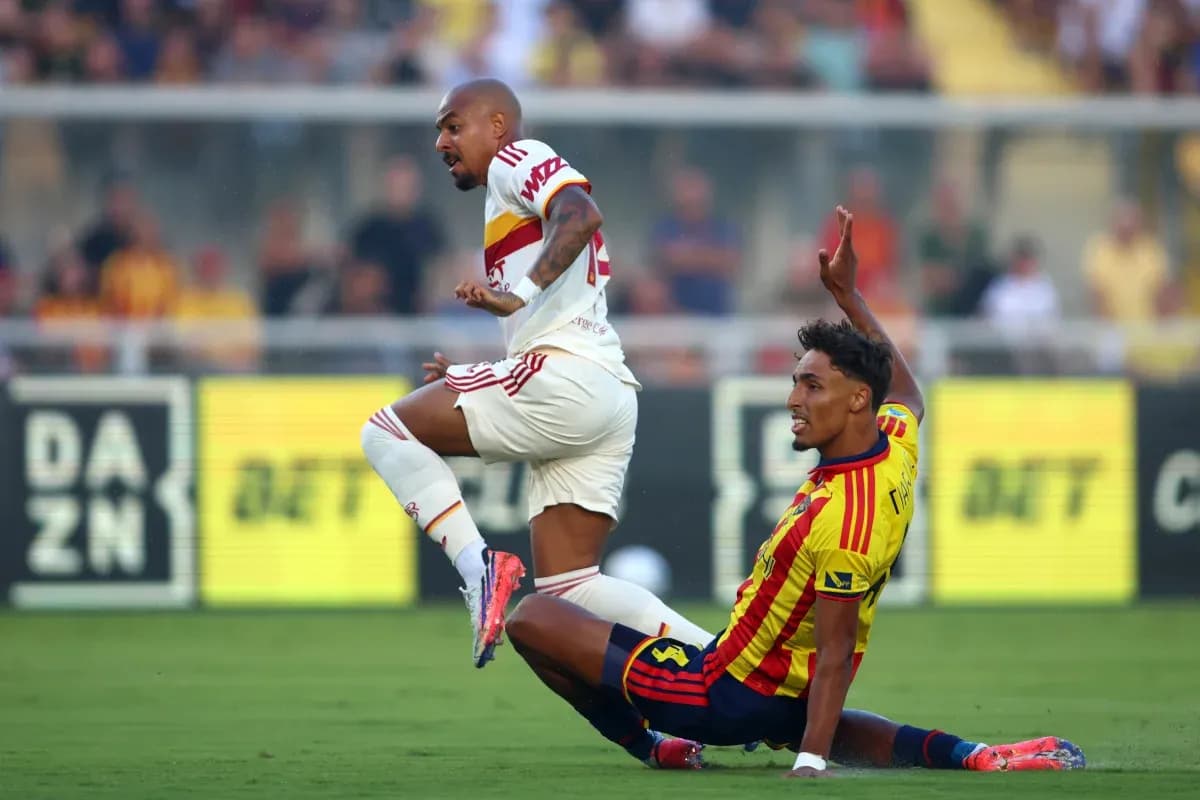
Lecce vs AS Roma: Serie A Match Analysis
Under the late-summer light of Stadio Via del Mare, Lecce’s return to home soil in Serie A quickly turned into a lesson in clinical, top-tier ruthlessness. The fixture, part of the 2026 Serie A Regular Season - 2, ended with a stark scoreline: Lecce 0–4 AS Roma, all decided within 90 minutes of regular time under the watch of referee D. Chiffi.
Heading into this game, the table already hinted at a clash of trajectories. Lecce sat 13th with 3 points from 2 matches, their overall goal difference at -2, built from 2 goals scored and 4 conceded overall. At home, they had played 1, scored 0, and conceded 4; their early-season identity was that of an away counter-puncher (a 0–2 win on their travels) struggling to translate that resilience to Via del Mare.
Roma, by contrast, arrived as early pacesetters. Top of the league in 1st place with 6 points from 2 games, they had scored 8 and conceded 0 overall. The symmetry of their record was striking: at home 4–0, away 0–4. Two matches, two clean sheets, and an overall goal difference of +8 – the numbers of a side already playing with the conviction of a Champions League contender.
On the pitch, the tactical shapes told their own story. Eusebio Di Francesco rolled out a 3-5-2 for Lecce, a system designed to crowd midfield and protect a back three led by Tiago Gabriel, J. Siebert, and K. Gaspar in front of goalkeeper W. Falcone. Across from them, Piero Gasperini Gian doubled down on Roma’s early-season template: a 3-4-2-1 with M. Svilar in goal, a back three of D. Ghilardi, G. Mancini, and M. Hermoso, wing-backed by Wesley Franca and E. Lulli, and a front trio of P. Dybala, M. Soule, and central spearhead D. Malen.
The scoreline – 0–3 at half-time, 0–4 by full-time – confirmed what the standings had suggested. Roma’s structure and individual quality are already fully aligned; Lecce’s, especially at home, are still in construction.
Tactical Voids and Absences
Roma’s dominance becomes more impressive when framed against their absentees. Three significant names were listed as missing: M. Bah (knee injury), L. Pellegrini (thigh injury), and D. Rensch (muscle injury). None appeared in the matchday squad, forcing Gasperini Gian to lean even harder on his new spine.
Without Pellegrini’s creative weight between the lines, Dybala’s role as chief architect became non-negotiable. His league profile coming into this fixture – 3 assists and 7 key passes in just 163 minutes overall – underlined how Roma have tilted their attacking responsibility toward his left foot. Bah’s and Rensch’s absences removed rotation options in deeper zones, increasing the burden on Mancini and Hermoso to manage build-up and defensive leadership.
Lecce, by contrast, had no listed absentees in the data, but their tactical voids were structural rather than medical. The switch between a 4-3-3 and 3-5-2 across their first two matches shows a coach still searching for a stable identity. At home, the numbers are brutal: 0 goals scored, 4 conceded, 1 home defeat. They have yet to keep a clean sheet at Via del Mare and have failed to score there in this early campaign.
Disciplinary trends added another layer. Lecce’s yellow cards this season are spread evenly: 25.00% of their cautions in each of 0–15, 46–60, 61–75, and 76–90 minutes. That even spread hints at a side that is constantly firefighting, rather than one that loses control in specific phases. Roma’s bookings, however, cluster earlier: 33.33% of their yellows arrive in each of 0–15, 31–45, and 46–60 minutes. Gasperini Gian’s side starts aggressively, pressing and contesting duels hard from the opening whistle, then managing the game once a lead is secured.
Key Matchups – Hunter vs Shield, Engine Room
The headline duel was always going to be Roma’s cutting edge against Lecce’s reshaped back three. D. Malen came into the round as Serie A’s most devastating finisher: 5 goals from 2 appearances, 9 shots with 6 on target, and an 8.75 average rating overall. He is not just a poacher; his 2 key passes and 7 dribble attempts show a forward who can both create and finish.
Opposite him stood Tiago Gabriel, Lecce’s unlikely early-season standout and their lone representative among the league’s top scorers with 1 goal and a 6.9 rating overall. At 196 cm, he is the physical anchor of the back line, with 4 duels won from 5 and 2 interceptions overall. Yet the context is unforgiving: Lecce’s overall defensive record – 4 goals conceded in 2 matches, including 4 at home – means his individual numbers are being stretched inside a system still leaking.
The “Engine Room” confrontation revolved around Roma’s double pivot of B. Cristante and M. Kone against Lecce’s central trio of L. Coulibaly, O. Ngom, and O. Gorter. Kone’s profile is particularly telling: 110 passes with 92% accuracy overall, 4 key passes, and 14 duels contested with 8 won. He is both enforcer and distributor, and already carrying a yellow card this season, emblematic of Roma’s combative midfield edge.
Cristante, the quiet regulator, allowed Dybala and M. Soule to drift into pockets between Lecce’s midfield and defensive lines. Wesley Franca, meanwhile, is the hinge that turns Roma’s 3-4-2-1 into a 3-2-4-1 in possession. His 74 passes, 4 key passes, and 6 tackles overall paint the picture of a two-way wing-back who both drives progression and pins opposing wing-backs deep. Against Lecce’s wide midfielders D. Veiga and C. Ndaba, Wesley’s energy tilted the flanks decisively Roma’s way.
For Lecce, the intended counterweight lay in transition. S. Pierotti and W. Geubbels up front were meant to run into the spaces behind Roma’s high line, using the 3-5-2 as a springboard. But with Lecce’s overall attacking average at home stuck at 0.0 goals per game, and Roma yet to concede a single goal either home or away, the “Hunter vs Shield” narrative was one-sided: Roma’s shield is currently impenetrable.
Statistical Prognosis and Tactical Verdict
Even without explicit xG values, the contours of this match and the season’s early numbers point in one direction. Roma’s overall attacking output – 8 goals in 2 games, averaging 4.0 goals per match both at home and on their travels – combined with an overall defensive record of 0 goals conceded, describes a side whose xG for is likely to be high and whose xG against is being consistently suppressed by structure and personnel.
Lecce, in contrast, average 1.0 goal scored overall and 2.0 conceded overall. At home, the split is harsher: 0.0 scored, 4.0 conceded on average. Their clean-sheet record – 1 overall, achieved only away – and the fact they have already failed to score once overall, underline a team whose margin for error is razor-thin when facing elite opposition.
Roma’s yellow-card timing – 100% of their cautions arriving before the 60th minute – dovetails with a tactical approach built on early intensity, quick leads, and then control. Lecce’s even disciplinary spread suggests they are reacting rather than dictating.
Following this result, the tactical verdict is clear. Roma’s 3-4-2-1 under Piero Gasperini Gian is already a fully formed machine, powered by Malen’s finishing, Dybala’s craft, and a midfield that both bites and builds. Their defensive solidity – 2 clean sheets overall, with 1 at home and 1 on their travels – makes them a nightmare for sides like Lecce who are still groping for an attacking identity at home.
Lecce’s 3-5-2 offers theoretical stability, and individuals like Tiago Gabriel and L. Coulibaly provide a platform. But unless Di Francesco can translate their away resilience into a coherent home blueprint – lifting that home attacking average off 0.0 and tightening a defence conceding 4.0 per home game – fixtures against the league’s elite will continue to feel like this: a long evening under the floodlights, chasing shadows in yellow and red.
Related News

Fiorentina vs Napoli Prediction: Key Stats and Betting Tips
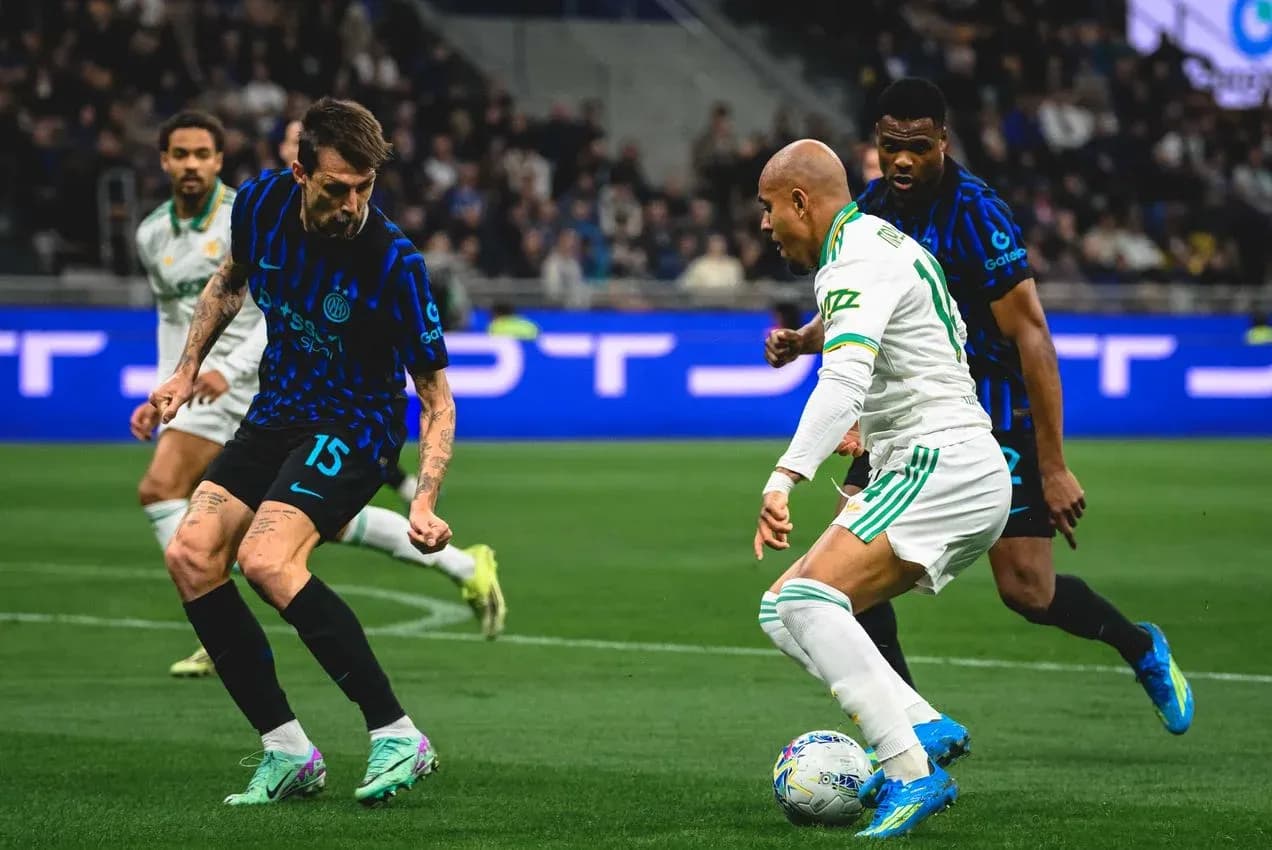
AS Roma vs Inter: Serie A Showdown on 19 September 2026
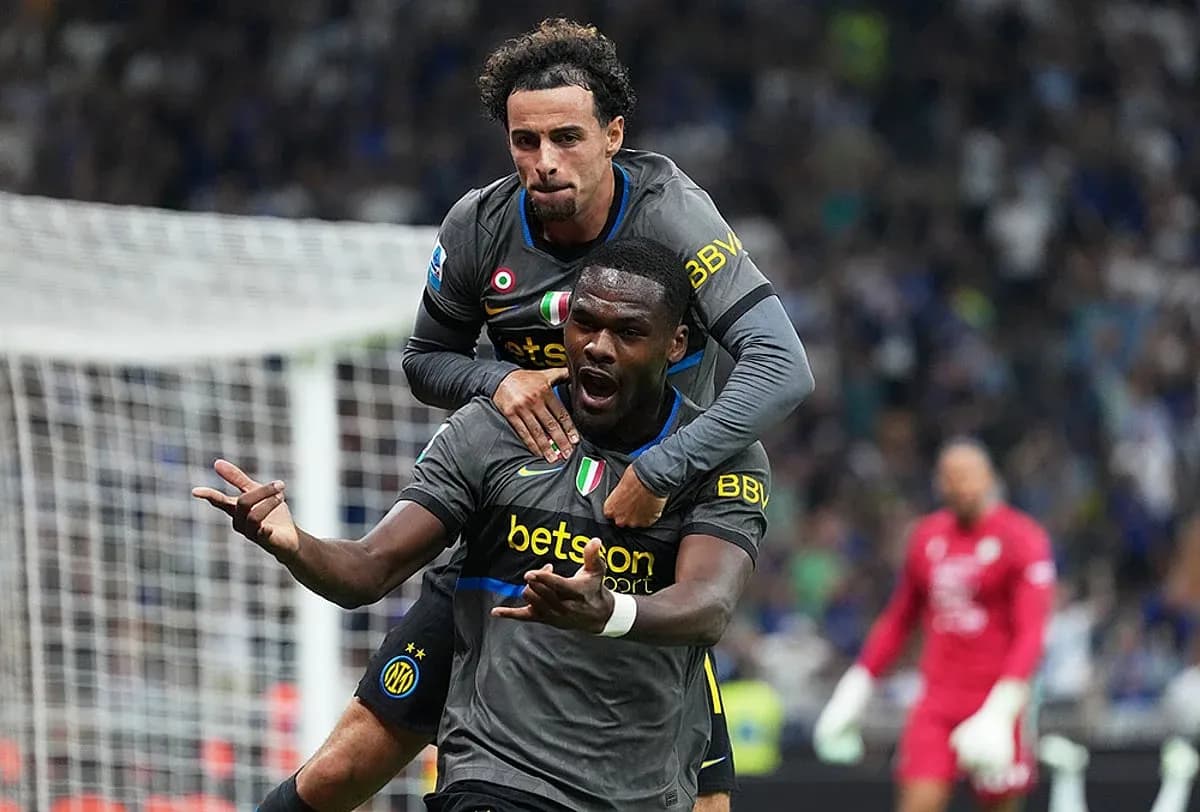
Inter’s Dominance in 5–3 Win Over Udinese

AS Roma vs Inter Prediction: Key Stats and Betting Tips
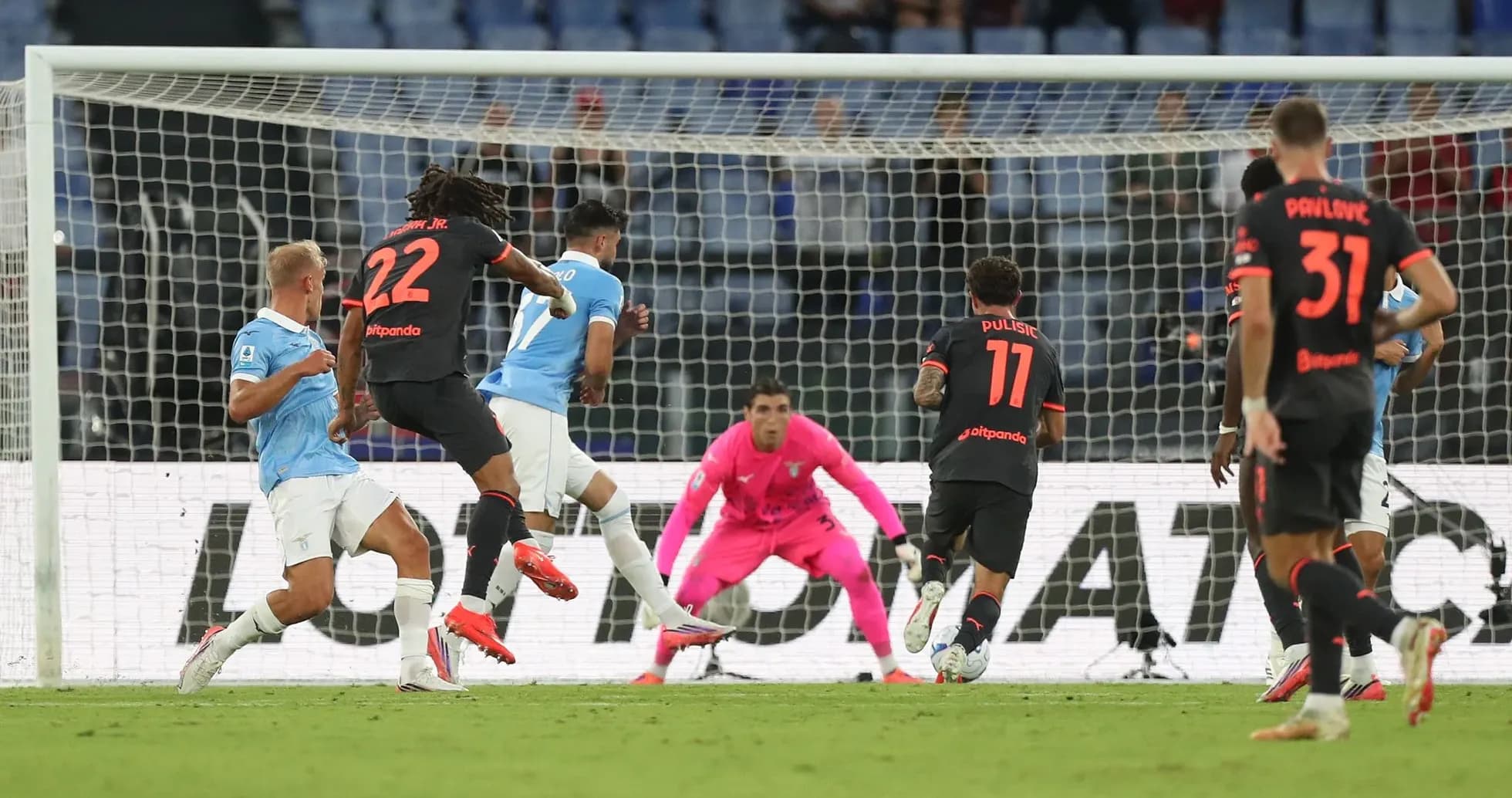
Lazio and AC Milan Battle to a 2–2 Draw: Early Serie A Insights
AC Milan vs Lecce Stats: Head-to-Head Record and Historical Context