
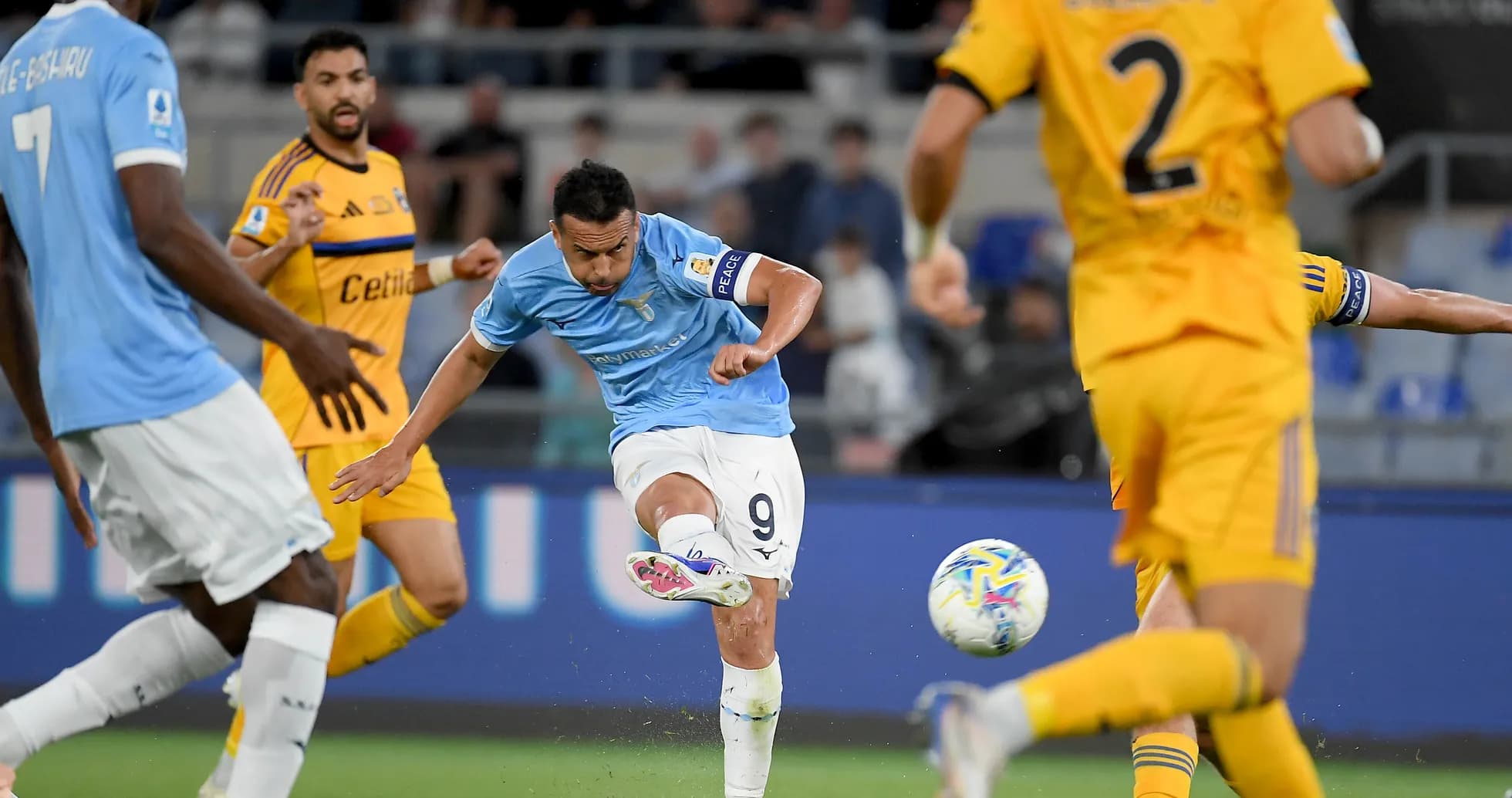
Lazio Edges Pisa 2–1 in Season Finale
The Stadio Olimpico’s season closed under floodlights and a familiar Roman hum, with Lazio edging Pisa 2–1 in a match that distilled an entire campaign into ninety tense minutes. Following this result, the table tells a neat story: Lazio in 9th on 54 points, Pisa bottom in 20th with 18, separated not only by 36 points but by the clarity of their footballing identities.
Lazio’s seasonal DNA has been that of a controlled, if sometimes brittle, possession side. Overall this campaign they scored 41 and conceded 40, a goal difference of 1 that reflects balance more than brilliance. At home they averaged 1.4 goals for and 1.3 against, turning the Olimpico into a venue of narrow margins rather than routs. Pisa, by contrast, lived on the edge and often fell off it: overall 26 scored, 71 conceded, a brutal goal difference of -45. On their travels they allowed 2.4 goals per game while scoring 0.9, a pattern that framed this finale as an exercise in damage limitation as much as survival.
I. The Big Picture – Shapes and Intent
Maurizio Sarri stayed loyal to the season’s template, rolling out the 4-3-3 that has started 36 of Lazio’s 38 league matches. A. Furlanetto in goal was shielded by a back four of A. Marusic, Mario Gila, A. Romagnoli and L. Pellegrini. In front of them, the midfield trio of F. Dele-Bashiru, T. Basic and R. Belahyane gave Lazio a vertical spine, while the front line of M. Cancellieri, T. Noslin and Pedro offered width and movement more than a traditional target.
Oscar Hiljemark matched that structure with a different philosophy. Pisa lined up in a 3-5-2, the formation they used in 21 league games, with A. Semper behind a trio of A. Calabresi, S. Canestrelli and R. Bozhinov. The five-man midfield of M. Leris, M. Aebischer, E. Akinsanmiro, I. Vural and S. Angori was less about flamboyance and more about survival, tasked with closing central lanes and forcing Lazio wide. Up front, S. Moreo and F. Stojilkovic were asked to counter in the rare moments Pisa could escape the press.
The scoreline – 2–1 at half-time and at full-time – mirrored Lazio’s season-long tendency to keep games tight, and Pisa’s habit of being competitive in moments but overwhelmed in phases.
II. Tactical Voids – Absences and Discipline
The absentees shaped the tone as much as the tactics. For Lazio, the list was long: I. Provedel’s shoulder injury kept their first-choice goalkeeper out, handing Furlanetto the gloves. E. Motta and M. Zaccagni were sidelined with thigh and knee injuries respectively, removing a key creative presence between the lines. N. Rovella’s suspension for a red card, plus bans for N. Tavares and K. Taylor due to yellow cards, stripped Sarri of rotation options in midfield and at full-back.
Pisa’s voids were no less significant. A. Caracciolo, their rugged defensive leader and one of Serie A’s most-booked players with 10 yellows, missed out through suspension. His absence removed a defender who had blocked 24 shots across the campaign and often embodied Pisa’s last-ditch resistance. Around him, F. Coppola, D. Denoon, M. Marin and M. Tramoni were all out with various injuries, while Lorran was omitted by coach’s decision. For a side already conceding heavily, losing Caracciolo and Marin left Hiljemark with a softer spine than he would have liked.
Disciplinary trends framed the risk profiles. Heading into this game, Lazio’s yellow cards peaked late: 25.64% between 76–90 minutes, while 55.56% of their reds also arrived in that closing quarter of normal time. Pisa mirrored that yellow-card surge in the 76–90 window with the same 25.64%, but their reds were front-loaded, with 60% coming before the interval (16–45 minutes). It meant this fixture was always likely to grow more fractured as fatigue set in, particularly as Lazio pushed to protect or extend a lead.
III. Key Matchups – Hunter vs Shield, Engine Room vs Enforcer
Without a clear league top scorer listed in the data, the “Hunter vs Shield” battle in this match was more structural than individual: Lazio’s collective attack versus Pisa’s porous away defence.
On their travels Pisa had conceded 45 goals in 19 matches, while Lazio at home had scored 27 in 19. The front three of Cancellieri, Noslin and Pedro were less about raw numbers and more about stretching Pisa’s back three horizontally. Cancellieri’s starting position wide right and Pedro’s from the left forced M. Leris and S. Angori into long defensive sprints, while Noslin’s central roaming dragged Canestrelli and Bozhinov into uncomfortable channels. Every diagonal ball from Basic or Belahyane into the half-spaces was an invitation to exploit that 2.4-goals-against-away average.
The true theatre, though, was in the engine room. For Lazio, Belahyane and Dele-Bashiru were tasked with knitting passes and carrying the ball through Pisa’s first press. Basic, stationed slightly deeper, acted as the metronome, recycling possession and screening counters.
Opposite them, Pisa’s midfield shield was anchored by M. Aebischer and E. Akinsanmiro. Aebischer’s season numbers underline his dual role: 1530 passes overall at 85% accuracy, 34 key passes and 65 tackles. He is both playmaker and firefighter, the man who must connect Pisa’s rare attacking sequences while also sliding across to plug gaps when Leris and Angori are forced back.
Flanking that central duel, I. Vural’s job was to step out and harry Basic, trying to break Lazio’s rhythm, while Akinsanmiro tracked Dele-Bashiru’s surges. Yet without Caracciolo behind them, every time Pisa’s midfield line was broken, the back three looked exposed.
IV. Statistical Prognosis – xG Without Numbers
Even without explicit xG figures, the season data allows a clear probabilistic reading of what this match represented.
Heading into this game, Lazio’s overall scoring average of 1.1 goals per match and conceding 1.1 suggested a baseline expectation of a one-goal margin either way. Pisa’s overall 0.7 goals for and 1.9 against tilted that equation heavily towards the hosts. Combine Lazio’s home average of 1.4 scored with Pisa’s 2.4 conceded away, and the statistical midpoint sits somewhere near two goals for Lazio. Pisa’s 0.9 away goals suggested they would likely need a perfect night of finishing to trouble the scoreboard.
Clean-sheet patterns reinforced the outlook. Lazio kept 6 clean sheets at home and 15 overall, while Pisa managed just 1 away clean sheet all season. With Sarri’s side comfortable in a 4-3-3 they have used in 36 league matches, and Pisa still cycling through systems (seven different formations across the campaign), the tactical stability was always on the home bench.
In the end, the 2–1 scoreline felt like the season in miniature. Lazio’s controlled aggression, their late-game disciplinary edge, and their ability to manage tight contests saw them over the line. Pisa, brave in flashes and anchored by honest workers like Aebischer and Canestrelli, were again undone by structural frailties and the absence of their most combative defender.
The Olimpico lights went out on a night that confirmed what the numbers had long been whispering: Lazio are a mid-table side with the foundations to build, Pisa a relegated team whose courage could not outrun their statistics.
Related News
Frosinone vs Como Prediction: Key Stats and Betting Tips

Fiorentina vs Napoli Prediction: Key Stats and Betting Tips
AS Roma vs Inter: Serie A Showdown on 19 September 2026

Inter’s Dominance in 5–3 Win Over Udinese

AS Roma vs Inter Prediction: Key Stats and Betting Tips
Lazio and AC Milan Battle to a 2–2 Draw: Early Serie A Insights