

Kansas City W vs Portland Thorns W: Playoff Implications at CPKC Stadium
Kansas City W host league leaders Portland Thorns W at CPKC Stadium in a Group Stage clash that carries clear playoff implications: Kansas City sit 6th with 15 points and a negative goal difference, needing home wins to consolidate a quarter-finals spot, while Portland arrive top on 23 points, looking to stretch the gap and strengthen their position for the NWSL Women Play Offs: Quarter-finals seeding.
Head-to-Head Tactical Summary
On 28 March 2026 at Providence Park, Portland Thorns W beat Kansas City W 2-0 (HT 0-0), underlining their ability to control a tight game and then find goals after the interval. On 24 August 2025, also at Providence Park, Kansas City W won 2-0 (HT 0-1), showing an effective away game plan built on an early lead and defensive solidity. On 15 March 2025 at CPKC Stadium, Kansas City W defeated Portland 3-1 (HT 3-0), using an explosive first half at home to decide the contest early. In 2024, Kansas City twice outscored Portland in high-event matches: a 4-1 away win at Providence Park on 23 June 2024 (HT 0-3) and a 5-4 home win at CPKC Stadium on 16 March 2024 (HT 3-1). The pattern across these five meetings is clear: Kansas City have repeatedly hurt Portland with fast starts and multi-goal bursts, while Portland’s most recent win in 2026 came from a more controlled, lower-scoring approach at home.
Global Season Picture
- League Phase Performance:
In the league phase, Kansas City W are 6th with 15 points from 10 matches (5 wins, 0 draws, 5 losses), scoring 14 goals and conceding 16. Their home record is perfect so far: 4 wins from 4, with 10 goals for and only 2 against. Portland Thorns W lead the table with 23 points from 11 games (7 wins, 2 draws, 2 losses), having scored 17 and conceded 9. Away from home, Portland have 3 wins, 1 draw and 2 losses, with 9 goals for and 9 against. - Season Metrics:
In the league phase, Kansas City’s profile is that of a home-strong but unbalanced side: 14 goals scored and 16 conceded across 10 games translate into a positive attacking output at home (2.5 goals per game) but a vulnerable away defense (2.3 goals conceded per away game). Their disciplinary profile shows concentration of yellow cards between minutes 31-45 (3 yellows, 37.50% of their total), pointing to pressure building before the break. Portland Thorns W show a more stable overall structure: 17 goals scored and only 9 conceded over 11 games, with an elite defensive record at home (0 goals conceded in 5 matches) and a more open profile away (1.5 goals conceded per away game). Their card distribution is more spread, but they pick up a significant share of yellows late (3 yellows between 76-90, 27.27%), suggesting increased defensive interventions as they protect leads. - Form Trajectory:
Kansas City W’s current league form string is "LWWWL". That sequence shows volatility but also a high ceiling: three consecutive wins are offset by defeats on either side, reinforcing the idea of a streaky team whose level swings sharply, particularly between home and away. Portland Thorns W’s form, "WDLWW", reflects a more consistent top-end performer: three wins in the last five, with just one loss and one draw, consistent with a side capable of managing different game states while maintaining points accumulation at the top of the table.
Tactical Efficiency
With no explicit Attack/Defense Index values provided in the comparison data, the best proxy comes from In the league phase goal profiles and clean-sheet patterns. Kansas City W’s attack is high-impact at home (10 goals in 4 home games; 2.5 per game) but drops significantly away (0.7 per game), indicating a system that relies on home momentum and perhaps more aggressive structures at CPKC Stadium. Defensively, conceding 16 in 10 overall (1.6 per game) with 14 of those away highlights a fragile back line once they lose territorial control.
Portland Thorns W, by contrast, show a more balanced efficiency: 17 goals in 11 (1.5 per game) combined with only 9 conceded (0.8 per game) and 7 clean sheets across 11 fixtures underline a compact, controlled defensive scheme. Their ability to keep 5 clean sheets at home and 2 away suggests that their defensive principles travel reasonably well, even if the away concession rate rises.
In tactical terms, Kansas City’s "home surge vs away fragility" profile contrasts with Portland’s "controlled attack, robust defense" structure. Any underlying Attack/Defense Index from a comparison model would almost certainly rate Portland’s defensive efficiency higher, aligning with their low goals-against and high clean-sheet count, while Kansas City’s index would be skewed by extreme home attacking peaks but weakened by overall concession volume and lack of draws (no game management into stalemates).
The Verdict: Seasonal Impact
This fixture is a pivot point for both sides’ trajectories. For Kansas City W, a home win against the league leaders would push them closer to the upper playoff seeds and validate CPKC Stadium as a genuine fortress, compensating for their poor away record and giving them margin for error on the road in the run-in. Dropped points at home, however, would tighten the pack around 6th place and increase the pressure to collect results away, where their statistical profile is weakest.
For Portland Thorns W, avoiding defeat preserves their leadership and keeps them on course for a strong quarter-finals seeding, with a win potentially opening a multi-point cushion that could be decisive later in 2026. A loss would compress the top of the table, invite pressure from chasing teams, and reinforce the narrative that they are more vulnerable away from Providence Park.
Strategically, this game functions as a stress test: if Kansas City can translate their historical home scoring bursts against Portland into another result, they strengthen their playoff security and dark-horse credentials. If Portland impose their current defensive standards and take points on the road, they not only consolidate the title race from the front but also send a clear signal that their 2026 version is more resilient away than previous iterations.
Related News
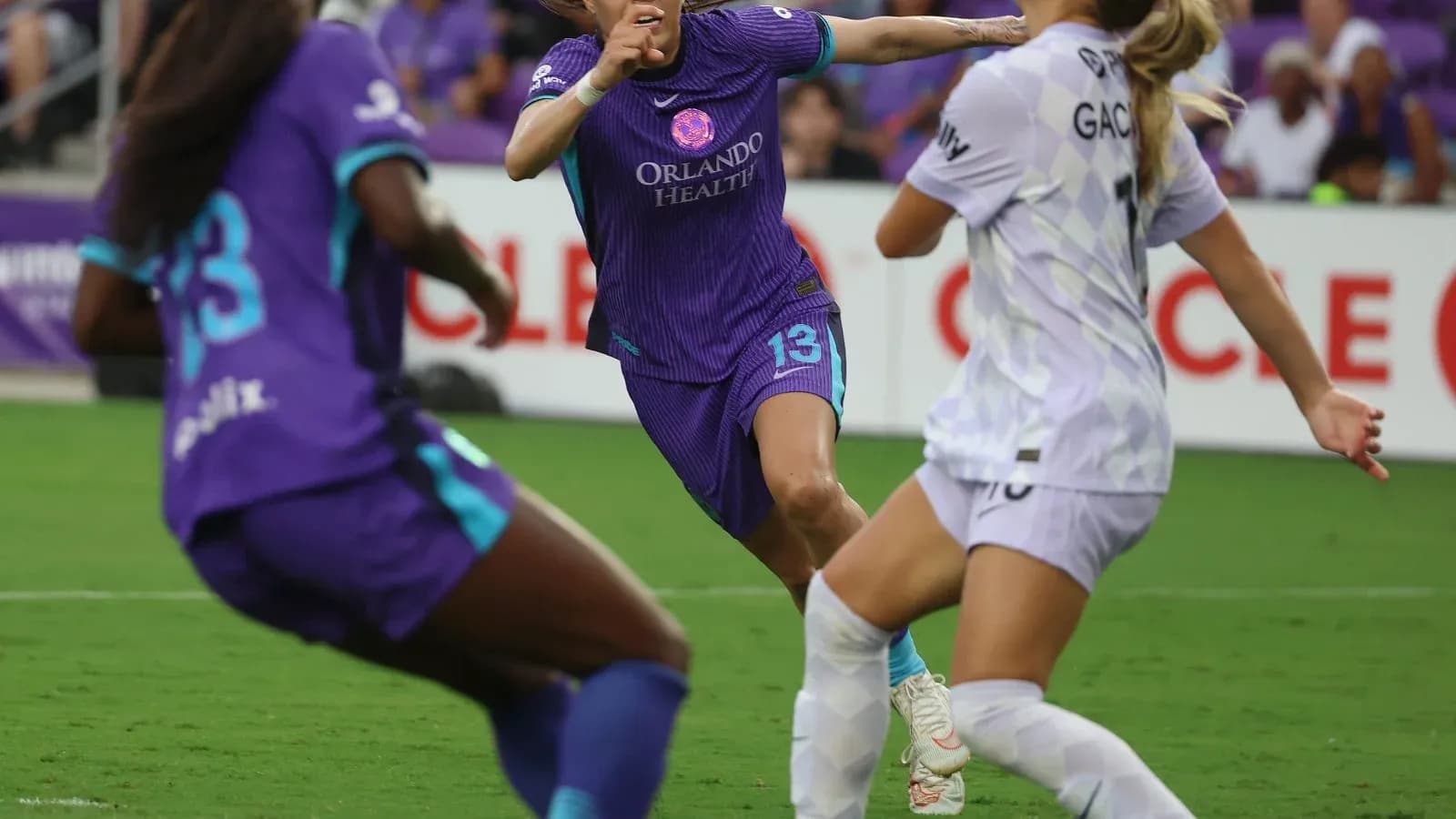
Orlando Pride W vs Portland Thorns W: Playoff Showdown
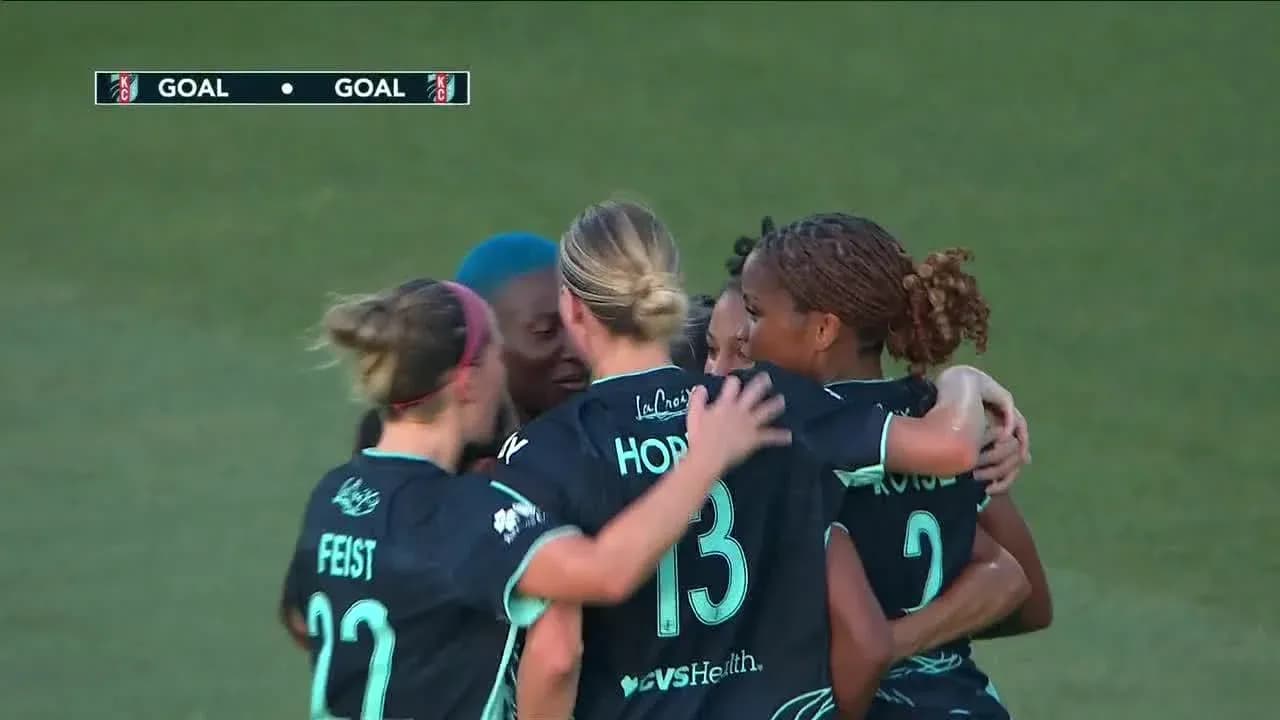
San Diego Wave W vs Kansas City W Predicted Lineups: Team News for NWSL Women
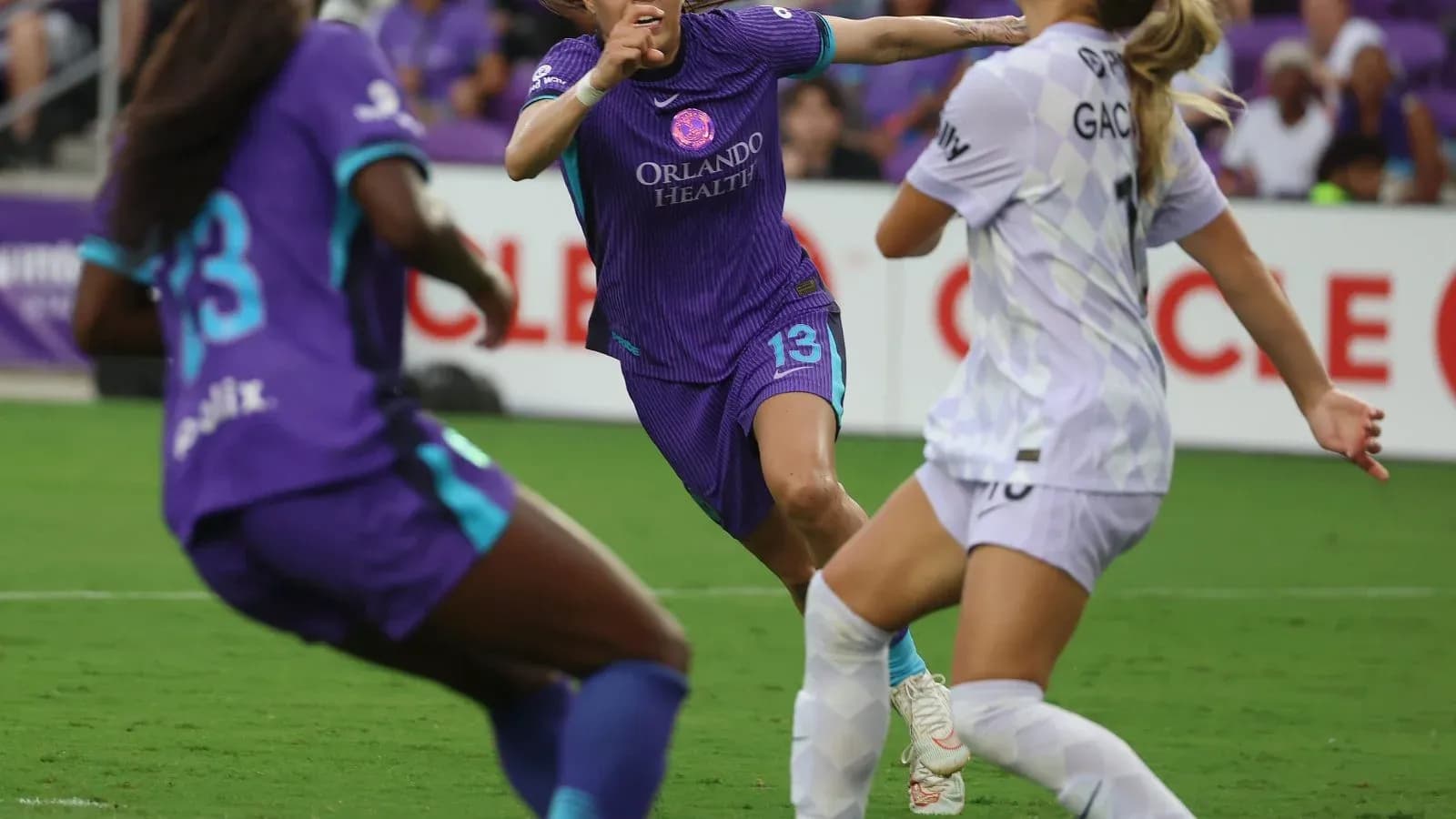
Orlando Pride W vs Portland Thorns W Prediction: Key Stats and Betting Tips
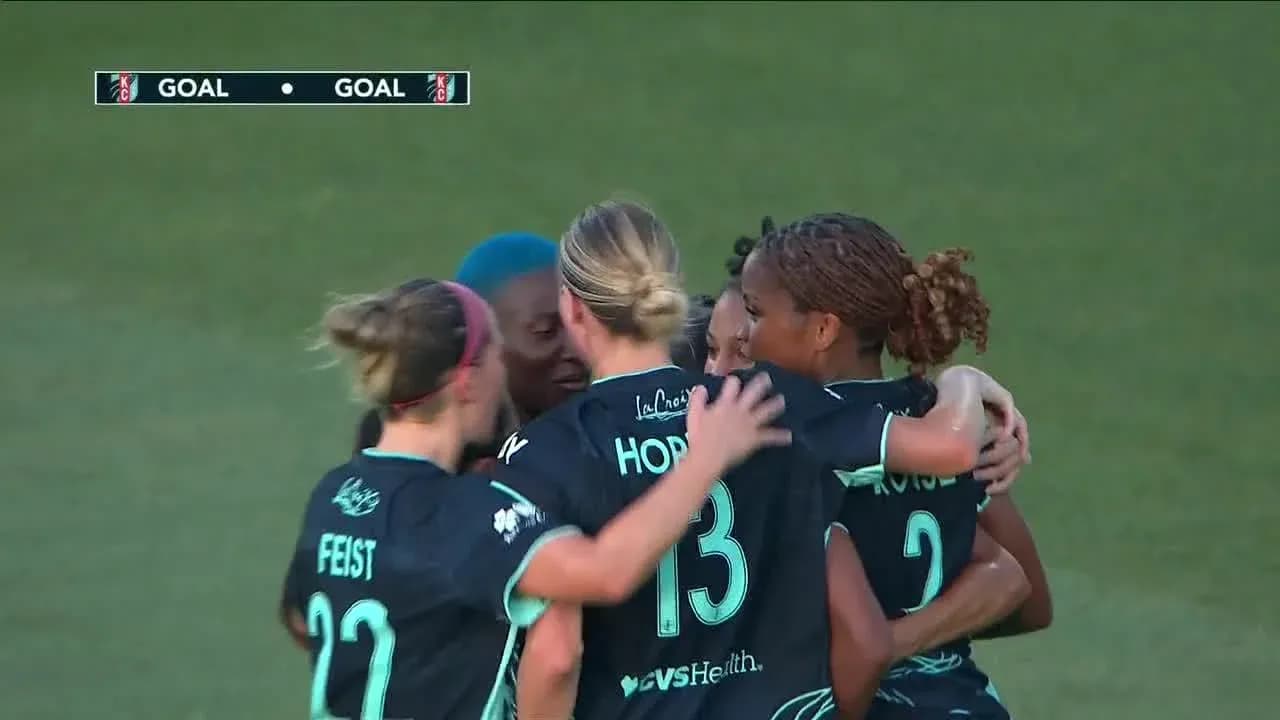
San Diego Wave W vs Kansas City W: Key NWSL Clash Preview

San Diego Wave W vs Kansas City W Prediction: Key Stats and Betting Tips
Portland Thorns and Chicago Red Stars Draw in NWSL Showdown