
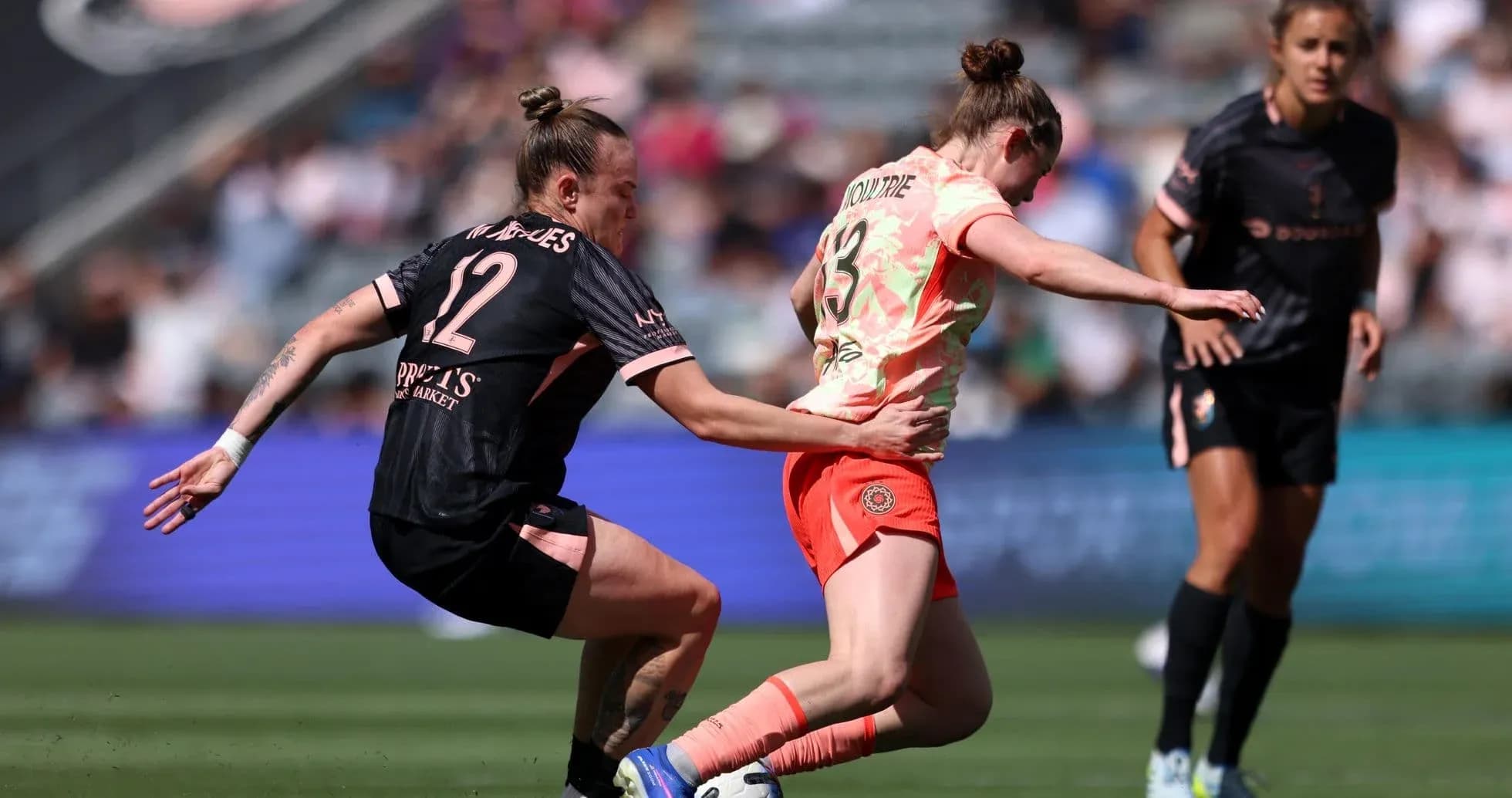
Portland Thorns and Utah Royals Draw 2-2: A Clash of NWSL Giants
Under the Providence Park floodlights, Portland Thorns W and Utah Royals W delivered a 2-2 draw that felt less like a group-stage formality and more like a statement about the balance of power in the NWSL Women. Following this result, the table still shows Utah in 2nd on 24 points and Portland in 3rd also on 24, but the paths they took into this fixture – and the way their squads were deployed – underline two very different footballing identities.
Portland arrived as the league’s most intimidating home side. Heading into this game they had played 6 at home, winning 4 and drawing 2, with 10 goals for and only 2 against at Providence Park. That defensive parsimony at home sat atop an overall goal difference of +6 (20 scored, 14 conceded in total across 13 matches). Utah, by contrast, brought a broader consistency: 12 matches in total, 7 wins, 3 draws, 2 losses, 18 goals scored and 10 conceded for a total goal difference of +8. On their travels they had played 7, winning 3, drawing 3 and losing just 1, scoring 10 and conceding 6. This was the league’s most balanced away unit stepping into the home of its most impregnable fortress.
Both coaches leaned into their core identity by naming mirrored 4-2-3-1 shapes. Robert Vilahamn’s Thorns lined up with M. Arnold in goal behind a back four of R. Reyes, I. Obaze, S. Hiatt and M. Vignola. In front of them, the double pivot of J. Fleming and C. Bogere was tasked with both screening and initiating attacks, freeing an attacking midfield trio of M. Muller, O. Moultrie and P. Tordin to orbit around lone forward S. Wilson.
Jimmy Coenraets answered with his own 4-2-3-1 for Utah. M. McGlynn stood in goal behind a defence of M. Moriya, K. Del Fava, K. Riehl and N. Rabano. N. Miura and A. Tejada Jimenez formed the holding pair, while C. Delzer, M. Tanaka and C. Lacasse supported central striker K. Palacios. On paper, it was a tactical mirror; in practice, it became a duel between Portland’s layered attacking talent and Utah’s disciplined, mobile block.
The absence list was empty, so this was close to full-strength on both sides. That made the disciplinary backdrop even more relevant. Portland’s season-long card profile shows a clear late-game spike: 25.00% of their yellow cards have arrived between 61-75 minutes and another 25.00% between 76-90. They also have a notable red-card history, with 50.00% of their reds in the first 15 minutes and 50.00% between 46-60. Utah’s yellow cards are heavily concentrated in the 46-60 and 61-75 windows, each accounting for 27.27%, and their only red card this season has come between 76-90. This was always likely to be a contest that frayed at the edges as legs tired and space opened.
Within that frame, certain individual profiles shaped the tactical voids and solutions. For Portland, O. Moultrie is the creative heartbeat. Heading into this game she had 5 goals and 4 assists in 11 appearances, with 24 key passes and a pass accuracy of 77. Operating nominally as an attacking midfielder, her ability to drop between the lines, receive under pressure and slip passes into the channels is the organizing principle of Vilahamn’s attack. Around her, P. Tordin – 3 goals, 4 assists, 21 key passes – offers a secondary creative lane, often pulling wide to combine with full-backs and open interior corridors.
The Thorns’ forward line is underpinned by relentless movement rather than sheer volume finishing. S. Wilson started here, but the shadow of R. Turner on the bench is significant: 4 goals in 12 appearances, 98 duels contested and 59 won, and a knack for arriving from midfield to finish moves. Turner’s profile gives Vilahamn an in-game vector: she can be introduced to transform the shape into a more aggressive, dual-threat front line, particularly once defences tire.
Defensively, Portland’s home record – only 2 goals conceded at Providence Park heading into this match – is built on structure and recovery rather than deep-block conservatism. R. Reyes, who has blocked 6 shots this season and added 11 interceptions, is emblematic of a back line that steps out rather than simply retreats. Behind them, Arnold is protected by a midfield shield in which C. Bogere is the enforcer: 35 tackles, 2 blocked shots, 12 interceptions, and a disciplinary line that includes both 2 yellow cards and a yellow-red. She is the player who turns broken play into transition – or, if mistimed, into risk.
Utah’s attacking threat is more explicitly channeled through its wide and half-space creators. C. Lacasse arrived in Portland with 4 goals and 3 assists, 24 key passes and a work rate that includes 26 tackles and 9 interceptions. She is both hunter and first defender, pressing from the front and then driving at back lines. Alongside her, M. Tanaka’s 4 assists and 14 shots (10 on target) mark her as the primary connector between midfield and attack, winning 47 of 119 duels and drawing 27 fouls. The Tanaka–Lacasse axis is Coenraets’ answer to Portland’s central artistry: rather than funnel everything through the middle, Utah bend the game into the channels and half-spaces.
The “Hunter vs Shield” duel in this fixture was therefore twofold. On one side, Moultrie and Tordin probing an away defence that, heading into the game, had conceded only 6 on their travels at an average of 0.9 per match. On the other, Lacasse and Tanaka targeting a Portland back line that, at home, had allowed just 2 goals at an average of 0.3. Utah’s overall defensive record – 10 conceded in total, averaging 0.8 per match – suggested a unit comfortable absorbing pressure, but Portland’s home attacking average of 1.7 goals per game demanded a higher line of concentration than usual.
In the engine room, the confrontation between J. Fleming and C. Bogere on one side and N. Miura with A. Tejada Jimenez on the other was decisive. Fleming’s passing range and Bogere’s ball-winning had to contend with Miura’s control and Tejada’s dual identity as defender and carrier. Tejada, who has 21 tackles, 2 blocked shots and 11 interceptions but also 4 yellow cards, walks the tightrope between aggression and overreach. Against a player like Moultrie, who draws fouls and manipulates tempo, that edge can either break up Portland’s rhythm or gift them set-piece platforms.
From a statistical prognosis perspective, both sides entered with near-identical attacking averages: 1.5 goals per match in total for each team. The difference lay in defensive solidity. Portland’s total goals-against average of 1.1 is skewed by their away record; at home they concede only 0.3 on average. Utah’s defensive profile is flatter: 0.8 conceded in total, 0.8 at home, 0.9 away. Layer in the clean-sheet data – Portland with 5 at home and 7 in total, Utah with 3 away and 5 in total – and you get the outline of a fixture where a narrow margin was always likely.
The 2-2 final score therefore reads as an attacking overperformance against two of the league’s more secure defences. Portland’s perfect home record in terms of wins gave way, but their attacking core again found ways to break a robust block. Utah, for their part, validated their away resilience by twice breaching the league’s most intimidating home rearguard.
If this is a preview of a future knockout meeting rather than a one-off group-stage clash, the lesson is clear: the team that better controls its disciplinary spikes in the final half-hour, and that finds a way to tilt the Moultrie–Tanaka creative duel in its favour, will own the marginal xG edge that decides elimination football. For now, the league table says parity; the squads, and this match, suggest a rivalry that is only just beginning to define the NWSL Women season.
Related News
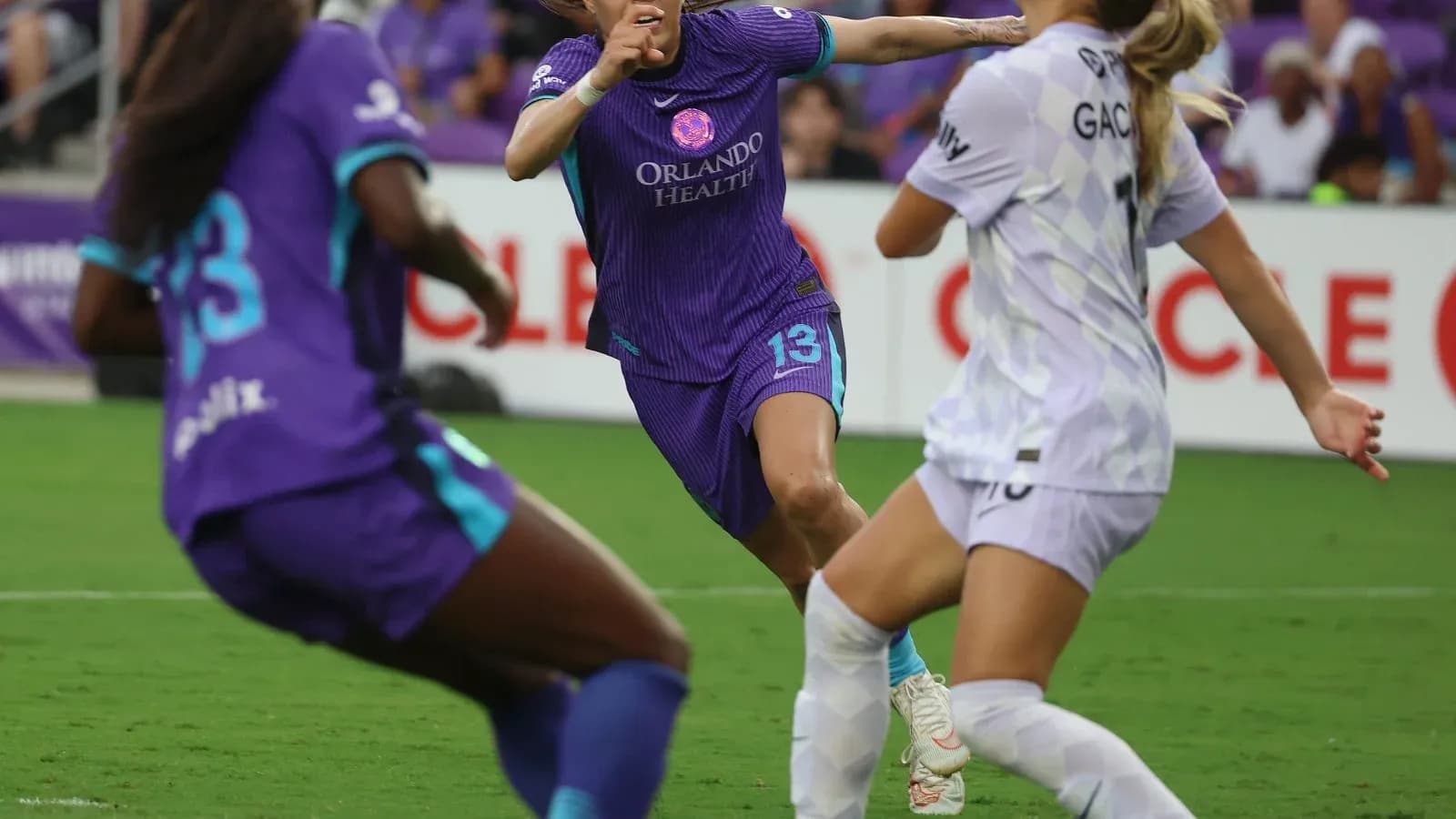
Orlando Pride W vs Portland Thorns W: Playoff Showdown

San Diego Wave W vs Kansas City W Predicted Lineups: Team News for NWSL Women
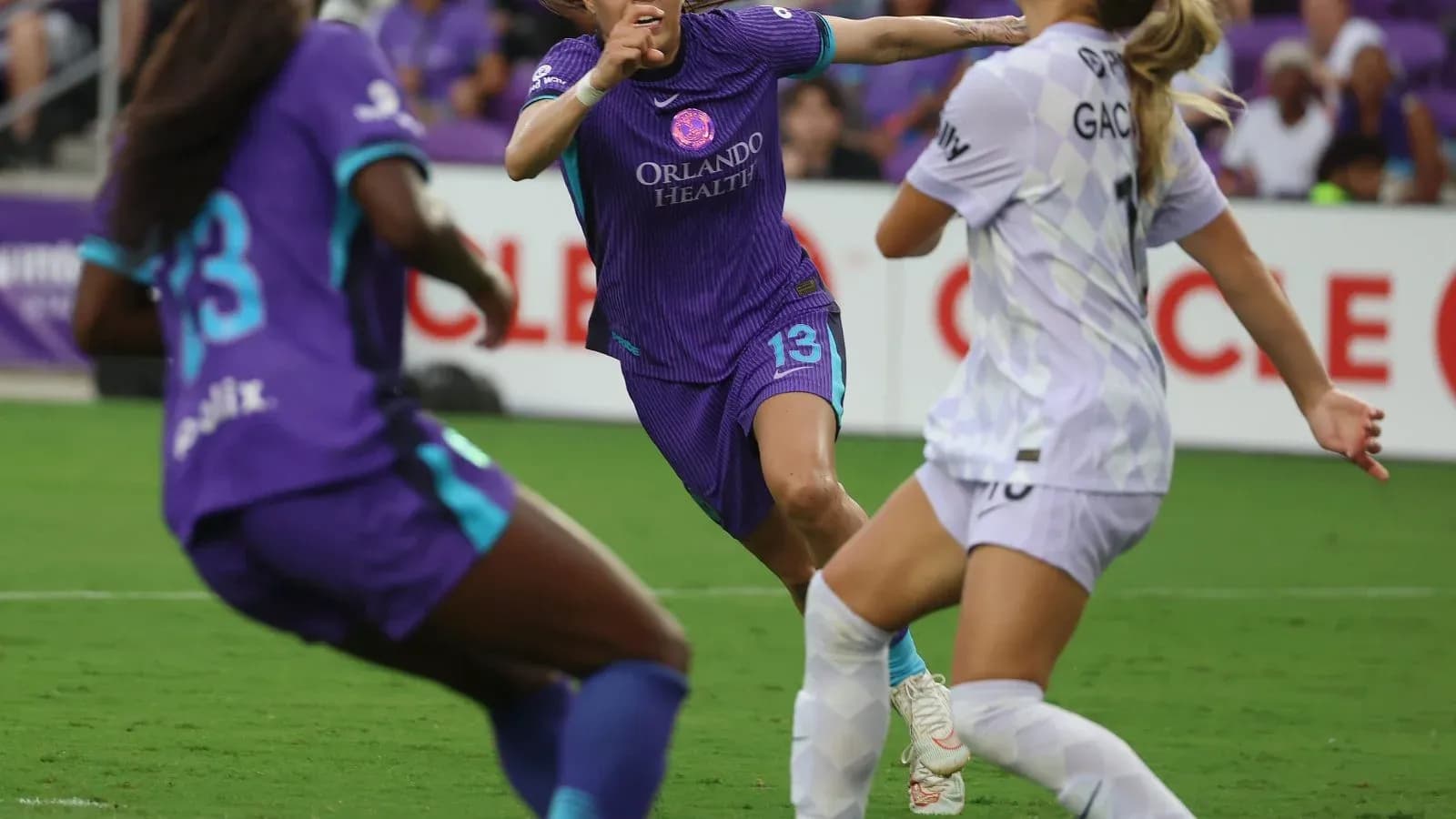
Orlando Pride W vs Portland Thorns W Prediction: Key Stats and Betting Tips

San Diego Wave W vs Kansas City W: Key NWSL Clash Preview
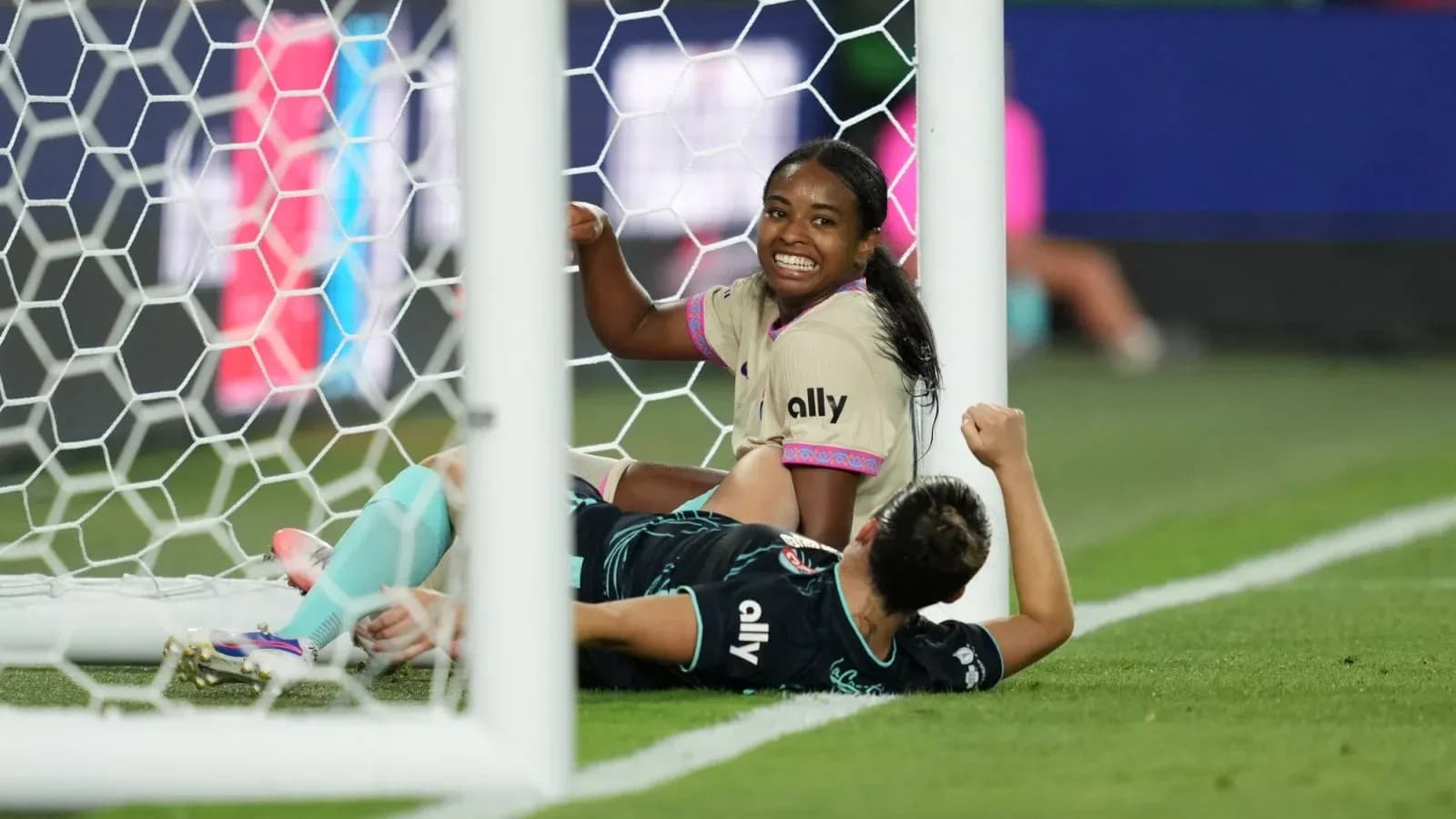
San Diego Wave W vs Kansas City W Prediction: Key Stats and Betting Tips
Portland Thorns and Chicago Red Stars Draw in NWSL Showdown