
International Break: Clubs Tackle Extended Pause
The season has barely found its rhythm and already the music has stopped.
The first international break is here – and this one stretches longer than anyone in the Premier League or Championship is used to. Three weeks without domestic football, not two. One elongated pause instead of the usual stop-start stutter across September and October.
On paper, it makes sense. The old model split four international fixtures across two windows. Now they’re crammed into one, condensing disruption into a single block. The domestic calendar, in theory, wins a week back.
But theory doesn’t lace up boots or sit in the dressing room. For players left behind, three weeks without competitive football is a chasm. For coaches, it’s a puzzle.
So how are clubs filling the void?
Brentford: a week off, then back to work in private
At Brentford, the training ground is quieter than usual. The modern Premier League reality applies here too: most of the first-team squad are away with their countries.
Around a dozen players remain, including Callum Wilson and Igor Thiago, plus five working their way back from injury. The Bees also have one of the longest pauses of all, having played Chelsea on the Friday night before the break.
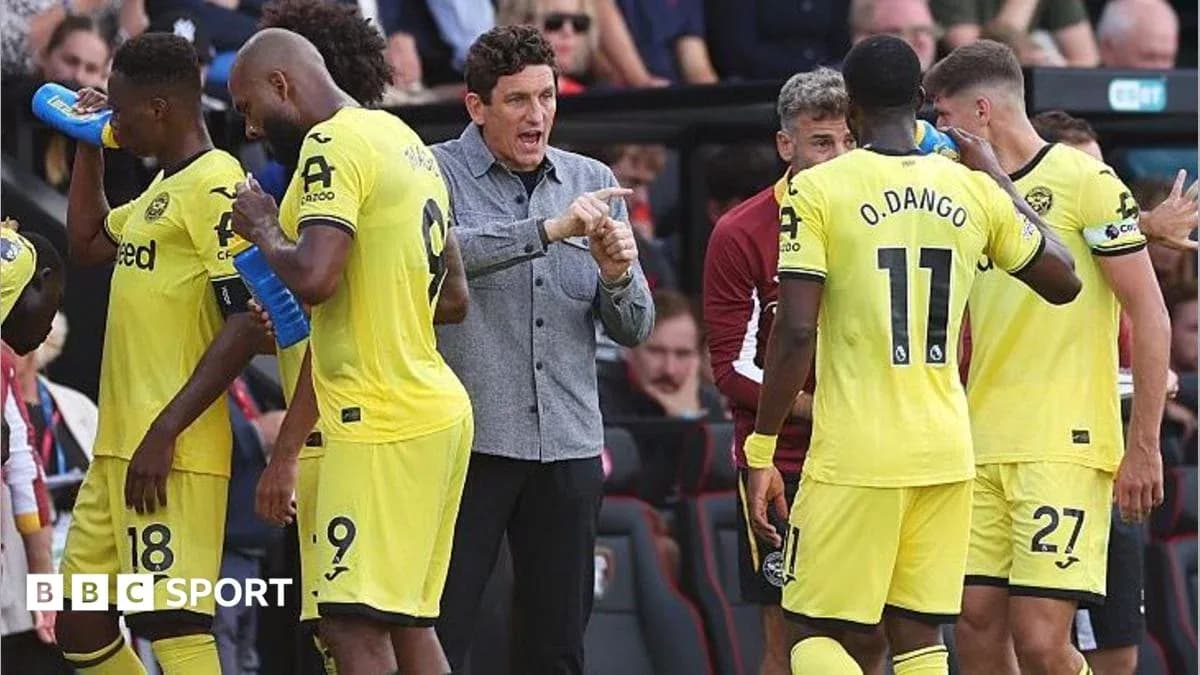
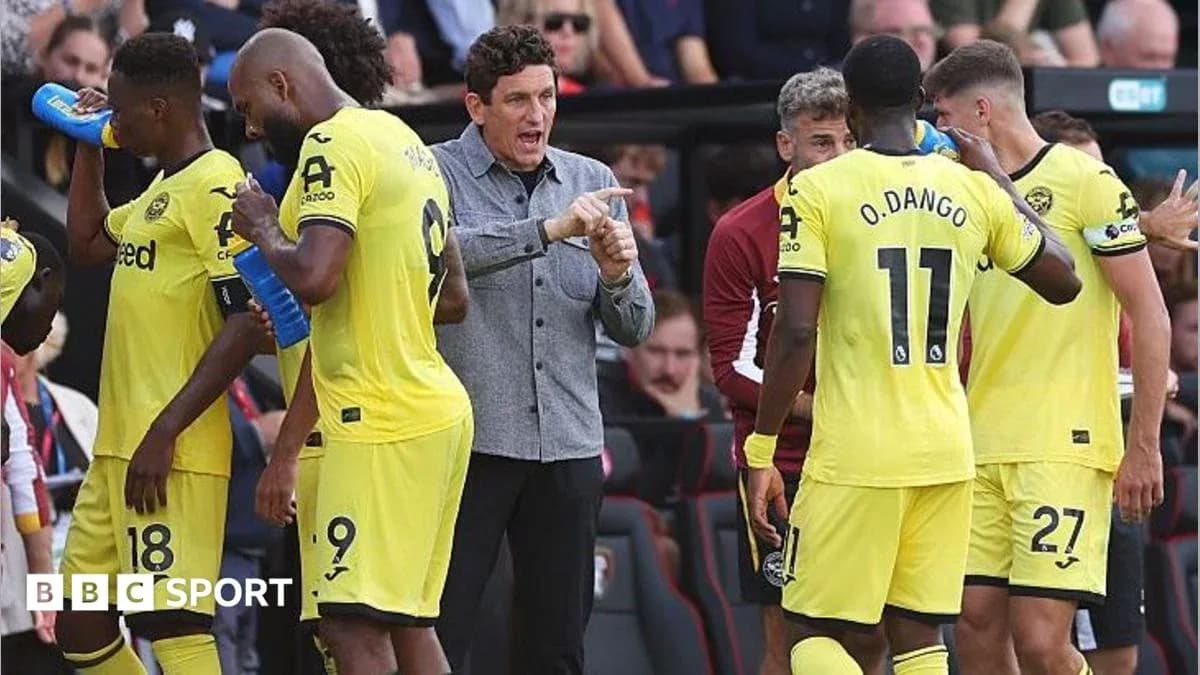
Keith Andrews has chosen a simple first move. A week off.
Players have been handed individual training programmes and the freedom to leave the country if they wish, though no one expects the club to smile on long-haul flights. Recovery and conditioning, not sightseeing.
They regroup on Saturday, 26 September. From there, the tempo rises again, building towards a behind-closed-doors friendly against another English club on the weekend of 3 October.
That game is more than a fitness exercise. It could mark a return to action for the likes of Nathan Collins and Sepp van den Berg, with under-21s filling out the rest of the squad. Minutes for the returning, exposure for the emerging.
The second international window will be a different beast. This time Brentford play Brighton on Sunday, 8 November, then Everton on Saturday, 21 November. No three-week void, no need for a bespoke schedule. A day off here and there, but otherwise a standard training rhythm and straight into preparation for the Toffees.
Liverpool: thin group, tight turnaround
At Liverpool, the pattern is familiar: a star-studded squad stripped back by international duty.
Andoni Iraola will keep the remaining group working, but with some breathing space built in. A few days off, then back to the grind.
The real challenge comes later. With so many players away, Iraola expects “no more than three days probably to prepare” for the home game against Manchester City on 11 October.
Three days to reassemble a squad, assess knocks, reset minds and plan for the champions. The calendar has given him a long break. It has not given him much time.
Aston Villa: Emery goes home
Aston Villa’s break has a very different flavour.
Unai Emery is heading back to Sevilla, the club where he built his reputation and lifted the Europa League three times in succession. This time, the trip carries a different weight.
Sevilla and Villa will meet in the 15th edition of the Antonio Puerta Trophy on Friday, 2 October. The match honours the memory of Antonio Puerta, the Sevilla wing-back who died on 28 August 2007 after suffering multiple cardiac arrests during a La Liga game against Getafe.
For Emery, it’s a return to a familiar stage. For Villa, it’s a rare chance to test themselves in a European-style occasion during an international window. For Sevilla, it remains a deeply emotional fixture.
While many Premier League clubs are stripped to the bare bones by call-ups, Villa will still be able to field a competitive side and keep their match sharpness alive in a setting that means far more than a routine friendly.
Blackburn Rovers: a reset and a rebuild
Drop down a division and the picture shifts.
In the Championship, squads are not gutted to the same extent by international duty. Many clubs lose only a handful of players. Blackburn Rovers are one of them, with just four call-ups.
For Tony Mowbray, that’s not a problem. It’s an opportunity.
Rovers have been hammered by injuries in the opening weeks of the season, with more than 10 players ruled out at one stage. The break offers breathing space, a chance to bring bodies back and calm the chaos.
Gady Beyuku and Moussa Baradji have already made their returns. Scott Wharton is edging closer. The medical room, for once, has time on its side.
After the trip to Portsmouth on Saturday, the squad headed back to Lancashire. A few days on the training ground will follow, a welcome contrast to the relentless churn of league fixtures and Carabao Cup ties that have defined the start of the campaign.
For Mowbray, who only returned to the club in the summer, this is also precious coaching time. Sessions without the looming shadow of a midweek game. Time to refine ideas, not just recover.
But it won’t be a three-week slog of drills and double sessions. Mowbray plans to give his players a few days off at the end of the week. Those like Yuri Ribeiro will be able to fly home to Portugal if they wish.
Then the cycle resets. Training in the first half of the following week, a short break over the weekend, and then, in week three, back into the familiar pre-match routine ahead of the home game against Cardiff.
Mowbray is also working on arranging a behind-closed-doors friendly against a Premier League or League One side. That game would top up fitness for those coming back from injury and keep the rest of the squad sharp.
When the shorter, two-week break arrives in November, Rovers’ approach will tweak again. Players could still get a brief spell off, but practice matches are likely to be in-house, mixing senior and under-21 players rather than seeking external opposition.
League One: playing through the gaps
League One lives in a different reality altogether.
The division keeps going through international windows unless a club has three call-ups that meet the EFL criteria, at which point it can ask for a postponement.
The result this time? Only four of the 12 scheduled matches have survived on each of the two affected weekends. Most clubs have enough internationals to pull the plug, but not enough to empty the dressing room completely.
Many saw this coming and moved early. A number of sides scheduled Football League Trophy fixtures during these three weeks, ensuring they would still have competitive football even if league games fell away.
That competition usually prompts rotation anyway, so those ties can continue even when squads are stretched. Twelve teams will play two Trophy matches across the break, with 10 clubs playing once.
That left just Leyton Orient and Reading staring at the prospect of an empty calendar. Both have only had one league match called off, so neither will go three weeks without a game. A narrow escape from a complete standstill.
Three weeks without domestic football can feel like an eternity for supporters. Inside clubs, it’s something else entirely: a tactical workshop, a medical window, a mental breather, or a scheduling headache, depending on where you look.
When the league resumes, we’ll see who treated the pause as a problem – and who turned it into an edge.
Related News
Wales Faces Portugal in Nations League A: Tactical Dilemmas Ahead
International Break: Clubs Tackle Extended Pause
Jordan Graham in Hospital After Serious Road Traffic Accident
Manchester United's Troubling Start: Carrick vs Amorim
Wales Faces Portugal in Nations League Opener
Premier League and Championship: Navigating a Three-Week Break