

City's Title Win: A Cultural Reset in the WSL
City’s title win last season was no fairy tale. It was a reset.
For years, this squad had been the smart outsider’s pick to finally knock Chelsea off their perch, a team with the talent to win the WSL but not the edge to actually finish the job. They stumbled late, they imploded early, they found new and inventive ways to fall short.
Jonas Jeglertz changed that.
A mindset rebuilt
Alex Greenwood called it a “shift in culture”. Not a buzzword, a reality. The way players spoke about pressure, trophies, expectations – even “the language used”, as she put it – was stripped back and rebuilt.
“It’s a little bit uncomfortable sometimes,” Greenwood admitted, “but crossing that hurdle and being able to do that has shifted so many mindsets in this building.”
The result? City didn’t just finally win the WSL. They ended a four-year wait for silverware and made it feel sustainable, not like a one-off.
Mary Fowler felt the difference as clearly as anyone.
“In previous seasons, maybe we fell short because there was a bit of a lack in the mindset where we felt we were really capable of winning,” she told GOAL. “But I think now that we've done it, it feels like, 'You are very capable and you can do that again'.”
That’s the key. Not relief. Not “at last, we’ve done it”. A conviction that this can be repeated.
Hunger, not satisfaction
Jeglertz walked back into the building after a short summer break and found a group that hadn’t exhaled. They’d sharpened.
“I've seen it already in the players,” he told GOAL. “They already have a confidence that is great, that is calm, but curious about how we take the next step. What do we do to become a little bit better? I already see it and that's something that we need to keep having the whole year.”
There’s no sense that last season’s trophies have given anyone licence to coast. If anything, they’ve raised the bar internally. Curiosity mixed with steel.
And City have doubled down on that winning environment by adding players who know exactly what sustained success feels like.
Proven winners walk in
Niamh Charles arrives from a Chelsea side that became a domestic machine. Five straight WSL titles, seven more domestic cups in six years – a career built inside a dynasty.
“That means that she has a little bit of a leader in her,” Jeglertz believes. “That is something that we are going to be able to use also in sessions and in how you win from one year to the next year.”
Beth Mead brings another layer of that pedigree. Back-to-back European Championship titles with England. A starring role in an Arsenal team that toppled Barcelona in the 2025 Champions League final.
“You can see in her eyes, she's still very eager to be part of this and to learn more,” Jeglertz noted. A player who has won almost everything, still chasing the next lesson.
Culturally, mentally, emotionally, City look ready to defend their crown. The intangibles are in place. The question now is blunt: is the squad deep enough?
A title defence with extra weight
Last season, there was one giant asterisk hanging over City’s title win: no Champions League football. While Chelsea, Arsenal and Manchester United juggled Europe, City focused on domestic business.
That changes now. The Champions League is back on the calendar, and the load on this group grows.
The summer business has been targeted rather than dramatic. Beyond Mead and Charles, only Carlotta Wamser has come in, a full-back who can cover both sides and offer depth after Leila Ouahabi’s departure. Nine first-team players have gone the other way.
This was never going to be an overhaul, but on paper the squad has not been bolstered in the way some expected for a team stepping back into Europe.
“The depth is there,” sporting director Nils O’Neill said at the end of last season. “It’s not about a squad transformation. It’s about adding in the key positions we need.”
The early injury list is already challenging that stance. The most brutal blow is Vivianne Miedema. The Guardian understands she may not return until 2027, a timeline that rips a world-class forward out of City’s plans for the long term. The club tried to act late in the window, pushing for a deadline-day addition, but no deal crossed the line. The concern is real.
City have at least addressed specific gaps: left-back, with Charles and Wamser, and the forward line, with Mead arriving after Kerolin’s move to Barcelona. Beyond that, Jeglertz is betting on internal growth.
The internal gamble
Risa Shimizu is back from her loan at Liverpool and will be asked to plug gaps at full-back. Sydney Lohmann and Grace Clinton are under the spotlight, too. Both arrived last summer with big expectations and never quite caught fire – niggling injuries, inconsistent rhythm, chances not fully seized.
Now, they’re earmarked for bigger seasons. They have to be.
Fowler, meanwhile, is a genuine wildcard. This will be her first full campaign back after an ACL injury, having shown glimpses of her talent from February onwards. If those flashes turn into full performances, City’s attack gains a new dimension.
There is flexibility across the front line. Mead, Fowler, Lauren Hemp, Aoba Fujino and Iman Beney can all operate in multiple roles, several of them capable of leading the line. That versatility softens the need to sign an orthodox striker just to sit behind Khadija Shaw all year.
Behind them, the academy is stirring. Sacha Lewis, Amelia Oldroyd and Aoibhe Brennan have all signed their first professional contracts this summer. Mayzee Davies, already a senior Wales international and tied down last year, is another who could slide into the rotation and quietly solve depth issues.
At the top end, the core remains intact. Shaw, Greenwood, Hemp, Kerstin Casparij, Jade Rose and Yui Hasegawa anchor a starting XI that can still go toe-to-toe with anyone in the WSL. When Miedema does finally return, it will only sharpen that edge.
Fine margins, real risks
Will all of that be enough? That’s where the doubt creeps in.
City enjoyed an almost spotless injury record last season, a rarity in modern football and a sharp contrast to previous years. Repeating that while adding Champions League travel and intensity is a huge ask.
“We’ve learned and we will absolutely be ready next season,” O’Neill insisted.
Jeglertz, for his part, thought the squad was actually too big last year. From his perspective, the expanded schedule is a blessing, not a burden.
“We have too many good players to play these few games we are playing,” he said back in May. “Next year will be different because it's more games. The squad is built for that.”
Even so, certain positions feel one injury away from a problem. If knocks pile up in the wrong areas, or if those players earmarked for “bigger seasons” – Lohmann, who has since undergone hip surgery, or Clinton – don’t hit their stride, the balance could tip quickly. Starting a campaign with several players already doubts, and Miedema guaranteed to be sidelined, is not the ideal platform for a title defence plus a European run.
Yet when you scan the rest of the league, the picture evens out. Other WSL contenders might boast more sheer numbers, but many are still wrestling with questions City have already answered: culture, cohesion, clarity on the pitch.
A Chelsea-style dynasty in this new, deeper WSL? That’s a stretch for anyone. The league is too strong, the margins too fine. But City’s capacity to challenge for – and lift – major trophies remains intact.
Last season, they were the best team in England by a distance. Now they carry something even more dangerous than talent: proof. The wait for a WSL title is over. The real test is whether this group can turn one breakthrough into an era.
Related News
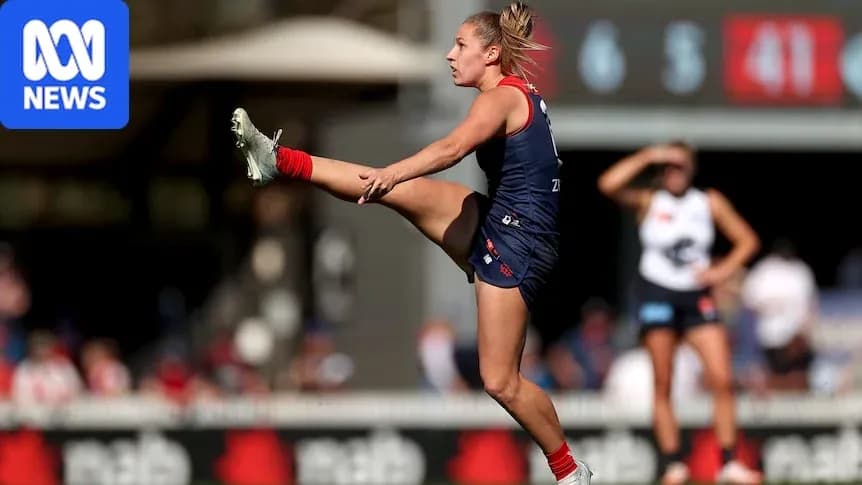
Melbourne Demons Stay Unbeaten with 6-0 Record Despite Gall Injury
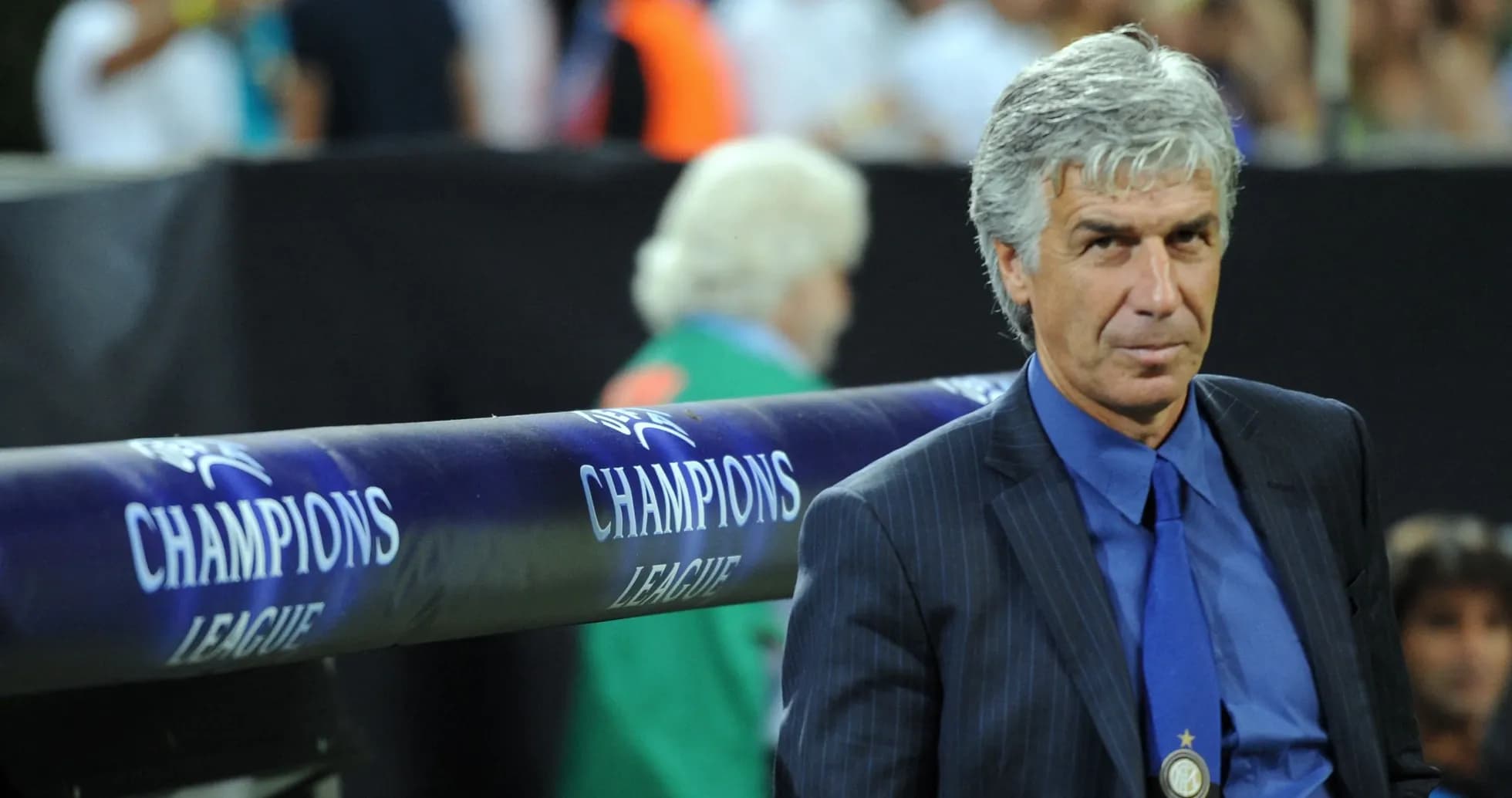
Roma Aims to Overcome Inter's Dominance as Gasperini Faces Personal Challenge

Nottingham Forest vs Coventry City: Key Match Insights

Arsenal's Strong Defense Faces Brighton's High-Volume Attack

Violence Erupts in Division 3 Football Match at Sunnynook Park
Portsmouth vs Blackburn Rovers: Early Season Clash for Momentum