
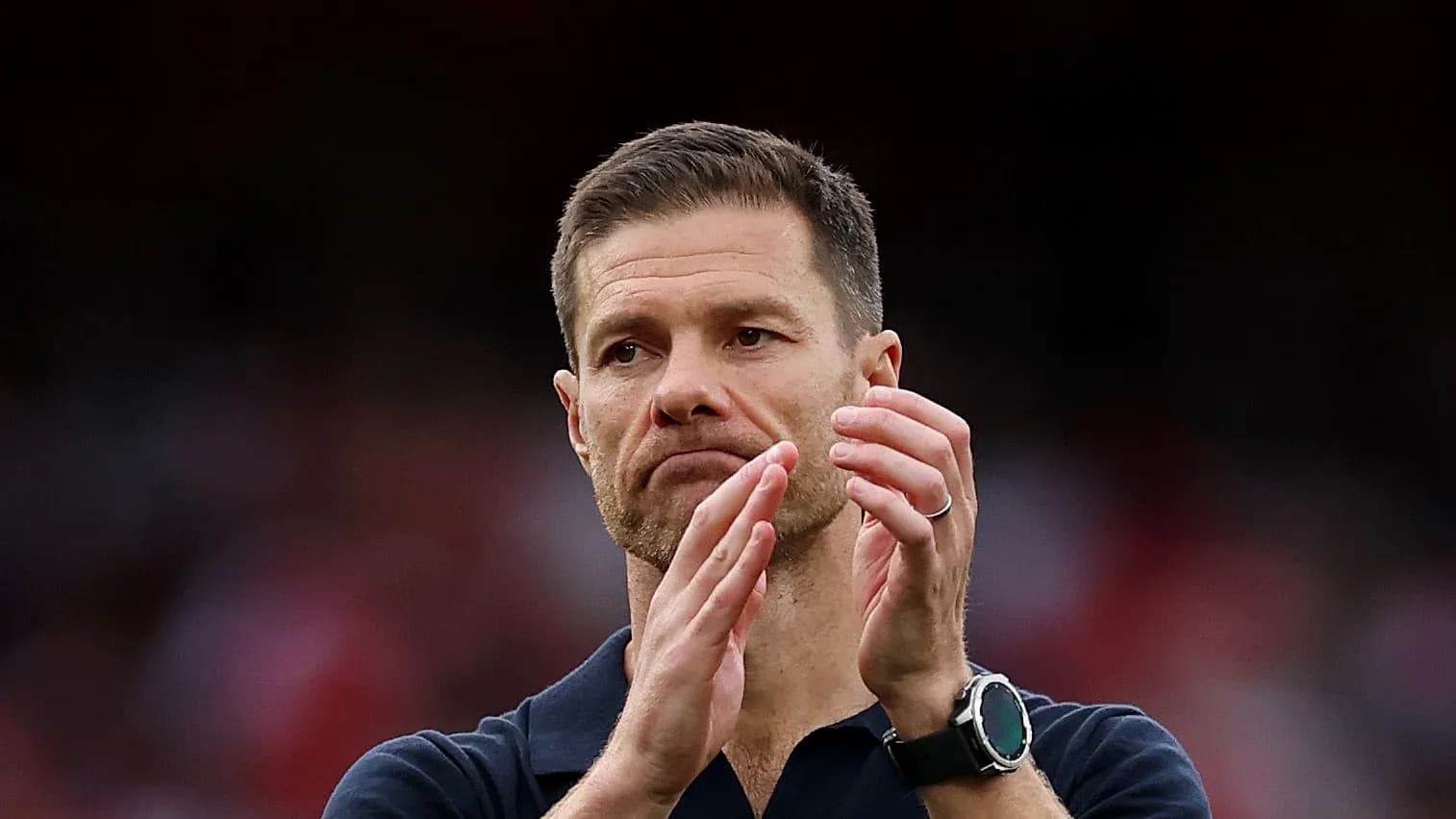
Chelsea’s Midfield Dilemma: Two Right-Backs in Central Roles
Chelsea walked out of the Emirates with a 2-1 defeat and a familiar feeling: Arsenal still set the pace in London, and Chelsea are still scrambling to keep up. But the scoreline told only part of the story. The real headline sat in the middle of the pitch.
By the end, Chelsea had Reece James and Malo Gusto – two players who came through as right-backs – patrolling central midfield together. For a club that spent £349m in the summer, it was a jarring snapshot of where the project stands.
James vs Odegaard – and the moment that decided it
Xabi Alonso had rolled the dice before kick-off. Reece James, praised publicly by his manager and talked up as a potential “one of the best midfielders in the world” according to BBC Sport, was handed the job of tracking Martin Odegaard.
For long spells, James coped. He looked largely comfortable in a role he had already sampled for almost half of last season. He pressed, he covered ground, he used the ball sensibly. The experiment did not collapse on every front.
But the decisive moment went Arsenal’s way. When Odegaard found the space he needed to strike the winner, James could not shut him down. The Norwegian punished the lapse, and the champions turned the screw.
The bigger issue, though, was what James’s deployment represented. When Alonso turned to his bench in the second half, he sent on Gusto, not Romeo Lavia. Two right-backs in midfield. No specialist solution trusted enough in a game of this magnitude.
Arteta’s bench bites, Chelsea’s comes up short
The contrast with Arsenal was stark. Where Chelsea saw the game stretch away from them, Mikel Arteta saw opportunity.
He had options that could tilt the rhythm of the contest. He used them. Fresh legs, new angles, different threats. Arsenal’s changes helped them wrest control and then finish the job.
Chelsea, by comparison, looked thin on ideas behind their starting midfield. The structure held for periods, the defensive shape was compact in numbers, but the creative spark from the bench never really arrived.
Ashley Young, speaking to BBC Sport, cut to the core of it. Chelsea, without European football, have fewer fixtures and more time to prepare. Yet they still finished a statement game against the reigning champions with two right-backs in the centre of the pitch.
He pointed to Lavia’s injury-hit previous season and the imbalance it exposes. The front line, he said, will frighten plenty of teams. Behind it, though, the picture is very different, with two full-backs repurposed in midfield.
Opponents will have watched this. They will have seen a Chelsea side that crowds bodies behind the ball but still leaves pockets between the lines. Arsenal found those gaps. Others will try to do the same.
Chelsea also continue to lean on the counter-attack. Young highlighted that across the 90 minutes there was really only one clear break of note, a surge from Pedro Neto on the right. One moment, one opening. Against a side like Arsenal, it was nowhere near enough.
Caicedo’s absence and a plan under strain
Strip it all back and one problem towers over the rest: Moises Caicedo is missing.
The Ecuadorian midfielder, so durable over the past three seasons, has suddenly become the great unknown. He picked up an injury after just 11 minutes off the bench against Brighton. Since then, silence. No official description of the problem. No timeline for a return.
For Alonso, it is uncharted territory. Caicedo has only missed two games in three seasons through a minor injury and illness. Now his absence has forced Chelsea into awkward solutions.
Asked about the situation, Alonso insisted this was not a long-term blow but a question of risk. He admitted Chelsea may have rushed Caicedo back too quickly last week and made it clear he does not want to repeat that mistake.
Whether that setback pushed Chelsea into a late scramble for another midfielder on deadline day remains unanswered. What is clear is that they tried.
Deals chased, deals lost
Chelsea went hunting for reinforcements in the final hours of the window. They came up empty.
A £47m move for Lamine Camara collapsed at the last moment when Monaco pulled the plug, leaving frustration in the corridors at Stamford Bridge. Earlier in the summer, Bournemouth rejected offers rising to £64m for Alex Scott.
The pursuit of Manu Kone also stalled, with Roma manager Gian Piero Gasperini blocking the Frenchman’s exit and killing that avenue.
Inside the club, the line is that the Camara chase was opportunistic, not a sign of panic. Chelsea have briefed that they are happy with their overall summer business and confident in the group they have assembled.
Yet the picture on the pitch, especially in games like this, tells a harsher story.
Enzo out, questions in
The decision to sell Enzo Fernandez to Manchester City for £125m on deadline day sharpened the focus. Chelsea let a record-fee midfielder go and did not bring in a direct replacement.
It was a bold financial and sporting call. Right now, it hangs over them.
Caicedo is on the treatment table. Jordan Henderson, still recovering from a broken arm suffered when he fell into an advertising board while on World Cup duty with England, is unavailable. Valentin Barco, signed from Strasbourg and a natural midfielder, has yet to feature, with Alonso preferring Gusto in all three Premier League matches.
The Brighton game laid bare the consequences. With Gusto in midfield, Chelsea had just 25.6% possession in a wild 4-3 win – their lowest share of the ball since such data started being tracked in 2003-04. They escaped with the points, but the statistic was historic, and not in a way that flatters them.
If everyone is fit, Alonso can point to numbers: Caicedo, Henderson, Lavia, Barco, plus the full-backs who can step inside. Without European fixtures, the calendar is forgiving. The manager said as much before facing Arsenal, insisting he had enough bodies in the middle of the park.
Sunday night suggested that numbers alone do not equal balance.
Attack shines, defence creaks
Amid the concern, Chelsea’s attack continues to offer a different narrative.
Morgan Rogers has started his Chelsea career at full tilt. He scored again inside two minutes at the Emirates, maintaining a remarkable streak: he is the first Chelsea player to score or assist in each of the club’s first three league games of a season since Eden Hazard in 2018-19.
Cole Palmer looks to be rediscovering his sharpness. Joao Pedro is delivering in front of goal. Across three league matches, Chelsea have shown they can hurt teams.
But they have also conceded seven times in those same three fixtures. Alonso has been blunt about it: his side must become more cohesive and more solid without the ball.
Against Arsenal, there were long stretches where Chelsea looked organised, aggressive, and brave. In the context of a run that now stands at 10 games without a win over their London rivals, this was one of their better displays. The gap, though, is still there.
Chelsea finished last season 10th, 33 points behind Arsenal. That chasm does not close overnight, or with one expensive window.
Alonso’s verdict after the match reflected that reality. “We came to win. We knew we were not far off them in terms of level, but the match went their way, it is painful, and we certainly feel disappointed, but this is the first defeat, the journey is still long, and it will not greatly affect our morale or our mentality.”
Arsenal set the bar, January looms
Arsenal remain the reference point. Chelsea may have beaten them to the signing of Rogers, but on the pitch, the champions still represent the standard for anyone with ambitions of ruling London and chasing the Premier League title.
Sunday underlined a simple truth: spending big has not solved everything. Ten first-team signings have freshened the squad, yet the failure to land a midfielder on the final day has left a visible gap in Alonso’s blueprint.
The head coach has described this summer as “the first stage” of his project. The next phase will not be defined by another headline signing, but by how this squad copes with its most obvious flaw.
If Caicedo’s return stabilises the centre of the pitch, Chelsea can breathe and build. If it does not, the club will walk into January facing the same question that echoed around the Emirates as the final whistle blew: how long can a team with this much talent afford to gamble on a midfield built on improvisation?
Related News
Hansi Flick Confirms Joan Garcia's Absence for Sevilla Match
Xavi's Oranje Revolution: Memphis Depay and Veterans Omitted

Tuchel’s England Reset: Cole Palmer and Trent Alexander-Arnold's Bold Returns
Bournemouth's Resilience Amidst Liverpool Challenge
Spain's Squad Changes for UEFA Nations League: Key Updates

Barcelona lose Joan Garcia for Sevilla trip as Iker Rodriguez steps up