

Chelsea's Attack Thrills but Defense Woes Persist
Xabi Alonso’s Chelsea are already developing a reputation. They will score. They will entertain. They will drag you into a game you didn’t plan for.
Stopping them? That’s one problem. Trusting them to keep you safe at the other end is another.
Chelsea’s 2-2 draw with Hull underlined the contradiction at the heart of Alonso’s early work at Stamford Bridge. His side have now found the net in every game this season, yet this was the 20th consecutive Premier League match in which their defence was breached. Title challengers don’t live like that for long.
The attack is box office. JP Morgan, once again, was at the centre of everything Chelsea did going forward, a constant threat in a team that rarely looks short of ideas in the final third. You can see what Alonso is building with the ball. The patterns. The rotations. The confidence.
Without it, the picture changes.
Hull’s 1.32 expected goals told its own story. They were not slicing Chelsea apart with intricate moves or outrageous invention. They were simply being handed opportunities. Loose positioning. Poor concentration. Basics ignored. Chances served up on a plate in a stadium that used to suffocate visiting forwards.
Emi Martinez was supposed to be the answer, the World Cup winner and multiple Yashin Trophy winner brought in as a statement that Chelsea were serious about tightening up. But even the best goalkeeper in the world looks ordinary when the players in front of him switch off. On this evidence, Martinez could have been Robert Sanchez and the outcome would not have shifted much.
The worry for Alonso is that this isn’t a quirk of his brief reign. This fragility predates him. He has inherited a habit and, so far, not broken it.
He knows what the other side looks like. Under Jose Mourinho, Alonso played in a team that treated clean sheets like currency. Those Chelsea sides strangled games, turned 1-0 into an art form, and built trophies on defensive certainty.
Right now, his Chelsea feel like the opposite: a team you’d pay to watch, but not one you’d trust to see out a lead in late April with something on the line.
The potential in attack is obvious, and genuinely exciting. But if Alonso wants this project to move beyond being “fun” and into something far more serious, he will have to lean on those Mourinho lessons and turn this side into a group that hates conceding as much as it loves scoring.
Until that happens, Chelsea will keep walking the tightrope. And everyone knows how that story usually ends.
Iraola hits his first Liverpool snag
The European anthem had barely faded from Anfield’s memory when the real examination arrived.
On Wednesday, Andoni Iraola celebrated his first Champions League win as a coach, Liverpool beating Atletico Madrid to mark a landmark night in his career. That victory always felt like a matter of time. The bigger unknown was how he would handle what comes after: the grind, the quick turnarounds, the relentless schedule that comes with managing Liverpool, not Rayo Vallecano or Bournemouth.
Fulham brought that question to the Premier League. They left with a point and very few complaints.
Liverpool’s 0-0 draw with Marco Silva’s side was a jolt. Iraola’s teams are known for their tempo, their intensity, the sense that the game might burst into flames at any moment. Instead, Liverpool started slowly and never really shook off the lethargy. They could not hit the heights their coach demands. Fulham grew into it, and by the end looked just as likely to steal all three points.
The unbeaten run remains. Iraola has not lost a game as Liverpool manager, and his personal streak stretches back to the first week of January, thanks to his strong finish with Bournemouth. On paper, that sounds impressive. The details are less flattering.
Home matches against Nottingham Forest and Fulham have yielded only two points. For a club that measures itself against title winners, that return is nowhere near enough.
Fatigue was always going to be a storyline this season. Asked whether the schedule explained Liverpool’s flat display, Iraola did not dodge it.
“In the end, this is the easier one, for me, for you, for everyone - our players were tired. I think there is a lack of freshness, definitely. We cannot hide it,” he said. “I think it's the worst turnaround in terms of 60-something hours between the games, after a very big game the other day. But this is going to happen more times, maybe with one more day, maybe.”
He’s right. It will happen again. The calendar will not show sympathy.
Liverpool, under Jurgen Klopp, built a reputation for thriving in chaos, for turning three-games-a-week into a weapon. Iraola must now prove he can do the same with a squad that looks stretched early in the campaign.
The unbeaten tag is nice. The table will be far less forgiving if these kinds of home performances continue.
Spurs’ missing piece: a goalscorer
You don’t need data models or heat maps to work out Tottenham’s biggest problem. It’s on the scoreboard.
No goals, no wins. Four hundred minutes without finding the net in the league. A goalless draw against Everton that felt painfully familiar.
Spurs are not short of creative players. They had plenty of them on the pitch against the Toffees, technicians who can slip passes between lines and drag defenders out of position. The build-up often looks neat enough.
But when it comes to the player who is supposed to finish it all off, there is a void.
Dominic Solanke’s importance to Roberto De Zerbi’s plan at Tottenham grows with every blank. He is the only true number nine available, the one striker who fits the profile of a central reference point. When he is fit, he has to play. Not because he is undroppable on form, but because Spurs simply don’t have an alternative.
Right now, that feels like a problem rather than a solution.
Whether it was rust from recent setbacks or a deeper issue, Solanke never imposed himself as the focal point Spurs needed. He touched the ball just 19 times. For a centre-forward in a team chasing a first league win, that number is alarming. It was fewer than Kinsky in goal.
Tottenham’s structure can look polished until it reaches the penalty area. Then it frays. Crosses flash across with no one attacking them, clever passes go unanswered, and the opposition goalkeeper walks off barely troubled.
Millions have been poured into this squad, into midfielders, creators, and wide threats. Yet the most basic requirement of all – someone to put the ball in the net – still hangs over the project.
Until Spurs solve that, every game risks looking like this: plenty of promise, not enough punch, and the same question echoing around the stadium at full-time.
Where is the goalscorer?
Related News
Jim Goodwin Returns to Dundee United Dugout After Medical Absence
Shea Lacey's Debut Overshadowed by United's Collapse Against Brighton
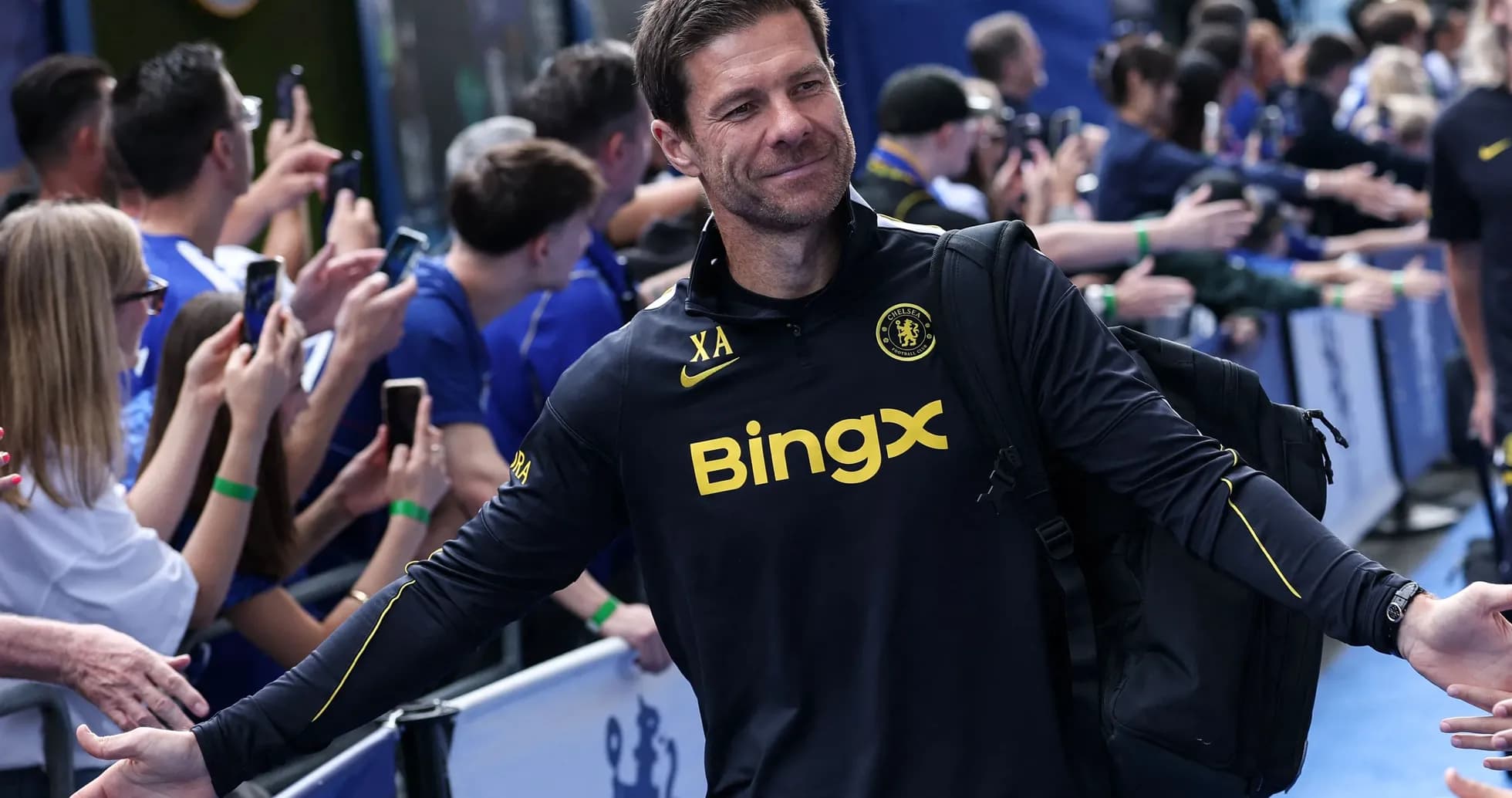
Chelsea Enters New Era Under Clearlake Capital Control

Vinicius Jr. Faces Challenge as Mbappe Dominates at Real Madrid
Thomas Tuchel Faces Criticism After World Cup Defeat
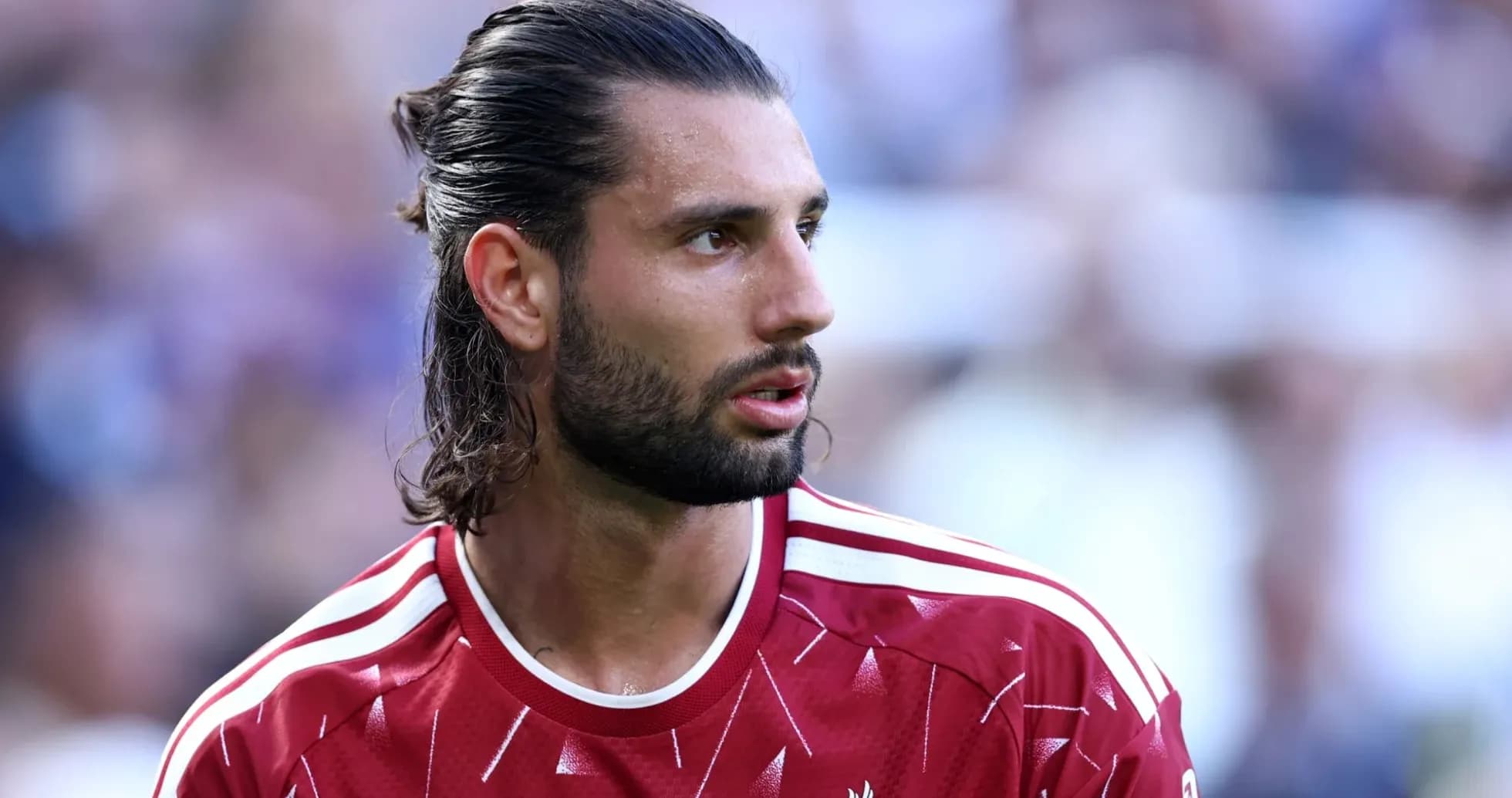
Dominik Szoboszlai's Thunderbolt Performance Against Tottenham