

Aston Villa 4–2 Liverpool: Champions League Race Tightens
Aston Villa 4–2 Liverpool at Villa Park, a result that tightens Villa’s grip on a top‑four finish and keeps them ahead of Liverpool in the Premier League’s Champions League race. Coming into the night fourth on 62 points with a goal difference of +6, Villa’s win stretches the gap over fifth‑placed Liverpool, who started on 59 points, and strengthens Unai Emery’s side as favourites to finish above Arne Slot’s team heading into the final weekend.
The game’s first flashpoint arrived on 39 minutes when Matty Cash went into the book for a foul, a sign of Villa’s willingness to disrupt Liverpool’s rhythm. Villa struck the opener shortly after: in the 42nd minute M. Rogers finished from close range after L. Digne’s delivery from the left, giving the hosts a 1–0 lead that reflected their sharper work in the final third. Deep into first‑half stoppage time (45+3'), Ollie Watkins was shown a yellow card for time‑wasting as Villa tried to nurse their advantage into the break.
At half-time Emery made the first adjustment: on 46 minutes R. Barkley replaced V. Lindelof, adding another progressive passer into midfield to help Villa play through Liverpool’s press. Liverpool responded early in the second half. On 52 minutes, V. van Dijk rose to meet a delivery from D. Szoboszlai, heading past E. Martinez to level at 1–1 and briefly swing momentum towards the visitors.
Villa answered quickly. In the 57th minute, O. Watkins restored the lead, finishing a move created by M. Rogers, whose run and pass opened up Liverpool’s back line for 2–1. The game’s physical edge remained: Joe Gomez was booked for a foul on 62 minutes as Liverpool pushed up and left themselves exposed in transition. John McGinn then joined him in the book on 66 minutes for another foul, underlining the intensity in central areas.
That same 66th minute brought a double change from Slot as he tried to tilt the game: F. Chiesa replaced J. Gomez to add attacking thrust from wide, and F. Wirtz came on for R. Gravenberch to provide more creativity between the lines. Instead, Villa landed the next decisive blow. On 73 minutes Watkins struck again, this time with an unassisted effort, capitalising on space in behind to make it 3–1 and punish Liverpool’s higher defensive line.
Liverpool turned to their star power in the 74th minute when M. Salah replaced C. Gakpo, pushing the visitors into an even more aggressive attacking shape. Emery, protecting the advantage, began to rotate his wide players late on: in the 85th minute I. Maatsen came on for E. Buendia to stiffen Villa’s left flank.
Villa then effectively killed the contest on 89 minutes. John McGinn arrived from midfield to score the fourth, finishing a move set up by Watkins, who turned provider to make it 4–1 and cap a standout individual display. In the 90th minute Emery made two further changes to see out the game and manage legs: Douglas Luiz replaced Y. Tielemans, and J. Sancho came on for McGinn.
There was still time for a late Liverpool consolation. Also on 90 minutes, V. van Dijk again met a delivery from Szoboszlai, heading in his second of the night to reduce the deficit to 4–2, but it came too late to alter the outcome, with Villa’s earlier attacking efficiency decisive.
Fixture Statistics & Tactical Audit
- xG (Expected Goals): Aston Villa 1.91 vs Liverpool 1.55
- Possession: Aston Villa 45% vs Liverpool 55%
- Shots on Target: Aston Villa 9 vs Liverpool 5
- Goalkeeper Saves: Aston Villa 3 vs Liverpool 5
- Blocked Shots: Aston Villa 3 vs Liverpool 3
Villa’s win was built on superior penalty‑box quality rather than territorial control. Liverpool had more of the ball (55% possession) and slightly more total shots (16–14), but Villa hit more efforts on target (9–5) and marginally edged xG (1.91 vs 1.55), supporting the idea of more incisive attacking play and clinical finishing (4 goals from 1.91 xG). Liverpool’s forwards were less efficient, turning 1.55 xG into only two goals, both from Van Dijk on set‑piece or crossing situations, which points to a reliance on dead‑ball and aerial threat rather than sustained open‑play penetration. Defensively, Liverpool’s goalkeeper was busier with five saves, underlining the pressure Villa created whenever they broke through the first line of the press.
Standings Update & Seasonal Impact
Aston Villa began the night fourth on 62 points with 54 goals scored and 48 conceded (goal difference +6). The 4–2 victory moves them to 65 points, with their goals for rising to 58 and goals against to 50, improving their goal difference to +8. That solidifies their hold on fourth place and keeps them ahead in the battle for Champions League qualification.
Liverpool started in fifth on 59 points, having scored 62 and conceded 52 (goal difference +10). Defeat means they remain on 59 points, but their goals for increase to 64 and goals against to 56, trimming their goal difference to +8. The loss not only prevents them from drawing level with Villa but also erodes their advantage in goal difference, leaving them under greater pressure in the race for a top‑four finish going into the final round.
Lineups & Personnel
Aston Villa Actual XI
- GK: E. Martinez
- DF: M. Cash, E. Konsa, P. Torres, L. Digne
- MF: V. Lindelof, Y. Tielemans, J. McGinn, M. Rogers, E. Buendia
- FW: O. Watkins
Liverpool Actual XI
- GK: G. Mamardashvili
- DF: J. Gomez, I. Konate, V. van Dijk, M. Kerkez
- MF: R. Gravenberch, A. Mac Allister, C. Jones, D. Szoboszlai, R. Ngumoha
- FW: C. Gakpo
Expert's Post-Match Verdict
Emery’s game plan prioritised compactness and rapid transitions, and his side executed it with clinical edge in the final third (4 goals from 9 shots on target and 1.91 xG). By ceding a share of possession (45%) but funnelling Liverpool into crowded central zones, Villa limited the visitors’ clear chances and then exploited the space behind an increasingly stretched back line, with Watkins and Rogers central to that approach.
Slot’s Liverpool controlled territory (55% possession, 430 passes at 87% accuracy) but lacked penetration in open play, leaning heavily on Van Dijk’s aerial dominance and Szoboszlai’s delivery for both goals. The decision to push the defensive line higher and add more attackers after the hour backfired defensively, as Villa repeatedly found room to attack in transition. The underlying numbers (1.55 xG, 5 shots on target) suggest Liverpool’s attacking structure did not match their territorial dominance, while their defensive organisation was exposed by Villa’s direct, well‑timed runs and efficient finishing.
Related News
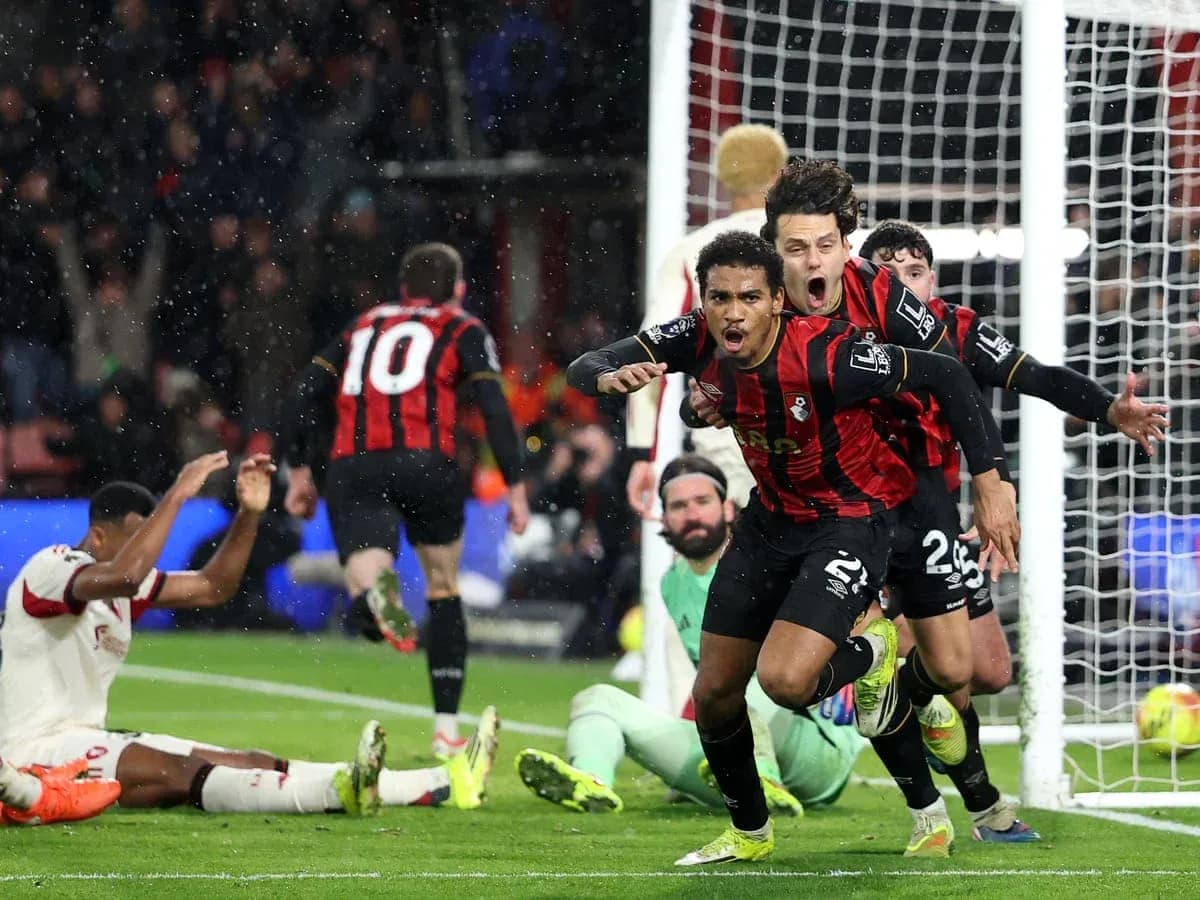
Bournemouth vs Liverpool Prediction: Key Stats and Betting Tips

Tottenham vs Aston Villa Predicted Lineups: Team News for Premier League Clash
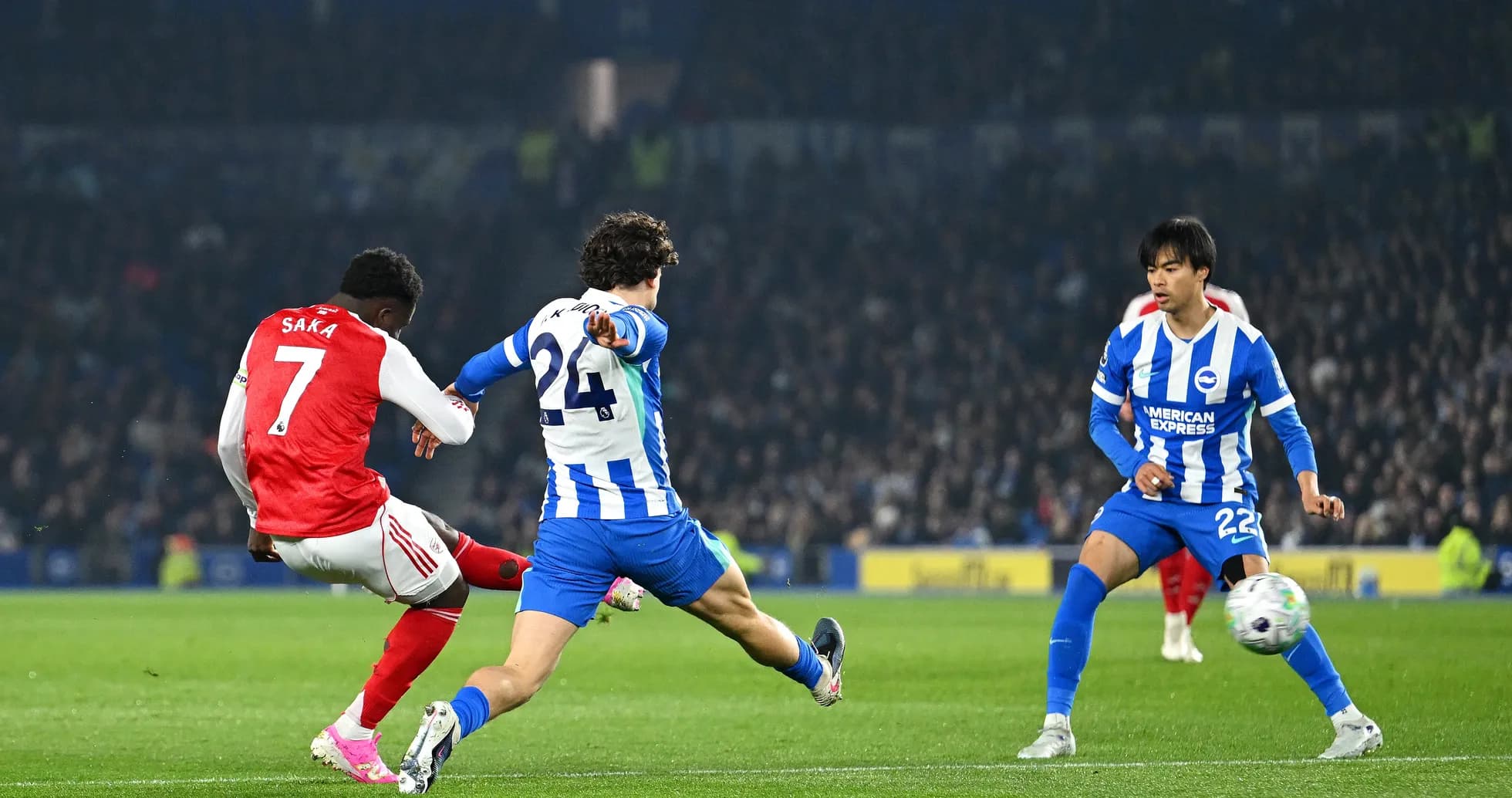
Brighton vs Arsenal: Premier League Clash Preview

Manchester City vs Sunderland: Premier League Clash Preview
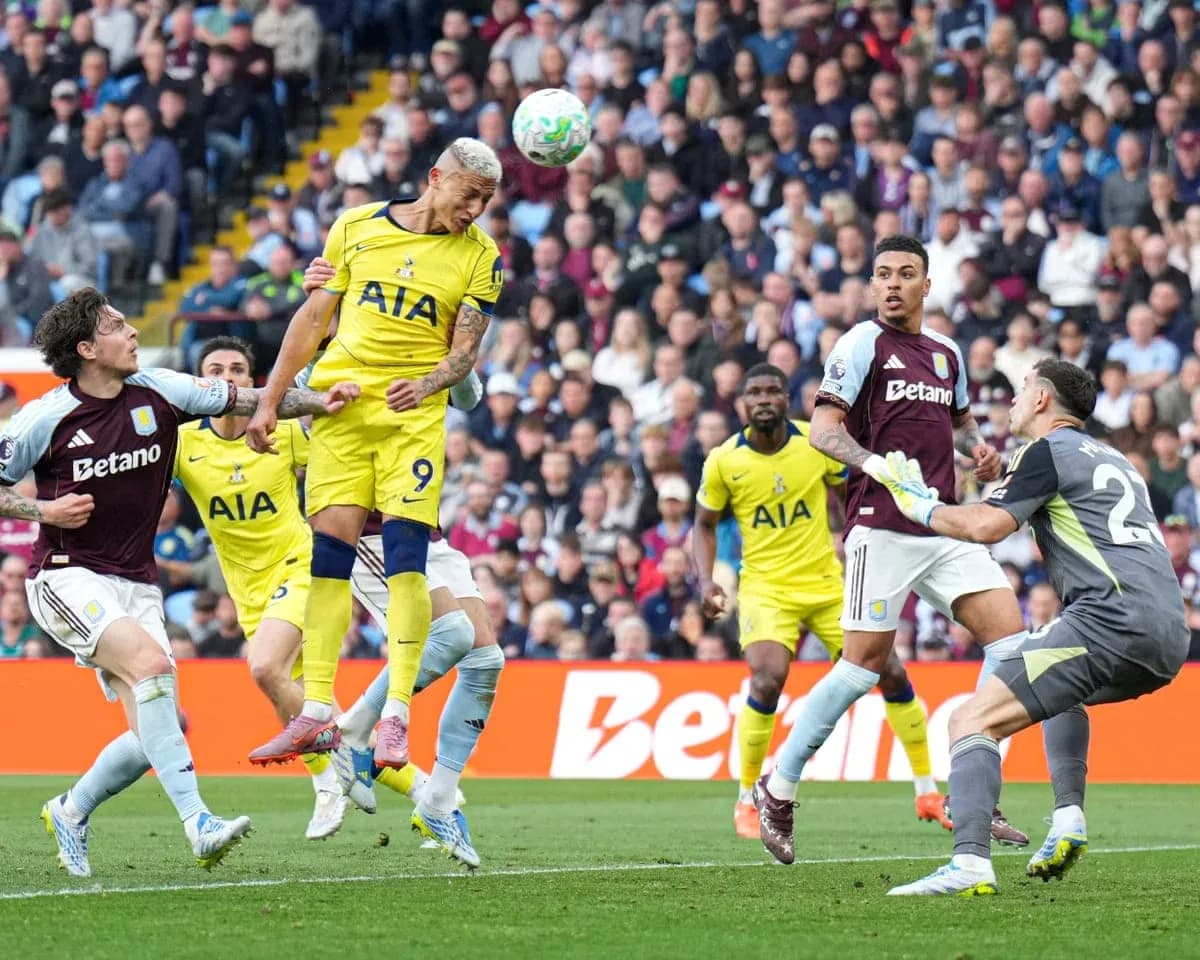
Tottenham vs Aston Villa: Early Relegation Battle

Brentford vs Chelsea Predicted Lineups: Team News and Match Insights