
Al-Juwair Crisis: Saudi Arabia's Tactical and Mental Challenge Ahead of Gulf Cup 27
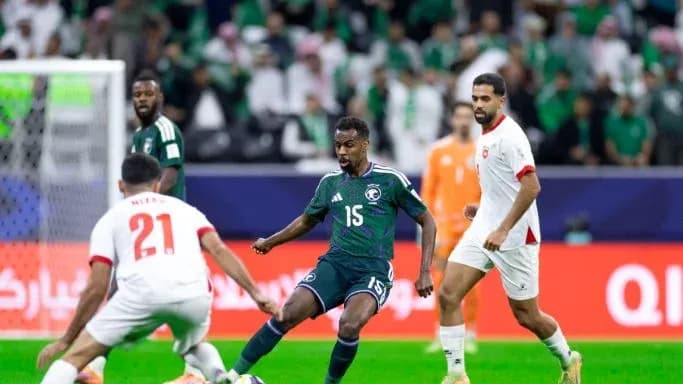
The absence of Al-Juwair is not just a missing name on a squad list for Georgios Donis. It rips out a specific tool from his tactical box. Al-Juwair was one of the few in this Saudi Arabia side who could slow the game when needed, quicken it when space opened, stitch the lines together and then surge forward to help in the build-up.
Mukhtar Ali’s call-up fills the numerical hole, not the functional one. They are different profiles, different instincts. That forces Donis back to the drawing board, redistributing roles in midfield, tweaking who drops, who carries, who supports the first phase of possession. The shape may look the same on paper. On the pitch, the dynamics change.
The real threat, though, lies away from the white lines.
This crisis risks leaving a residue that seeps into everything around the team. Players hear the noise. They see the headlines, the management’s statements, the reactions on social media. When the conversation around camp is dominated by an excluded team-mate, focus starts to drift. And this is happening on the eve of a short tournament, the kind that offers almost no time to correct mistakes once the whistle blows.
So Donis and the administrative staff now have a second job: crisis management.
A successful camp is never just about fitness levels and tactical drills. It demands a stable environment, clear priorities, and a dressing room that understands its main task is to train, prepare and compete – not to track every new comment or leak. If that balance tilts, the tournament can run away from a team before it truly begins.
Saudi Arabia head into Gulf Cup 27 needing more than wins. They need to change the picture they have painted in recent months. This competition is a chance to rebuild confidence and reset the trajectory, not simply chase a trophy for the cabinet. That mission becomes heavier when the pre-tournament narrative shifts from “How do we develop this national team?” to “Who caused the Al-Juwair crisis, and who leaked what?”
And the circle keeps widening.
Each new statement threatens to drag the issue further into the spotlight. Hazazi has already criticised the way the matter has been handled, calling it “a distraction” for the national team. Al-Mefreg, on the other hand, insists that regulations must apply to everyone and that retreating from them opens the door to chaos inside the camp. Between these two firm positions, the squad is squeezed into a debate that has grown bigger than its sporting weight before a ball has even been kicked.
This is how a limited disciplinary issue turns into a full-blown problem.
If the federation and staff close the file internally, enforce the decision and move on, the story can shrink back to what it is: an incident that happened before a tournament. If they let it linger, if every day brings a fresh angle or accusation, the crisis swells. The difference now will not be the size of the original incident. It will be how the next few hours and days are handled.
The calendar leaves no room for drifting minds.
Saudi Arabia open against Kuwait on 23 September, then face Oman on 26 September, before finishing the group stage against Iraq on 29 September. Three games in six days. No breathing space, no long breaks to reset mentally, no luxury to dwell on internal disputes or off-field calculations.
Those matches will test more than tactics. They will test nerve.
A strong start could smother much of the noise, at least temporarily. One slip, though, and every file reopens. The Al-Juwair crisis would no longer stand alone; it would merge into a broader debate about this team’s character, its leadership, and its ability to withstand pressure when it matters.
The most convincing reply to everything said and written will not come in press rooms or on social platforms. It will come in 90-minute bursts on the grass.
No one can seriously claim Saudi Arabia have already “lost” Gulf Cup 27 because of this saga. The tournament has not started. The team still controls its own path, still has time to push the controversy to the margins.
But there is no margin for letting this snowball.
With the stated ambition being to fight for the title, every extra day of noise is a risk the squad cannot afford. If the players manage to separate what happened from what lies ahead, the crisis may fade into the background of their story. If it doesn’t, if the argument keeps echoing inside and outside the camp, Saudi Arabia may find themselves waging a mental battle long before they face Kuwait, Oman and Iraq on the pitch.
And in a short, unforgiving tournament, that is the one battle they cannot afford to lose.
Related News
Marli Salmon Withdraws from England Under-18 Squad Due to Injury
Al-Juwair Crisis: Saudi Arabia's Tactical and Mental Challenge Ahead of Gulf Cup 27
Al-Nassr Faces Setback as Rakan Al-Ghamdi Injured
Andros Townsend's Terrifying Pitch Roller Incident in Thailand
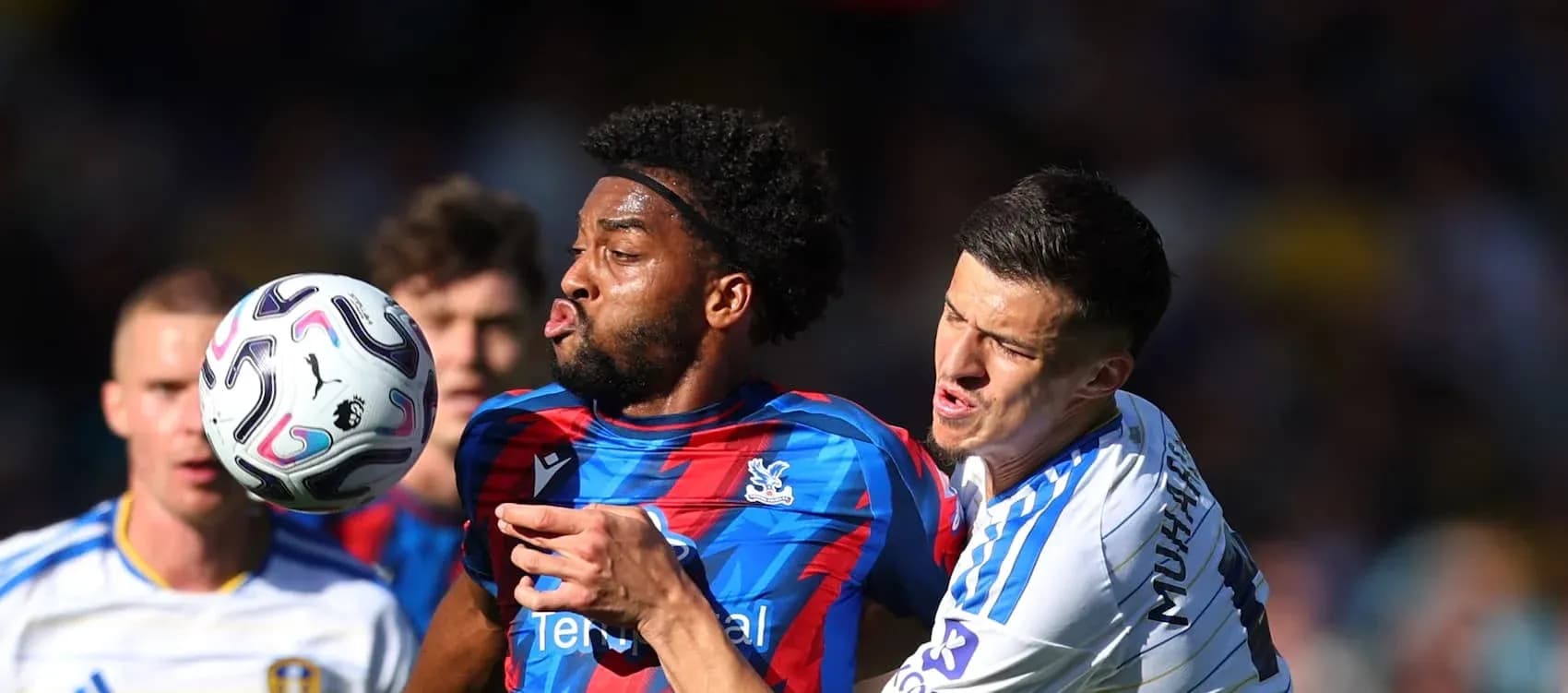
Leeds United vs Crystal Palace: Defences Shine in Goalless Draw

Max Dowman Considered for England Senior Squad by Thomas Tuchel