
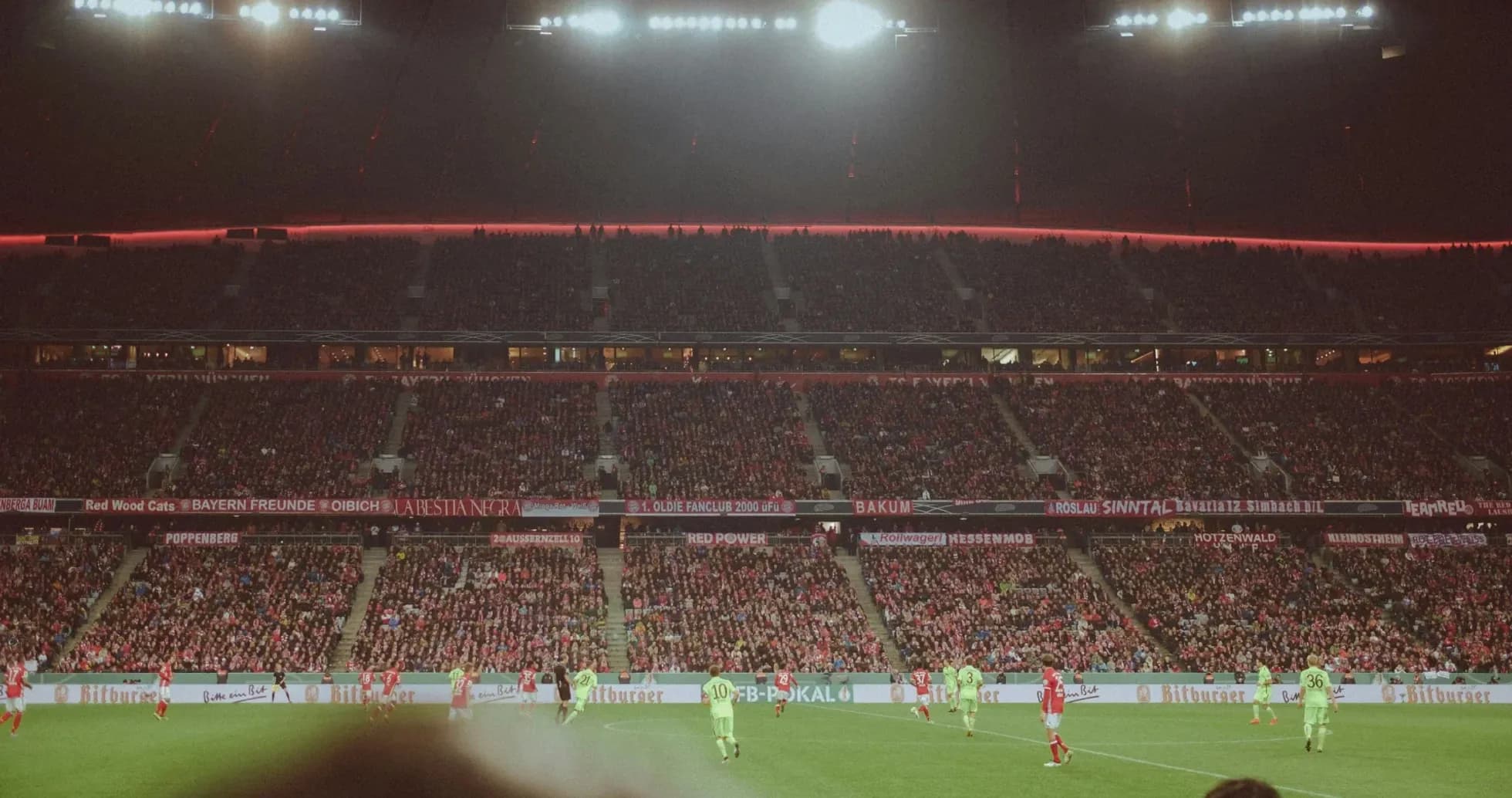
World Cup Quarterfinals Preview: France, England, Argentina, and Spain
And then there were eight. Ninety-six matches gone, 27 days of chaos in the United States, and the World Cup has finally narrowed to its sharpest point. No more dark horses from nowhere. No more easing into form. From here, every mistake is a flight home, every moment of brilliance a step toward immortality.
Four quarterfinals. Four very different stories. One path to the semifinals.
1. France vs. Morocco – July 9
*A semifinal rerun with new faces and old scars*
Less than four years ago, France and Morocco walked out under the lights for a World Cup semifinal and played a tight, nervy match that ended 2–0 to the French. The scoreline told only half the story; Morocco pushed, France survived, and a rivalry of respect was born.
Now they meet again, one round earlier, with the stakes just as sharp and the casts significantly refreshed.
Kylian Mbappé remains the headline act. He still bends defenses to his will, still drags the French attack into dangerous spaces. Ousmane Dembélé is again his partner in chaos on the flanks. Around them, though, the supporting cast has shifted. Michael Olise, Désiré Doué and Bradley Barcola are tasting this altitude for the first time, asked to match the weight of the shirt with the freedom of their talent.
Morocco, too, has evolved without losing its core. Achraf Hakimi still drives from right back with that relentless mix of industry and audacity. Yassine Bounou continues as the last line, calm amid the storm. Azzedine Ounahi remains the metronome in midfield, knitting passages of play together under pressure.
But the Atlas Lions now carry fresh weapons. Brahim Diaz offers invention between the lines, a player who can turn a tight game with a single disguised pass. Ayyoub Bouaddi, just 18, has stepped into the World Cup spotlight with a maturity that belies his age.
France are widely seen as the tournament favorite, but this is no procession. Both sides can score in bunches. Both can suffer without breaking. The margins feel thin again.
One detail may tilt the balance. Ismael Saibari, who left the round of 16 win over Canada, is a major doubt. His absence would strip Morocco of a powerful presence in attack, the kind of outlet that relieves pressure and punishes over-commitment. In a match this tight, losing that edge could be decisive.
The last time they met, Morocco walked away with pride and regret. This time, they arrive not just to compete with the champions, but to push them to the brink once more.
2. England vs. Norway – July 11
*Haaland, old friends, and a very different kind of test*
Norway have waited 28 years to feel this again. A World Cup quarterfinal. In the United States. With Erling Haaland at the center of it all, grinning his way through history.
They have not come quietly. Haaland, the tournament’s looming figure, now runs into a wall of familiar faces in Miami. England’s likely back line could include three of his Manchester City teammates from last season: Marc Guéhi, John Stones and Nico O’Reilly. They’ve trained with him. Marked him. Watched him finish chances that didn’t exist.
Whether that inside knowledge helps or haunts them is another matter.
Norway are not just a one-man show. Martin Ødegaard brings Arsenal’s rhythm and authority into midfield. Sander Berge adds Premier League steel for Fulham. Oscar Bobb, once of Manchester City and now at Fulham, offers a clever, drifting threat from wide areas. This is a side built from players who know the pace and physicality of the top European leagues and are comfortable in it.
England arrive with their confidence rebuilt after a stirring, emotionally charged win over Mexico. That match showcased their resolve as much as their quality. This one asks a very different question.
They will likely see more of the ball. They will be expected to probe, to create, to find angles and combinations that pull Norway out of their compact shape. The onus is on England’s creativity, not their resilience.
But every time they commit bodies forward, the same thought will hang over the stadium: what happens when Norway break? One loose pass, one mistimed press, and Haaland is galloping into space with Ødegaard threading the pass. Those are the moments that decide tournaments.
This has all the makings of a tense, tactical contest. Few clear chances. One or two decisive actions. A single defensive lapse or flash of individual brilliance could separate a semifinalist from a long, empty flight home.
3. Argentina vs. Switzerland – July 11
*Champions walking the tightrope again*
Argentina are living on the edge. Again.
A draining extra-time win over Cape Verde. A monumental comeback against Egypt. The defending champions have not cruised through the knockouts; they’ve clawed their way through, two victories away from a return to the final and a chance to protect the crown won in 2022.
Now comes Switzerland, and on paper this is the sternest knockout test yet.
This Swiss side is built on experience. Their squad is stacked with players who have spent years in Europe’s biggest leagues, hardened by Champions League nights and high-pressure international tournaments. They have already sent giants home in this decade’s Euros, knocking out both France and Italy. They don’t scare easily.
Defensively, Switzerland have the structure and discipline to frustrate Argentina and slow Lionel Messi’s influence. They know how to close spaces between the lines, how to turn matches into battles of patience and precision.
The issue sits at the other end. Where do the goals come from?
Breel Embolo has the profile to trouble Argentina’s back line, strong enough to occupy defenders and sharp enough to exploit half-chances. Yet the real boost could come from Johan Manzambi’s fitness. A return to health for him would give Switzerland another attacking dimension, an extra runner to stretch a defense that has already been through emotional and physical strain.
Argentina, for all their drama, keep finding a way. But every escape act takes a toll. Against a Swiss team that rarely beats itself, the champions will need more than spirit. They will need clarity, control, and a ruthlessness that has flickered rather than burned so far.
One more stumble, and there will be no comeback to script.
4. Spain vs. Belgium – July 10
*Control vs. chaos in a game of fine margins*
Spain have glided into the quarterfinals with a chilling kind of authority. Five matches. No goals conceded. Their grip on the ball and the rhythm of games has suffocated opponents, squeezing the oxygen out of contests before they can turn wild.
They have done it without relying on the player many expected to be their attacking star. Lamine Yamal, the 18-year-old Barcelona winger, arrived at the tournament short of full fitness. He has not dominated the scoresheet, but his presence still bends defensive plans. Defenders shade toward him, lines shift, and gaps open for others.
Mikel Oyarzabal has stepped into that space with four goals, leading the team’s scoring chart. Others have chipped in, spreading the burden and keeping Spain unpredictable in the final third. Even so, there is a sense that another attacking gear is waiting. If Yamal can impose himself more, and if injured winger Nico Williams can play a bigger role, this attack could suddenly look far more explosive.
Belgium, by contrast, have lurched through the tournament in fits and bursts. They labored in the group stage, then exploded with 12 goals across their last three games. A shift toward a more athletic lineup against the United States unlocked their attacking potential and turned a stuttering campaign into something more dangerous.
That win came at a cost. Amadou Onana’s ACL injury is a major blow, ripping a key piece out of the midfield. His absence changes the entire balance of Belgium’s structure.
It could, however, open the door for a familiar conductor. Kevin De Bruyne, who sat out the round of 16 victory, may be asked to return and take charge of a midfield that suddenly needs both control and invention. His inclusion would alter the tempo, the passing angles, the way Belgium try to pierce Spain’s press.
Rudy Garcia faces other difficult calls. Does he restore Jeremy Doku’s direct running from the wing, risking some loss of control for the sake of chaos? Does he keep Romelu Lukaku as a weapon from the bench, holding back a pure finisher for a late surge or extra time?
With Spain’s defensive record and their ability to dictate possession, this quarterfinal leans toward a low-scoring, finely balanced contest. The kind where coaches hoard substitutions as if they were gold, saving one last change, one last idea, for the moment when tired legs and frayed nerves decide everything.
Spain will try to smother the game. Belgium will try to break it open. By the end of the night, one of them will have imposed their version of football on the other—and taken a giant step toward the World Cup’s final weekend.
Related News
Ilia Topuria Accuses Justin Gaethje After UFC Defeat

Tyson Fury vs Anthony Joshua Fight Date and Venue Confirmed
Switzerland Calls Up In-Form Sion Striker Winsley Boteli for Nations League
Bournemouth Secures Historic 2-1 Win Over Real Sociedad in Spain
Portugal Announces Squad for 2026 UEFA Nations League; Cristiano Ronaldo Expected to Play
Raphinha Channels Ronaldo Nazario as Barcelona's Leading Striker After Position Change