
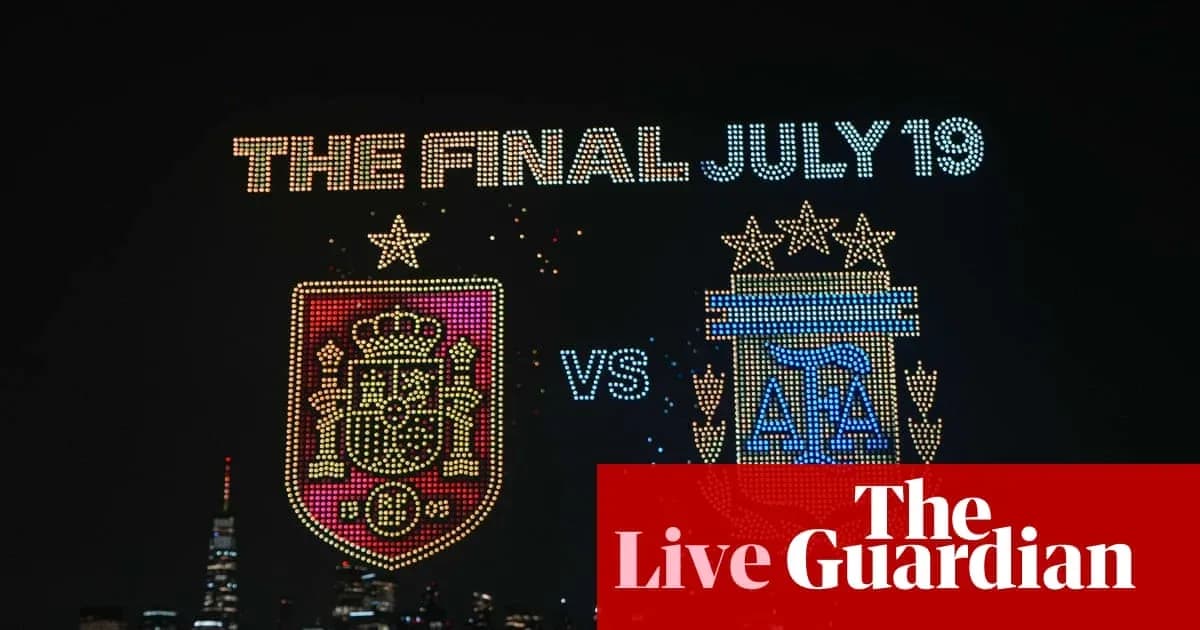
World Cup Final Preview: Messi, Mbappé, and the Political Landscape
The World Cup is down to its last weekend, and the tournament feels as if it’s being pulled in three directions at once.
On one side, Lionel Messi and Kylian Mbappé are locked in a personal duel for the Golden Boot. On another, England are still sifting through the wreckage of their semi-final exit and Thomas Tuchel’s tactical contortions. Hovering over it all, Gianni Infantino tightens his grip on Fifa while presidents and prime ministers jostle for a seat at the final.
The football has not yet stopped, but the postmortems and power plays are already in full swing.
Messi v Mbappé: Even on Goals, Not on Impact
Kylian Mbappé and Lionel Messi are level on goals, but the numbers tell only half the story. Messi sits fractionally ahead in the Golden Boot race thanks to one extra assist, a neat statistical edge that feels fitting for a player who has always shaped games as much with his passing as his finishing.
The argument now bubbling away among fans is a strangely modern one: should goals in the final carry more weight than those in the third‑place play-off? If Mbappé scores in a showpiece that might define an era, is that worth more than a hat-trick in a sleepy Saturday curtain-raiser for bronze?
The question speaks to a wider truth. This World Cup has been driven by the stars, but framed by context. Goals are no longer just numbers; they’re chapters in a narrative that stretches from club form to national expectation and, for Messi, into legacy.
Rodri’s Revival and a Hint of a Farewell
Amid the noise of the headline acts, one of the quieter triumphs of this tournament has been Rodri. Once there were fears his ACL injury would blunt his edge for good. That he might never again dictate a game with the same authority.
Those doubts have evaporated. At this World Cup he has been expansive, brave on the ball, and relentless without it. He looks like a player who finally trusts his body again.
There is, though, a nagging suspicion that this might have been his last major tournament as a Manchester City player. The feeling is not yet more than that – a suspicion – but his performances have carried the sheen of a man auditioning for something new. The coming weeks will tell whether that intuition is misplaced or prophetic.
Tuchel, England and the Semi-Final That Told on Them
England’s campaign, as ever, has not ended so much as detonated into a thousand arguments.
Thomas Tuchel stays in his job, despite the semi-final defeat and a sequence of substitutions that baffled players and supporters alike. Inside the camp, there was bemusement at the tactical shifts that accompanied England’s exit. Outside, the inquest has been ferocious.
Tuchel had been widely praised earlier in the tournament for “game-changing” substitutions. The flipside is obvious: if your bench keeps rescuing you, maybe your starting XI isn’t right. One reader put it bluntly – England were “staggeringly lucky” to reach the last four and “the worst of the semi-finalists by a country mile”.
In the era of five substitutions, managers talk about “finishers” as part of the plan. Yet even through that lens, Tuchel’s changes against Norway looked odd. The sense lingers that England escaped trouble as often as they solved it.
Now comes the question of how seriously to take the third-place game. Some argue Tuchel should chase a win to salvage pride. Others see an opportunity to spread minutes: a half each for the goalkeepers, starts for Ollie Watkins and Ivan Toney, a deserved run-out for Kobbie Mainoo. A dead rubber for the record books, but not for the players whose international careers are still being written.
A World Cup That Warps the Body Clock
Away from the tactics board, the tournament has bent lives out of shape. One fan, Mittu, confessed to dreading the return to normality more than any result: late nights, early alarms, and a body clock recalibrated around kick-off times.
The solution? Maybe a new obsession. South American leagues. MLS. Anything to fill the void when the last whistle blows and the nightly ritual of football-induced sleep deprivation disappears.
For those covering it, the rhythms have their own odd charm. After a week of breathing in wildfire smoke, one correspondent finally escaped to a garden, laptop open, blogging under clean skies. The World Cup, even at a distance, has a way of making the ordinary feel slightly surreal.
Power, Politics and Infantino’s Iron Grip
While the football twists and turns on the pitch, the politics off it remain depressingly straight.
Gianni Infantino has secured formal endorsement from more than 200 of Fifa’s 211 member associations for a fourth term as president. Only a handful of federations have yet to send their letters of support, with a small cluster of European countries – Germany the most notable – holding out.
The landslide is coming. The climate of unrest, including anger over the scandal around Folarin Balogun’s reprieve from suspension, has barely scratched the surface of Fifa’s internal machinery. As Mel Brennan once wrote: football survived Sepp Blatter, Jack Warner and Chuck Blazer. It will survive Infantino too. The game endures. The faces at the top simply change – or, in this case, don’t.
Heads of State, Falklands Tension and a Final on US Soil
The final itself, Spain against Argentina in New Jersey, will be more than a football match. It will be a summit.
Spanish prime minister Pedro Sánchez will be in the stands to watch his country chase another star. So, too, will Donald Trump, with the White House billing the occasion as a showcase of America’s ability to host the world on “the grandest stage”.
The political undercurrent runs deeper. Keir Starmer has backed calls for Fifa to investigate Argentina players who displayed a banner asserting their country’s claim to the Falkland Islands after their semi-final win over England. It was a moment that cut through the usual post-match euphoria and dragged a decades-old geopolitical wound back into the spotlight.
On Sunday, the optics will be unmistakable: presidents, prime ministers, and a Fifa chief all using the game as a backdrop. The ball will roll, but the cameras will keep drifting back to the VIP seats.
Argentina’s Steel, Spain’s Spark
On the pitch, the final promises a clash of styles as much as personalities.
For Argentina, Cristian Romero has been the embodiment of their edge. In club football he is combative; in the white-and-blue of La Albiceleste he turns into something feral. Partnered with Lisandro Martínez, he has been the hard stop between chaos and Emiliano Martínez. Strip away Messi and the Aston Villa goalkeeper, and Romero has a strong claim to being Argentina’s most consistent performer on their march to a third final in four tournaments.
Spain, for their part, bring a different kind of menace. A young, technically gifted side, spearheaded by the precocious Lamine Yamal, they play with a fluency that can turn games into training exercises when they hit their stride. This is not the metronomic Spain of a decade ago; it is looser, more vertical, and occasionally vulnerable. But it is never dull.
Messi v Yamal. Experience v exuberance. An excellent team against a very good one – and you can pick which is which.
Club Football Creeps Back In
Even as the World Cup builds to its climax, club football keeps tugging at the sleeve.
Trent Alexander-Arnold, now of Real Madrid after his move from Liverpool last year, has been talking up life under Jose Mourinho, who returned to the Bernabéu in June. The right-back called it “a pleasure” to work with a coach he has long admired, describing intense sessions and high demands as he tries to reset after an injury-hit first season in Spain.
With Dani Carvajal gone, the path is clear for Alexander-Arnold to claim the right-back spot outright. “It’s good to finally be back and to lay a solid foundation for a successful season,” he said, sounding like a man who knows the excuses have run out and the opportunity has arrived.
Elsewhere in Europe, the churn continues. In Malta, NSÍ Runavík knocked out Hamrun Spartans with a 94th-minute penalty so contentious that police had to intervene as the referee brandished a red card. Club football never waits politely for international tournaments to finish; it barges in, late drama and all.
Media, Memory and the Game’s Unruly Future
The broadcast world is also bracing for change. Over in the United States, Fox’s World Cup coverage is winding down. Out go Geoff Shreeves, Tom Rinaldi and his florid monologues, the extravagant culinary experiments of Chef Nick, and the fevered stadium dispatches of Jameis Winston, who often looked like a man being electrocuted mid-baptism. Love it or loathe it, it has been a distinctly American spectacle wrapped around a global sport.
Look further back and the contrast is starker still. A match report from 1966 lingers in the archives: Argentina, abandoning their defensive stereotype to attack Spain at Villa Park, stirring visions of a showdown with West Germany. Long sentences, few subheadings, no data viz. Just words, and the sense of a game on the move.
The same sport, but not quite the same world.
One Game Left
So here we are. England dissecting substitutions. Infantino counting votes. Heads of state booking flights. Club managers quietly plotting pre-season while their players chase immortality.
And in the middle of it all, one match that will decide whether Messi lifts another World Cup, whether Spain crown a new generation, and whether the defining image of this tournament is a 37-year-old genius, a teenage prodigy, or a defender like Romero sliding in to save it all at the last.
There are no more warm-ups now. Just the final, and whatever it leaves behind.
Related News
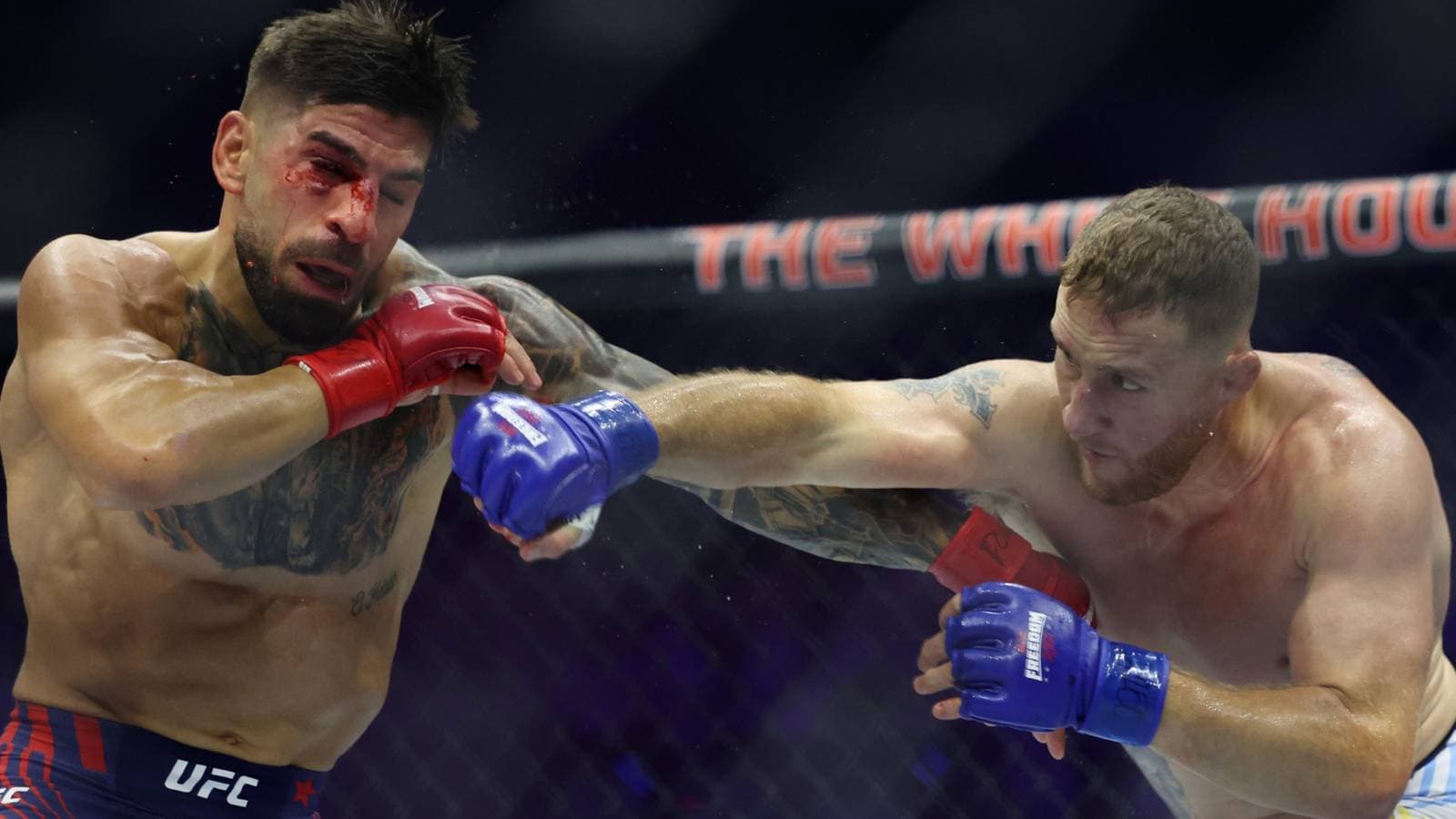
Ilia Topuria Accuses Justin Gaethje After UFC Defeat
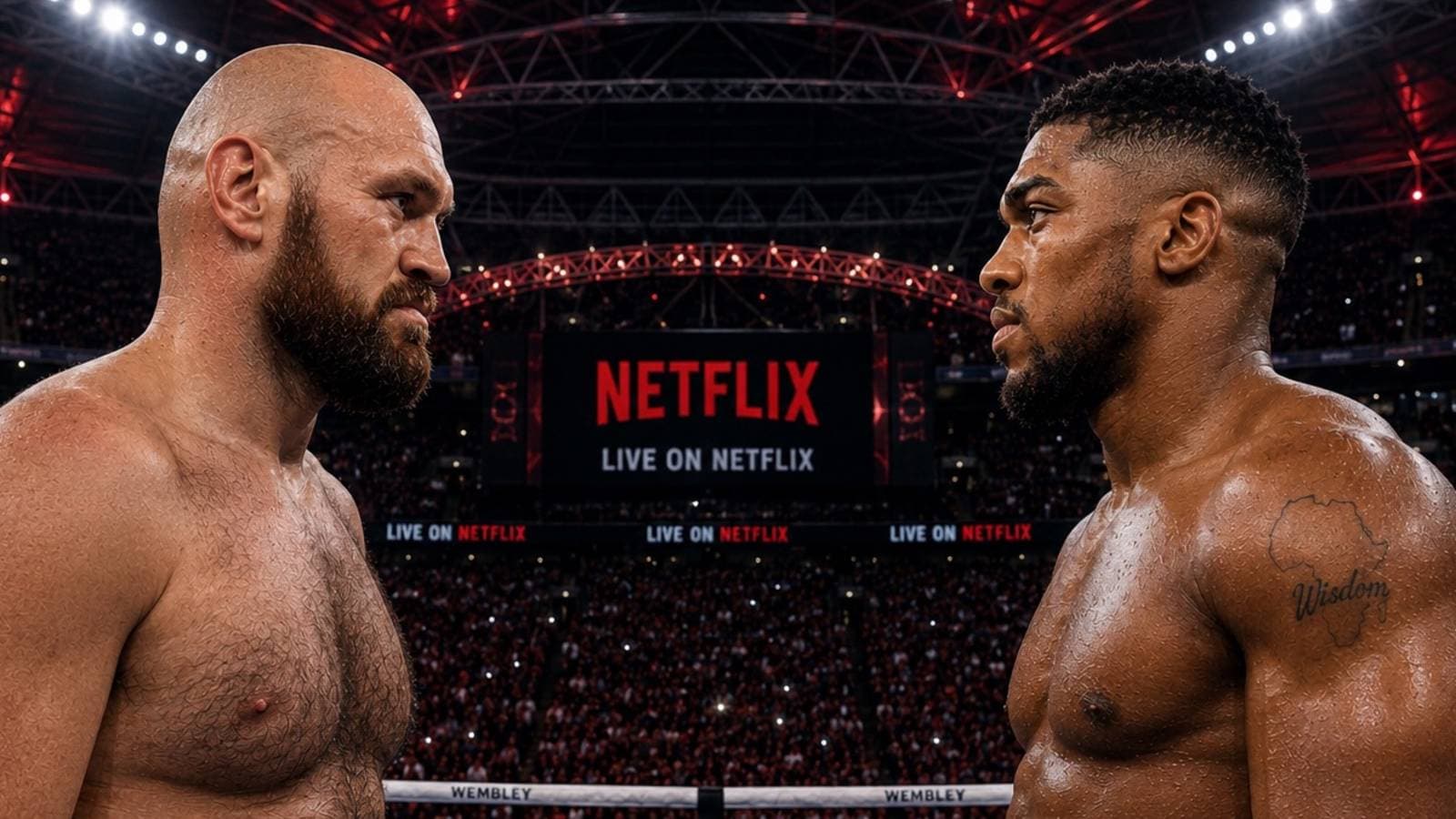
Tyson Fury vs Anthony Joshua Fight Date and Venue Confirmed
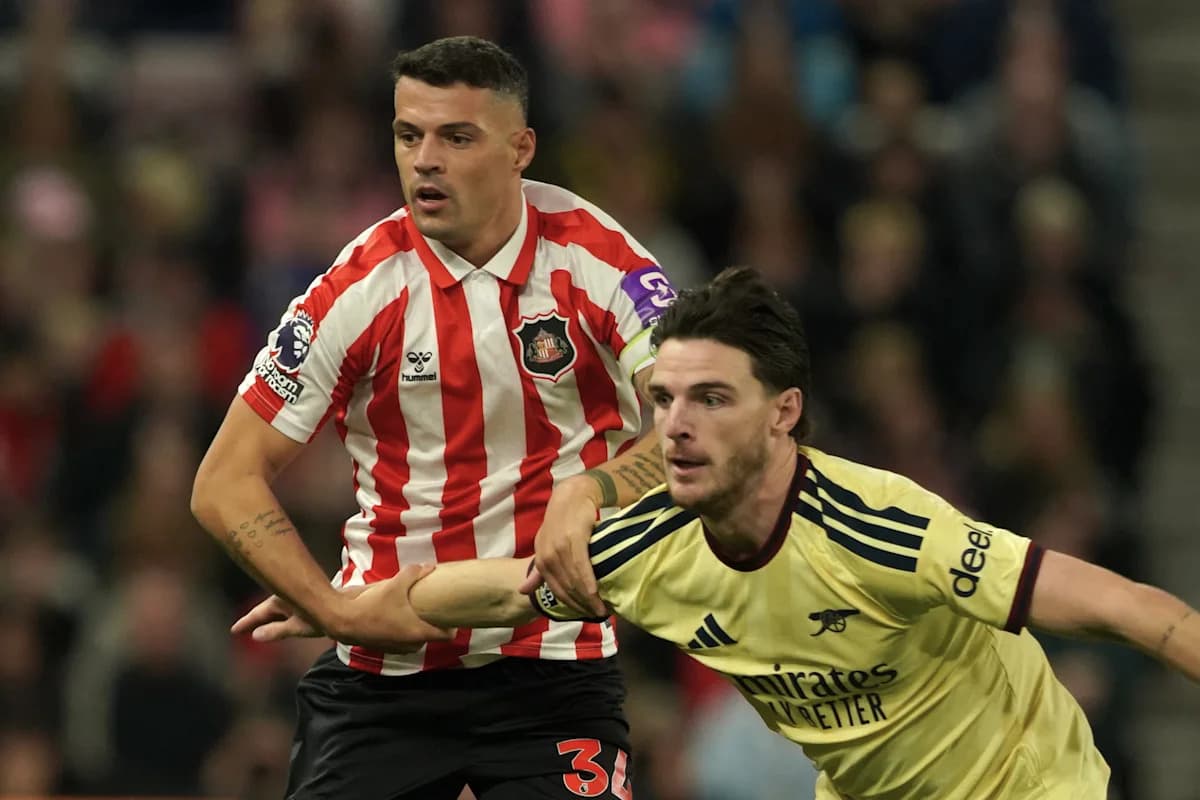
Switzerland Calls Up In-Form Sion Striker Winsley Boteli for Nations League
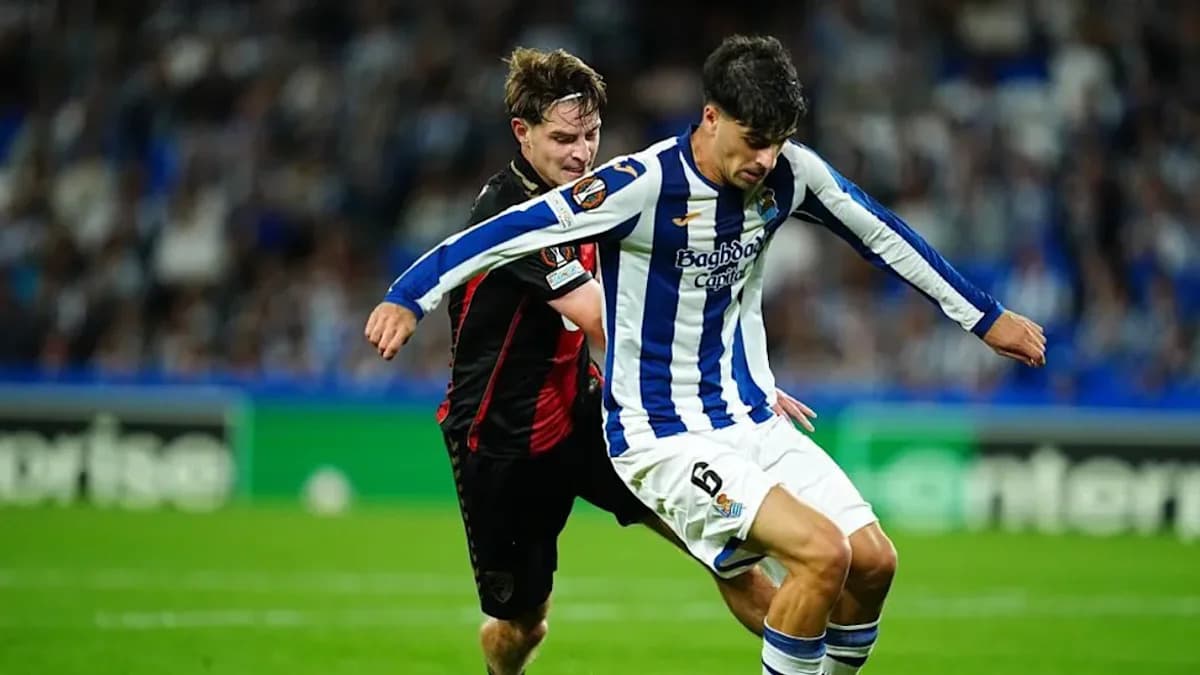
Bournemouth Secures Historic 2-1 Win Over Real Sociedad in Spain
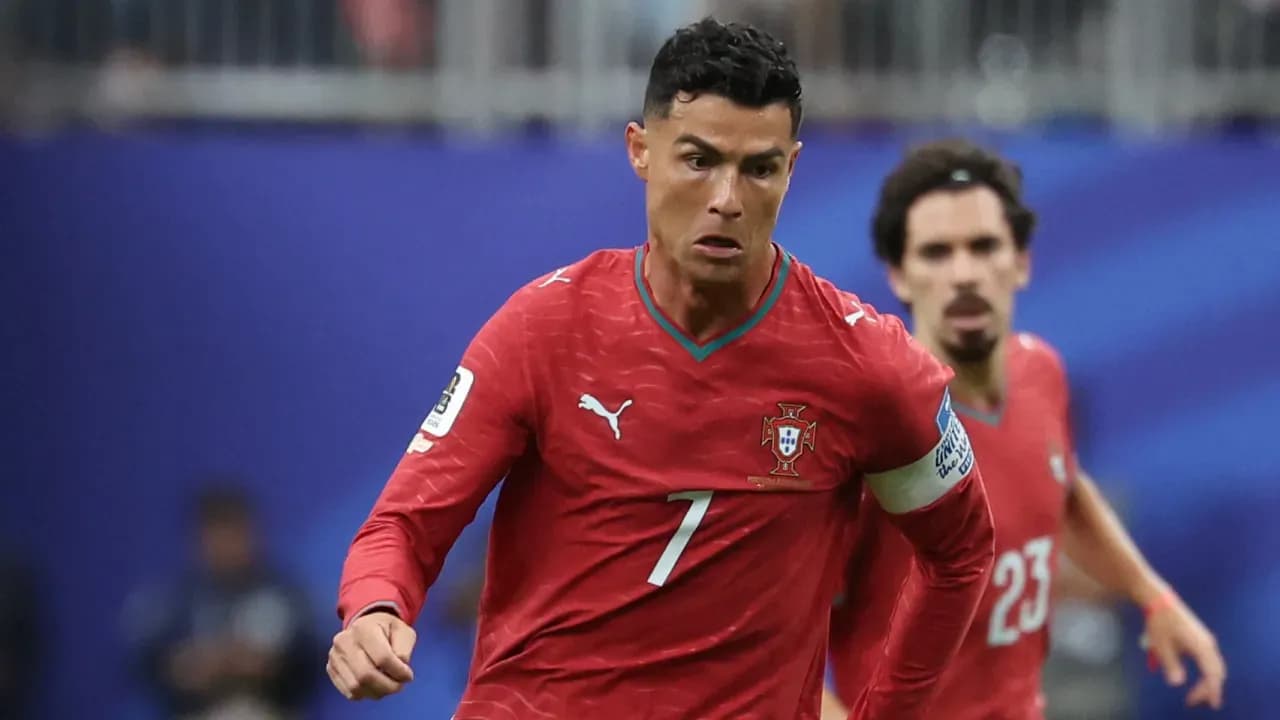
Portugal Announces Squad for 2026 UEFA Nations League; Cristiano Ronaldo Expected to Play
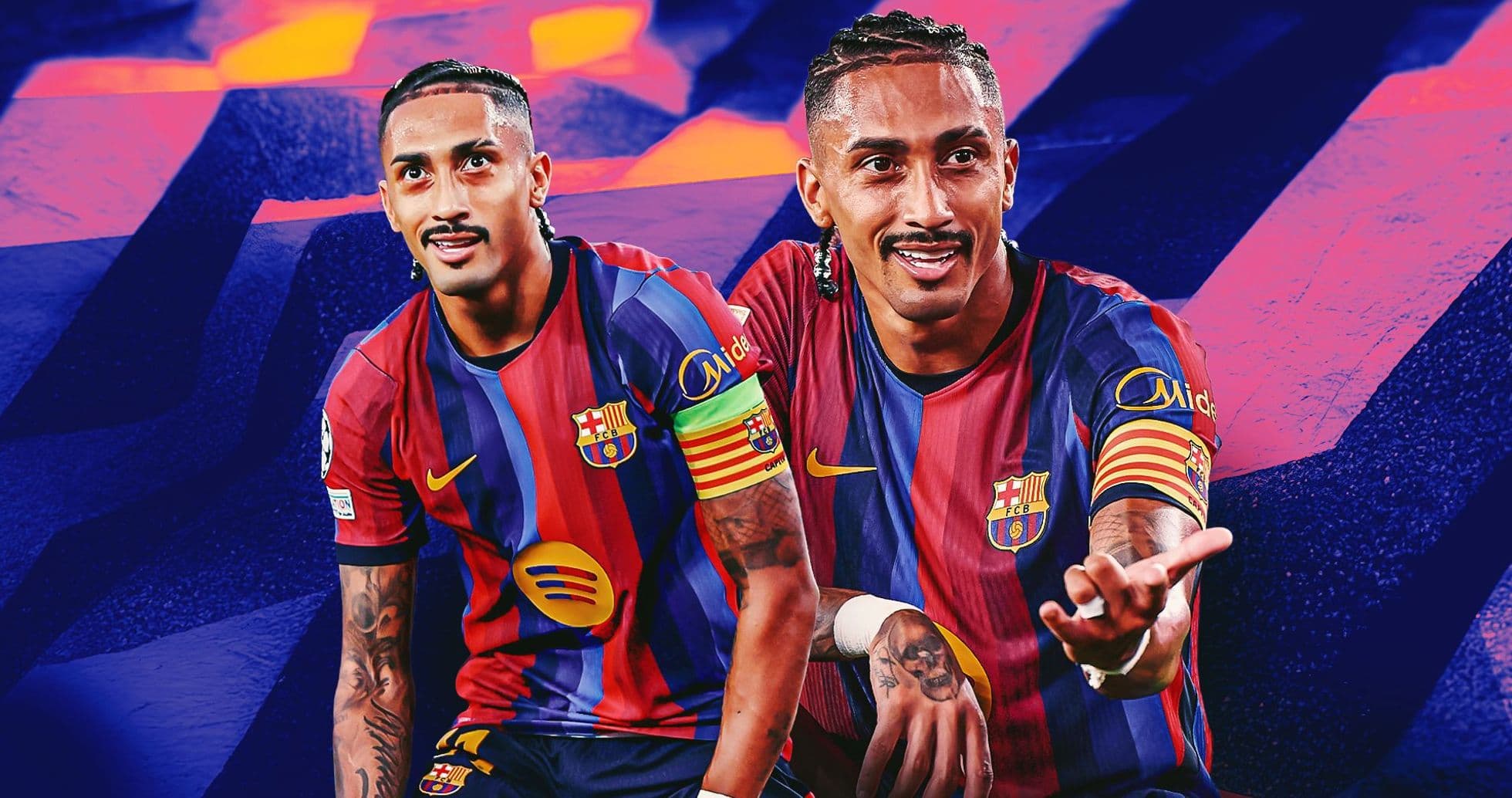
Raphinha Channels Ronaldo Nazario as Barcelona's Leading Striker After Position Change