
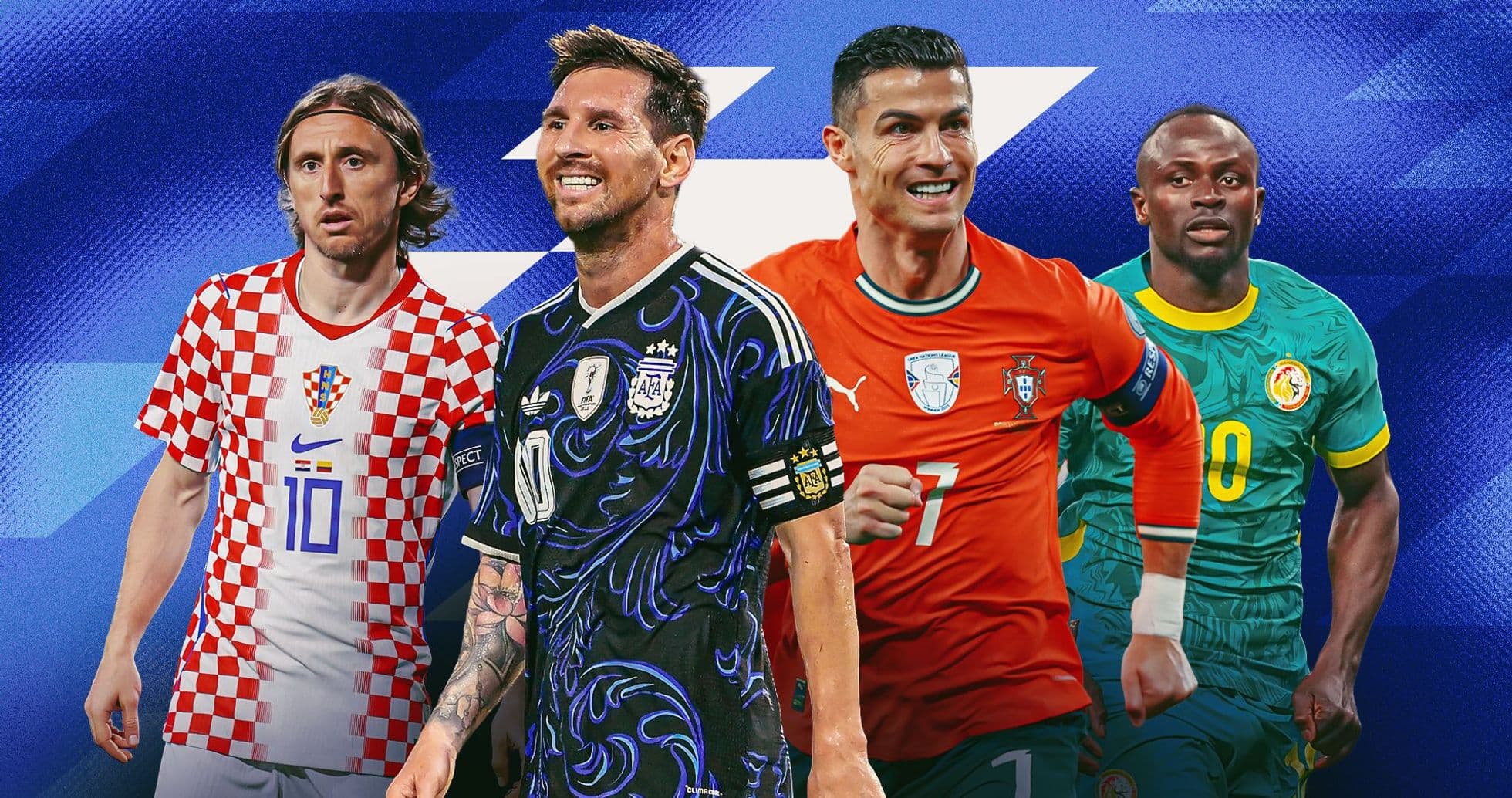
World Cup Farewells: Legends Chasing One Last Glory
Lionel Messi turns 39 next year, yet here he is, preparing to walk out at a record-breaking sixth World Cup. The trophy that tormented him for so long now sits safely on his mantelpiece after Argentina’s epic win over France in 2022, but the story refuses to end there.
He has crossed the Atlantic, swapped Champions League nights for MLS sunsets with Inter Miami, and tailored his game to a body that no longer needs to sprint every minute to dominate. The league is less intense than Europe, but hardly a retirement home. Messi still picks passes no one else sees, still scores in ways no one else imagines, still bends games to his will.
The doubts are obvious: an expanded World Cup, brutal North American heat, the miles in those legs. Yet if history has taught us anything, it’s that Messi doesn’t do quiet exits.
On the other side of the eternal debate, Cristiano Ronaldo arrives at 41 with a very different World Cup story. The five-time Ballon d’Or winner has never lifted the trophy, never scored in the knockout rounds, and knows that his global legacy has one glaring hole. That’s what makes this tournament feel so stark for him.
By any rational measure, Ronaldo should no longer be operating anywhere near the top. But he keeps bending reality. He scores relentlessly for Al-Nassr in Saudi Arabia, he talks of no end in sight, and he remains the axis around which Portugal still spin. Roberto Martinez has a squad rich in talent – Rafael Leao, Pedro Neto, Goncalo Ramos and others pushing hard – yet he continues to build around CR7 for one last tilt at history.
Sixth World Cup. Last shot. Oldest World Cup-winning captain ever, if it all breaks his way.
They won’t be alone in rewriting the age curve. Guillermo Ochoa, the man who seems to emerge every four years like a World Cup myth, is back again. This one looked unlikely. Mexico’s veteran goalkeeper had barely featured for El Tri since March 2024 and appeared to be drifting out of the picture under Javier Aguirre. Then fate intervened.
Angel Malagon, the new No.1, suffered an Achilles injury in March. A vacancy appeared. At 40, Ochoa walked through the door again. Over 150 caps, a career that has bounced through Spain, Italy, France, Portugal, Belgium and, most recently, AEL Limassol in Cyprus, and now one more World Cup. He has hinted this will be his last act. Few players have become such a fixture of the tournament’s modern folklore.
Germany have their own returning guardian. Manuel Neuer had effectively closed the book on his international career after Euro 2024 on home soil. Then came two years of injuries for Marc-Andre ter Stegen, question marks over Oliver Baumann, and a call from Julian Nagelsmann. At 40, after another strong season with Bayern Munich, Neuer has been hauled back for a fifth World Cup.
Nagelsmann has already made it clear: Neuer is his No.1. Germany, wounded by two consecutive group-stage exits, are gambling that one of their greatest modern leaders can drag them away from the brink.
Midfield Legends
In midfield, Luka Modric keeps stretching time. Now 40, he stands just behind Ronaldo among the oldest outfield players at this World Cup, but his influence remains enormous. He took Croatia to a first final in 2018, then to third place in 2022, rewriting the expectations of a nation with his control and courage.
Last summer he left Real Madrid for AC Milan, a move designed to keep his legs sharp rather than chase one last big contract. He now approaches his fifth World Cup and sits on the cusp of another milestone: only the fourth player to reach 200 caps, assuming Messi gets there first. The numbers are staggering, but the real story is that Croatia still look to him when the pressure rises.
Edin Dzeko’s route back is different, and more improbable. Bosnia and Herzegovina have struggled for years to even reach major tournaments. Their lone World Cup appearance came in 2014, and it felt like Dzeko’s chance had gone. Yet he rallied his country once more, leading them through the UEFA play-offs and past Italy to book a ticket to North America.
He will be 40 when the tournament begins, closing in on 150 caps and already beyond 70 international goals. His January move to Schalke reignited his club form, his goals helping drag them back into the Bundesliga. For a striker of his calibre, one World Cup never seemed enough. Now he gets the farewell stage he deserves.
Captains and Icons
Some goodbyes will be more ambiguous. Son Heung-min turns 34 in July, and while he still has more fuel in the tank than many of his peers, the burden he carries for South Korea is immense. He is captain, talisman and cultural icon rolled into one, representing a nation that lives every kick.
Son has already stepped away from European football to join LAFC in MLS, a decision that suggests he is starting to think about the balance between club, country and longevity. By the time this World Cup ends, he may decide his job for Korea is done.
Mohamed Salah faces a similar crossroads. A few days older than Son, he has hauled Egypt forward almost single-handedly for years. This time he does at least have more help – Manchester City’s Omar Marmoush among those stepping up – but the Pharoahs will still look to Salah when the lights are brightest.
His last World Cup, in 2018, never truly got going after the shoulder injury he suffered in the Champions League final. For a player of his stature, that has always felt like unfinished business. His Liverpool form has dipped over the past year, and with a move to Saudi Arabia looming after his Anfield exit, the sense grows that he is entering the final act of his elite career. Expecting him to push on to another World Cup feels optimistic. This may be the moment he needs to define his international legacy.
Sadio Mane knows that feeling. At 34, he remains the heartbeat of Senegal, the man whose penalty sealed their first Africa Cup of Nations title in 2021 and whose brilliance carried them to consecutive World Cups, even if injury cruelly ruled him out in 2022.
His transfer to Al-Nassr has taken him out of the weekly European spotlight, but his commitment to Senegal has never wavered. He still wears the armband, still sets the tone. With Ismaila Sarr, Illiman Ndiaye and others maturing around him, Senegal have the tools to cause serious problems. Mane’s experience could be the difference between a respectable showing and a deep run.
Riyad Mahrez completes a trio of African greats chasing one last World Cup chapter. At 35, his feet remain as bewitching as ever. The first touch, the glide past defenders, the disguised passes – the artistry has not faded. What has been missing is the stage.
Remarkably, Mahrez has only one previous World Cup appearance, all the way back in 2014. Algeria have not qualified since. Now, with his club career winding down at Al-Ahli in Saudi Arabia, he finally returns to the global showpiece with a chance to leave something more tangible than YouTube highlight reels.
Transitioning Generations
In Europe, Kevin De Bruyne is fighting a very different battle: one with his own body. His first season at Napoli after leaving Manchester City has been disjointed and frustrating, punctured by injuries that raise uncomfortable questions as he approaches 35.
When he is fit, there is still no more complete playmaker in the game. He remains the conductor of Belgium’s attack, the last great pillar of a ‘Golden Generation’ that never quite delivered the biggest prize. Rudi Garcia’s squad is in transition, younger, less hyped, but De Bruyne is still the man who can split a defence with a single pass or detonate a game with a long-range strike. If his fitness holds, Belgium might yet spring a surprise.
Behind him, Virgil van Dijk continues to anchor the Netherlands. He will turn 35 during the tournament, and while there have been murmurs that he has lost a yard, his presence still shapes how opponents play. At Liverpool he became the foundation of a side that terrified Europe, to the point where some strikers openly avoided duels with him.
The most recent season has not been his finest, and the questions on Merseyside are getting louder. Dutch fans will hope that the World Cup sharpens his focus and his timing, because this is likely to be his second and final appearance at the tournament. A defender of his calibre will not want to leave quietly.
Few players owe more to a World Cup than James Rodriguez. The Colombian turned 35 in July, yet his name still evokes memories of that outrageous 2014 tournament, the volley, the swagger, the move to Real Madrid that followed.
Injuries have gnawed away at his club career ever since. He has bounced from team to team, using short spells – most recently with Minnesota United in MLS – to stay fit enough for the games that still matter most to him: those in yellow. For Colombia supporters, his presence in North America is non-negotiable. A final World Cup feels like a fitting epilogue for one of its most unforgettable stars.
Then there is Neymar, the eternal “what if” of Brazilian football. His 2026 journey has been chaotic before a ball has even been kicked. Brazil don’t start their campaign for another week, but the drama has already arrived.
Neymar has not played for his country since tearing his ACL in October 2023. Carlo Ancelotti, in charge since September, had consistently left him out, and the narrative seemed clear: Brazil were moving on. Then injuries hit the forward line. A door opened. Ancelotti named Neymar in his 26-man squad, and the reaction was instant – delirium among fans, debate among pundits, a flicker of hope for the player himself.
The reality is harsh. His body is breaking down, and any idea of him lasting until 2030 belongs in fantasy. He must first prove his fitness again after yet another setback, picked up just days after that call-up. This is it: one last chance to chase the sixth star that Brazil crave, one last opportunity to align his individual brilliance with the trophy his country demands.
At the other end of the age spectrum, Harry Kane feels almost fresh. At 32, he is operating at the peak of his powers, smashing more than 60 goals for Bayern Munich this past season and standing alone as England’s all-time leading scorer.
He has time on his side. There is a plausible scenario in which he leads England into 2030. Yet the calendar complicates things. The 2028 European Championship, co-hosted by England, looms as a natural curtain call. A major tournament at home, in front of his own fans, could be the perfect moment to step away from international duty.
If that happens, this World Cup becomes Kane’s last on neutral soil, and perhaps the same goes for Jordan Pickford, John Stones and even Marcus Rashford. With a home Euros on the horizon, many of this core may decide that 2028 is the right stage for their final bow.
Across continents and generations, the pattern is clear. North America will host not just a World Cup, but a farewell tour for some of the greatest players the sport has ever seen. The question is no longer whether they still belong at this level. It’s who among them can twist the script one final time.
Related News
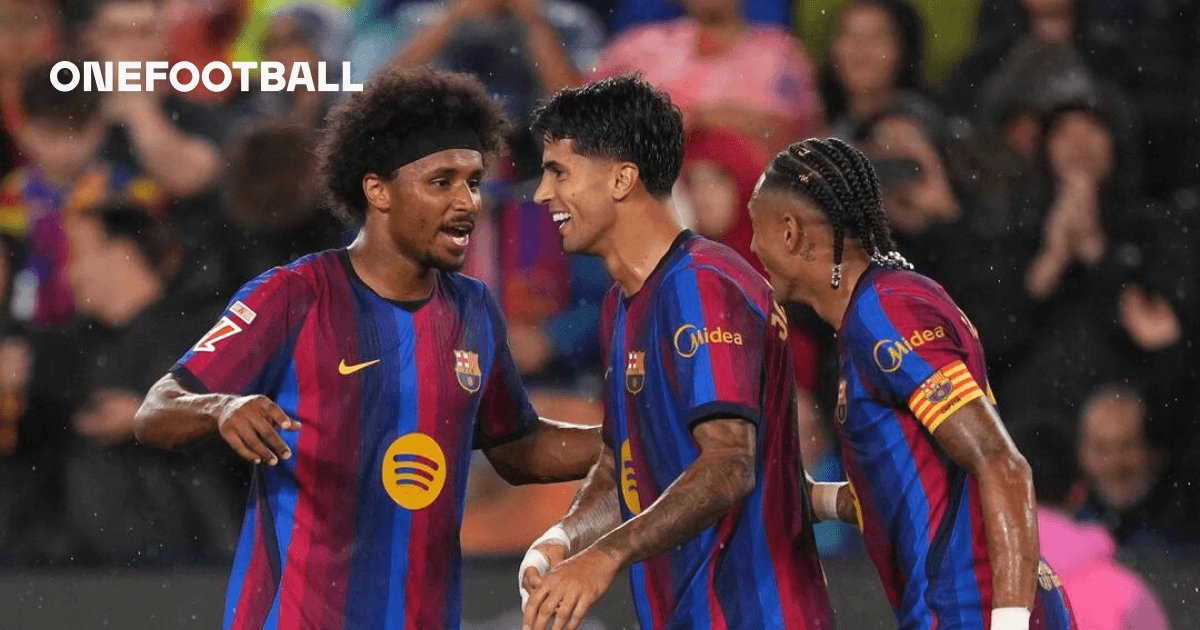
Raphinha’s Hat-Trick Powers Barcelona to 7-2 Victory Over Racing Santander
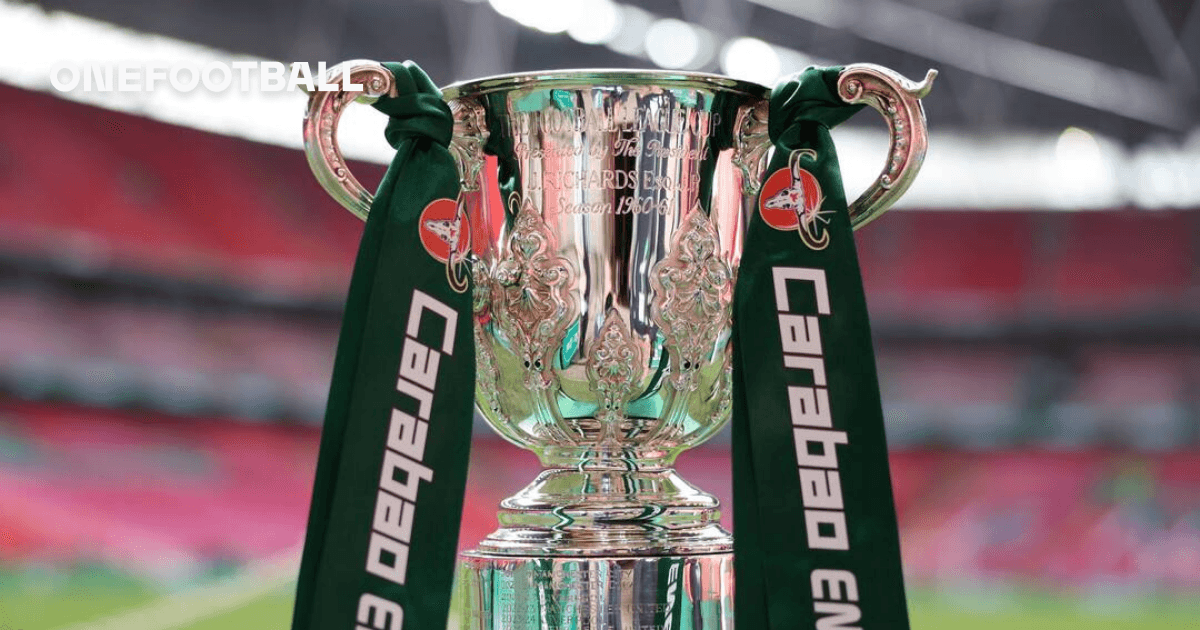
Carabao Cup Fourth Round Draw: Liverpool Set to Clash with Chelsea, Arsenal to Face Fleetwood Town
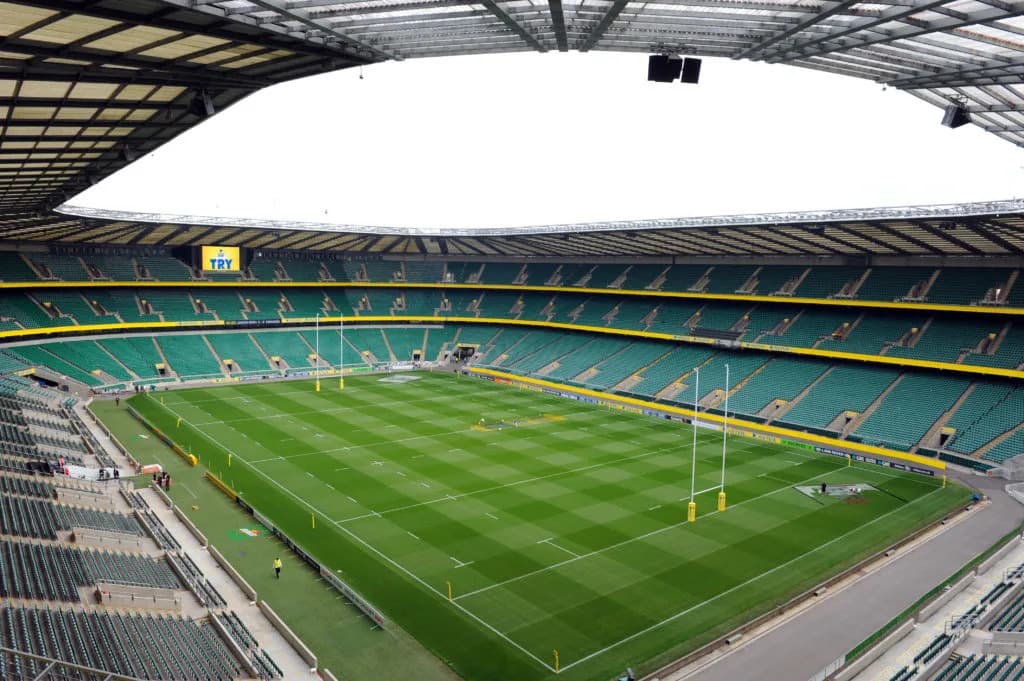
Key Football Matches to Watch in Azerbaijan This Autumn
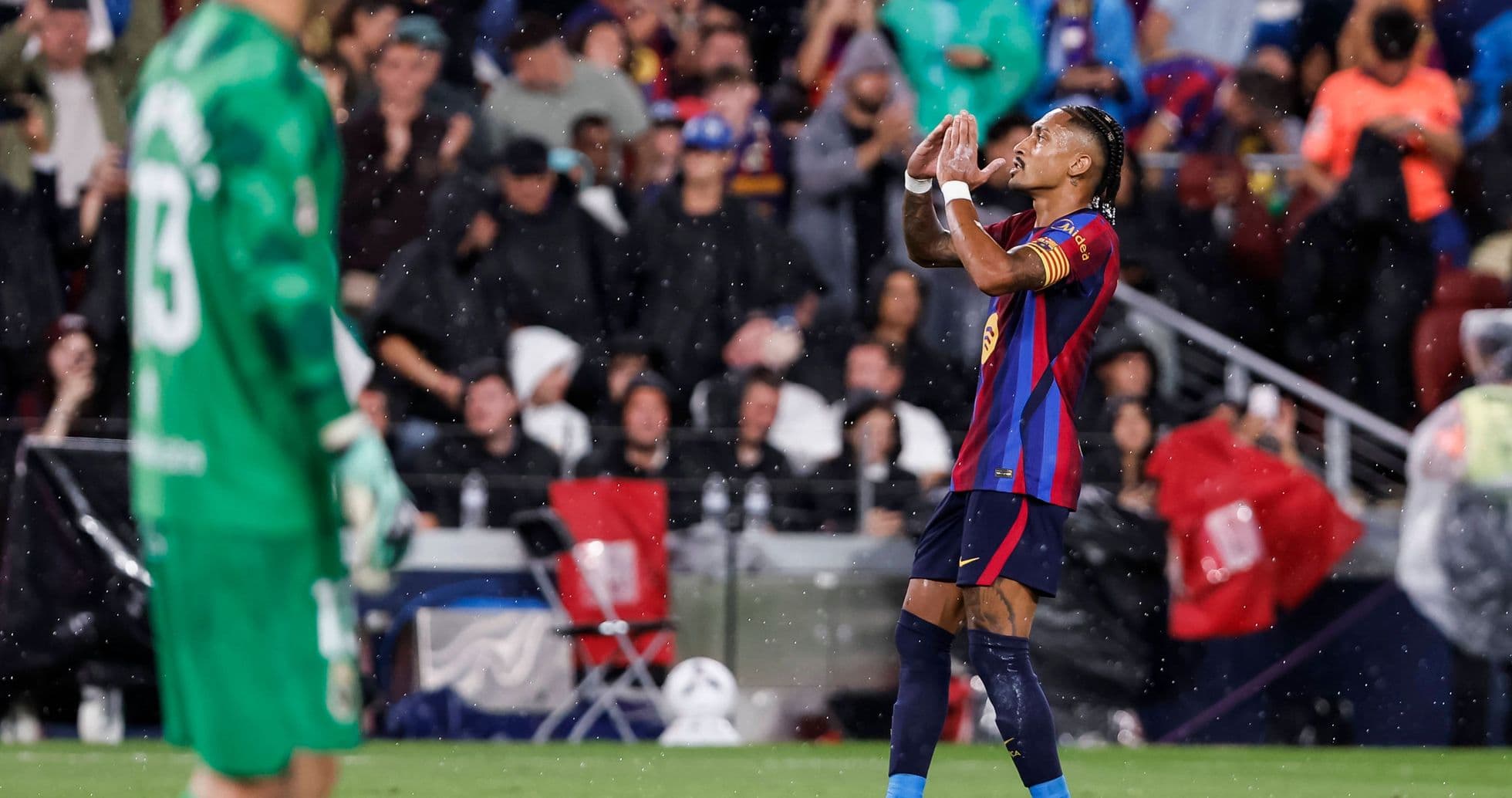
Raphinha's Hat-Trick Drives Barcelona to 7-2 Triumph Over Racing Santander
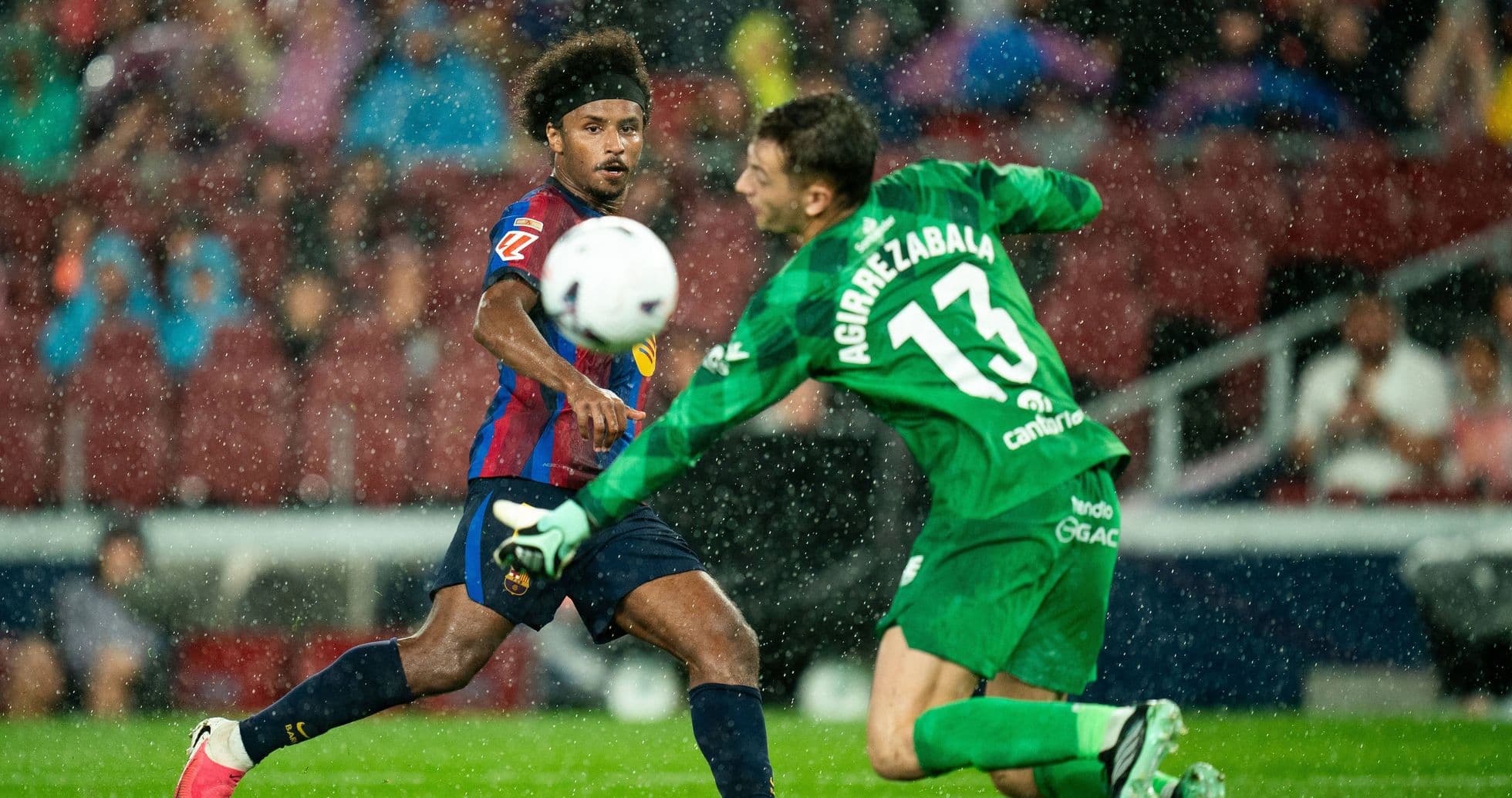
Hansi Flick Leads Barcelona to Record-Breaking Seven Wins in a Row
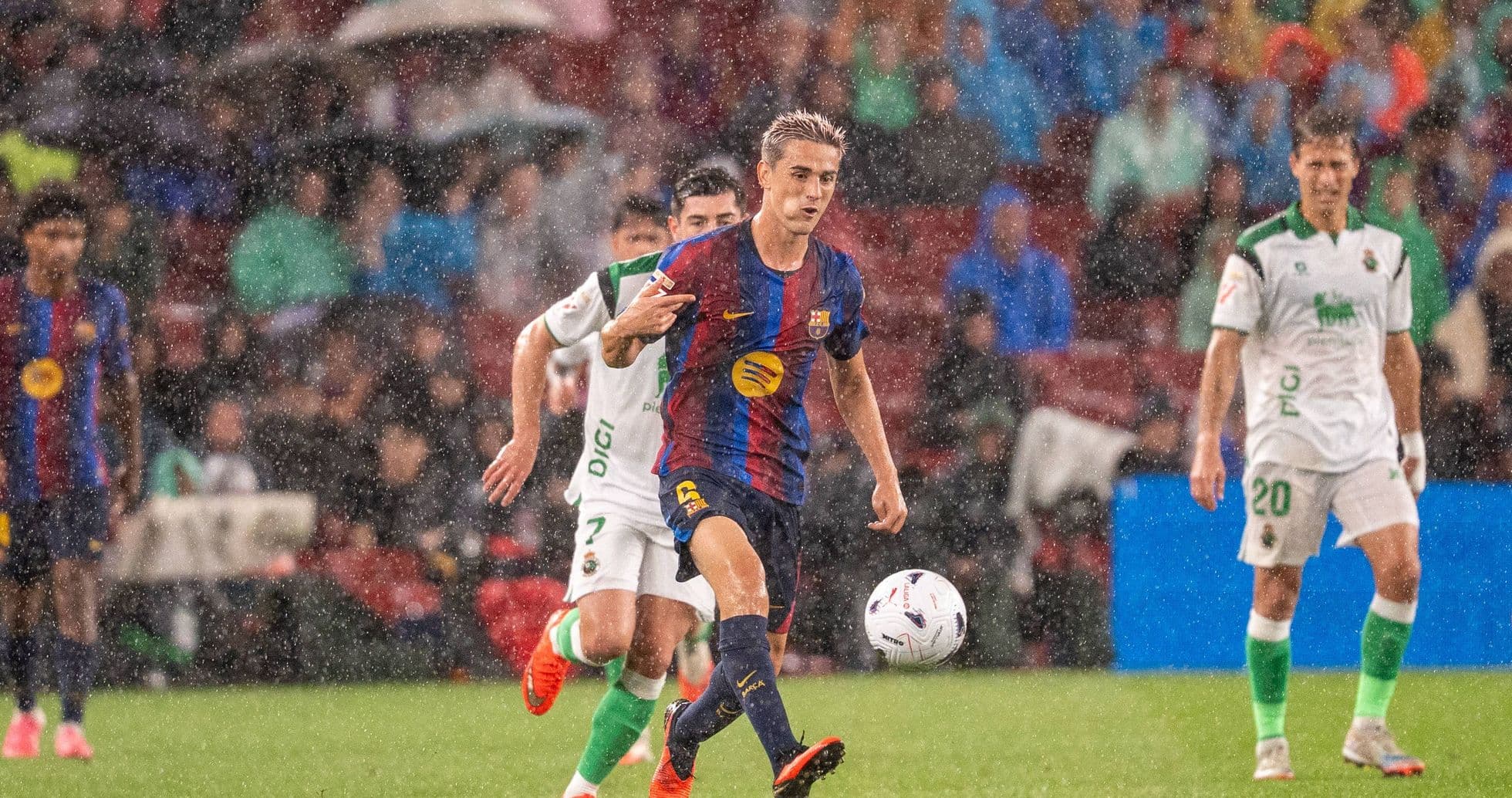
Gavi Reflects on Injury Return as Barcelona Dominate Racing Santander 7-2