
World Cup 2026 Preview: Italy Absent but Coaches Shine
At 20:00 tonight, the lights of the Estadio Azteca come back on for the biggest show football has ever staged. Mexico–South Africa will open a maxi World Cup that stretches across the United States and beyond, a tournament swollen to 48 participants and running all the way to a July 19 final.
Everyone is there. Almost.
Italy, once a permanent fixture at this level, will again watch from the outside. The tricolore will appear only on the touchline, carried by three coaches: Carlo Ancelotti, Fabio Cannavaro and Vincenzo Montella. Three different stories, one shared burden — representing a country that has lost its seat at the top table but not its obsession with it.
Messi Defends the Crown
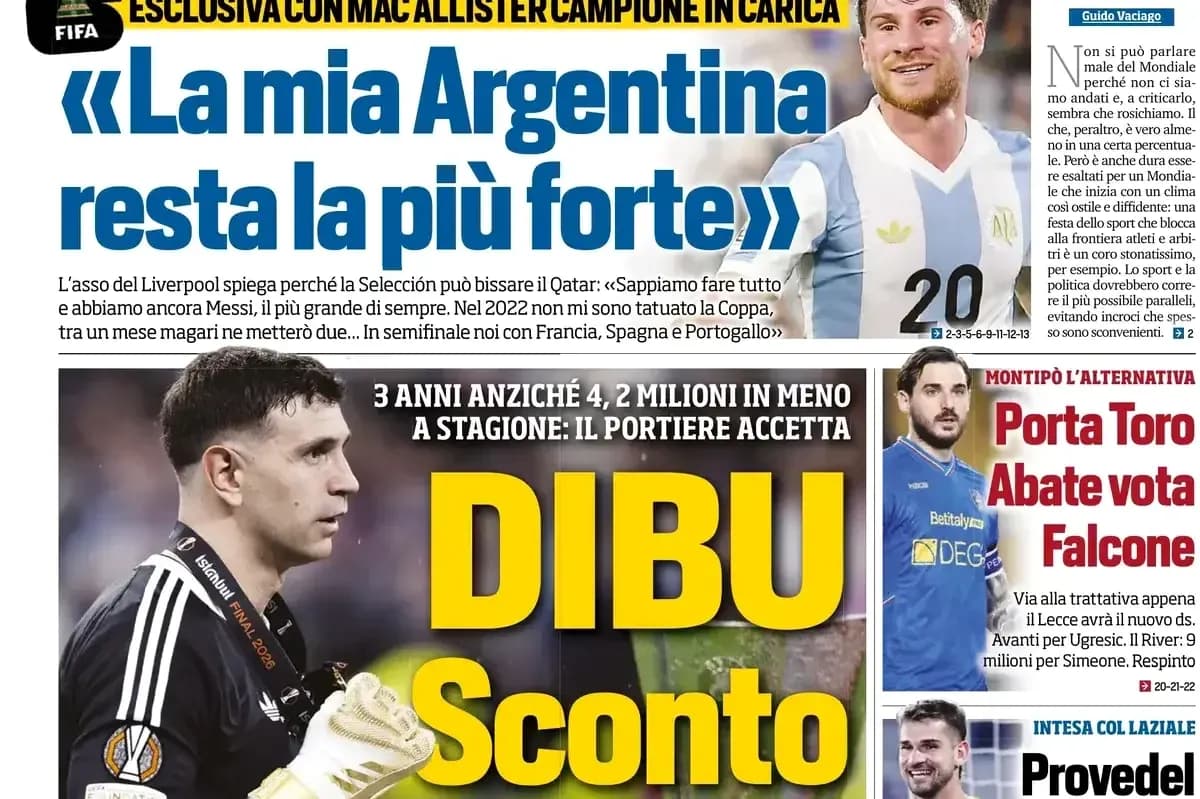
At the centre of it all stands Lionel Messi, still the reference point, still the man to beat. Argentina arrive as reigning champions, with the captain making it clear: they will not give up the trophy easily. “It will be tough to beat us,” he warns, a simple sentence that sounds like a statement of intent from a team that finally learned how to win when it mattered most.
Alexis Mac Allister, one of the architects of that triumph in Qatar and now a pillar at Liverpool, sees no reason to lower the bar. In an exclusive interview, he underlines why he believes the Selección remain the strongest.
Argentina, he says, “know how to do it” now. The group is mature, the structure solid, and Messi, “the greatest of all time,” is still there to tilt the balance. Mac Allister admits he skipped the traditional World Cup tattoo in 2022. This time, with a smile, he raises the stakes: in a month, he might get two. Confidence, bordering on certainty. He even sketches out his ideal last four: Argentina, France, Spain and Portugal in the semi‑finals. No room for surprises in his bracket.
Spain, the Algorithm and Rodri’s Claim
If the bookmakers lean towards France and Argentina, the numbers tell a slightly different story. One algorithm points to Spain as favourites, a verdict that finds an echo in the voice of Rodri. The Manchester City midfielder does not hide.
“The level has been raised,” he says, but he still puts his Spain at the top of the pile. It is a bold stance in a tournament that offers Kylian Mbappé, a rising Lamine Yamal, and the usual carousel of stars. Yet it fits the mood around La Roja: less noise than France, fewer headlines than Argentina, but a conviction that this generation has the tools to go deep.
France: Talent Overflow
France travel with a squad that looks like a luxury problem. So many stars, perhaps too many. An attack to be feared, a dressing room to be managed. The quality is unquestionable; the question is balance. Can a team bursting with egos and firepower stay aligned over a month of pressure, travel and controversy?
History says France either explode or implode. This group has enough talent to do both.
Italy on the Bench, Not on the Pitch
Back home, the gaze is split. On one side, the regret of another World Cup without the Azzurri. On the other, the quiet pride of seeing Italian coaching know‑how exported to the world stage.
Ancelotti, “our Carletto,” chases the one prize that has eluded his extraordinary career as a manager. Cannavaro and Montella, on different benches, carry their own ambitions and the subtle expectation of a country that will judge them as if they were players in blue.
This is Italy’s strange new role in the global game: absent from the pitch, influential on the sidelines.
Transfer Market Undercurrent: Juve Eye Dibu
While the world gathers at the Azteca, the Italian transfer market refuses to sleep. At Juventus, the focus locks onto Emiliano “Dibu” Martínez. The club have reached an agreement with the Argentina and Aston Villa goalkeeper on a three‑year deal with a salary reportedly reduced by 4.2 million per season compared to initial demands. A discount of that size is no small gesture.
Now the negotiation moves to Birmingham. Aston Villa want around 15 million. Juve, under the guidance of Giovanni Manna’s replacement structure and with the influence of sporting figures such as Comolli, are starting from a much lower base, around five. The gap is wide, the willingness of the player clear. Somewhere in the middle lies the solution.
Besiktas, meanwhile, have stepped forward for Michele Di Gregorio, a move that could further shape the dominoes in goal. Torino’s search for a new No.1 continues as well: Abate backs Wladimiro Falcone, with Lorenzo Montipò lined up as an alternative. Talks with Lecce will only start once the club appoint a new sporting director, with Ugresic among the names in the frame.
River Plate have tested the waters for Giovanni Simeone with a 9 million offer, promptly rejected. Inter, on the other hand, quietly strengthen: after Solet, they now have an agreement with Lazio goalkeeper Ivan Provedel, adding depth and competition. Bastoni’s agent cools any exit rumours, stressing that “Ale is happy at Inter.” The message is clear: some pillars are not for sale.
Sorloth, Ruggeri, Thuram and the Usual Summer Carousel
Across the peninsula, the market spins. Nico is close to securing Alexander Sørloth, an operation that could reshape attacking hierarchies. Atlético Madrid have set their sights on Matteo Ruggeri, a full‑back whose profile appeals in La Liga.
In England, the Premier League sharpens its claws for Marcus Thuram. An offer from across the Channel would mean more money for Kolo, another piece in a puzzle that stretches from Milan to London. Contacts have also been made for Lucumí, while Cagliari push for Gianluca Gaetano, hoping his creativity can lift their midfield.
Every name, every negotiation, is a reminder: even as the world watches the World Cup, Italian clubs are already building the next season.
Modric Between Madrid and Milan
Then there is Luka Modric, still a reference point in the European midfield landscape. Real Madrid have put a future role on the table, a position as director once he hangs up his boots. The Croatian, though, is not ready to close the chapter on his playing career just yet.
Before deciding, he wants to speak with the new coach, Oliver Glasner. Only after that conversation will he weigh Madrid’s offer against the pull of one last great adventure. Milan remain in the background, watching, talking, probing. For a club that has always loved artists in the middle of the pitch, the idea of Modric in red and black is as tempting as it is complex.
The Curtain Rises at the Azteca
Tonight, the first of three opening ceremonies will set the tone, followed by Mexico–South Africa at a stadium that breathes World Cup history. From there, the tournament will unfold across weeks, continents and time zones, with Messi defending, Mbappé chasing, Yamal exploding onto the scene and Spain trying to live up to Rodri’s words and the algorithm’s verdict.
Italy, for now, will have to settle for watching its coaches, tracking its transfer targets and dreaming of a time when the anthem will play again at a World Cup.
The world gathers at the Azteca. The question, for Italian football, is simple and brutal: how many more of these nights will pass before it walks back through that door?
Related News
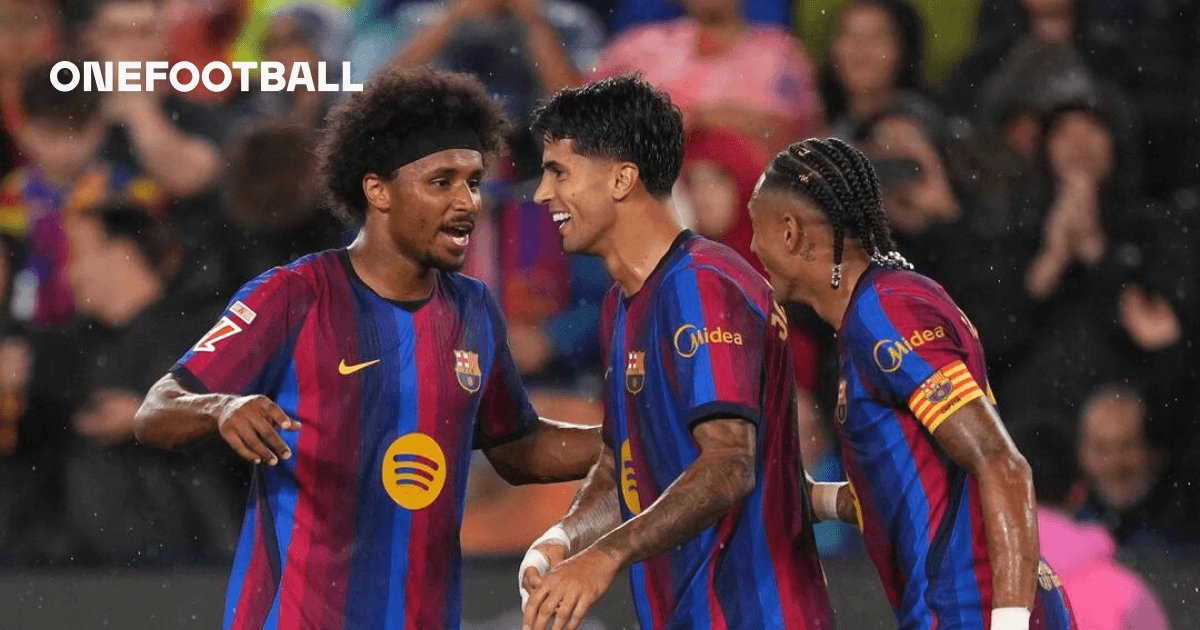
Raphinha’s Hat-Trick Powers Barcelona to 7-2 Victory Over Racing Santander
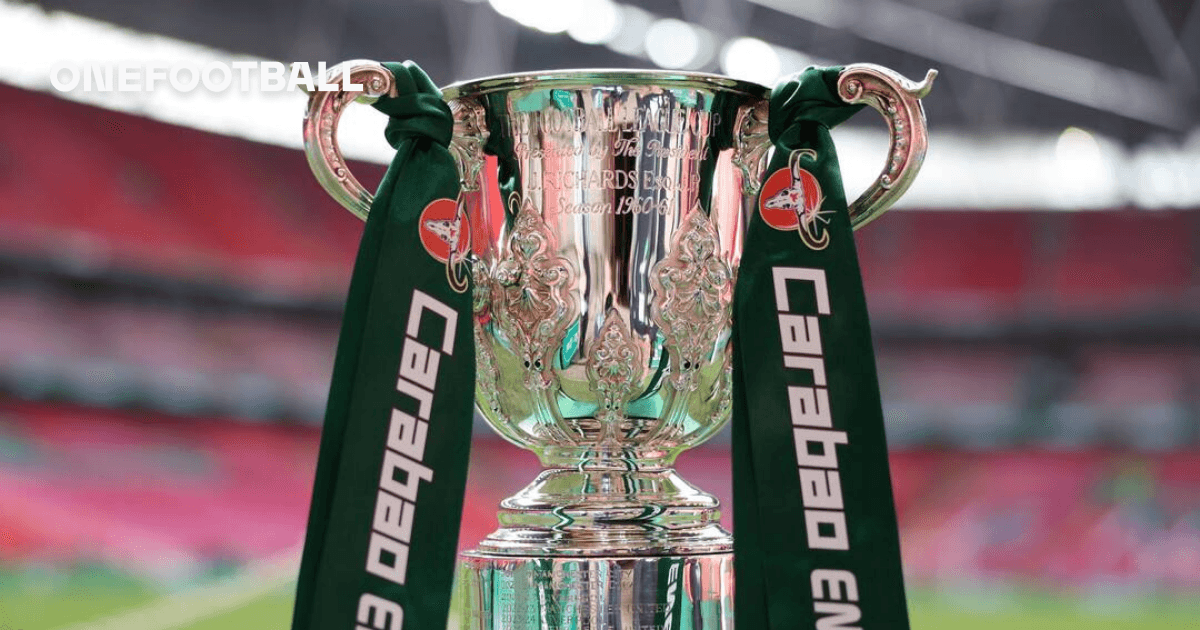
Carabao Cup Fourth Round Draw: Liverpool Set to Clash with Chelsea, Arsenal to Face Fleetwood Town
Key Football Matches to Watch in Azerbaijan This Autumn
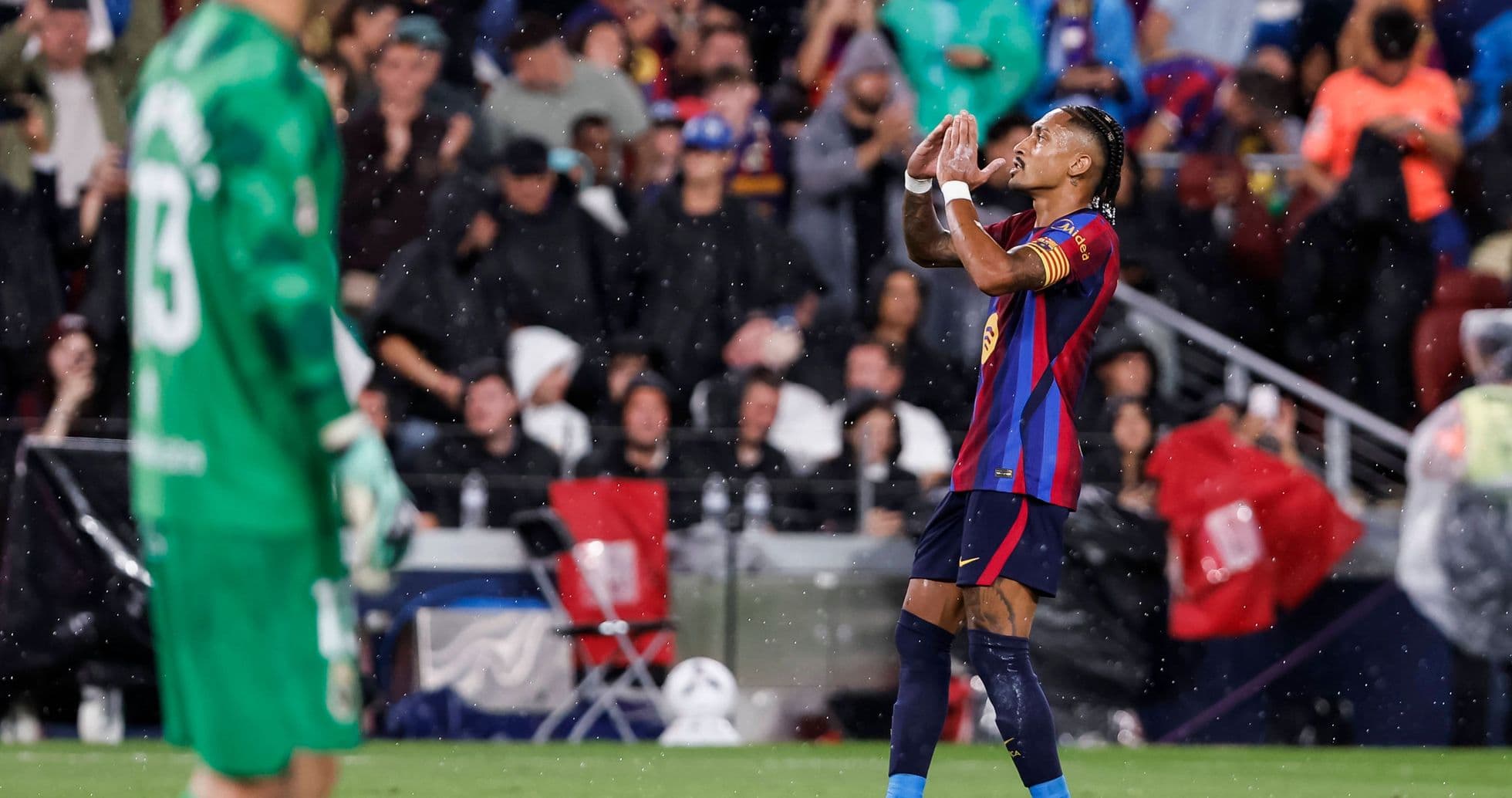
Raphinha's Hat-Trick Drives Barcelona to 7-2 Triumph Over Racing Santander
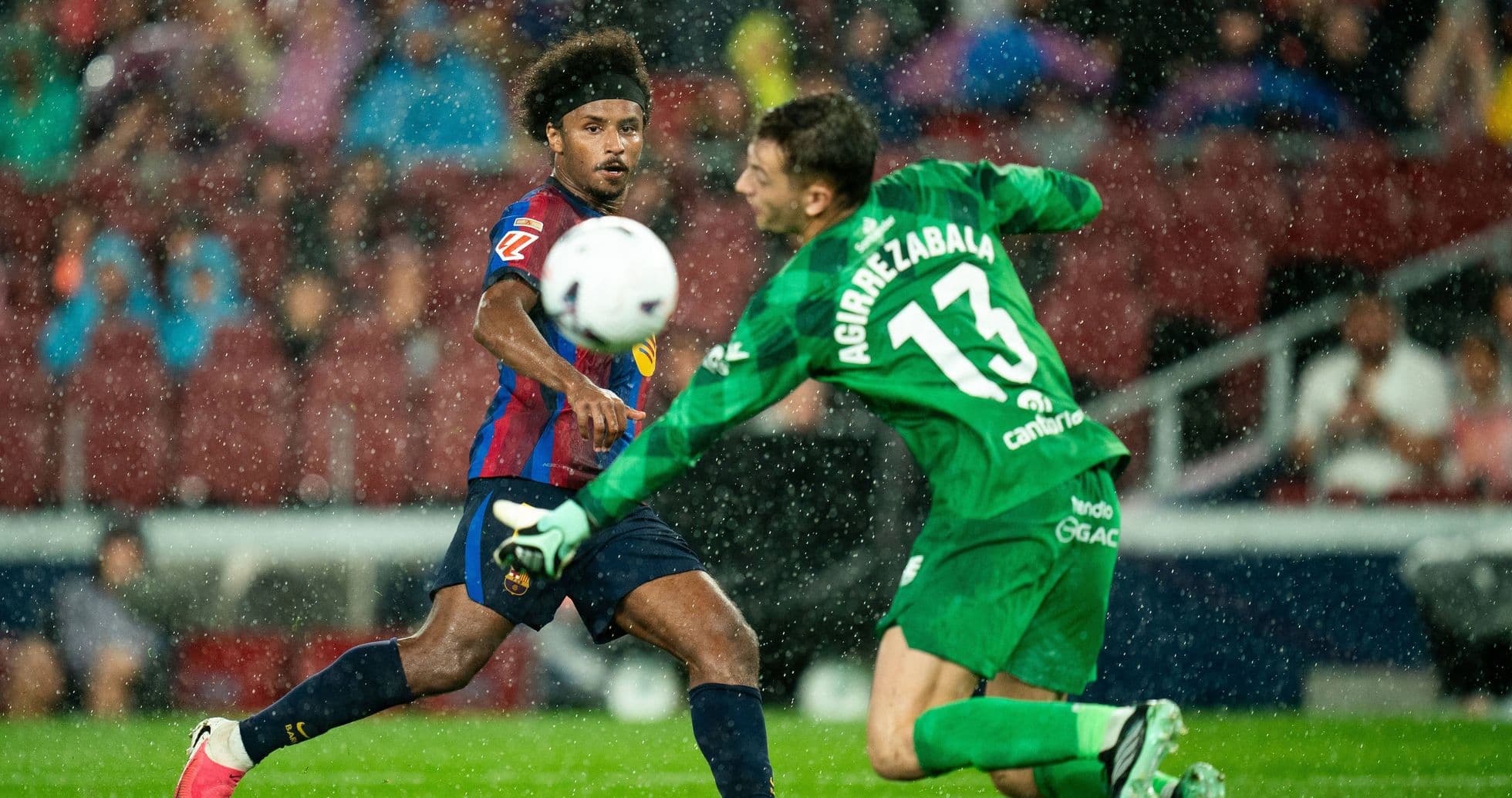
Hansi Flick Leads Barcelona to Record-Breaking Seven Wins in a Row
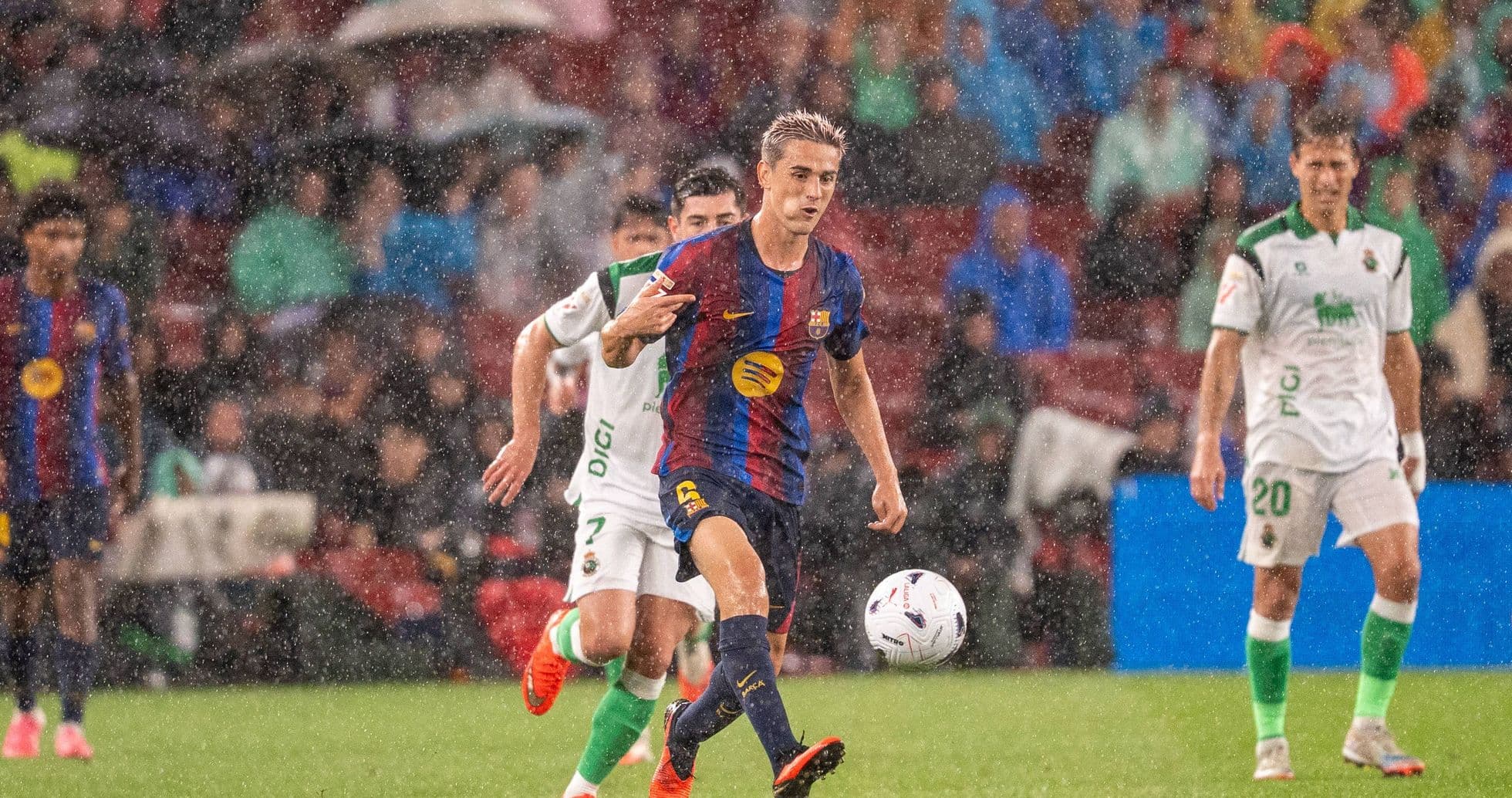
Gavi Reflects on Injury Return as Barcelona Dominate Racing Santander 7-2