
World Cup 2026: A Grand Tournament or Overstuffed Marathon?
The World Cup that wouldn’t stop growing is finally here.
In less than 12 hours, Mexico and South Africa walk out for the opening game of a tournament that will stretch to 104 matches, 48 teams and more than a month of football. Whether it becomes a grand epic or an overstuffed marathon is the question hanging over 2026.
A bloated beast, ready to roar
Tonight’s curtain-raiser in Mexico is the first step in FIFA’s most ambitious – or most bloated – World Cup yet. Twelve groups, three-team mini-leagues, and a round of 32 waiting on the other side. It’s designed to keep the giants safe and the broadcasters happy.
The jeopardy that once defined World Cup group stages has been dialled down. Two-thirds of the field will make the knockouts: the top two in every group plus the eight best third-placed sides. A team can lose twice and still sneak through. The drama that used to come crashing in on the final group night may now take its time.
For neutrals, that means a long runway before the real tension kicks in. For the heavyweights, it’s a safety net.
Favourites, flaws and final shots
On the pitch, the cast is irresistible.
Spain arrive as European champions and bookmakers’ favourites, armed with the deepest, most balanced squad in the tournament and a midfield that looks almost unfair on paper. Their one concern is Lamine Yamal. The teenager’s hamstring problem leaves his availability for the early group games uncertain, so Spain may have to ease their brightest talent into the tournament rather than unleash him from day one.
France stand directly in their path. Twice finalists in a row, they bring a squad stacked with attacking menace: Kylian Mbappé, Ousmane Dembélé, Michael Olise, Désiré Doué. If both Spain and France win their groups, they can’t meet until the semi-finals. That potential showdown already feels like the tournament’s gravitational centre.
For Didier Deschamps, this is the last dance. He leaves Les Bleus after this World Cup, having already delivered a title and a final. One more step, one more trophy, would close the circle.
England arrive in a different kind of mood. Scarred by years of near-misses but buoyed by a run to the Euro 2024 final, they now have Thomas Tuchel on the touchline and a far more aggressive, high-intensity style. The German has not tiptoed into the job. Phil Foden, Cole Palmer, Trent Alexander-Arnold – all left at home. Tuchel has chosen system over star power, structure over sentiment. If it works, he’ll be hailed as a visionary. If it doesn’t, those omissions will be thrown back at him for years.
Then there are the old kings.
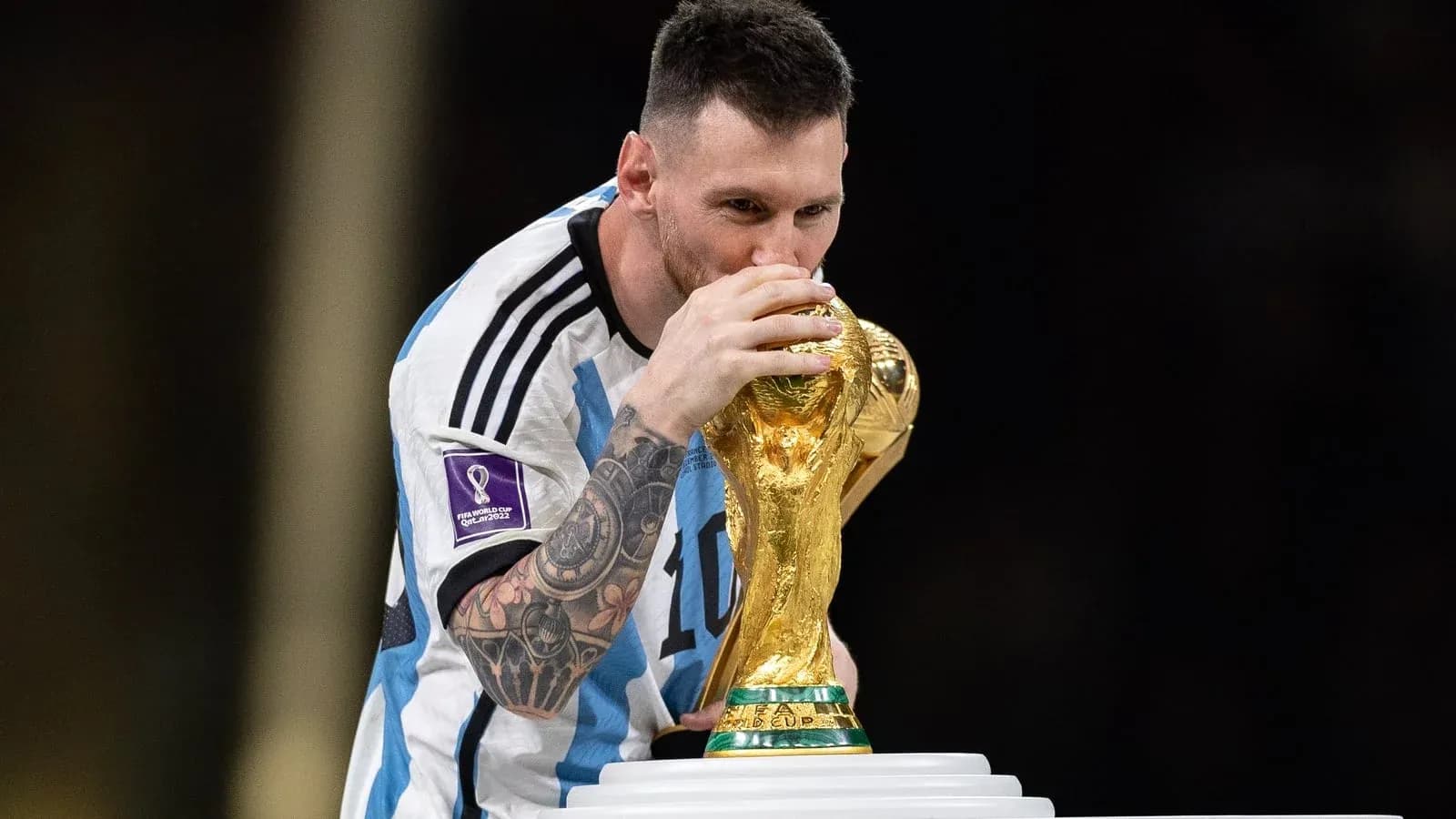
Argentina arrive as reigning champions, Lionel Messi at 38 still at the heart of everything, still chasing history. No team has retained the World Cup since Brazil in 1962. Messi is trying to drag Argentina to that rare air and, in doing so, finally pull clear of Diego Maradona in the eternal national argument. One more month of magic, one more tournament bent to his will – that’s the dream. Whether his legs can still carry the load is another matter.
Brazil, now under Carlo Ancelotti, are powerful but imperfect. There is genuine quality in Vinícius Júnior, Raphinha, Marquinhos and across the back line. The attack can hurt anyone. The doubts sit in midfield and in a qualification campaign that never fully convinced. They’re dangerous, but not invincible, not the sweeping force they once were.
For Portugal and Cristiano Ronaldo, this is the last crack at the one trophy that has always stayed just out of reach. Ronaldo’s presence guarantees global attention, but whether that spotlight helps or hinders Portugal’s collective cause remains open.
And the old line about Germany? It still holds. Under Julian Nagelsmann, they look modern, aggressive and tactically sharp. You ignore them at your peril.
Dark horses and dead rubbers
Beyond the superpowers, the expanded format has opened the door to more nations – and more potential mismatches.
Germany face Curaçao on Sunday. Spain meet Cape Verde on Monday. On paper, both fixtures look like potential hammerings. Qatar v Switzerland and Uzbekistan v Colombia will matter deeply to those nations, but they’re hardly the kind of games to set pulses racing worldwide.
Yet Colombia, Senegal and Morocco sit quietly in the shadows, ready to spoil the script. All three have the talent and resilience to bloody a heavyweight nose in the knockouts. In a long tournament, with tired legs and hot conditions, that edge could be decisive.
The risk is that we wade through too many one-sided group games before we get there.
Heat, fatigue and survival
The calendar is brutal. The travel is heavy. The conditions might be the toughest opponent of all.
Miami, Houston, Guadalajara, Mexico City – cities where June and July can be punishing. FIFA has already mandated hydration breaks at the 22nd and 67th minutes in every match, no matter the weather. Daytime games have been funnelled into air-conditioned stadiums where possible, but there’s no hiding from the heat entirely.
On paper, that should favour Spain, Brazil, Argentina and Mexico, nations more accustomed to playing in sweltering conditions. In reality, every squad will be stretched. Teams that go the distance will play eight matches. Eight. That’s a full European knockout run bolted onto an already relentless club season.
Coaches know it. The first couple of group games will see heavy rotation and minutes management. Messi, Neymar, Yamal, Bukayo Saka, Nico Williams – many of the tournament’s brightest stars will be wrapped in cotton wool early on, their workloads monitored, their minutes rationed. The early phase may feel more like controlled sparring than full-blooded combat.
A test of stamina for fans too
The strain isn’t just on the players.
For Irish fans, the kick-off times are unforgiving. Brazil’s opener against Morocco lands at 11pm on Saturday night. Argentina start their title defence at 2am on a Wednesday. Alarm clocks, dark circles and industrial-strength coffee will be part of the World Cup experience.
The schedule, the time zones, the length of the tournament – this World Cup is demanding a lot from its audience. Stadium-goers face long journeys and awkward start times. Viewers at home must commit to a month of late nights and early mornings, with no guarantee that the first half of the competition will deliver the drama to justify it.
Worth the wait?
So here it is: a supersized World Cup, stretched across a continent, built to protect the elite and showcase as many nations as possible, even if that means a slow burn at the start.
The storylines are irresistible. Messi’s last stand. Ronaldo’s final shot. Spain’s quest for a new dynasty. France chasing redemption. England gambling on a ruthless new manager. Brazil trying to rediscover their aura.
The football will answer the rest.
By 19 July, when the final whistle blows on match 104, we’ll know if this expanded World Cup was a bold step forward or a step too far.
Related News
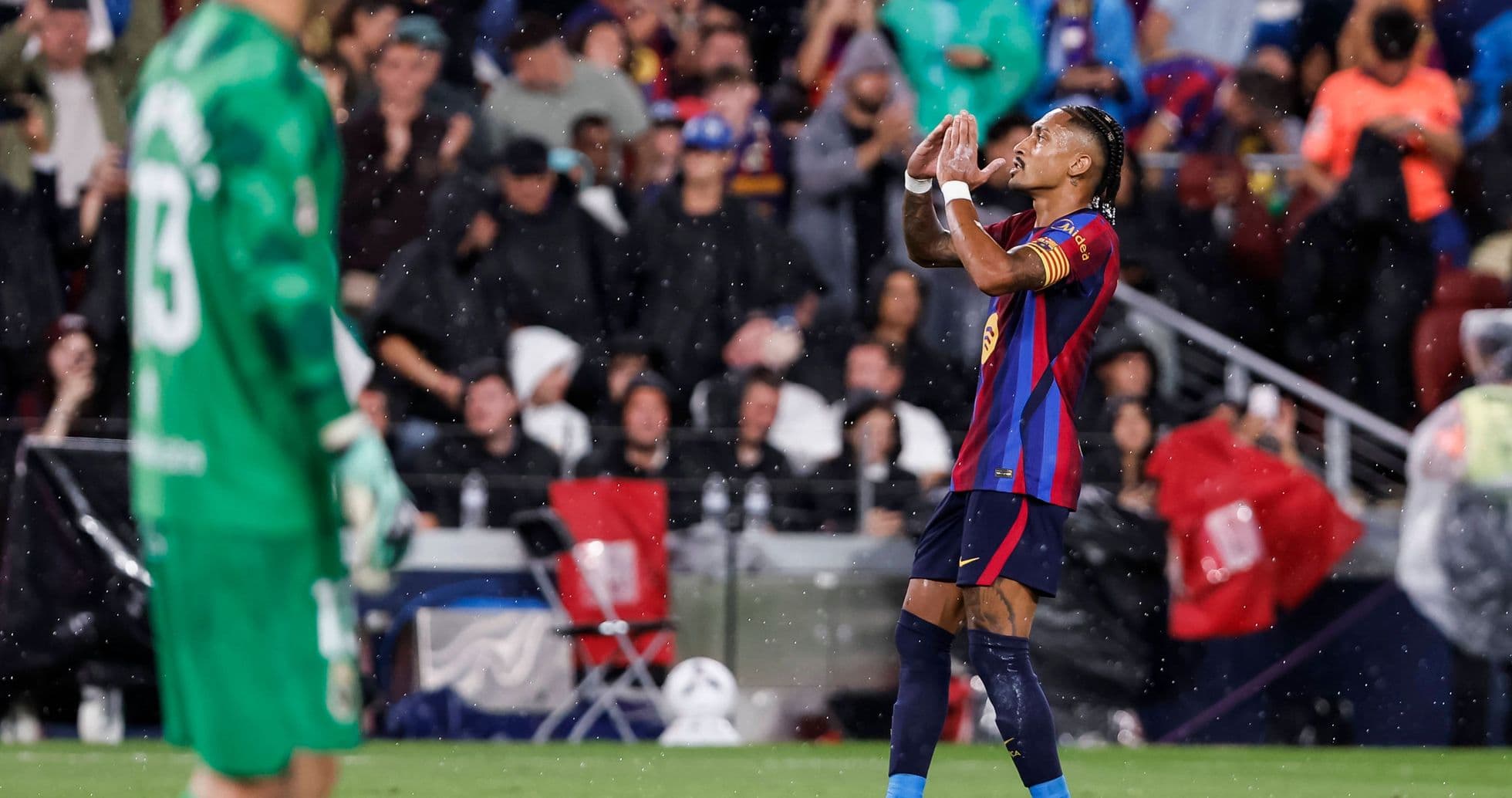
Raphinha’s Hat-Trick Powers Barcelona to 7-2 Victory Over Racing Santander
Carabao Cup Fourth Round Draw: Liverpool Set to Clash with Chelsea, Arsenal to Face Fleetwood Town
Key Football Matches to Watch in Azerbaijan This Autumn
Raphinha's Hat-Trick Drives Barcelona to 7-2 Triumph Over Racing Santander
Hansi Flick Leads Barcelona to Record-Breaking Seven Wins in a Row
Gavi Reflects on Injury Return as Barcelona Dominate Racing Santander 7-2