
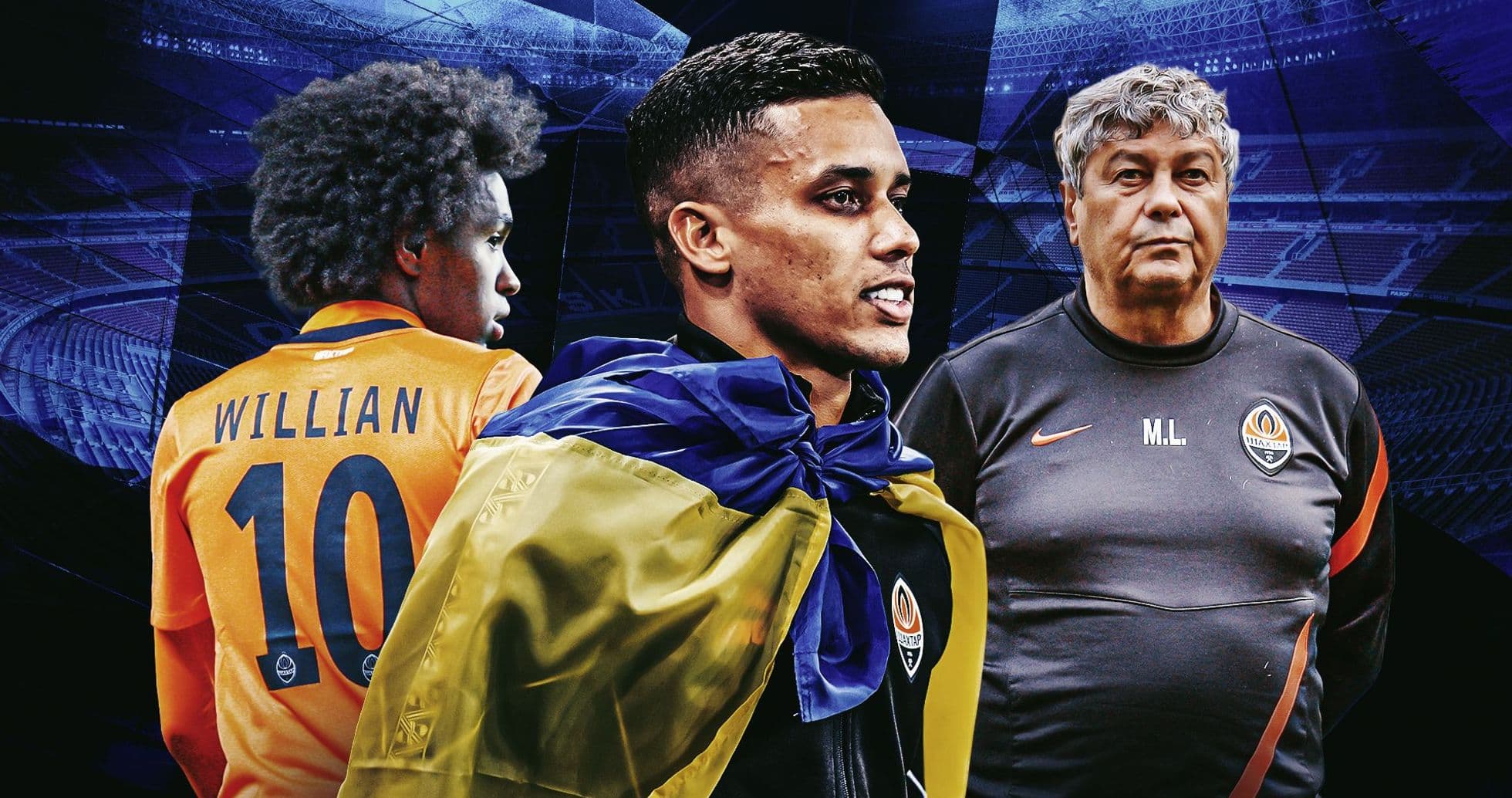
Why Young Brazilians Still Choose Shakhtar Donetsk Amid Ongoing War in Ukraine
Shakhtar Donetsk has maintained its tradition of signing young Brazilian footballers even as the brutal war in Ukraine continues. The club, displaced from its home city due to the conflict that began more than a decade ago, remains a key destination for Brazilian talents aiming to break into European football.
Longstanding Conflict and Displacement
The war affecting Ukraine is often marked from Russia’s full-scale invasion in February 2022, but for Shakhtar Donetsk, the struggle dates back twelve years. Donetsk, the club’s original base, was central to early tensions, leading to their exile following violence starting in 2014 and ongoing occupation by Russia. Their home stadium, Donbas Arena, suffered damage from shelling, and they have been forced to train and play matches far from their roots, alternating between Kyiv, Lviv, and foreign venues in Poland and Germany.
A Brazilian Legacy Over Two Decades
More than twenty years ago, under club owner Rinat Akhmetov and manager Mircea Lucescu, Shakhtar initiated its well-known strategy of recruiting young Brazilian players. This approach blossomed with signings like Elano, Jadson, Fernandinho, Luiz Adriano, Taison, and Willian. These players not only thrived in Ukraine but also moved on to prominent European clubs, making Shakhtar a recognized incubator for Brazilian talent.
Lucescu once said, “We wanted to attract fans... Only Brazilians put on a show.”
Record Number of Brazilians Amidst Adversity
Despite the upheaval caused by the war and displacement, Shakhtar welcomed their 50th Brazilian player, Ryan Roberto from Flamengo, in July 2026. They currently hold a record 14 Brazilian players on their roster, demonstrating an enduring Brazilian enclave 10,000 kilometers away from home. Roberto highlighted the welcoming atmosphere, saying, "The club knows how to receive Brazilians and how to deal with them."
Adapting and Surviving During War
Sergei Palkin, Shakhtar’s CEO for over two decades, insists that war is no excuse to halt operations. Instead, it forces quick decisions and adaptations. The club offers young Brazilians a career pathway to Europe’s top leagues rather than comfort, which is impossible amid war. They emphasize development and trust in their ability to nurture talent.
Players like Pedrinho, who joined before the war, appreciate the strong Brazilian community at Shakhtar, which eases adaptation. He praised the support from Ukrainian teammates and staff, who respect and help make life easier despite challenging circumstances.
Mental and Logistical Challenges
Living in a conflict zone is mentally taxing, especially for younger players. Air-raid sirens and sheltering are regular realities even in western Ukraine, far from the frontlines. Travel logistics also strain players, with long bus journeys impacting fitness and recovery.
Pedrinho explained, “Spending 10 or 12 hours traveling to a match and then playing again shortly after increases injury risk.”
Business Model Evolution and Market Competition
Shakhtar’s model of buying young Brazilians, developing them, and selling them for profit has remained effective despite the conflict. Notable sales include Mykhailo Mudryk to Chelsea for £89 million and Kevin to Fulham for nearly €40 million. The war accelerated changes: players now adapt quickly without lengthy integration periods.
Nevertheless, competition in Brazil’s market has intensified. Wealthier European clubs like Chelsea and Manchester City directly target top Brazilian talent at younger ages, making it harder for Shakhtar to secure some prospects. The club now focuses on even younger players, such as Bruninho, hoping to develop them before bigger clubs intervene.
Importance of Champions League Participation
Securing Champions League qualification remains critical for Shakhtar’s appeal and financial health. Their league victory in 2025-26 granted direct entry to the 2026-27 group stage. Playing in the Champions League attracts Brazilian players eager to compete at the highest level.
Shakhtar began their 2026-27 Champions League campaign with a 1-1 draw against PSV Eindhoven. They plan to host home games at Chelsea’s Stamford Bridge, tapping into London’s large Ukrainian and Brazilian communities while exploring new commercial opportunities.
Resilience and Future Outlook
Appointing former Turkey and Barcelona midfielder Arda Turan as head coach has helped grow a fanbase beyond Ukraine, notably in Turkey. Despite the challenges of exile and war, Shakhtar has reclaimed domestic dominance and continues to innovate their recruitment and business approach.
Experts view Shakhtar’s persistence as a survival story backed by a wealthy owner and a proven model. They aim to consistently sell top players, maintain Champions League presence, and expand global partnerships.
A Home Away From Home
Pedrinho credits the thriving Brazilian community within the club as a key reason why Shakhtar remains attractive to young talents. The opportunity to play regularly in important competitions makes the club a valuable stepping stone. Though the war complicates matters, many Brazilians find comfort in the established support network.
“If it weren’t for the war, Shakhtar would be the best club in the world to start your career,” Pedrinho said.
Despite all difficulties, football remains a source of joy for the players, helping them endure and continue pursuing their dreams far from home.
Related News

Raphinha’s Hat-Trick Powers Barcelona to 7-2 Victory Over Racing Santander

Carabao Cup Fourth Round Draw: Liverpool Set to Clash with Chelsea, Arsenal to Face Fleetwood Town
Key Football Matches to Watch in Azerbaijan This Autumn
Raphinha's Hat-Trick Drives Barcelona to 7-2 Triumph Over Racing Santander
Hansi Flick Leads Barcelona to Record-Breaking Seven Wins in a Row
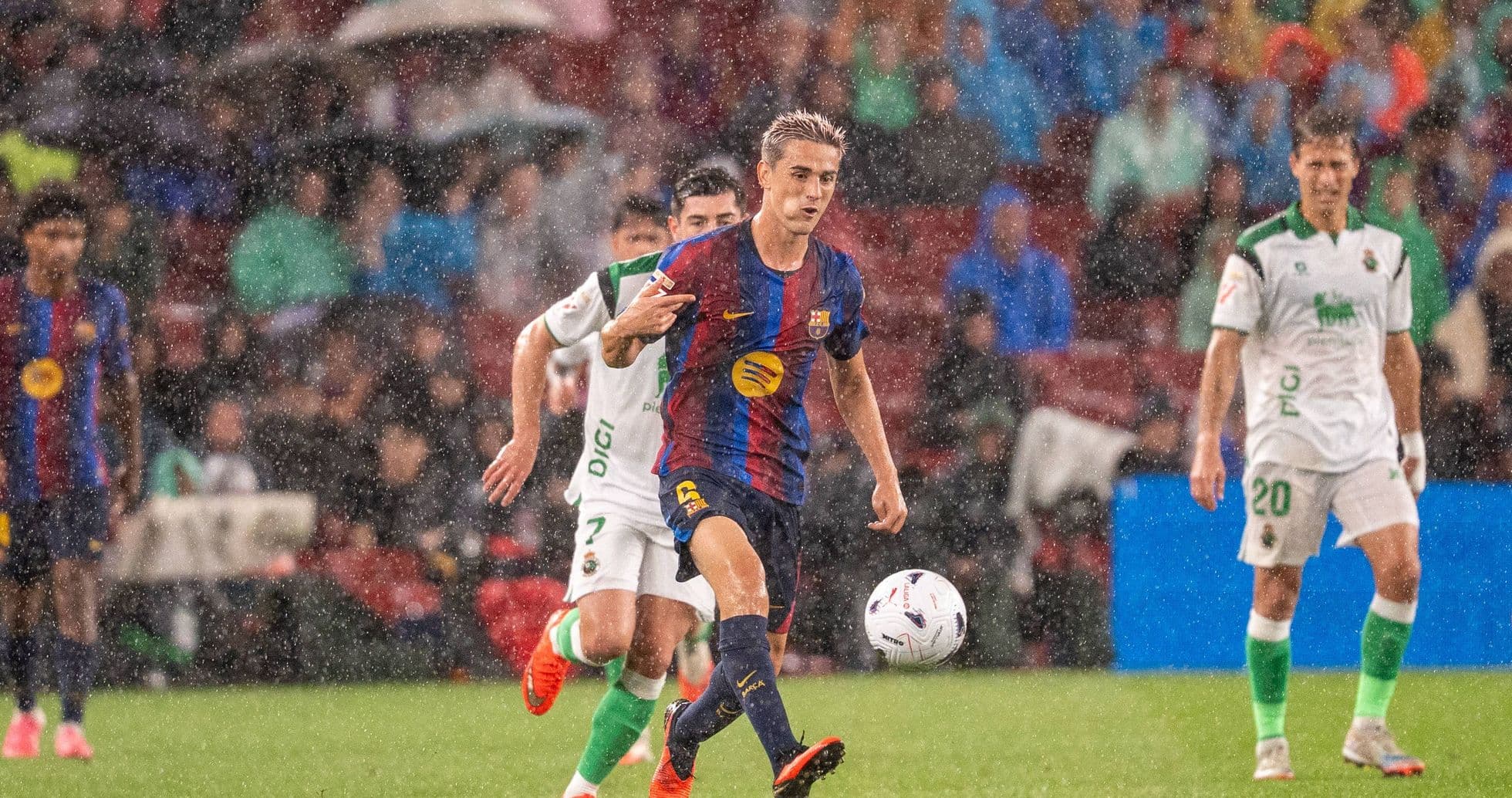
Gavi Reflects on Injury Return as Barcelona Dominate Racing Santander 7-2