
Western United’s A-League Licence Termination: A New Chapter Ahead
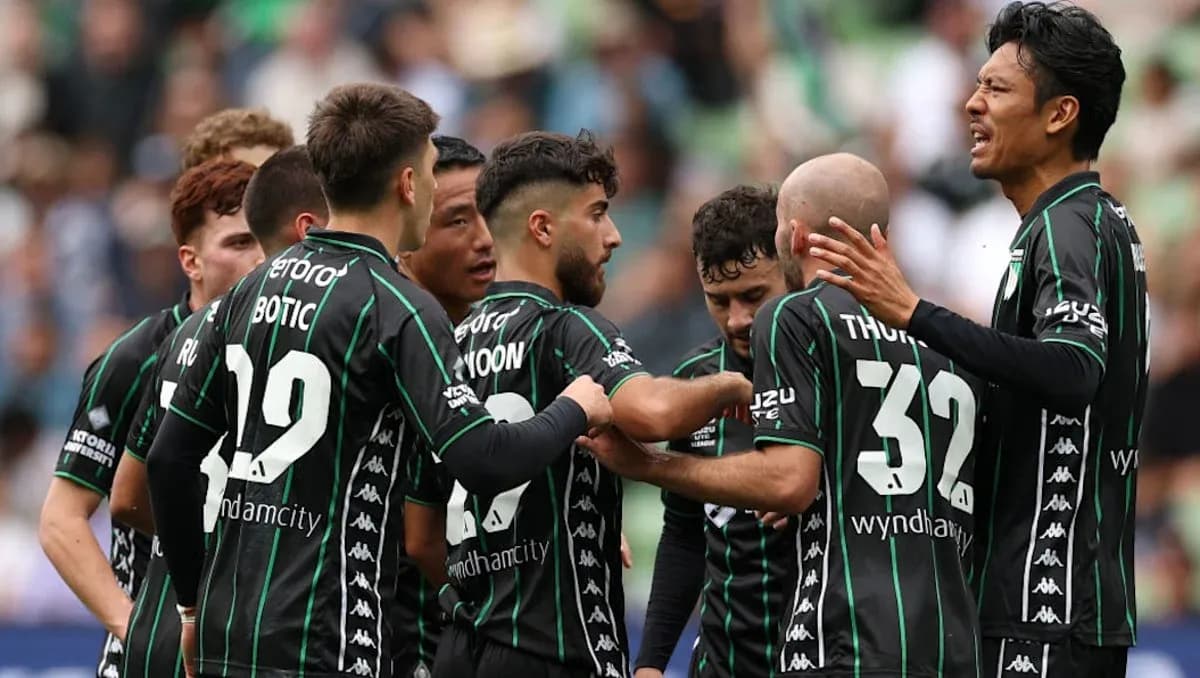
Western United’s A-League licence has been officially terminated, closing the door on the club’s immediate future in the national competitions and underlining one of the most dramatic collapses in recent Australian football history.
What began as a hibernation has now become an ending – at least for this era of the club.
Licence gone, dream on hold
The Australian Professional Leagues confirmed on Monday that Western United had breached “a number of its obligations” under the conditional hibernation agreement struck in September last year. That deal was supposed to buy time, a breathing space while the club tried to sort out its finances, governance and legal mess.
Time ran out.
United had chased a takeover from an American investment group, exploring every possible route to keep the A-League dream alive. No bid materialised. Without fresh money, the numbers simply crushed them.
The real damage had already been done late last year, when Football Australia stripped the club of its licence and Western United was placed into liquidation under the weight of a reported $15 million tax debt. Players instantly became free agents. The squad scattered. Coach John Aloisi, the architect of the club’s finest moments, left in January to take charge of Chengdu Rongcheng FC in China.
By then, the writing was on the wall. Monday’s announcement merely carved it in stone.
APL chairperson Stephen Conroy acknowledged the human cost in a statement that carried the weight of finality.
“It’s been a difficult period for everyone connected to Western United - and we want to acknowledge the management, staff, players and especially the fans - who have given so much to the club and will no doubt be hurt by this news,” he wrote.
From collapse to “new chapter”
If the league’s tone was sombre, the club’s was defiant.
Within hours of the APL decision, Western United issued its own statement, determined to frame the licence loss not as a funeral, but as a reset.
“Today marks a significant moment in our history and the beginning of a new chapter,” the club declared.
On paper, that sounds optimistic for a club without a licence, without a senior squad and without a coach. Yet United insists the story is not over. The message is clear: this is not a eulogy.
The club says it has been working with the APL on a pathway that could allow Western United to “survive, rebuild and return to the A-League under new ownership”. The target is ambitious and specific – a comeback for the 2027/28 season.
That is three full campaigns away. A long road, even if the foundations are rebuilt perfectly.
Identity on the line in Melbourne’s west
The battle now moves off the pitch and into boardrooms and council chambers.
Western United’s statement stressed that the priority is to find a sustainable model in partnership with the APL, Wyndham City Council, various levels of government, potential new owners and the wider football community. The language is deliberate: “new custodians, new investment and a fresh start.”
The club’s identity – a badge meant to represent Melbourne’s west – sits at the heart of the push. United made it clear that preserving that identity is non-negotiable as it eyes a return.
“The objective must now be to preserve Western United’s identity in Melbourne’s west and work towards a return to the A-League for the 2027/28 season,” the statement read.
Then came the line that sums up the mood inside the club.
“This should not be the end of Western United. It should be the reset that allows the club to rebuild and return stronger.”
A hard reset, not a soft landing
Strip away the rhetoric and the reality remains stark. Western United no longer has a place in the A-League Men or Women. The club has no licence, no active senior teams, and a recent history defined by financial failure.
Yet Australian football has seen rebirth before. Brands have disappeared and re-emerged. Communities have rallied around badges they refused to let die.
Now the question hangs over Melbourne’s west: can Western United turn a liquidation, a licence loss and a fractured squad into the foundation for a genuine second life – or will 2027/28 arrive with that promise still stuck on paper?
Related News
Carlos Alcaraz Urges Tennis Organizers to Stop Matches Finishing in the Early Morning
Carlos Alcaraz Frustrated by 3:30 a.m. US Open Finish: 'Too Much'
Jannik Sinner Set for ATP 500 Return in Beijing with Novak Djokovic Also Competing
Meet Iva Jovic: The Rising American Tennis Talent
Flavio Cobolli Shares Insights on Training with Jannik Sinner Ahead of His Tennis Return

Till vs Romero: Fight Details, Undercard, and Viewing Info for This Weekend