
Wayne Rooney Critiques Guards of Honour During Match
Wayne Rooney did not hide his disgust. On a night when Manchester City wrapped a decade of Pep Guardiola into one long, emotional goodbye, it was the sight of Aston Villa players forming guards of honour mid‑match that left one of English football’s fiercest competitors shaking his head.
Guards of honour in the heat of battle
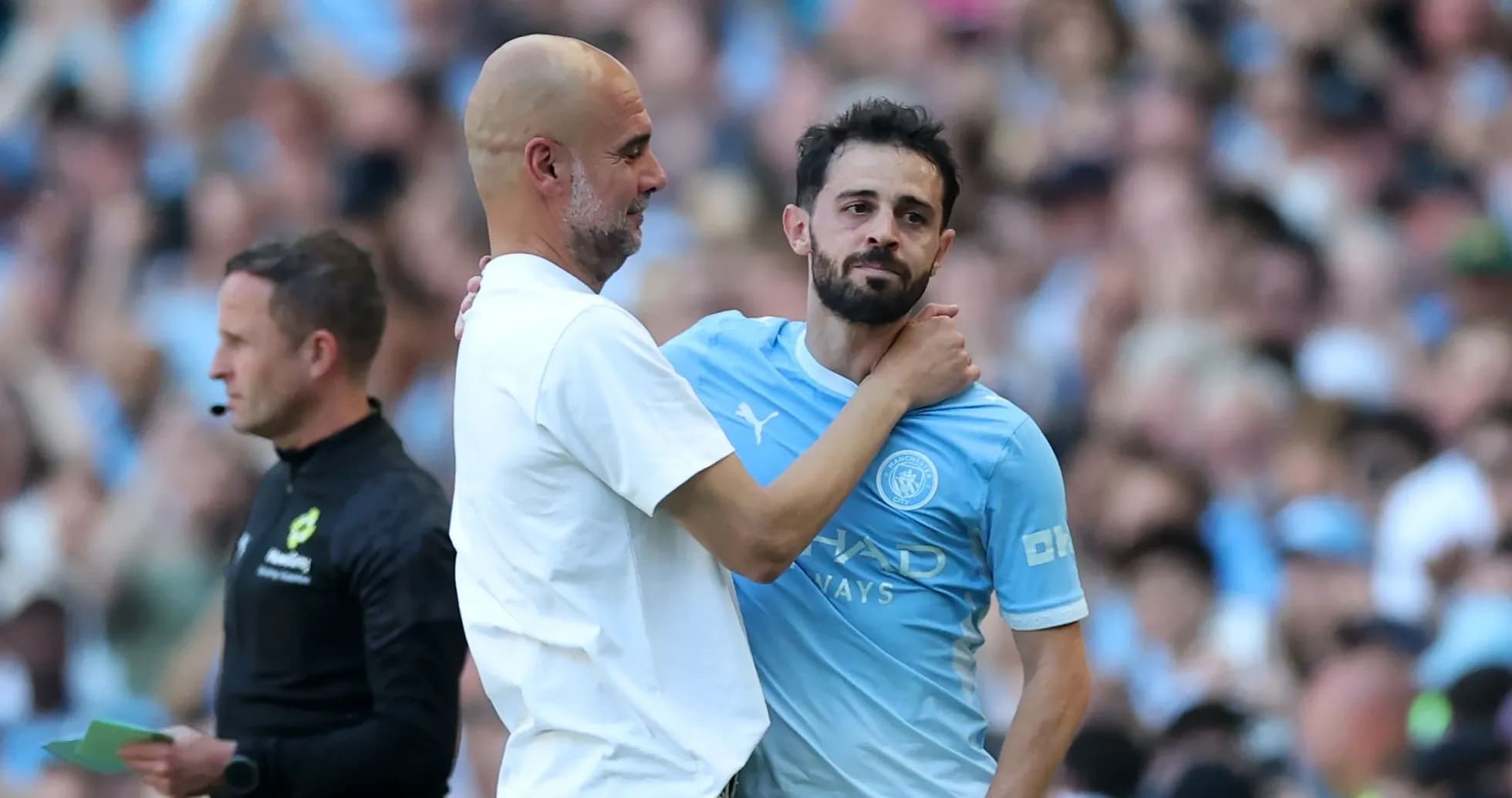
Twice in the second half at the Etihad, with the game still alive, play stopped for ceremony. First Bernardo Silva, then John Stones, walked off to applause from both sets of players, forming respectful corridors as the pair made their way to the touchline.
The sentiment was clear. The timing, for Rooney, was unforgivable.
"It's incredible," he told BBC Match of the Day. "I've seen a few things this season, and it just makes me sad that some of these things are happening in football. Bernardo Silva and John Stones have been incredible for Manchester City and they deserve it, but do it after the game. If I was in that Aston Villa team, I'd be fuming."
Silva departed just before the hour with the scores level. Twenty minutes later, Stones received the same treatment. Both moments drew warm applause from the stands, but also an immediate backlash from those who believe the Premier League’s edge, its ruthless competitive core, should not be dulled by in-game tributes.
Critics lined up to say it cheapened the contest, particularly given Villa still had something riding on the result. European permutations were in play. The league table was still shifting under their feet.
Alan Shearer, never one to indulge sentiment at the expense of competition, sided firmly with Rooney.
"I was surprised that Villa agreed to doing it, particularly with so long left," the former Newcastle United striker admitted. "I mean, with half an hour, just over half an hour to go with one of the substitutions, so yeah, I'm in Wayne's camp. I'm not a great fan of that while the game is going on."
Guardiola’s farewell, Villa’s statement
All of this played out against the backdrop of a seismic moment for Manchester City. This was the end of Pep Guardiola’s ten-year reign, a period that delivered 20 major trophies and reshaped the club’s identity and expectations.
The Etihad turned into a theatre of gratitude. Banners, songs, a manager visibly running on fumes.
Yet on the pitch, Aston Villa refused to play the supporting role. An Ollie Watkins brace carved through the script and delivered a 2-1 away win, the visitors overturning an early strike from Antoine Semenyo that had briefly given City the lead.
City’s intensity ebbed as the evening drifted deeper into nostalgia. The guards of honour fed that mood. While the home crowd savoured their heroes, Villa sensed opportunity. They stayed sharp, stayed professional, and punished a side caught halfway between celebration and competition.
For Guardiola, the final whistle brought release. He admitted he was "so tired" and broke down in tears, the emotion of a decade in Manchester finally spilling over. It was not the scoreline that undid him, but the sight of his players reacting to the departures of Silva and Stones. That, he said, was what snapped his composure and laid bare the bonds forged since 2016.
Villa’s win, Europe’s ripple
Villa’s focus never wavered. They had already secured next season’s Champions League place through their Europa League triumph, yet this victory still carried weight. The three points nudged them into fourth, ahead of Liverpool, and that small shift in the standings sent ripples across Europe.
The change impacted coefficient spots and ultimately helped Sporting CP skip the qualifying rounds and head straight into the Champions League proper. A single result in Manchester, shaped by a farewell and fuelled by debate, ended up redrawing part of the continental map.
For City, the defeat stood as a rare blot on an otherwise choreographed farewell to the Guardiola era. The night was built to honour 20 trophies, a dynasty, and a manager who turned winning into routine. Instead, it also handed the game one of its most contentious images of the season: opponents clapping City players off the pitch while the contest still mattered.
As the club steps into life after Guardiola, the argument he leaves behind is not only about tactics, trophies, or legacy. It is about where the line sits between respect and rivalry. How far can football lean into emotion before it starts to erode the very edge that made nights like this mean so much?
Related News
Raphinha’s Hat-Trick Powers Barcelona to 7-2 Victory Over Racing Santander
Carabao Cup Fourth Round Draw: Liverpool Set to Clash with Chelsea, Arsenal to Face Fleetwood Town
Key Football Matches to Watch in Azerbaijan This Autumn
Raphinha's Hat-Trick Drives Barcelona to 7-2 Triumph Over Racing Santander
Hansi Flick Leads Barcelona to Record-Breaking Seven Wins in a Row
Gavi Reflects on Injury Return as Barcelona Dominate Racing Santander 7-2