
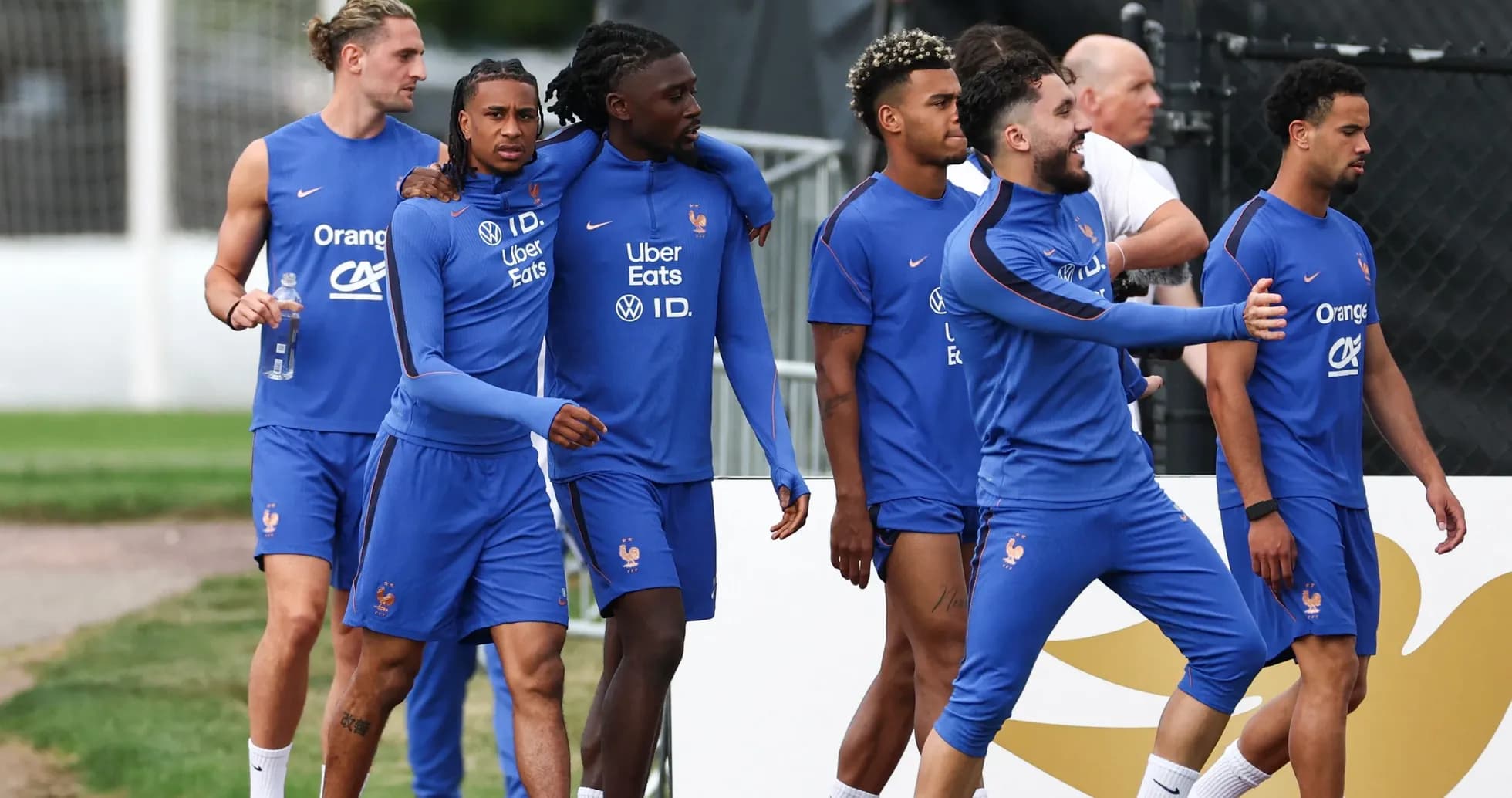
Warren Zaire-Emery: A World Cup Spectator for France
As France grind their way into a World Cup quarter-final against Morocco, the noise around Didier Deschamps’ team is no longer just about shape, structure, or the next opponent. It’s about a 20-year-old who isn’t playing.
Warren Zaire-Emery arrived at this tournament as one of the faces of France’s future. Right now, he’s barely a shadow on the touchline.
A starter at PSG, a spectator for France
France edged past Paraguay 1-0 in Philadelphia, a bruising, attritional win that usually cements trust in the coach’s favourites. For Zaire-Emery, it only deepened the frustration.
Five games. Not a single minute.
This is not a squad passenger we’re talking about. Back in Paris, Zaire-Emery is treated like a pillar, not a prospect. In a PSG side stacked with stars and crowned European champions for a second straight season, he played 54 times in all competitions. Luis Enrique leaned on him everywhere: central midfield, wider roles, even at right-back when required. When the stakes rose at the Parc des Princes, his name was inked into the team sheet, not pencilled in.
That reality clashes violently with his status in the national team. From “locked-in starter” at club level to unused option on the biggest international stage. The contrast is jarring, and he feels it.
Reports from Get French Football News paint a picture of a young player “increasingly frustrated,” “struggling” to process his lack of involvement, and genuinely “bewildered” by his exclusion after such an exceptional season. The emotions are raw, but they are rooted in cold facts.
Luis Enrique’s belief, Deschamps’ hierarchy
Luis Enrique has never hidden what he thinks of his midfielder. Back in February, the PSG coach described him as a “wonderful” player and went further still: “Warren has changed, but it's not thanks to me, it's thanks to him. He's an incredible player, he can play anywhere. For me, as a coach, it's wonderful to have a player like him.”
That kind of endorsement carries weight. It sets expectations. When a Champions League-winning coach talks like that, the natural assumption is that the national team will follow suit.
Deschamps has gone another way.
With Aurélien Tchouameni nursing a thigh problem, the France manager has doubled down on a midfield core of Manu Kone and Adrien Rabiot. It is a pairing built on physicality and familiarity, a unit that Deschamps clearly trusts. Around them, other PSG names have found room to breathe. Bradley Barcola, Désiré Doué, and Ousmane Dembélé have all featured prominently in the attacking rotations.
Zaire-Emery, by contrast, remains on the outside looking in.
The Paraguay match felt like a tipping point. A tight, physical contest, legs tiring, space opening up, and still no call for the 20-year-old. Not even a late cameo to lock down midfield or add fresh energy between the lines. For a player used to being central to the plan, that kind of silence is deafening.
A tactical snub that cuts deep
The Tchouameni situation sharpens the edge of this story. The Real Madrid midfielder missed the Paraguay game with that thigh injury and is now a doubt for the quarter-final. On paper, it looked like the perfect opening for Zaire-Emery: big game, big stage, natural role.
Instead, Deschamps turned to Kone and Rabiot again.
That choice goes beyond simple rotation. It sends a clear message about the current pecking order. For Zaire-Emery, it feels like a tactical snub, and reports suggest he has started to question exactly where he stands within this squad as the tournament intensifies.
This is not a dressing-room revolt. There is no suggestion of sulking or disruption. According to those same reports, Zaire-Emery has spoken directly with the France coaching staff, laid out his feelings, and done so within the bounds of respect and professionalism. The harmony of the group, for now, remains intact.
But the disappointment is real, and it has been heard.
Waiting for the door to open
So he waits.
He waits while Deschamps leans on experience. He waits while others from his own club pull on the shirt and play. He waits while the country debates systems and selections and wonders how a midfielder who bossed games for PSG can’t get on the pitch for France.
The twist is that his chance may not come from a grand tactical rethink or a sudden change of heart. It may come from circumstance. If Tchouameni’s thigh doesn’t hold up, if the quarter-final against Morocco turns into the kind of midfield battle that demands fresh legs and fearless energy, the door could finally creak open.
Zaire-Emery is on high alert, ready to step through it.
For now, the reigning world champions march on without him. But tournaments have a way of flipping narratives in a single night. If his moment comes in this knockout run, the story of the player left out in the cold could yet become the story of the midfielder who arrived when France needed him most.
Related News
Ilia Topuria Accuses Justin Gaethje After UFC Defeat
Tyson Fury vs Anthony Joshua Fight Date and Venue Confirmed
Switzerland Calls Up In-Form Sion Striker Winsley Boteli for Nations League
Bournemouth Secures Historic 2-1 Win Over Real Sociedad in Spain
Portugal Announces Squad for 2026 UEFA Nations League; Cristiano Ronaldo Expected to Play
Raphinha Channels Ronaldo Nazario as Barcelona's Leading Striker After Position Change