
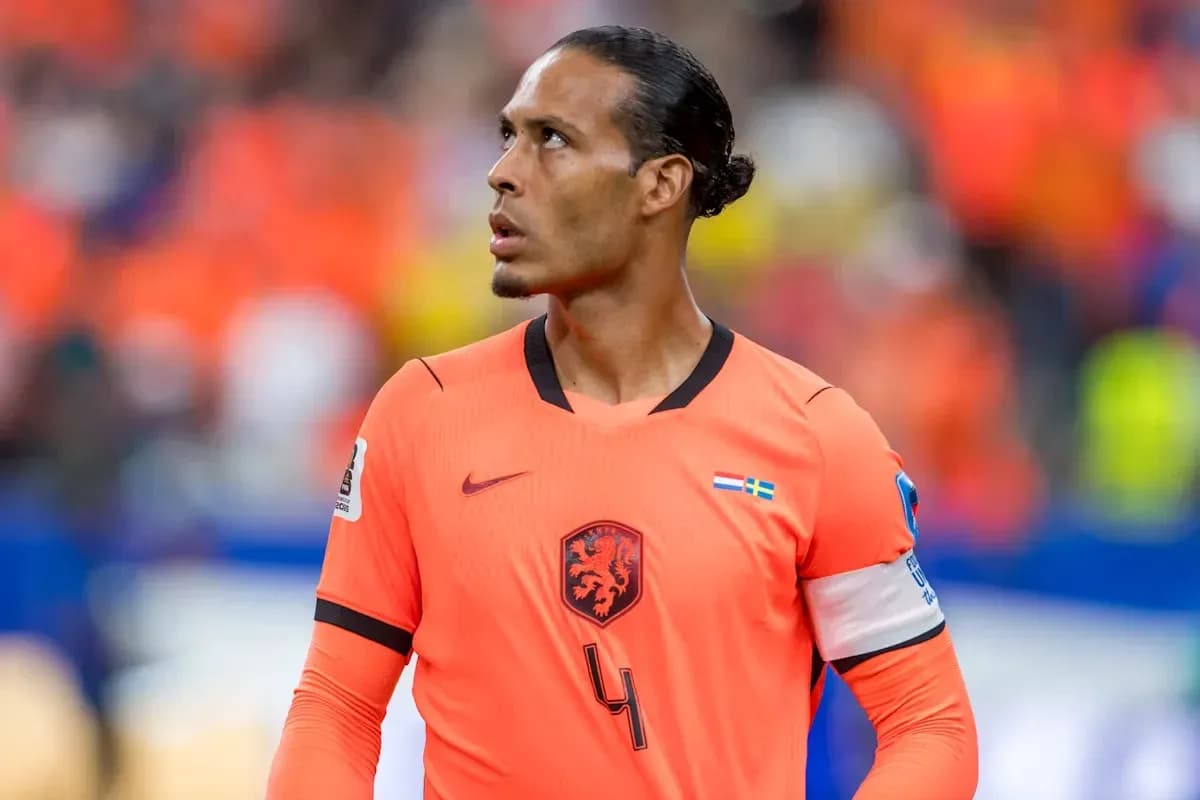
Virgil van Dijk Faces Backlash After Netherlands' World Cup Exit
The Netherlands’ World Cup exit was dramatic enough. The reaction back home has been brutal.
Knocked out by Morocco on penalties after conceding a stoppage-time equaliser, the Dutch have turned their gaze on their captain. Virgil van Dijk, usually the calm at the eye of any storm, now finds himself right in the middle of one.
Driessen’s Verdict: “Time Is Up”
In De Telegraaf, Valentijn Driessen did not bother with nuance. He went straight for the jugular.
“Ronald Koeman and Virgil van Dijk have betrayed everything our national team stands for,” he wrote, a line that landed like a punch across Dutch football. No softening, no caveats. Just a damning accusation aimed at the manager and the captain.
Driessen argued that the switch to a back three was not some grand tactical evolution but a concession to Van Dijk’s failings earlier in the tournament. In his view, the captain had not organised the defence well enough in the group stage, forcing Koeman into a shape he did not truly want.
Then came the late equaliser against Morocco. As the cross came in and Morocco’s runner broke free, Driessen saw only one culprit. He pinned the moment on Van Dijk losing his man and allowing the decisive chance to unfold. From there, his conclusion was ruthless: the defender’s “time is up.”
For a player who has come to symbolise Dutch defensive authority in the modern era, it was an extraordinary public stripping of status. The tone captured the mood of a country that believed this World Cup should have lasted longer than a quarter-final exit decided from 12 yards.
One Lapse, Huge Consequences
The images will linger. Morocco flooding forward in stoppage time, the Dutch retreating, and Van Dijk – the man trusted to hold the line – unable to shut down the danger before the ball was turned home.
This is the sort of situation he normally owns. Anticipation, positioning, dominance in his own box: these are the pillars of his reputation. Instead, in the one moment that mattered most, the structure creaked.
But to boil the entire elimination down to that single sequence is to strip away the complexity of tournament football. The Netherlands had chances to finish the job before the chaos at the end. They had spells of control, periods when Morocco were kept at arm’s length, and opportunities to turn a narrow lead into something safer.
Across long stretches, Van Dijk still looked like the player his teammates lean on. He stepped in to clear danger, won duels in the air, and marshalled the back line as Morocco searched for a way through. For much of normal time, the Dutch defence held. Until it didn’t.
That’s how knockout football works. Ninety-plus minutes of control can vanish in a single mistimed step, a lost runner, a fraction of a second too slow.
Playing Through Pain
Only after the match did another layer emerge.
Ronald Koeman revealed that Van Dijk had been struggling physically in the latter stages. The defender’s calf, the manager said, had been “bothering him badly.” Yet the captain stayed on, through extra time, trying to drag his team into the semi-finals.
That detail does not erase the mistake, but it does colour the picture. A central defender playing on a sore calf in the final, frantic minutes of a knockout tie is operating on a thin line. Mobility drops. Recovery runs become heavier. Sharp adjustments in the box – the tiny movements that separate a clearance from a concession – grow harder.
Van Dijk could have signalled to come off. He didn’t. He chose to carry on, limping through the most physically demanding phase of the game, aware that his team needed his presence and leadership as the pressure rose.
To some, that will look like stubbornness. To others, it will look like commitment. Either way, it is part of the story.
Legacy Under Scrutiny, Not Erased
When a big nation falls short, the biggest names pay the highest price in the court of public opinion. Captains are built for that responsibility; they are also built to absorb the blame that comes with it.
Van Dijk has spent more than a decade at the top of European football, defining himself by consistency, leadership and a sense of calm that has steadied club and country alike. That body of work does not vanish because of one misjudged moment in a World Cup knockout tie, no matter how ferocious the headlines.
Yet this is the reality of international football. Reputations are shaped over years and questioned in seconds.
Koeman’s tactical calls will be debated for months. So will the decision to persist with Van Dijk despite his calf problem. Driessen’s column has lit the fuse on a wider argument: is this simply a painful chapter in a long, distinguished international career, or the start of its final act?
What Comes Next for Van Dijk and the Netherlands
For now, the World Cup is over and the inquest has begun. The emotional temperature is high, the criticism loud, the analysis often unforgiving.
Away from the noise, Van Dijk’s immediate task is more straightforward: rest, recovery, and a return to full fitness before the new domestic season. The physical and mental toll of a World Cup exit of this nature is heavy. Time away from the spotlight may be exactly what he needs.
The Netherlands, meanwhile, will soon move into their next cycle, forced to confront uncomfortable questions about structure, leadership and direction. Whether Driessen’s savage assessment becomes the dominant view in Dutch football or remains the loudest voice in a divided debate will be revealed in the coming months.
What is certain is this: the next time Virgil van Dijk pulls on that orange shirt, every touch, every duel, every defensive decision will be watched through a sharper, less forgiving lens.
Related News
Raphinha’s Hat-Trick Powers Barcelona to 7-2 Victory Over Racing Santander
Carabao Cup Fourth Round Draw: Liverpool Set to Clash with Chelsea, Arsenal to Face Fleetwood Town
Key Football Matches to Watch in Azerbaijan This Autumn
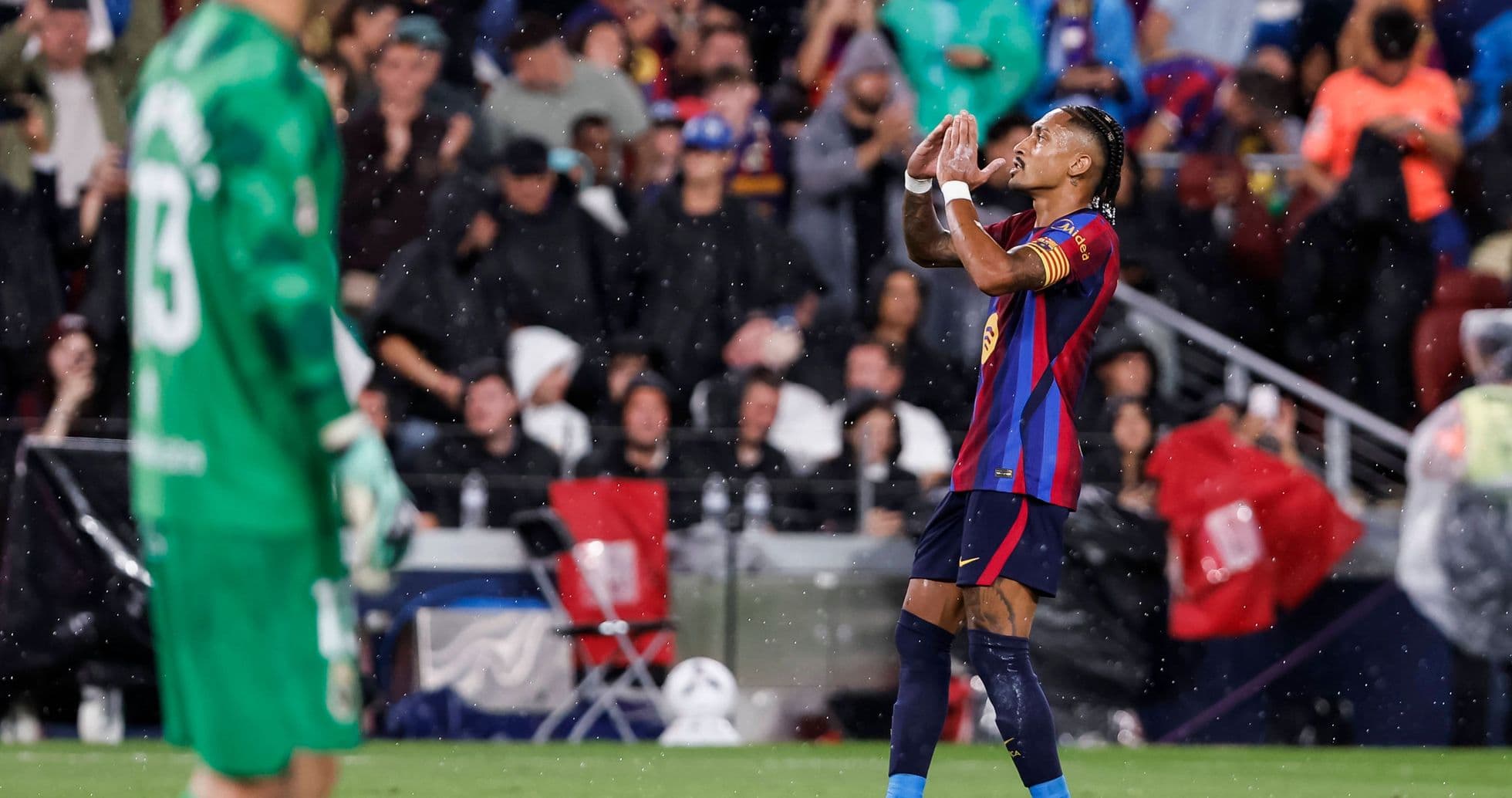
Raphinha's Hat-Trick Drives Barcelona to 7-2 Triumph Over Racing Santander
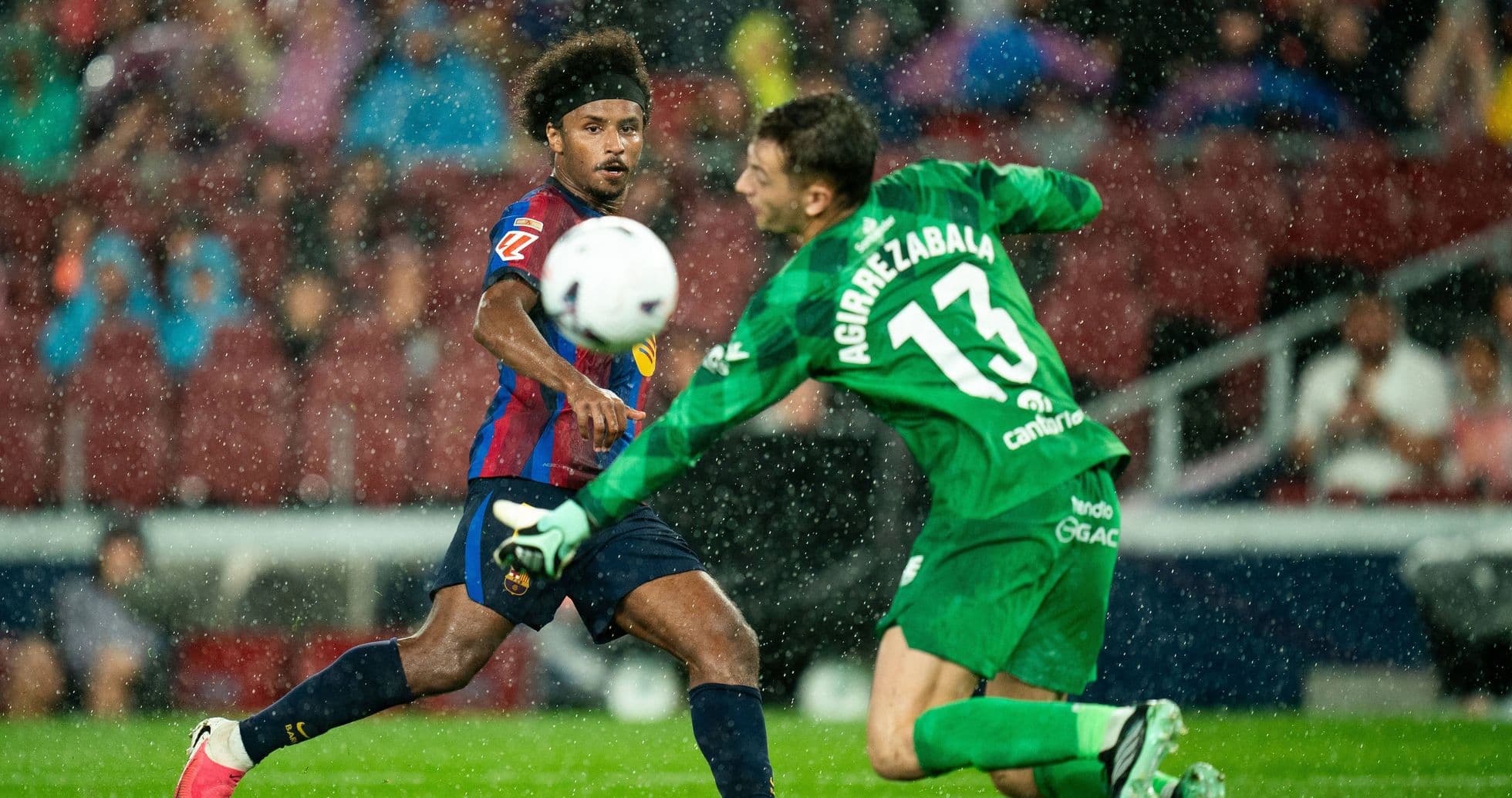
Hansi Flick Leads Barcelona to Record-Breaking Seven Wins in a Row
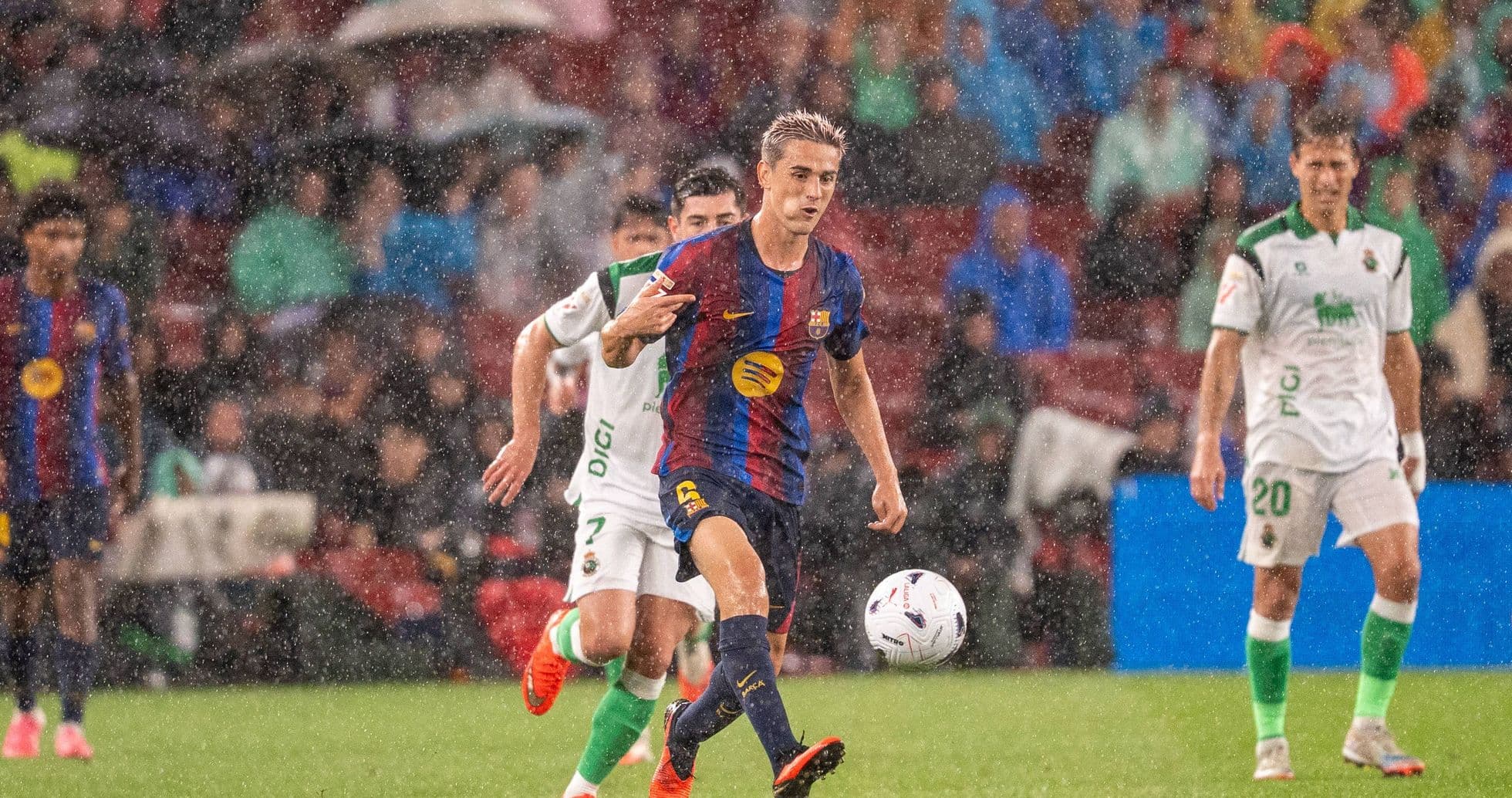
Gavi Reflects on Injury Return as Barcelona Dominate Racing Santander 7-2