
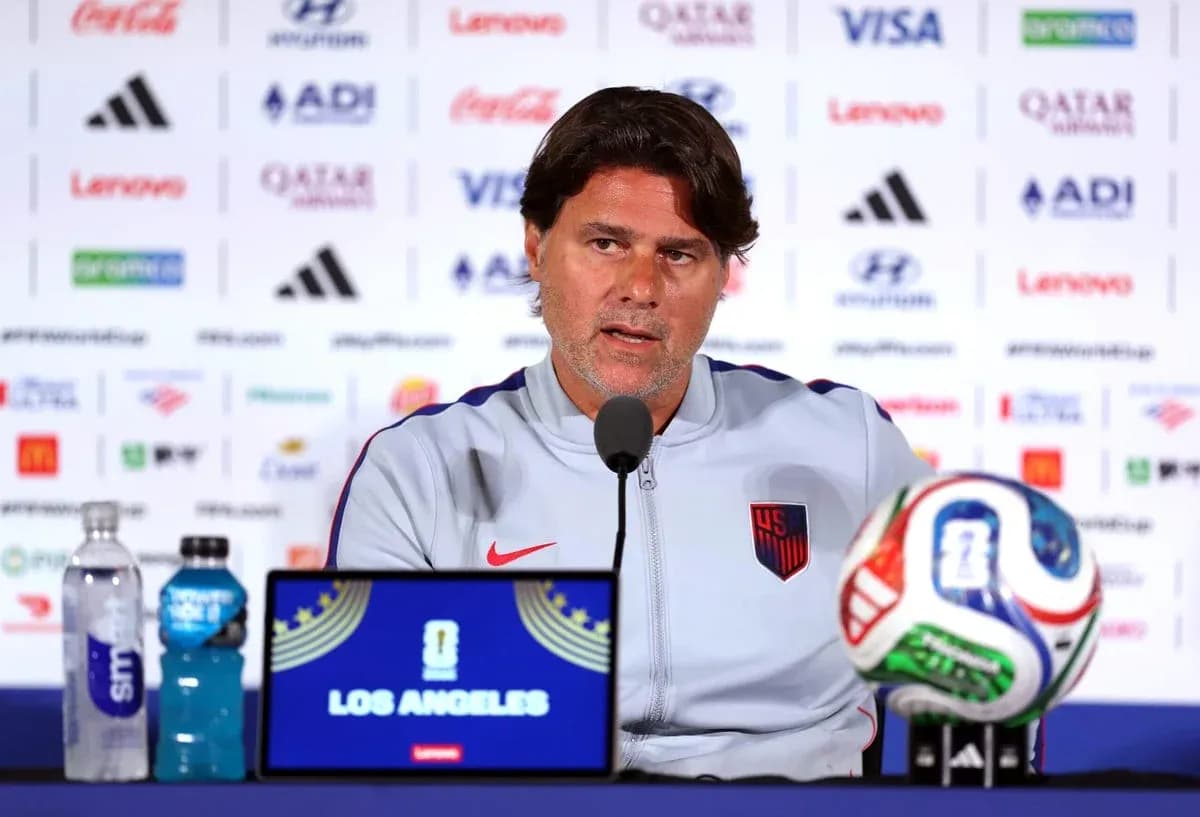
USMNT Secures Group Victory Despite Loss to Turkey
INGLEWOOD, Calif. — Mauricio Pochettino didn’t so much end his press conference as cut it off at the root.
“Sorry guys, we won,” he snapped, pushing back his chair and walking out after a 3-2 defeat.
The scoreboard at SoFi Stadium said Turkey 3, United States 2. The table still said something very different: USMNT, top of Group D.
A dead rubber with sharp edges
First place had been secured after two games. This was, on paper, the soft landing before the real tournament began. Pochettino treated it that way, ripping up his previous lineup and rotating almost everyone.
Only Ricardo Pepi and Weston McKennie survived from the win over Australia. Tyler Adams, Folarin Balogun, Chris Richards and Antonee Robinson never left the bench, their yellow-card jeopardy neatly dodged with suspensions wiped clean after the group stage. The message was obvious: the round of 32 mattered more than a perfect group record.
The game itself refused to play along with that relaxed script.
Auston Trusty struck first, giving the heavily changed U.S. side an early foothold. Turkey hit back, then seized control behind a man-of-the-match display from Arda Guler, who both scored and orchestrated their most dangerous passages. Sebastian Berhalter dragged the U.S. level early in the second half, only for the night to twist again in stoppage time.
In the eighth added minute, with virtually the last kick, Turkey found a winner. Guler glided through the buildup, even nutmegging Christian Pulisic before the decisive strike. A rotated side, a meaningless game in standings terms, and still a gut punch at the death.
Pochettino bristles at the narrative
The questions that followed were familiar: momentum, performance, what this meant for the knockout rounds. Pochettino’s patience evaporated quickly.
“It cannot be possible that Turkey celebrates three points, Australia celebrates getting through, Paraguay celebrates getting through… for you to not say congratulations for winning the group, it’s a little bit sad,” he said, his tone hardening.
He kept circling back to the same point: the job in the group had already been done.
“I need to remind everyone we won the group, sorry guys, we won,” he said, before standing up and leaving.
Minutes earlier, he had already made clear how little he cared for the implication that his team had somehow stalled.
“Explain what you mean in momentum — I don’t understand,” he said. “To play with the same team we played against Australia to take a risk? To receive a yellow card? To risk players who maybe have problems? I don’t understand. Germany lost momentum too and they played with (mostly) the same team (in their loss to Ecuador on Thursday).”
The frustration wasn’t just tactical. It was about recognition.
“No one congratulated us for finishing first in a very difficult group,” he said in another exchange. “I congratulate the players, staff and fans. Now I’ll answer your question. You always learn when you are in a World Cup.”
Pulisic returns, and reassures
Beneath the noise, one development mattered more than the late collapse: Christian Pulisic’s return.
The U.S. star, who had exited at halftime against Paraguay with a calf issue, stepped onto the field in the 58th minute, replacing Tim Weah on the left. He moved freely. He drove at defenders. Instantly, he became the most threatening American on the pitch.
Yes, he ended up on the wrong side of Guler’s nutmeg in the build-up to Turkey’s winner. The larger takeaway for the U.S. staff was different: Pulisic finished his 30-plus minutes unscathed and sharp.
“The objective was not just to win, but to get Christian 30-40 minutes,” Pochettino said. “He finished well and he made an impact on the pitch.”
For a team that will lean heavily on Pulisic in the knockout rounds, that small box ticked may prove more important than the result.
Best-ever group return, icy reception
On paper, this was the U.S.’s best-ever group-stage haul. Six points, matching the 1930 side, though in a different era of scoring when wins counted for two points instead of three.
Context, though, rarely softens the mood after a stoppage-time defeat. The rotated lineup, the late concession, the first loss of the tournament — all of it fed a line of questioning that Pochettino clearly felt missed the bigger picture.
He saw a team that had managed its minutes, protected its core, welcomed back its star attacker and still finished top of a demanding group. The room in front of him seemed more interested in a game that, to him, barely mattered.
“We’re a much better team now than we were before,” he said. “That will be put to the test next game.”
That test arrives in Santa Clara next Wednesday against Bosnia and Herzegovina in the round of 32. The rotation will end. The stakes will not.
The group is won. The debate over how they got there will fade quickly if the U.S. look like the “much better team” their manager insists they’ve become — or flare again if this late sting in Inglewood proves a warning rather than a footnote.
Related News
Raphinha’s Hat-Trick Powers Barcelona to 7-2 Victory Over Racing Santander
Carabao Cup Fourth Round Draw: Liverpool Set to Clash with Chelsea, Arsenal to Face Fleetwood Town
Key Football Matches to Watch in Azerbaijan This Autumn
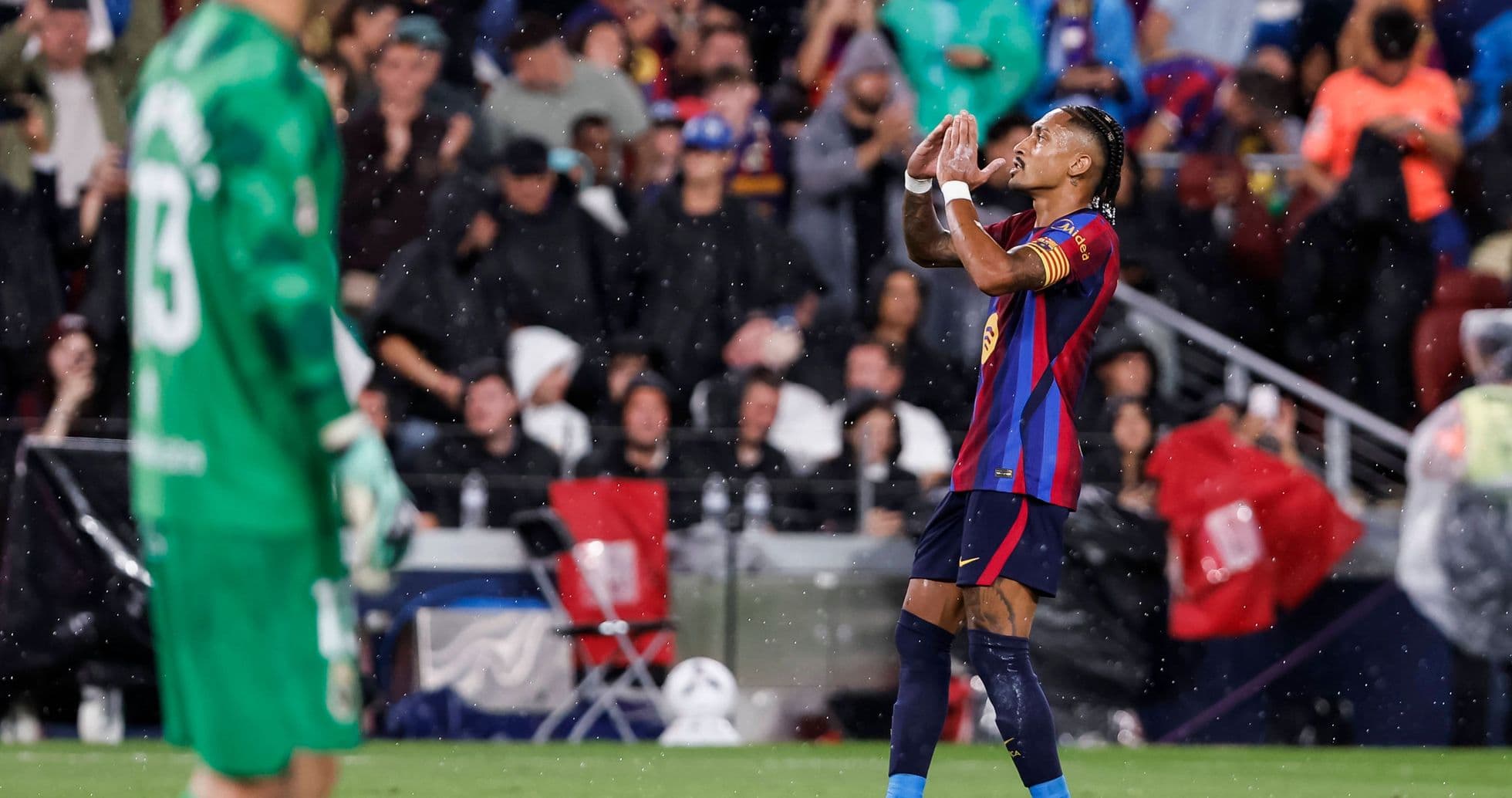
Raphinha's Hat-Trick Drives Barcelona to 7-2 Triumph Over Racing Santander
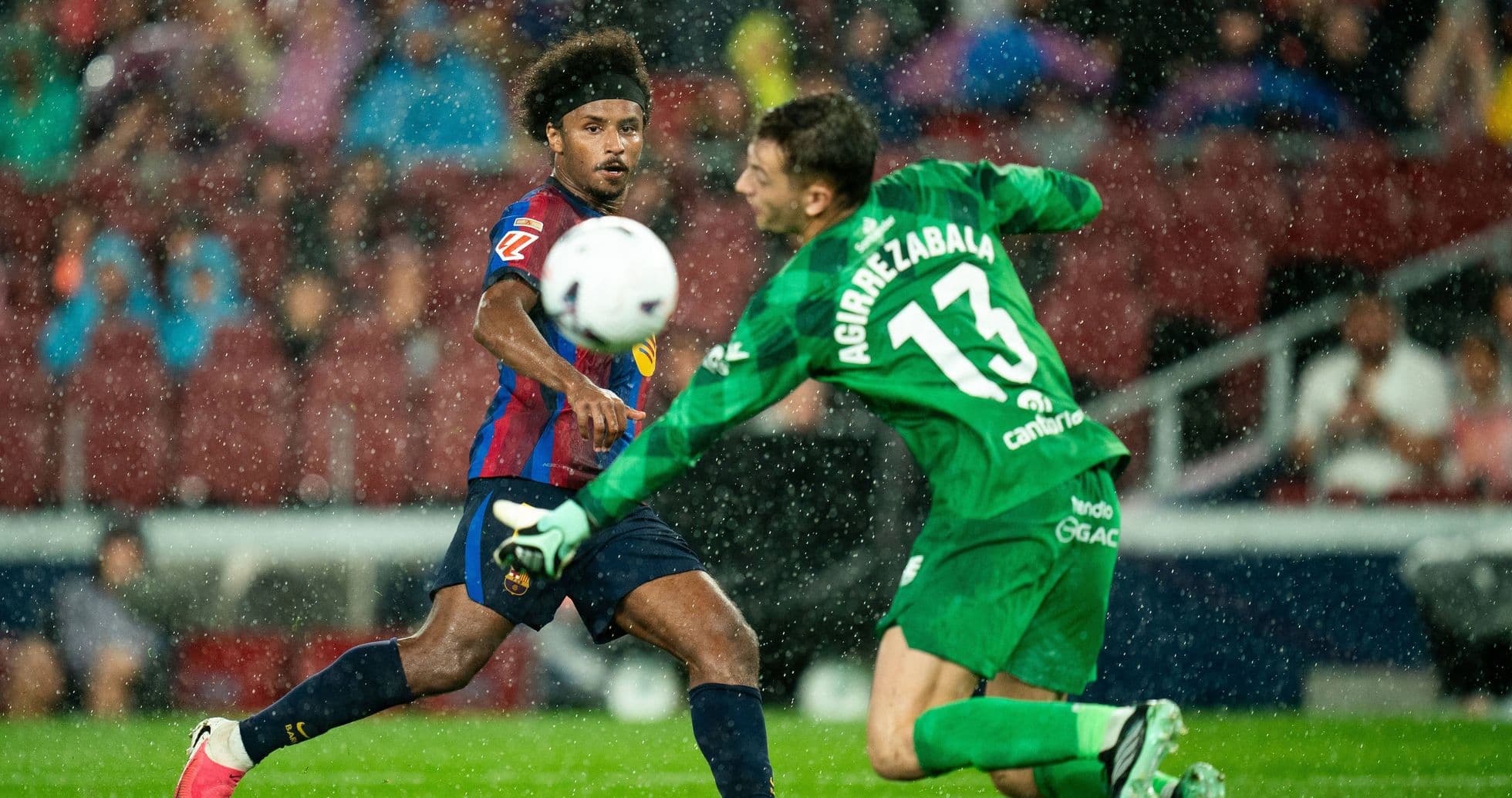
Hansi Flick Leads Barcelona to Record-Breaking Seven Wins in a Row
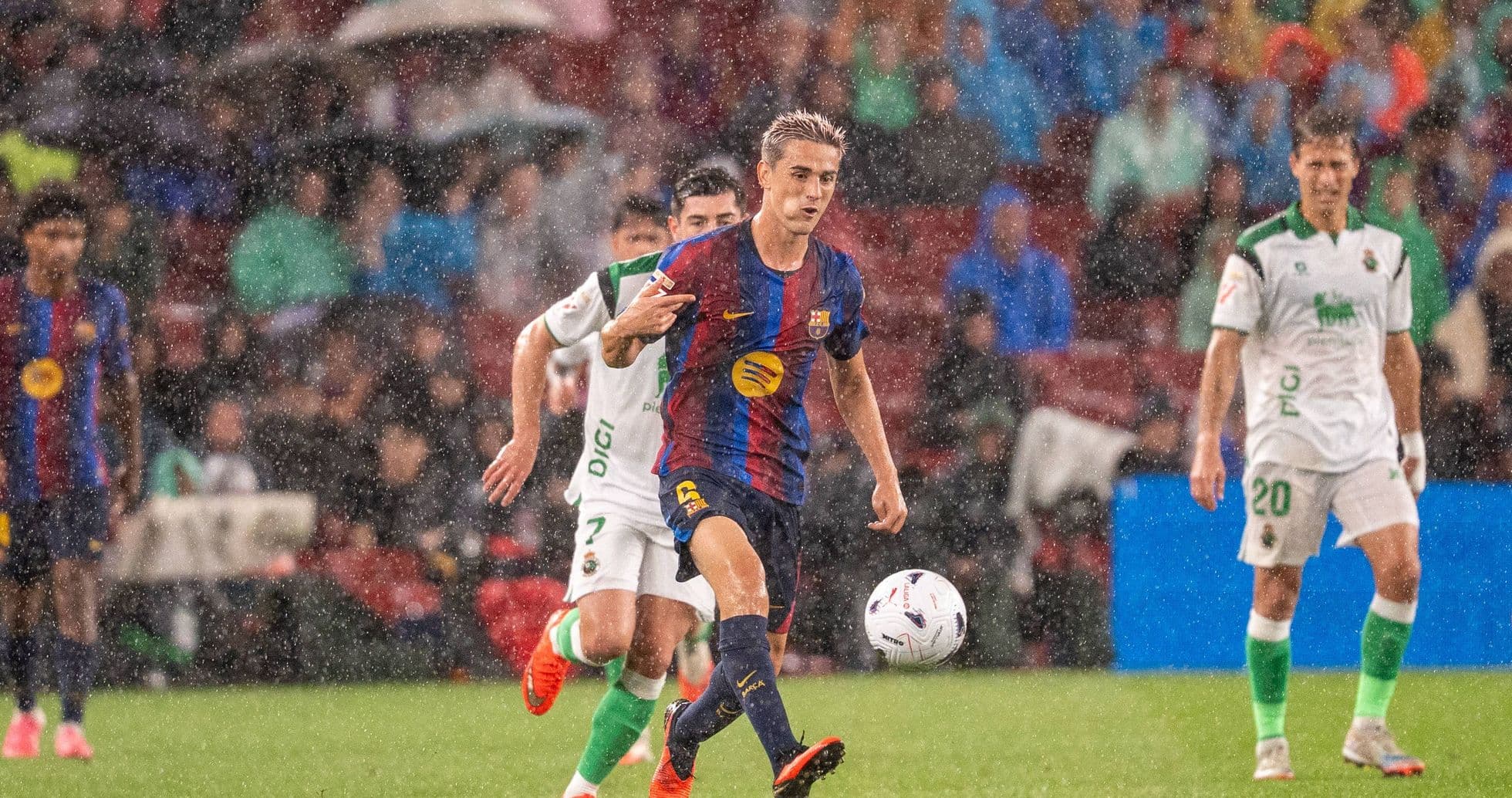
Gavi Reflects on Injury Return as Barcelona Dominate Racing Santander 7-2