
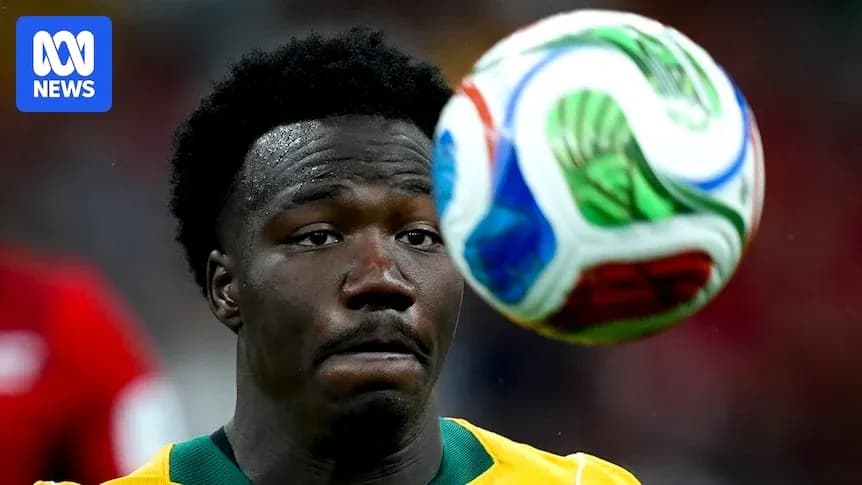
USA vs Australia: A Group D Clash with High Stakes
On paper, this was never meant to be one of the World Cup’s marquee group games. Not in Europe, not in South America, not anywhere beyond the time zones of Seattle and Sydney.
Yet here it is: USA vs Australia, suddenly laced with needle, narrative and consequence, a Group D meeting that now feels like a statement game for both.
The Americans dismantled the Socceroos in a pre‑tournament friendly. Both sides then strolled through their openers. What looked like a routine fixture has turned into a de facto group decider, with the added spice of a few loose American tongues and a proud Australian response built on youth, steel and a growing sense of purpose.
Talk Is Cheap. The Aussies Aren’t.
When the draw dropped, former MLS forward Mike Grella casually branded the Socceroos a “lay‑up” for the hosts. Landon Donovan, now in the Fox Sports studio, went even further, tipping Australia to finish bottom of the group and labelling Tony Popovic “smug”.
He has not exactly covered himself in glory this tournament. His swipe at France as “arrogant” drew public rebukes from Zlatan Ibrahimovic and Thierry Henry, two men who actually know what a World Cup dressing room feels like.
If you’re choosing football voices, most would lean toward Zlatan and Henry over Donovan.
Inside the US camp, though, that bluster is not cutting through.
“All the talk is nonsense to me,” Tim Weah said on Tuesday. “When you look at the Australian team, they are a young team that have a lot of fight, a lot of grit and a lot of hunger, just like us.
“We respect them in the same way that we would respect any other opponent. I don’t know what the media is trying to do, but we’re not really focused on that. We’re focused on the bigger picture and doing what we have to do as a team to be prepared.”
What is the media trying to do? The theory is simple enough. There were doubts about the USA’s ceiling coming into the tournament, and Australia looked like a safe punchbag compared with Türkiye’s perennial “dark horse” mystique or the romantic aura that always clings to South American sides such as Paraguay.
Easy target. Distant target. The kind you mock without expecting much pushback.
That logic now looks flimsy. The “lay‑up” has become the main threat to the hosts’ grip on top spot in the group. The noise around the Socceroos has gone from condescension to concern.
Colorado Scars and a Promise of Fire
Tonight’s meeting carries a memory: a bad‑tempered friendly in Colorado last October, the first defeat of the Popovic era and a game that left bruises on both sides.
Mauricio Pochettino, then in charge of the US, tore into his players at half‑time, furious at how easily Australia were kicking them out of their rhythm. The referee lost control early, and never really found it again. Both teams pushed the limits. Both got away with plenty.
Christian Pulisic didn’t. He limped off after heavy treatment from Jason Geria, a flashpoint that still lingers.
“Watching that game last year, you could see they were up for it,” Sebastian Berhalter said this week. “They were putting in challenges, and I think that’s one of the reasons Mauricio had that halftime rant, and said, ‘These guys can’t kick us around.’ I think he was right.”
The US turned the match in the second half, winning 2-1 by raising their own level of aggression and refusing to be bullied. Ironically, both American goals came after Pulisic had gone off.
“That game in Colorado was fun,” Weah said. “That experience was fun. It was aggressive. I think from that game, we’ve changed a lot. We’ve gotten a bit more aggressive as well.”
The message from Pochettino on the eve of this rematch was clear: embrace the edge, but don’t tip over it.
“I think we need to play on the edge of the line,” he said. “With not crossing the lines of the rules.”
Berhalter, who made his World Cup debut replacing Pulisic against Paraguay, expects the same tone.
“It’s going to be a physical game, but a fun game, and we’re excited,” he said. “[The Socceroos] are going to fight. We like teams that have that brotherhood, you know? We like teams that you can see they’re hungry, they want to fight.”
The scars from Colorado haven’t healed. They’ve hardened into a shared understanding: if you step back, you lose.
Popovic’s Project: Raw, Young and Rising Fast
Popovic’s satisfaction after the 2-0 win over Türkiye was laced with a warning. This, he insisted, was not the finished product. Not even close.
Australia’s victory came from classic tournament football: ruthless counter‑attacking built on a disciplined, compact defensive platform. It looked mature. Popovic was adamant it was only the beginning.
“Yes, they should get a boost, of course,” he said. “Ceiling? They’re nowhere near it.
“They’re a young group with no experience in the World Cup, very limited experience playing for their national team.
Their ceiling should come in four or eight years, really, most of these boys.
“We know we need that, but we are delighted with the result.”
The numbers back him up. The starting XI in Vancouver had an average age of just 24 years and 226 days, the youngest Australia have ever fielded at a World Cup. Seven members of this squad will be 22 or younger on the tournament’s opening day: Lucas Herrington, Patrick Beach, Mohamed Touré, Alessandro Circati, Cristian Volpato, Paul Okon-Engstler and Nestory Irankunda.
Only Senegal, with eight, bring more under‑23s to this World Cup.
This is not a grizzled, last‑dance Socceroos side. It’s a group at the very start of its arc, swinging at a heavyweight host on foreign soil and learning on the job. That makes them unpredictable. It also makes them dangerous.
Lumen Field: Noise, Steel and a Host’s Secret Weapon
If Australia bring the snarl, the USA bring the stadium.
Seattle’s Lumen Field is a brute of a venue, a vast, echoing bowl carved into the city’s skyline. It houses the Seattle Seahawks and the Seattle Sounders, and on big nights it feels less like a football ground and more like an amplifier.
The north end opens out toward downtown, a jagged pyramid of seats rising into a video‑screen tower that stands against the cityscape. The sound bounces, rolls and crashes back onto the pitch. On its wildest NFL days, the place has generated seismic waves measured at 2.3 on the Richter scale.
Cristian Roldan has lived in that noise since 2015.
“I fully expect this crowd to be extremely loud. And, they’re going to energise our group,” he said. “This is one of the loudest stadiums in the world when you think about Seahawks games or Sounders games.
“Just seeing the Belgium game against Egypt and how the atmosphere was there, I fully expect the city of Seattle to come out and show out, and I think the guys are going to feel that type of energy.”
For this World Cup, Lumen Field will hold 66,925. It will stage six matches. Tonight, it becomes a cauldron for a team that prides itself on intensity, front‑foot pressing and emotional surges.
Australia have walked into hostile environments before. But this is different: a young side, on the rise, walking into a stadium built to rattle visiting quarterbacks, let alone visiting full‑backs.
A Group, a Grudge, and a Glimpse of the Future
Strip away the noise and the insults and this game still matters deeply. Top spot in Group D, tournament positioning, and a psychological marker between a host nation trying to live up to its own billing and an Australian team intent on tearing up everyone else’s.
The Americans remember being kicked in Colorado and vow not to shrink. The Socceroos remember being dismissed as a “lay‑up” and arrive with a win over Türkiye and the youngest World Cup XI in their history.
One side is playing at home, inside one of the loudest stadiums on the planet. The other is playing with the conviction of a team that believes its peak lies four or eight years down the road, but sees no reason to wait.
Someone’s narrative gets rewritten under the lights in Seattle. Which one bends?
Related News
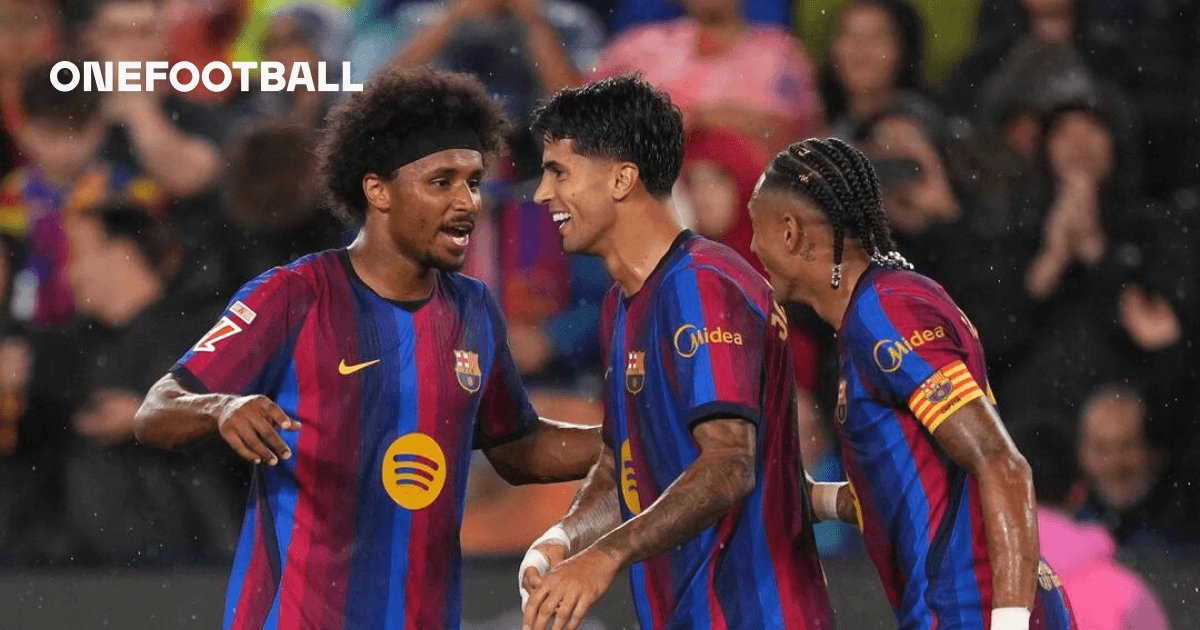
Raphinha’s Hat-Trick Powers Barcelona to 7-2 Victory Over Racing Santander
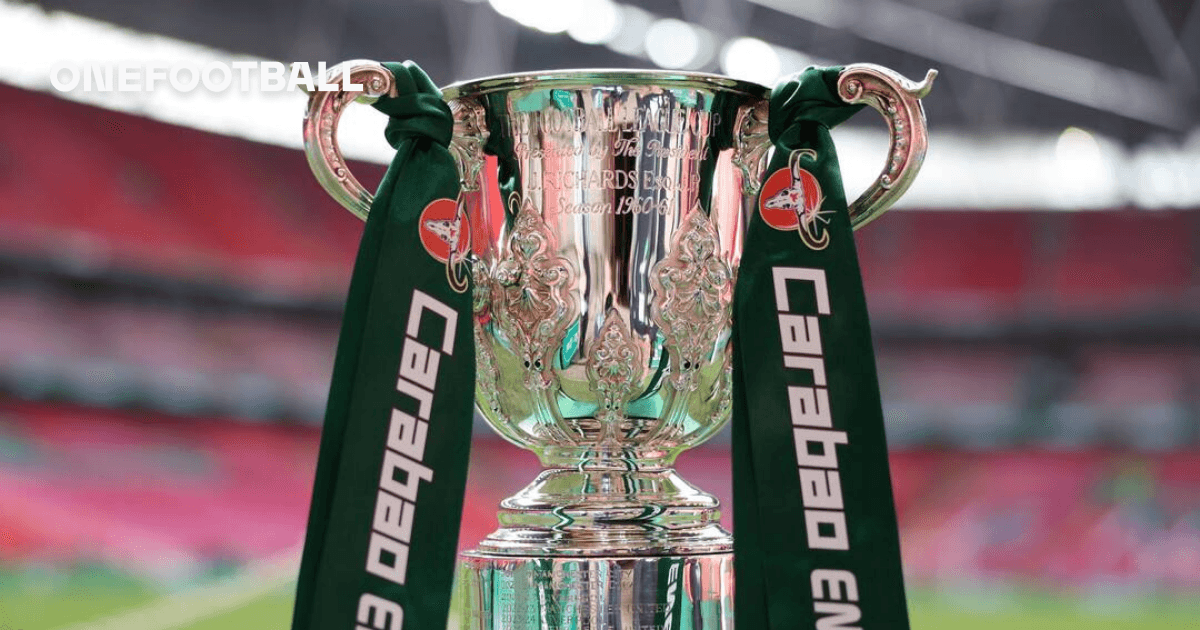
Carabao Cup Fourth Round Draw: Liverpool Set to Clash with Chelsea, Arsenal to Face Fleetwood Town
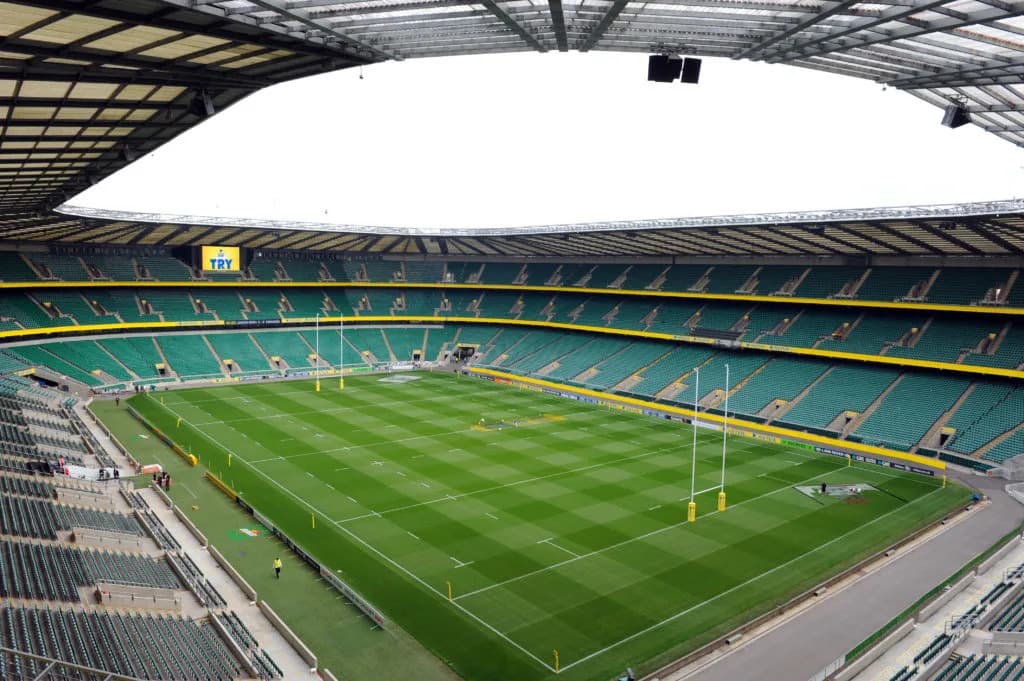
Key Football Matches to Watch in Azerbaijan This Autumn
Raphinha's Hat-Trick Drives Barcelona to 7-2 Triumph Over Racing Santander
Hansi Flick Leads Barcelona to Record-Breaking Seven Wins in a Row
Gavi Reflects on Injury Return as Barcelona Dominate Racing Santander 7-2