
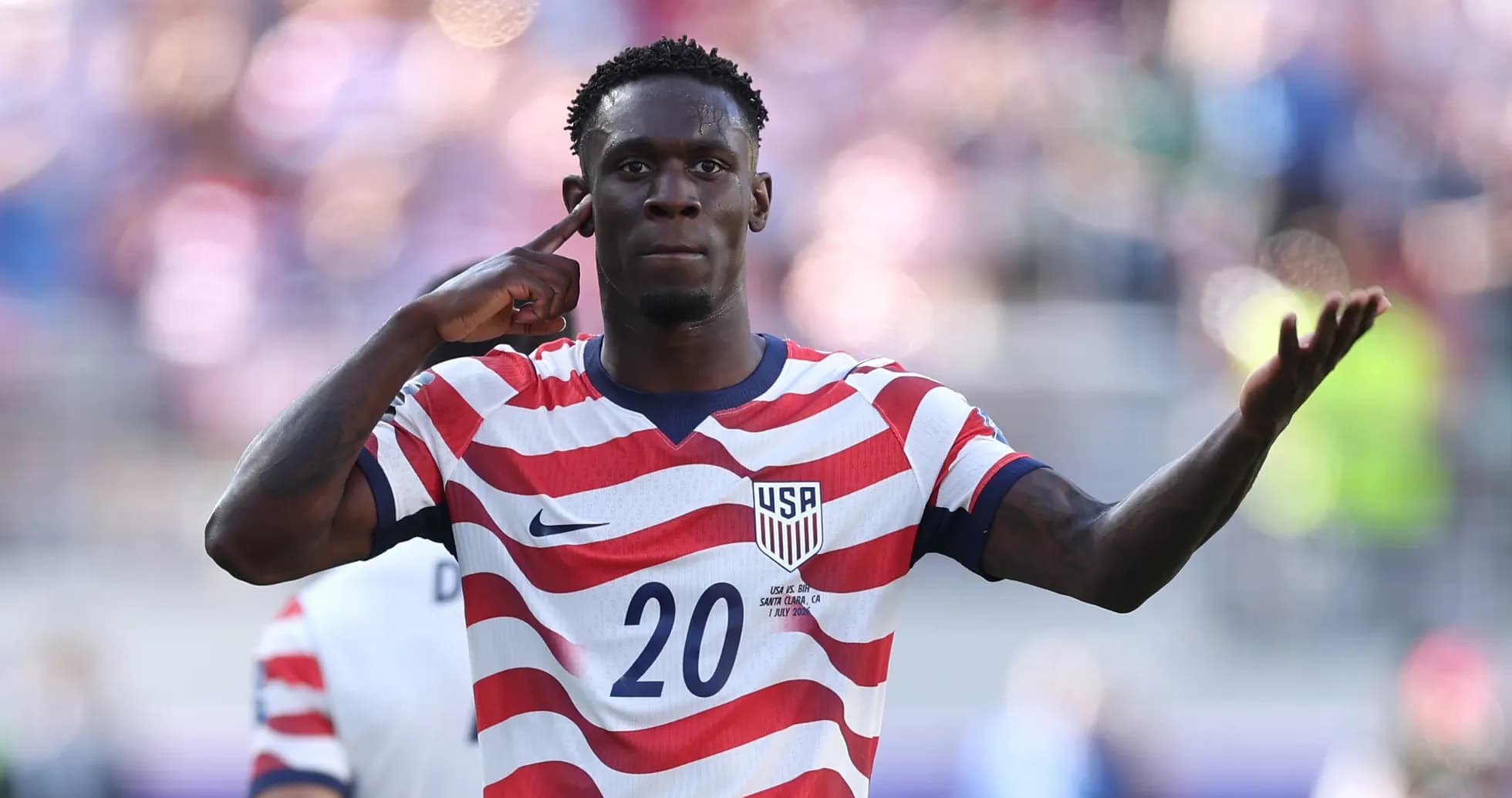
USA vs Belgium: High-Stakes World Cup 1/8 Final Tactical Analysis
A high-stakes World Cup 1/8 final at Lumen Field pits a USA side that topped Group D with 6 points against a Belgium team that also won its group (Group G) with 5 points. With both nations arriving as group winners, this knockout tie is a direct gateway to the latter stages and will heavily shape how 2026 is judged for each federation.
Head-to-Head Tactical Summary
The most recent meeting came on 28 March 2026 in a friendly at Mercedes-Benz Stadium in Atlanta, where USA hosted Belgium. USA led 1-1 at half-time but were overrun after the break, losing 2-5 at full-time. That game underlined Belgium’s capacity to accelerate in transition and punish defensive looseness once the match opened up.
Their last World Cup clash was on 1 July 2014 in the Round of 16 at Itaipava Arena Fonte Nova in Salvador. Belgium, as the home-designated team, drew 0-0 with USA over 90 minutes before extra time exploded into life, ending 2-1 to Belgium after 120 minutes. That match showcased Belgium’s ability to sustain pressure over long spells and eventually break down a resilient USA block, while USA threatened sporadically on the counter and through late surges.
Across these two fixtures, Belgium have twice found solutions against USA’s defensive structure: once via extra-time persistence in a World Cup knockout, and once through a high-scoring away win in a friendly. USA, however, have consistently created chances of their own, scoring in both games and staying competitive deep into the contests.
Global Season Picture
- League Phase Performance: In the group stage, USA finished first in Group D with 6 points from 3 matches, scoring 8 goals and conceding 4, for a +4 goal difference. Belgium topped Group G with 5 points from 3 games, scoring 6 and allowing 2, also with a +4 goal difference. USA’s numbers point to a more expansive, high-output attack (8 goals) balanced by some defensive exposure (4 conceded), while Belgium’s line shows a more controlled approach with fewer goals scored but a tighter back line (only 2 conceded).
- Season Metrics: Across all competitions so far in 2026, USA have played 4 matches, winning 3 and losing 1, with 10 goals scored and 4 conceded. That equates to a very aggressive attacking profile (2.5 goals scored per game) but a defense that still allows 1 goal on average. They have kept 2 clean sheets and have yet to fail to score, reinforcing a consistently proactive offensive posture. Disciplinary data shows yellow cards spread through the middle and later phases of games, with a red card between minutes 61–75, suggesting some risk of over-commitment as intensity rises.
- Form Trajectory: In the group stage, USA’s form string of WLWW shows a strong upward curve: an opening win, a setback, then back-to-back victories to secure top spot. That pattern suggests in-tournament adaptation and resilience. Belgium’s WWDD reflects a fast start followed by a consolidation phase; two early wins were followed by two draws, consistent with a side that began in assertive mode and then managed game states more cautiously once qualification was in sight.
Tactical Efficiency
Without explicit numerical attack and defense indices from the comparison block, the best lens is the balance between goals scored and conceded across all competitions. USA’s attacking efficiency is high: 10 goals in 4 matches, with their biggest home win being 4-1, and no games without scoring. That points to a front line and attacking structure that reliably generates chances and converts them, but the 3-2 away defeat in their record shows that when they stretch the game, their back line can be exposed (4 goals conceded in 4 matches, but heavily concentrated in a small number of chances against).
Belgium’s profile is more even. They have 9 goals in 4 games, with a 1-5 away win illustrating a devastating ceiling in transition and structured attacks when the opposition opens up. Defensively, they also concede 1 goal per match on average, but have yet to lose, which speaks to good game management and an ability to protect leads or recover from setbacks. Their consistent use of a 4-2-3-1 across all four matches suggests a stable tactical framework that balances attacking width and central protection.
Comparatively, USA lean into volatility: high scoring, high tempo, and a willingness to trade chances. Belgium show a slightly lower attacking volume but greater structural stability, underpinned by a settled system and unbeaten record. In a knockout context, that marginally favors Belgium in terms of tactical efficiency, while USA’s edge lies in their ability to generate multi-goal surges that can flip a tie quickly if they hit rhythm.
The Verdict: Seasonal Impact
This 1/8 final is a defining hinge for both campaigns. For USA, coming off a group stage with 8 goals and a strong WLWW trajectory, reaching the quarter-finals on home soil would mark a step-change in their World Cup status and validate their high-tempo, attacking approach. Defeat, especially after topping Group D and carrying such offensive momentum, would frame 2026 as an opportunity missed and raise questions about defensive balance at the highest level.
For Belgium, arriving unbeaten with only 2 goals conceded in the group stage and an overall record of 2 wins and 2 draws across all competitions, failure to progress would be seen as under-delivery relative to their structural solidity and historical head-to-head edge over USA in knockouts. A win would reinforce the narrative of a tournament-hardened side that knows how to navigate tight ties, keeping them firmly in the conversation for a deep run.
In seasonal terms, this match is less about incremental positioning and more about legacy. The winner moves into the quarter-finals with a strong statistical and psychological platform: USA would be seen as a surging host nation with one of the tournament’s most potent attacks, while Belgium would consolidate their identity as a pragmatic, resilient contender. The loser, by contrast, will have to interpret a group-winning campaign that ended at the first knockout hurdle as a shortfall against pre-tournament expectations.
Related News

Thomas Tuchel Reflects on England's 10-Man World Cup Triumph and a Surprising Regret

Robert Moreno Takes Over as Interim South Korea Coach After World Cup Setback

Jude Bellingham Returns to Form with Real Madrid After World Cup Success

Chloe Kelly, Beth Mead & 13 Lionesses Who Must Shine in the Upcoming WSL Season for England’s 2027 World Cup Bid
Barcelona Cancels World Cup Tribute Amid Political Tensions
Messi Breaks Record for Most Penalties Taken and Missed in FIFA World Cup History