
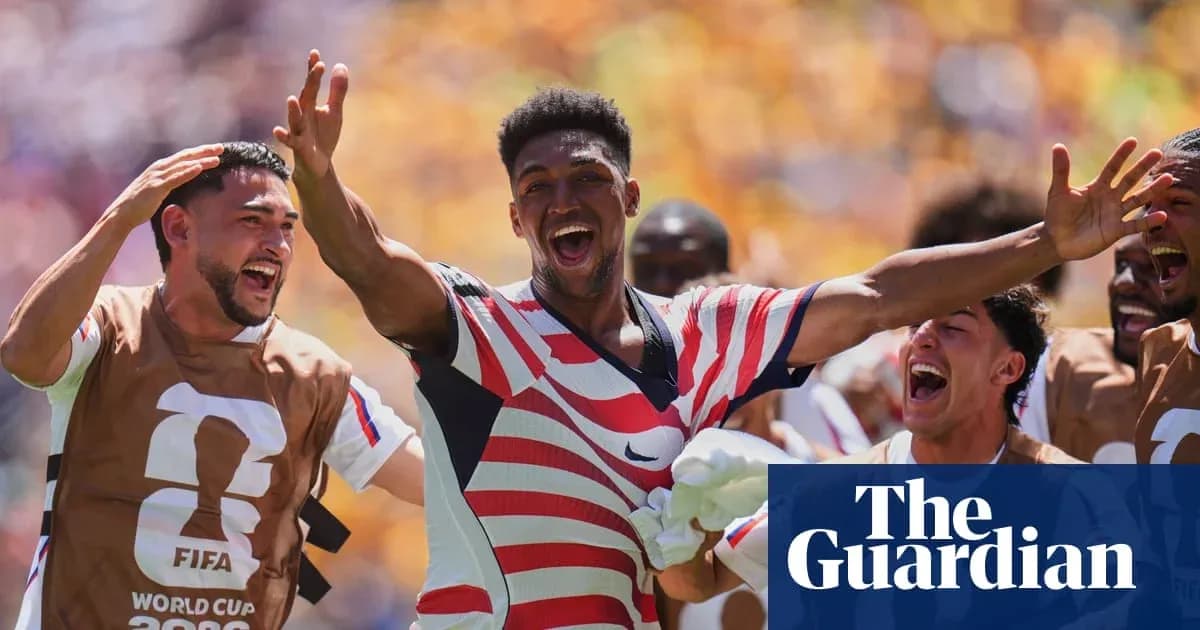
US Soccer Triumphs Over Australia 2-0 in Seattle
On a clear, almost smugly perfect afternoon in the Pacific north-west, the sport with two names needed no defending. Soccer, football – call it what you like. The United States and Australia both do, and both arrived in Seattle carrying that familiar burden: win, and keep the sport’s future burning a little brighter back home.
By the end, a 2-0 US victory felt about right. Hard-earned, not flashy. Enough to send the hosts into the knockout rounds and potentially secure top spot in Group D, depending on how Turkey and Paraguay sort out their business later on Friday. Enough to turn a packed, partisan crowd of 66,925 into a rolling wall of noise in one of America’s true soccer citadels.
A stadium dressed for a statement
The tone was set before a ball was kicked. A quartet of military helicopters thundered overhead just as the last notes of the national anthem faded, a perfectly choreographed flyover that drew heads to the sky and chests a little fuller. It felt like a World Cup occasion, and the players responded as if they understood the weight.
Australian fans, clustered in three loud, yellow blocks at the south end, did their best to punch through the red, white and blue. They sang, they jeered, they lived every tackle. But this was US territory, and the noise when the home side surged forward made that clear.
One name dominated the build-up. Christian Pulisic. His calf injury in the opener, his isolated training sessions, the daily will-he-won’t-he updates. Moments before kick-off, Mauricio Pochettino ended the suspense: Pulisic was out. No selection, no cameo, no safety net. A question immediately followed – could this US attack break down a stubborn Australian back line without their star?
Early scare, early break
Australia had heard enough during the week to arrive with an edge. US pundits had labeled them a “layup,” among other dismissive tags, despite their strong opening win. Inside the American camp, the language was different: respect, danger, quality. It sounded like a mantra, and within a minute, it looked justified.
Alex Freeman’s loose pass was pounced on by Mohamed Touré, alert and aggressive. He drove at Chris Richards, wriggled into a shooting lane and drilled a low effort from a tight angle. Matt Freese smothered it, but it was a sharp reminder that any lapse would be punished.
The US shook it off and took hold of the ball. They stretched Australia side to side, asked questions down both flanks, and began to pin the Socceroos back. Without Pulisic, the left side belonged to Antonee Robinson and Folarin Balogun, and that’s exactly where the breakthrough came.
Robinson fizzed a ball down the line to Balogun, stationed wide where Pulisic might normally roam. Balogun burned past Jacob Italiano and whipped a low cross into the six-yard box. Defender Burgess, caught on his heels, could only stab at it. The ball skipped off him and into his own net.
Another early own goal for the US at this World Cup, another opponent suddenly under the lights. Paraguay had crumbled in similar circumstances. Australia did not.
Touré tried to answer almost immediately. He held off a tight US backline, laid the platform, and Mathew Leckie spun into space at the top of the box. Leckie went for flair, an outside-of-the-boot effort bent around Richards, but the shot sailed high and wide. It was ambitious. It was also a reminder that Australia were not going quietly.
Bruises, blood, and a second blow
The game grew teeth. The physical edge both camps had predicted began to surface in patches.
Nishan Velupillay clattered into Tyler Adams right in front of the US bench, drawing fury from the sideline and howls from the stands. Jordan Bos saw the first yellow of the afternoon after catching Weston McKennie in the face with a stray hand. Later, Alessandro Circati went into the book for clipping Malik Tillman’s heel as the American midfielder darted toward the box. Australia were walking the line, but they were also disrupting rhythm.
In the 39th minute, the collisions took a more worrying turn. Freeman and Paul Okon-Engstler clashed heads and both hit the turf, medics racing on. After treatment, both chose to continue, bandaged and dazed but defiant.
Moments later, Freeman made that decision count.
The move started with Tillman, who refused to let the ball roll out at the byline. He wrestled with Velupillay, kept his balance, and earned a dangerous free-kick near the Australia endline. Robinson rolled the set piece back to the top of the box for Sergiño Dest, who lashed a shot toward goal. Harry Souttar flung himself in the way, the ball cannoned off him, and chaos followed.
Freeman reacted first. The defender lunged at the rebound and bundled it over the line. The flag went up, the VAR check began, and the stadium held its breath. The review ended with a simple verdict: goal. By then, Freeman had already sprinted almost the length of the pitch, celebrating in front of the opposite end, engulfed by teammates pouring off the bench.
From head clash to hero in a matter of minutes. The US went into the break with a 2-0 cushion and a stadium fully on their side.
Popovic rolls the dice
Tony Popovic had seen enough of the first-half script. He ripped it up at the interval.
Jason Geria replaced Burgess. Nestory Irankunda and Connor Metcalfe, the scorers from Australia’s opener, came on for Touré and Velupillay. The shape shifted into a bolder 4-3-3 with the ball, snapping back into a five-man line when defending. It was a gamble: more threat going forward, more space for the US to exploit.
Seven minutes into the half, the risk nearly backfired. McKennie picked a pocket in midfield and slid Balogun through, leaving only Souttar scrambling in pursuit. Balogun bore down on goal, the angle tightening, the stadium rising. Souttar recovered enough to block the shot, but the warning was loud and clear.
Australia responded with their own surge. Robinson took a yellow on 56 minutes, chopping down a developing move on his flank to halt a dangerous break. The Socceroos were now playing higher, winning second balls, and finally forcing the US to defend deeper.
Just after the hour, Cristian Volpato entered for Leckie and almost made an instant impact. Irankunda tore down the right, powered into space, and cut the ball back. Volpato met it inside the box but leaned back and drove his shot over the bar. Minutes later, Metcalfe found room for an effort, only for Freese to gather comfortably.
Popovic kept pushing. Jackson Irvine came on for Okon-Engstler, another attacking tilt. Pochettino answered by tightening the screws: Robinson, Dest, and Ricardo Pepi made way for Sebastian Berhalter, Auston Trusty, and Joe Scally. The message was clear – protect what you have, manage the storm.
Hanging on, pushing back
Australia grew into the chaos. Circati forced a desperate block. Half-chances flickered and died in a thicket of American legs. The tackles got heavier, the complaints louder. The crowd, sensing a test of nerve, roared “USA” in long, rolling chants that seemed to push the defensive line a yard higher.
Yellow cards stacked up in the closing stages. Souttar went into the book. Balogun, still snapping into duels at the other end, followed. Italiano joined them for an off-the-ball incident. The match teetered on the edge of boiling over but never quite spilled.
There was even a strange pause late on when referee Felix Zwayer appeared to pick up an injury. Play stopped, players milled about, the energy dipped. Zwayer eventually continued, but the lull threatened to flatten what had been a thunderous atmosphere.
Balogun wasn’t having it. He turned to the stands, lifted his arms, and beckoned the noise back. The response was instant. For a few minutes, Seattle became what it has long claimed to be: Soccer City, USA, in full voice.
The whistle finally came, a fraction later than expected but no less emphatic. The US had their 2-0 win, their place in the knockouts, and a performance that mixed control, resilience, and just enough ruthlessness.
For a nation that plays every World Cup with the future of its sport on its shoulders, that will do for now. The real question is what comes next – and how far this team can push that future in the weeks ahead.
Related News
Raphinha’s Hat-Trick Powers Barcelona to 7-2 Victory Over Racing Santander
Carabao Cup Fourth Round Draw: Liverpool Set to Clash with Chelsea, Arsenal to Face Fleetwood Town
Key Football Matches to Watch in Azerbaijan This Autumn
Raphinha's Hat-Trick Drives Barcelona to 7-2 Triumph Over Racing Santander
Hansi Flick Leads Barcelona to Record-Breaking Seven Wins in a Row
Gavi Reflects on Injury Return as Barcelona Dominate Racing Santander 7-2