
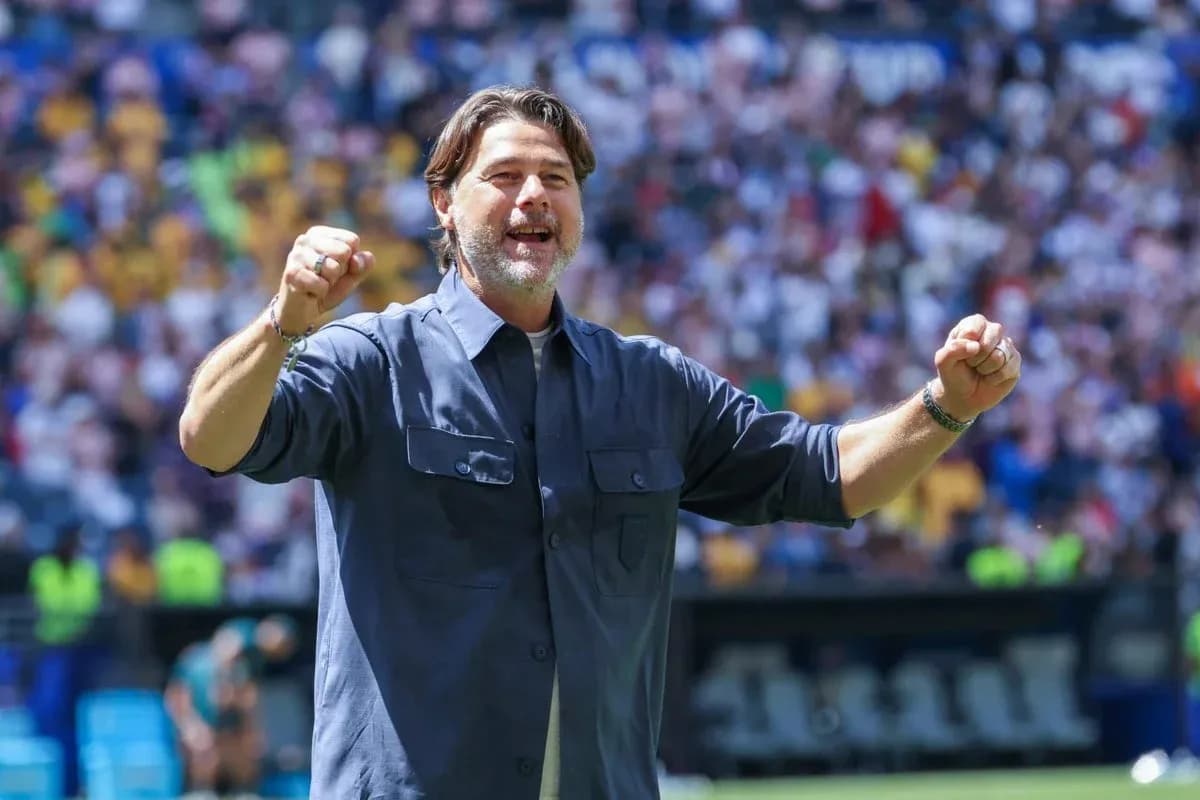
U.S. Soccer Proposes Four-Year Deal to Keep Pochettino Until 2030
U.S. Soccer has made its move. Mauricio Pochettino now has a proposal on the table to lead the USMNT through a second World Cup cycle, all the way to 2030.
Whether he signs it will depend on what happens over the next few weeks on home soil.
The Argentine’s current deal runs only to the end of this World Cup. Yet for months, according to sources with knowledge of the talks, the federation has been in quiet, steady dialogue with its head coach, working toward a four-year extension. The offer landed before a ball was kicked this summer, a clear message from Chicago: we want you to stay.
No one is rushing the finish. Performances and results at this World Cup were always going to color the decision on both sides, so any final call has been pushed until after the tournament. But U.S. Soccer wanted to plant its flag early, especially with the possibility that Pochettino could be a free agent in a matter of weeks.
A dream start, a shifting landscape
If the federation hoped the World Cup would strengthen its hand, the team has obliged. The USMNT has burst out of the blocks, beating Paraguay and Australia to reach the round of 32 with a game to spare. Thursday night’s loss to Turkey meant little; the job was already done.
The draw looks inviting. The performances have caught the eye. A nation that arrived at its home World Cup with cautious optimism now allows itself to dream about something deeper, something more lasting.
That surge in momentum comes against a backdrop of uncertainty around Pochettino’s long-term plans. At 54, and after high-profile spells at Tottenham Hotspur, Paris Saint-Germain and Chelsea, many inside the game expected him to jump straight back into club football once this World Cup ended. Those suspicions only grew when sporting director Matt Crocker — the man who had previously worked with Pochettino at Southampton and then led the push to hire him for the national team — abruptly left for a role in Saudi Arabia in April.
Yet Pochettino has not closed the door on staying. Far from it.
“It’s difficult to describe or know your future,” he said this week. “But when you are here, I think it’s difficult now to see yourself living in another place, because for sure, we will miss it if one day we don’t stay here in this country.
“We told the federation we are open, but we don’t want to distract when all the energy needs to be with my players.”
A four-year pitch: Olympics, Copa America, and a $250m hub
U.S. Soccer’s proposal is about more than one tournament. The next four years in American soccer form a rare, seductive package for any coach.
There is the World Cup in 2030 at the end of the cycle, of course, but before that comes a home Olympic Games in Los Angeles and a Copa America in 2028 that is also expected to be staged in the United States, with the USMNT involved again. It is a calendar thick with high-stakes football and global attention, all within a country Pochettino has openly grown to enjoy.
Then there is the infrastructure play. The federation is banking on the opening of a new $250 million national training center in Atlanta as another key selling point, a physical symbol of ambition and permanence. Combine that with the chance to shape the direction of the national program — from youth teams to coach education, an area that has long interested him — and the project begins to look less like a short-term job and more like a legacy-defining role.
Pochettino himself framed it in those terms in an interview this week.
“If the American people start to show passion in our sport too, why not be here being part of something that can create a legacy?” he said. “The legacy is not to win the World Cup. Of course, we want to win, but that [connection] is the legacy we need if one day we want to be very successful and be consistent. Why not be part of that?”
Big leagues, big money, big competition
All of this unfolds with Europe watching. Before the tournament, Pochettino held talks with AC Milan in late May. U.S. Soccer chief executive JT Batson brushed that off as the reality of operating in what he called “the big leagues”: if you hire an elite, in-demand coach, others will come knocking.
They will likely knock again, especially if the USMNT continues to impress in this World Cup.
Over the past year, several clubs have shown interest in Pochettino. The federation, for its part, has never hidden its desire to keep him beyond this home World Cup. To make that feasible, it has spent months in conversation with wealthy donors and sponsors, determined to keep itself financially armed to compete for the very best coaches on the global market.
The current deal underlines that intent. A historical tax filing published in March, covering the period from April 1, 2024 to March 31, 2025, projected Pochettino’s pro-rated base salary at around $4 million, with bonuses and incentives lifting his total package to between $5 million and $6 million in a non-World Cup year.
An extension would keep him among the highest-paid international managers in the sport, in the same financial neighborhood as top national-team coaches and not far off what he could command at leading European clubs — even if the absolute peak salaries in Europe still sit higher.
The federation has leaned on serious financial backing to get there. When Pochettino was hired in September 2024, U.S. Soccer said the deal depended “in significant part” on a “philanthropic leadership gift” from Ken Griffin, the founder and CEO of hedge fund Citadel. Additional support came from Scott Goodwin of Diameter Capital and several commercial partners.
Those same networks will be central if U.S. Soccer needs to fight off European suitors again or, in a different scenario, pivot quickly to another big name.
Ambition, options, and a looming decision
The scale of that ambition was clear long before Pochettino signed. Before appointing him, U.S. Soccer held talks with former Liverpool manager Jurgen Klopp, a signal of how aggressively it was willing to shop at the very top of the market.
Now the federation has its man, its money lined up, its long-term plan mapped out. What it does not yet have is a signature.
For Pochettino, the choice is stark but enticing. Another crack at the relentless rhythm of European club football, with its weekly pressure and transfer-market churn? Or four more years of sculpting a national team and a footballing culture in a country that is about to spend the rest of the decade under the world’s spotlight?
The proposal is there. The backing is there. The vision is there.
The answer will be written, at least in part, by what happens to the USMNT on home soil over the coming weeks.
Related News
Raphinha’s Hat-Trick Powers Barcelona to 7-2 Victory Over Racing Santander
Carabao Cup Fourth Round Draw: Liverpool Set to Clash with Chelsea, Arsenal to Face Fleetwood Town
Key Football Matches to Watch in Azerbaijan This Autumn
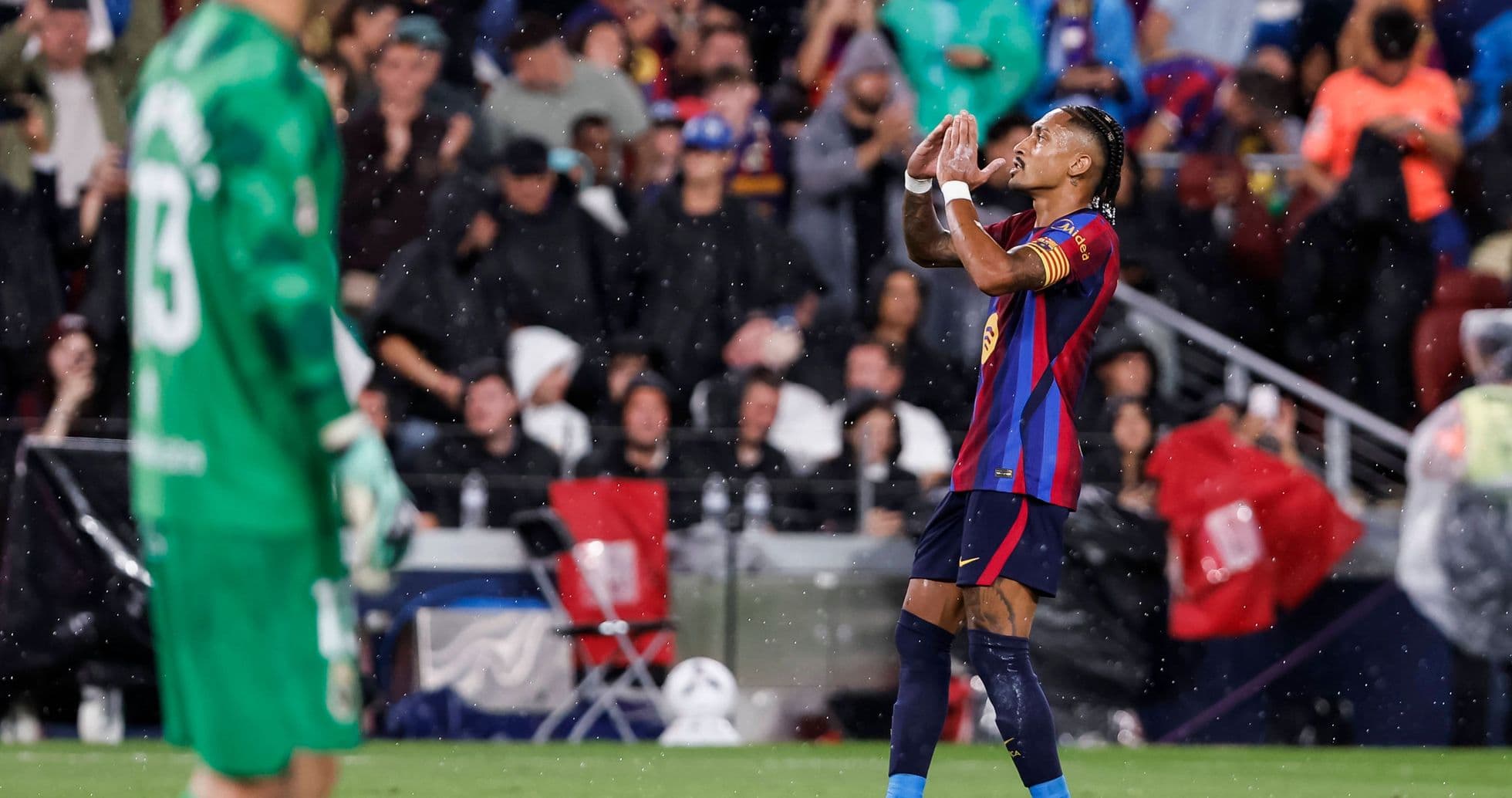
Raphinha's Hat-Trick Drives Barcelona to 7-2 Triumph Over Racing Santander
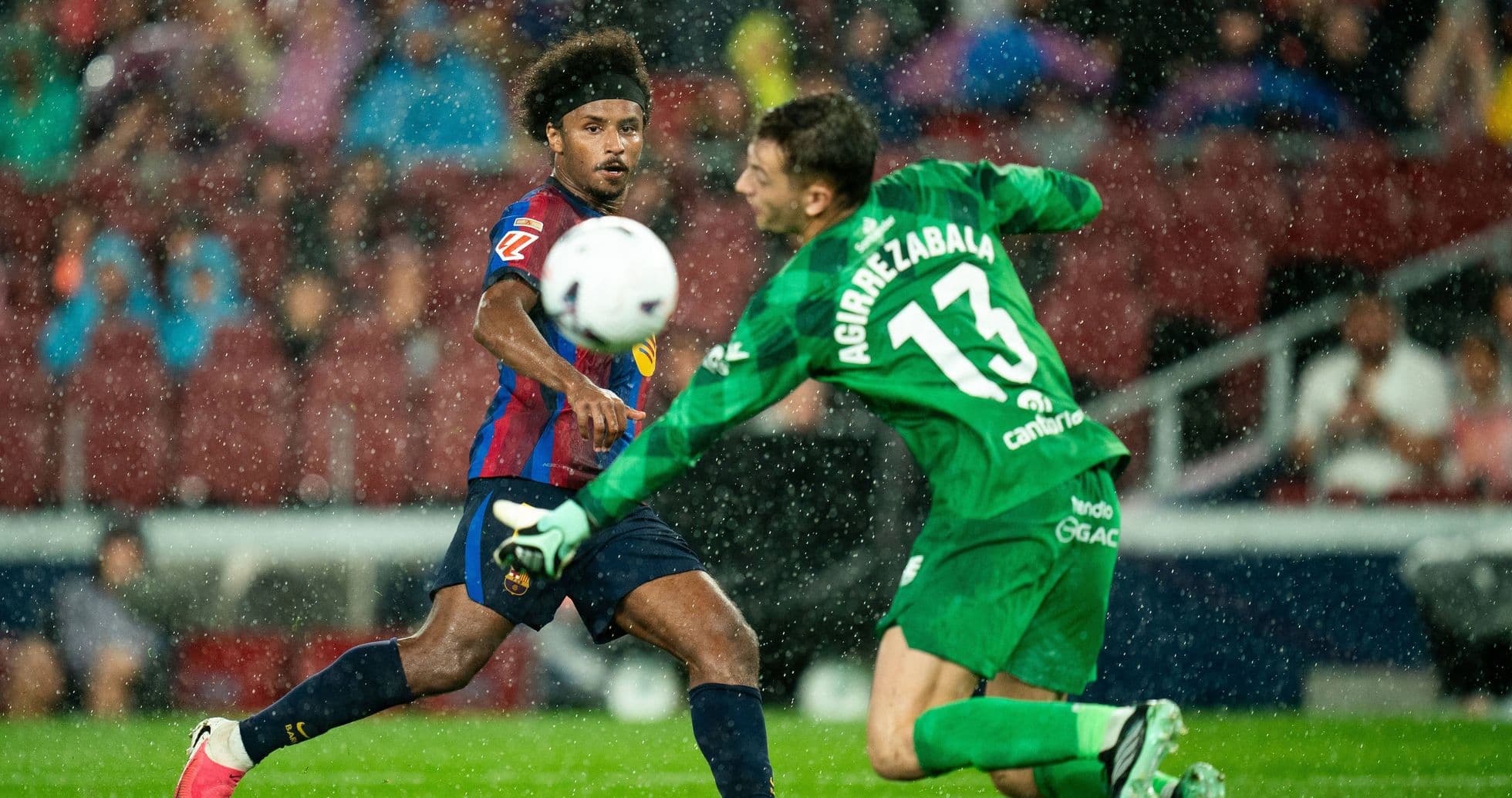
Hansi Flick Leads Barcelona to Record-Breaking Seven Wins in a Row
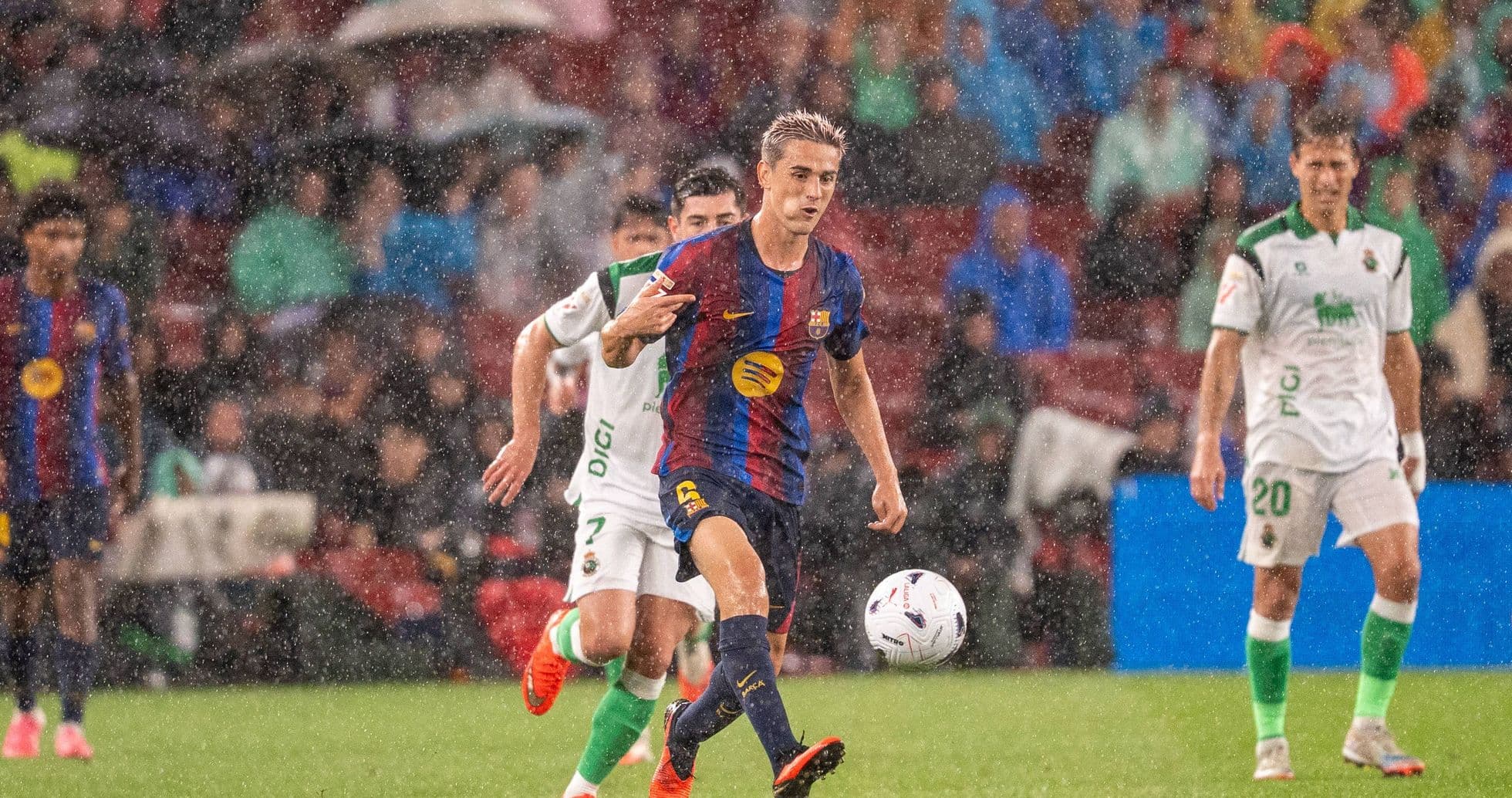
Gavi Reflects on Injury Return as Barcelona Dominate Racing Santander 7-2