
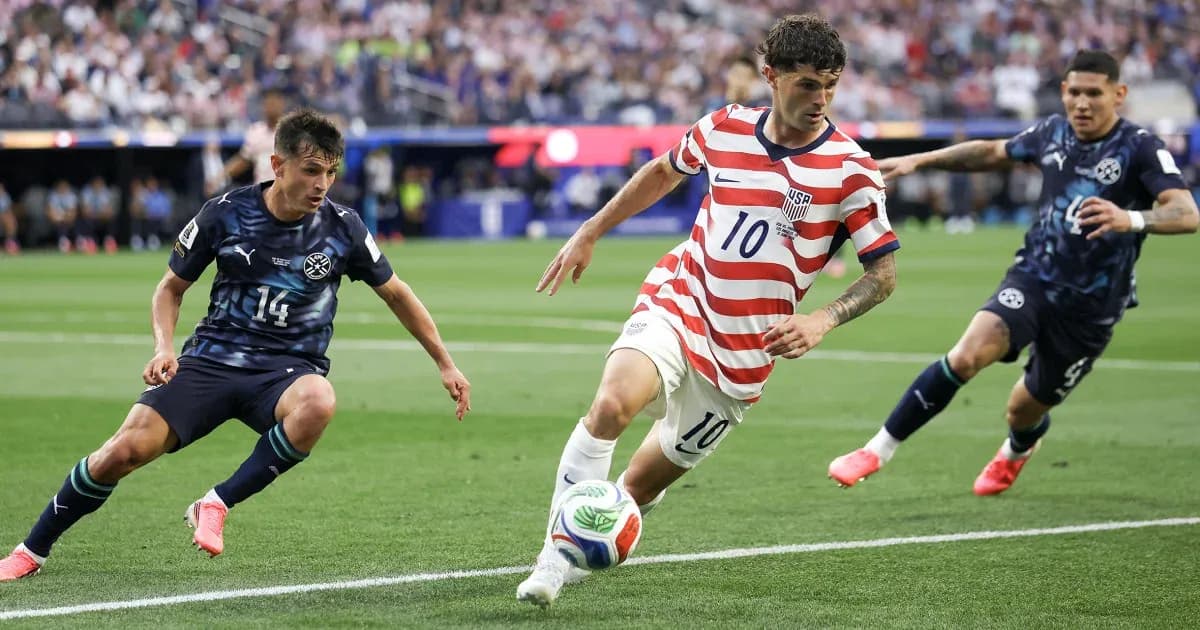
U.S. Soccer's Challenge Against Australia: From Glory to Grit
The best World Cup performance in nearly a century is in the rearview mirror. The statement win over Paraguay is already old news. For the United States, the preparation for Australia has gone somewhere far less glamorous: back to a bruising friendly seven months ago, and a halftime dressing-down they haven’t forgotten.
That night, the game technically “didn’t count.” It felt like it did. Australia flew into tackles, turned a routine autumn friendly into a scrap, and had the U.S. locked at 1-1 when Mauricio Pochettino walked into the dressing room and detonated.
“They come and they fight,” he barked at his players in a video later released by the team. “When are we going to fix that?”
The message stuck. The U.S. ground out a 2-1 win. The result mattered less than the edge. Ahead of Friday’s World Cup rematch, that edge is the reference point.
“We’re American, we don’t take s---,” Sebastian Berhalter said this week, asked what he took from that night. For him, that’s the core of Pochettino’s impact. “He’s, even though he’s Argentinian, he has that mindset of like, ‘Look, this is what we do, and this is who we are, and this is what America is about.’”
It’s not a one-off speech. Berhalter says Pochettino “really drills” that identity into the squad. Every camp. Every session.
Now comes the test of whether that mentality travels from a fiery friendly to a World Cup group decider.
From statement win to street fight
The U.S. arrive in this second group game riding a high they haven’t felt on this stage in generations. The 4-1 demolition of Paraguay in the opener matched the largest World Cup margin of victory in U.S. history. It wasn’t just the scoreline; it was the authority.
Folarin Balogun walked off with two goals, the first American to score multiple times in a World Cup match since 1930. The attack flowed, the press bit, and Paraguay wilted.
Pochettino’s verdict? Pride, with a warning label.
He told the players he was “proud,” Haji Wright said. But no one inside that camp is pretending one big win changes the grind of a group stage. Especially not with Australia looming, fresh off their own 1-0 opening victory and with a simple equation in play: the winner on Friday books a place in the knockout rounds.
Tyler Adams, who has ridden the full arc of this team’s development, framed it bluntly.
“There’s been moments throughout the process where things weren’t going amazing,” he said. “Now all of a sudden, some people consider [our play] amazing, whatever it is, but we’ve stayed completely humble in our approach to every single game and trusted the process of what we’re going through.”
That humility will be tested against a side that rarely makes anything easy.
Australia bring the bruises
The Socceroos arrive on the back of a 2-0 win over Turkey, a performance that ticked every box of their reputation: organized, compact, ruthless when space appeared.
“They’re tough to break down, they’re dangerous on counterattacks, they have good players at the top of the pitch, and they were able to be effective and damage Turkey,” Wright said.
Then came the warning.
“I think Turkey kind of came into the game a bit overconfident, and I think we won’t make that same mistake.”
That’s the scar tissue from last fall talking. Australia didn’t just challenge the U.S. technically; they challenged them physically and mentally, from the first whistle. Pochettino’s halftime rant that night wasn’t about tactics. It was about matching the fight.
On Friday, that question returns. Has this U.S. team, now buoyed by a historic World Cup win, really absorbed that lesson? Or does comfort invite complacency?
The Pulisic question
For all the positivity around the U.S. performance against Paraguay, one image cut through the celebration: Christian Pulisic on the bench for the second half, jacket zipped, night over.
He had already shaped the game by then, carving open Paraguay with his runs and passing, setting up the first two goals and stretching the field in a way few in this squad can replicate. But he never truly loosened up at halftime and didn’t come back out. Pochettino later explained that Pulisic had picked up a minor knock days earlier, then took another kick to his left leg in the first half.
Since then, he has been training off to the side, Tim Weah said. Working, but separate. Present, but not fully in the mix.
His status for Australia remains a live issue. Pochettino offered only a non-committal “we’ll see” on Thursday. For a team that has leaned on Pulisic as its talisman for years, that uncertainty hovers over everything.
“I’m just praying to God that he feels 100% fit,” Weah admitted.
Adams, the captain, chose a different tone.
“Christian will be ready, everyone, let’s relax,” he said. “He’ll be fine.”
If he is, the U.S. keep their sharpest weapon. If he isn’t, the identity Pochettino has hammered home — the refusal to “take s---,” the collective edge — will have to do more of the heavy lifting.
A different kind of benchmark
For all the talk about history and records, Friday is not about matching a margin of victory from 1930. It’s about proving that this version of the U.S. can back up a dazzling performance with a dirty one, that the swagger shown against Paraguay isn’t fragile.
Seven months ago, the coach challenged his players in a halftime tirade: when are we going to fix that? When are we going to match the fight?
Now the stakes are higher, the lights brighter, the consequences real. Beat Australia, and the knockout rounds are secured with a game to spare. Lose the duels, lose the discipline, and that opening-night statement starts to look like a one-off.
The U.S. say they’ve changed. Australia will find out just how much.
Related News
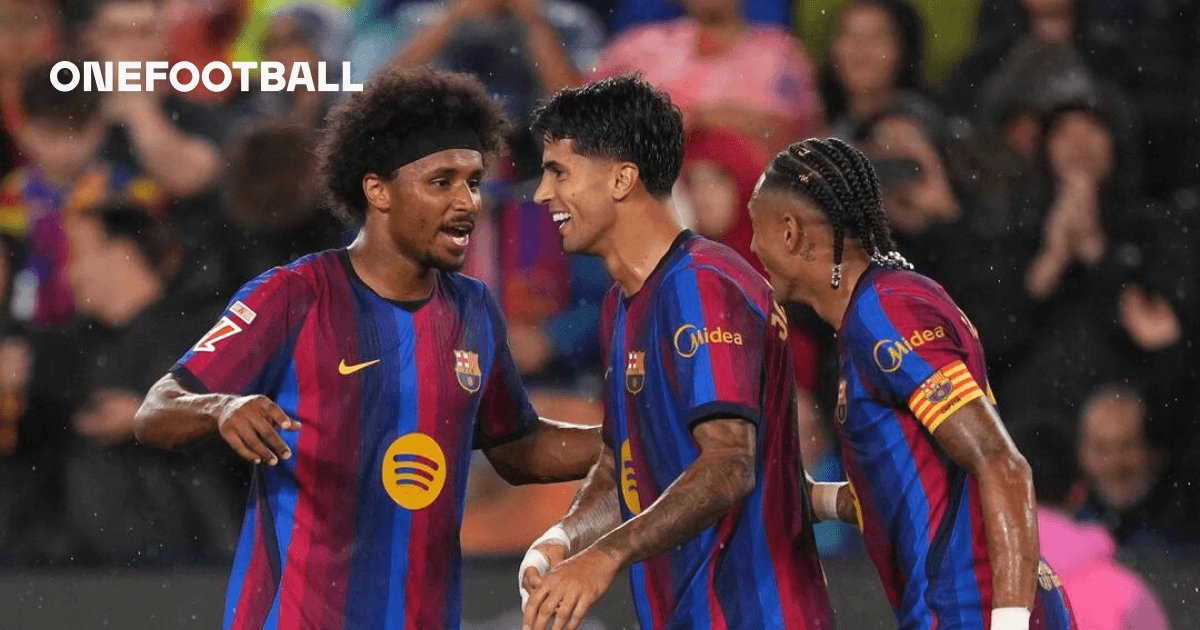
Raphinha’s Hat-Trick Powers Barcelona to 7-2 Victory Over Racing Santander
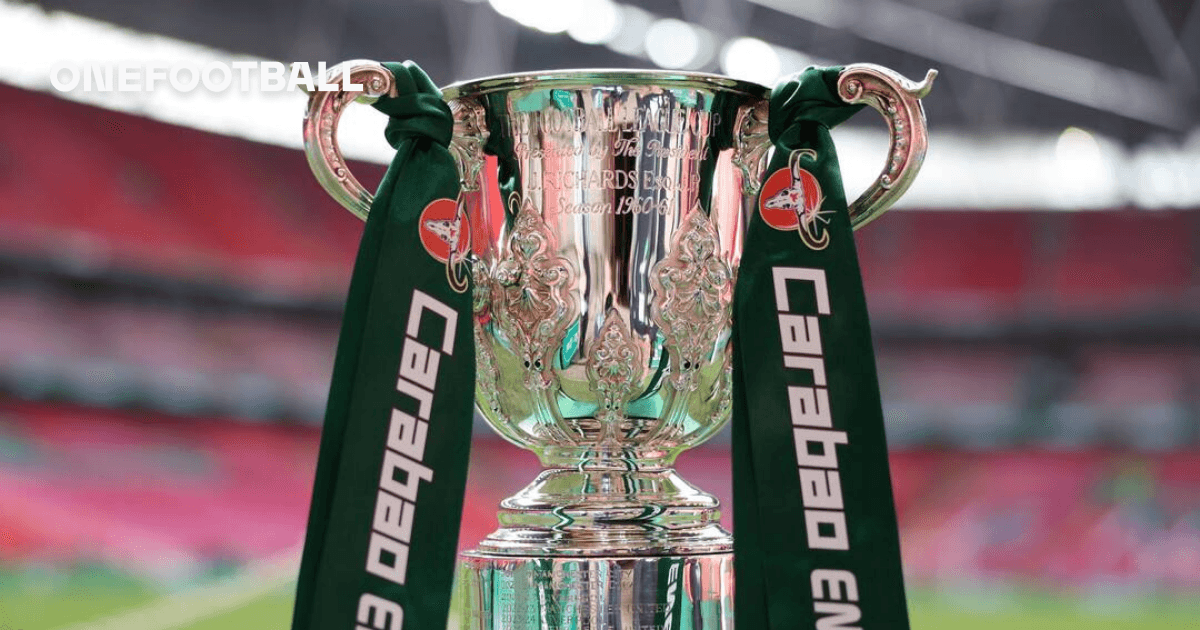
Carabao Cup Fourth Round Draw: Liverpool Set to Clash with Chelsea, Arsenal to Face Fleetwood Town
Key Football Matches to Watch in Azerbaijan This Autumn
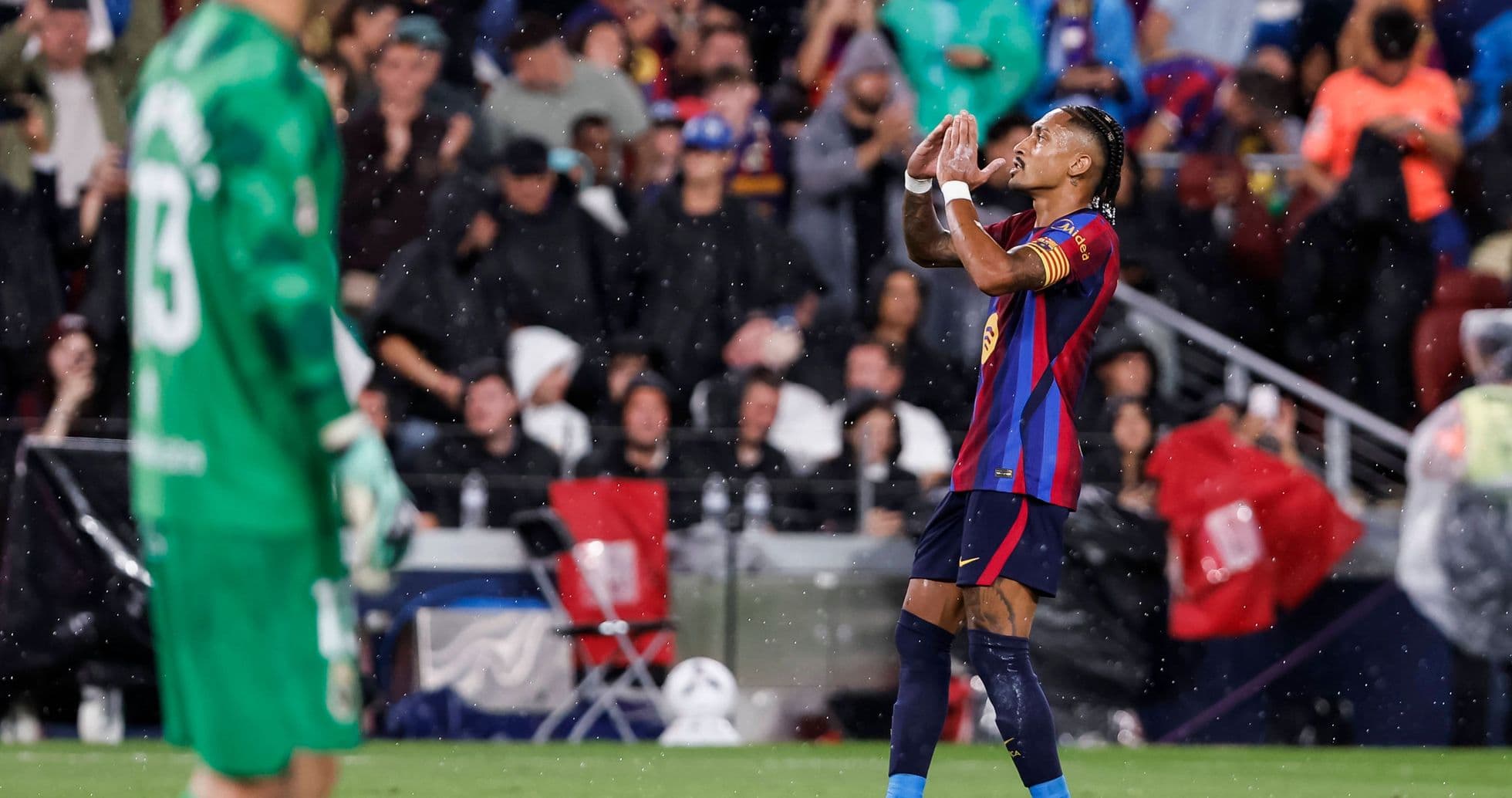
Raphinha's Hat-Trick Drives Barcelona to 7-2 Triumph Over Racing Santander
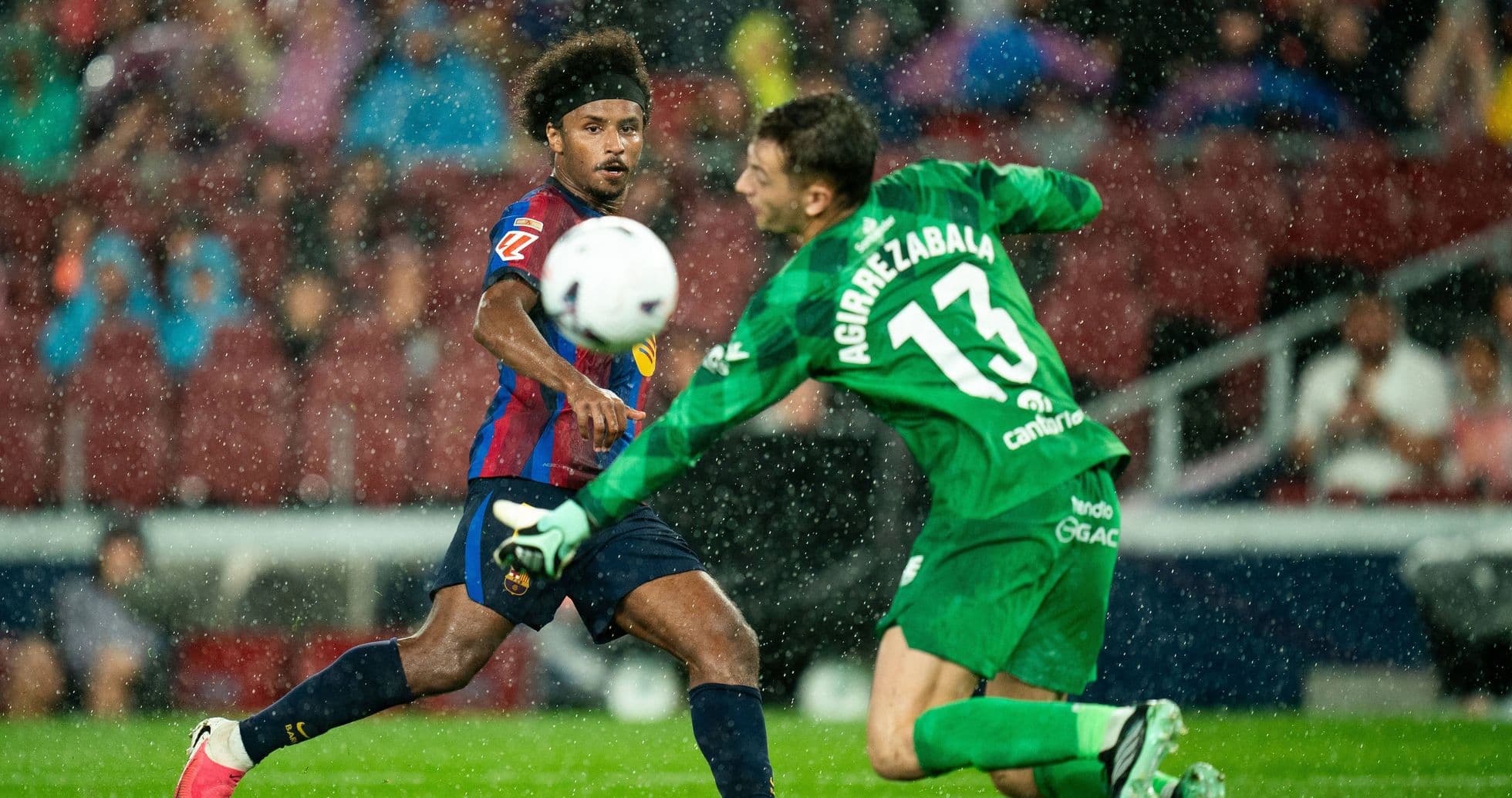
Hansi Flick Leads Barcelona to Record-Breaking Seven Wins in a Row
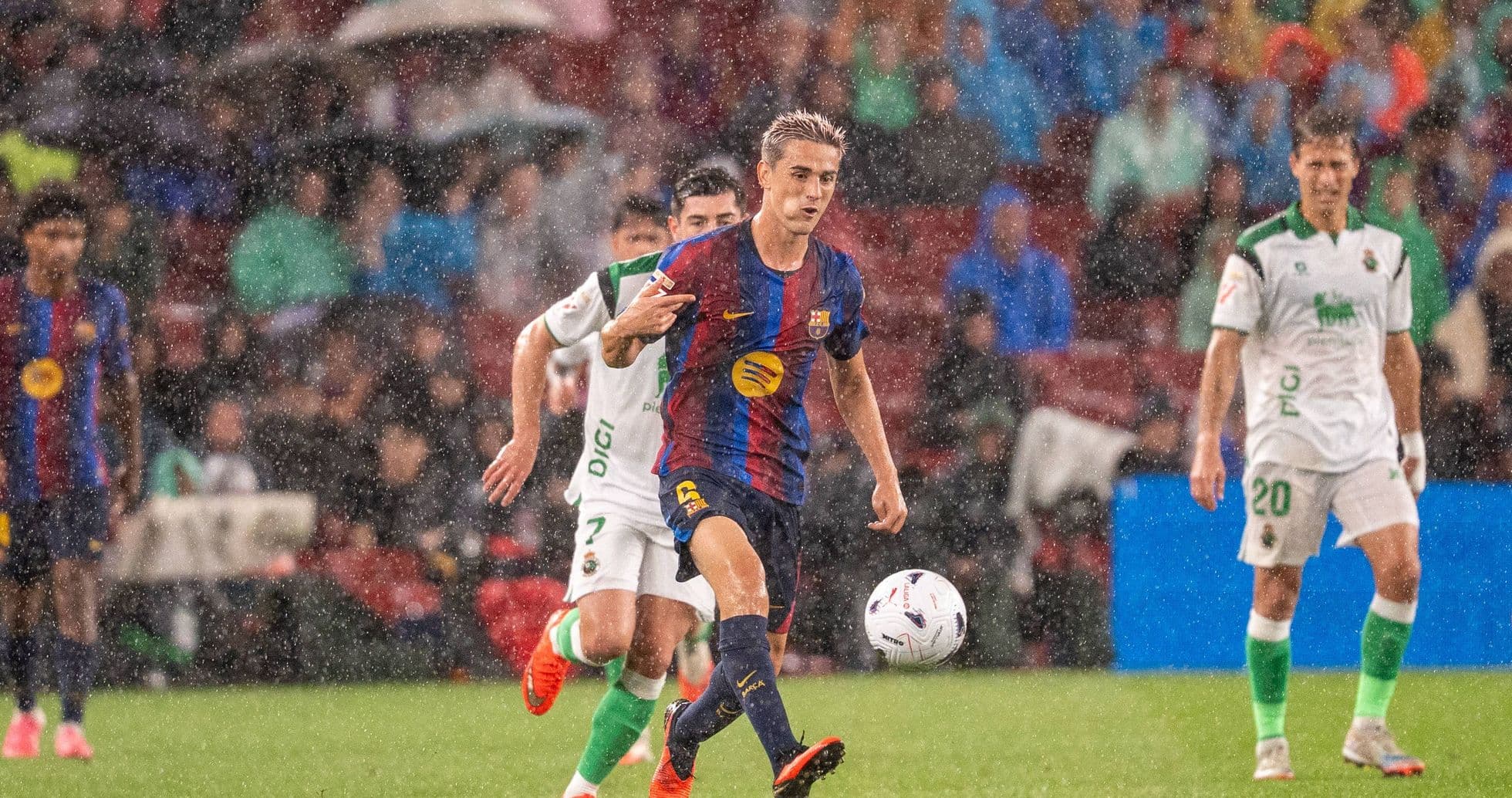
Gavi Reflects on Injury Return as Barcelona Dominate Racing Santander 7-2