
Uruguay’s World Cup preparations disrupted by airport chaos
On the eve of their World Cup debut, Uruguay’s preparations were supposed to be all about tactics, fine details and Marcelo Bielsa’s relentless demands. Instead, they were stuck on the ground in Mexico, watching the clock.
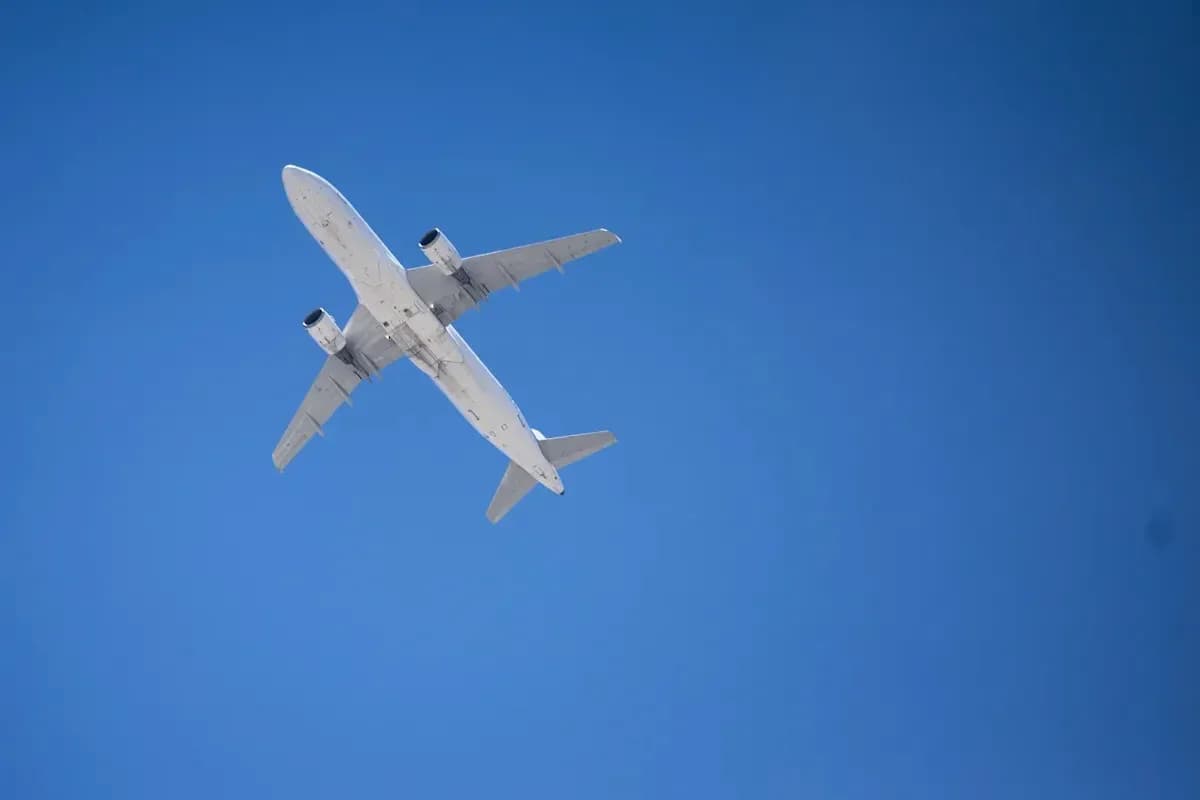
Less than 24 hours before their opener against Saudi Arabia, La Celeste’s flight from Cancún to Miami never left the runway. The team remained at their base in Playa del Carmen after the aircraft was grounded over missing documents, an administrative tangle that turned into a full-blown logistical mess.
Reports initially pointed towards FIFA, with suggestions that the governing body had not secured the necessary permits for the overland route in time. The Uruguayan Football Association (AUF) did not disguise its frustration. Asked by The Guardian whether this was a FIFA error, a federation spokesperson replied that “due to issues beyond the AUF’s control, the departure from Mexico was delayed.”
Behind the scenes, AUF officials scrambled for a solution. For several hours they chased alternatives, working phones and emails while the squad waited, recovery plans and training schedules shredded in real time.
FIFA, though, pushed the responsibility elsewhere. Speaking to ESPN, the organisation insisted the problem lay with the airline, which had apologized for the disruption. FIFA underlined that it had stayed in “close contact” with Uruguay throughout the delay and had coordinated with the airport and other partners to clear the way for departure as quickly as possible.
None of that changed the reality for Bielsa’s players. The delay ripped up the carefully plotted run-up to their first match. The scheduled pre-game press conference with Bielsa and captain José María Giménez was scrapped, denying Uruguay the usual ritual of scene‑setting and message‑shaping before a major tournament opener.
Bielsa, characteristically, refused to indulge the drama. He insisted the episode “did not cause a problem,” a stance that fits his long-standing belief that excuses are the enemy of performance.
Giménez, speaking with the candour of someone who had lived the disruption from inside the squad, offered a slightly different view. “We had a few complications and it was difficult,” he admitted, though he stressed the team had done what they could to rest and reset at the hotel while the off-field chaos played out.
Eventually, a replacement flight was secured and Uruguay were finally on their way, hours later than planned and with their ideal preparation compromised. The question now is simple: will this be remembered as a mere travel hiccup, or as the first crack in a World Cup campaign tested before a ball has even been kicked?
Related News

Raphinha’s Hat-Trick Powers Barcelona to 7-2 Victory Over Racing Santander

Carabao Cup Fourth Round Draw: Liverpool Set to Clash with Chelsea, Arsenal to Face Fleetwood Town
Key Football Matches to Watch in Azerbaijan This Autumn

Raphinha's Hat-Trick Drives Barcelona to 7-2 Triumph Over Racing Santander

Hansi Flick Leads Barcelona to Record-Breaking Seven Wins in a Row

Gavi Reflects on Injury Return as Barcelona Dominate Racing Santander 7-2