
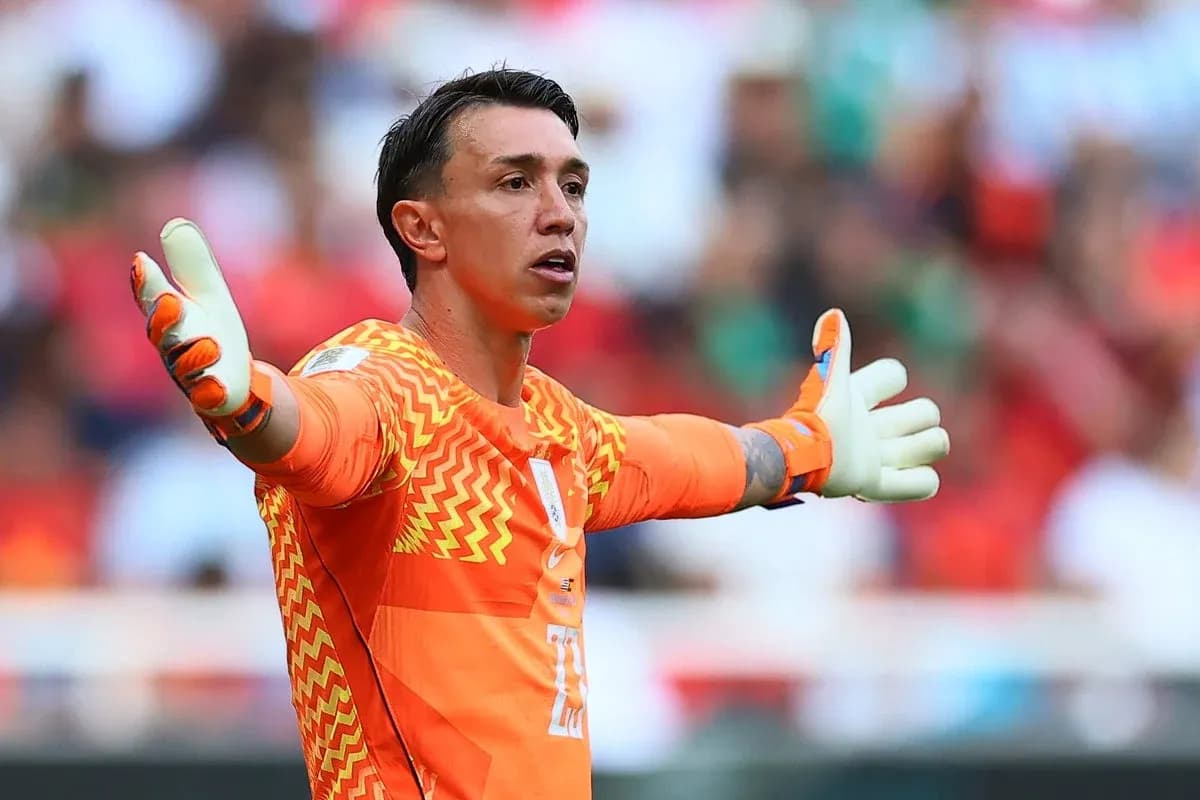
Uruguay's World Cup Ends as Muslera Exits Early
Fernando Muslera’s World Cup ended not with a save, but with a walk. Forty-five minutes into Uruguay’s decisive group game against Spain, the veteran goalkeeper disappeared down the tunnel, substituted at half-time in a move that summed up a campaign to forget for La Celeste.
Spain’s 1-0 win sealed Uruguay’s elimination from Group J and left a trail of uncomfortable history in its wake. At the centre of it all stood Muslera, a figure who has seen everything on the international stage – except a tournament as bruising as this.
A Costly Mistake and an Unwanted Record
The decisive moment came from a shot that should never have beaten him. Alex Baena’s effort lacked venom, but it had just enough direction. Muslera got down, failed to deal with it cleanly, and watched in horror as the ball trickled past him and nestled in the corner.
He erupted in anger, shouting in frustration as teammates looked on. It was more than just a goal conceded; it was the latest chapter in a nightmare run.
That error etched his name into the record books for all the wrong reasons. Since detailed records began in 1966, no goalkeeper had ever been directly responsible for three errors leading to goals in a single World Cup campaign. Muslera now stands alone in that category.
For a player who once embodied reliability for Uruguay, the fall has been stark.
A Substitution That Shocked a Nation
When the teams re-emerged after the break, Sergio Rochet stood between the posts. Muslera was gone. It was a striking image: Uruguay, fighting for survival, without their long-time No. 1.
The decision instantly became the talking point. Had Marcelo Bielsa, never shy of a bold call, finally lost patience?
Not this time.
“The Muslera change was not my decision, it was Fernando,” Bielsa told Uruguayan television after the match, making it clear the goalkeeper had taken himself off. For a player of Muslera’s stature to withdraw at such a critical moment underlined just how heavy the campaign had weighed on him.
The switch also carried historical weight. Uruguay had not substituted a goalkeeper at a World Cup since changes were first permitted at Mexico 1970. More than half a century without such a move – broken on a night that already felt like a turning point.
Bielsa Under Fire as Uruguay Crash Out
The defeat left Uruguay stranded on two points, their World Cup over before the knockouts had even begun. Draws against Cabo Verde and Saudi Arabia had already put them on edge; they went into the Spain clash knowing a point would be enough to escape the group.
They didn’t get it. The margin was narrow on the scoreboard, but the consequences were huge.
Questions now swirl around Bielsa’s future. Reports of disagreements inside the camp had surfaced during the group stage, and the manner of this exit will only intensify the scrutiny. The coach himself admitted he had failed to lift his players.
“I couldn't boost the Uruguay players, I leave nothing to the country,” he said, a stark self-assessment from a man renowned for his intensity and conviction.
His in-game decisions will not escape analysis either. With Uruguay chasing the result that would keep them alive, Bielsa removed Federico Valverde after 56 minutes. The Real Madrid star had endured a subdued evening, but taking off one of the team’s few genuine match-winners in a must-not-lose game added another layer of controversy.
“With Valverde's departure I wanted more presence in the attack,” Bielsa explained, but the change did not bring the surge he sought. Spain held firm, Uruguay ran out of ideas, and the clock ran out on their World Cup.
A Brutal End and an Uncertain Road Ahead
This was supposed to be a group Uruguay could navigate. Instead, they leave with no wins, two points, and a sense of a cycle creaking badly.
Muslera’s anguish, Bielsa’s stark words, Valverde’s early exit – they all feed into a bigger question. Where does Uruguay go from here, and who will be trusted to lead the next attempt at a World Cup run?
Related News

Raphinha’s Hat-Trick Powers Barcelona to 7-2 Victory Over Racing Santander
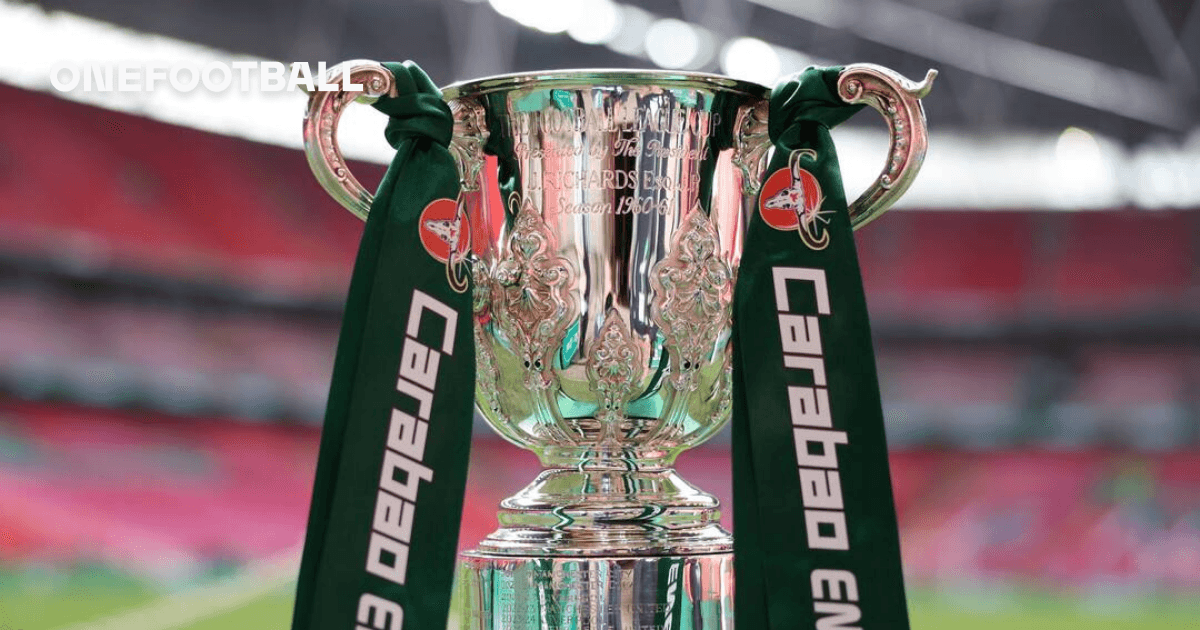
Carabao Cup Fourth Round Draw: Liverpool Set to Clash with Chelsea, Arsenal to Face Fleetwood Town
Key Football Matches to Watch in Azerbaijan This Autumn
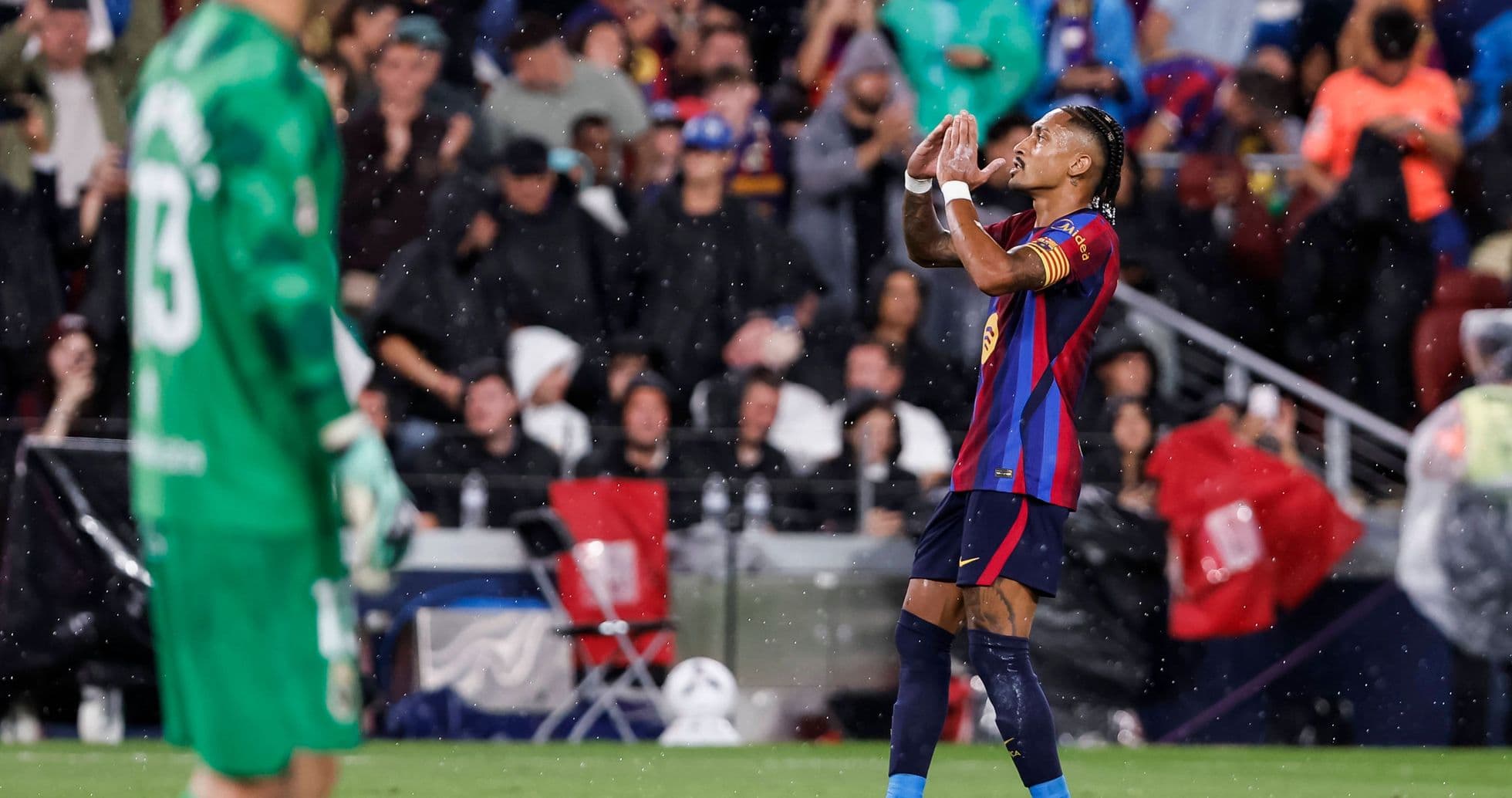
Raphinha's Hat-Trick Drives Barcelona to 7-2 Triumph Over Racing Santander
Hansi Flick Leads Barcelona to Record-Breaking Seven Wins in a Row
Gavi Reflects on Injury Return as Barcelona Dominate Racing Santander 7-2