
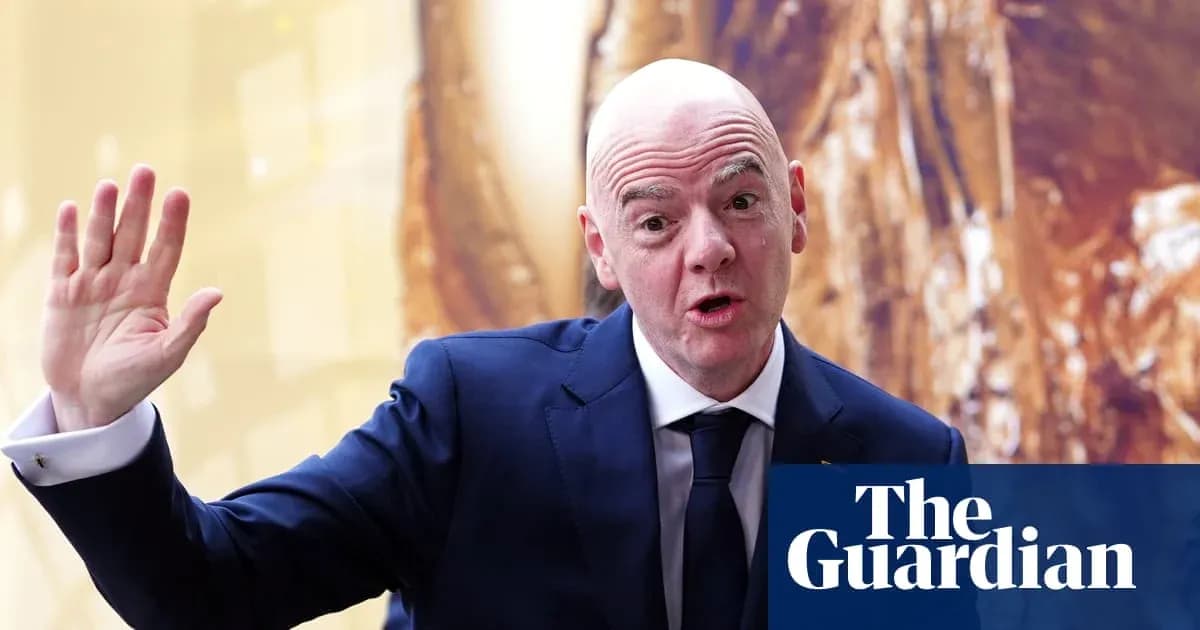
Uefa's Strong Warning to Infantino: Demand for Governance Overhaul
Uefa has launched its most direct attack yet on Gianni Infantino, warning that his leadership of Fifa has lost its confidence and demanding a “thorough and fundamental” overhaul of the organisation’s governance.
In a blistering statement laced with references to “secret schemes”, “shabby backroom deals” and “faceless individuals”, European football’s governing body made clear it wants change at the top of the world game – even after Fifa’s dramatic overnight climbdown on Infantino’s controversial plan to sell stakes in World Cup and other competition rights.
Uefa turns on Infantino
Under Aleksander Ceferin, who last week secured unanimous backing from all 55 Uefa member associations for a World Cup boycott, Europe has moved from quiet discontent to open revolt.
“We cannot keep going on like this with secret schemes on fast track timescales, cooked up by faceless individuals and of dubious benefit to the game,” Uefa said. “We must identify those responsible and hold them to account.”
The message was unmistakable. Uefa stopped short of explicitly calling for Infantino’s resignation, but senior European figures are understood to be determined that he should not survive what they regard as a crisis entirely of his own making. Several of the most powerful national associations around the world are said to share that view.
Behind the scenes, leading European officials have already started sounding out potential challengers to stand against Infantino in next year’s Fifa presidential election. That process will intensify in the coming days.
Promises turned against him
Uefa’s statement did not just criticise Infantino’s latest commercial project. It went after his record and his word.
The organisation pointedly used Infantino’s own 2016 campaign rhetoric against him, recalling how he promised transparency and accountability when he first asked Fifa’s members to elect him president.
Back then, Infantino told associations: “Of course we have to be transparent. I have been this in the last 15 years of my life in Uefa. You will have to play a part every day in the life of Fifa,” before adding: “The money of Fifa is your money. It’s not the money of the Fifa president. It’s your money. You are the national associations, and the money of Fifa has to serve for the development of football and not for anything else.”
Uefa’s verdict on those pledges was brutal. “On both these promises, he has failed to deliver. The shabby, back room, opaque deal he hatched and tried to force through were anything but transparent. And with reserves standing at over $5bn, he has also failed to use associations’ money for the benefit of the game.”
A third term under threat
Infantino, 56, had been expected to cruise to a third full term at the Fifa Congress in Rabat next March. For months he has been treated as a certainty, having already secured more than 200 letters of support from member associations endorsing his re‑election.
Those letters, though, are not binding. They can be withdrawn, and the window for rivals to declare their intention to run remains open until 18 November. What looked like a coronation now carries the whiff of a contest.
Names are already circulating. The Paris Saint-Germain president Nasser Al-Khelaifi is favoured by many in Europe, but is understood to be reluctant to stand and remains deeply embedded in club politics as chairman of European Football Clubs, a powerful lobbying group.
Other possible contenders include Victor Montagliani, the Canadian president of Concacaf, and Salman al-Khalifa, the Asian Football Confederation president who lost narrowly to Infantino in the 2016 Fifa election. None has yet stepped forward, but the ground is shifting.
The money fight at the heart of the row
At the centre of this confrontation lies Fifa’s financial model and Infantino’s attempt to reshape it.
Uefa has demanded an immediate overhaul of Fifa’s distribution system, the Fifa Forward programme, under which all 211 member associations receive the same central payment over each four-year cycle. Infantino’s now-abandoned proposal would have created a new commercial entity, Fifa Forward Enterprise, with 20% sold to private investors.
He argued that such a sale would allow Fifa to increase Forward payments from $8m to $20m per association for the next cycle, with a one-off $20m signing bonus for those who joined the scheme.
The offer of millions to some of the smallest football nations has long been attacked as a form of patronage that entrenches Infantino’s power. The additional $20m bonus, tied to a 19 September deadline, drew particular condemnation.
For Uefa, this was the red line. “Uefa will begin work immediately with partners and stakeholders all over the world and right across the game to propose a new way of distributing resources through the existing Fifa Forward programme,” its statement said.
“We must start to use some of that money that is sat idle in Fifa’s bank account to deliver the kick start that the grassroots and the wider game need in each of the 211 countries of Fifa. But we don’t need to sell off the family silver to pay for it.”
A victory – and a warning
Fifa’s retreat on the commercial plan has been hailed inside Uefa as proof that organised resistance still carries weight, even against a president who appeared to command overwhelming global support.
“This is a victory for the whole game. But it must not be the end of the story,” Uefa warned. “The proposal has gone. The task of rebuilding trust in Fifa has only just begun.”
The battle over one deal is finished. The struggle over who controls the future of world football has only just moved into its next phase.
Related News
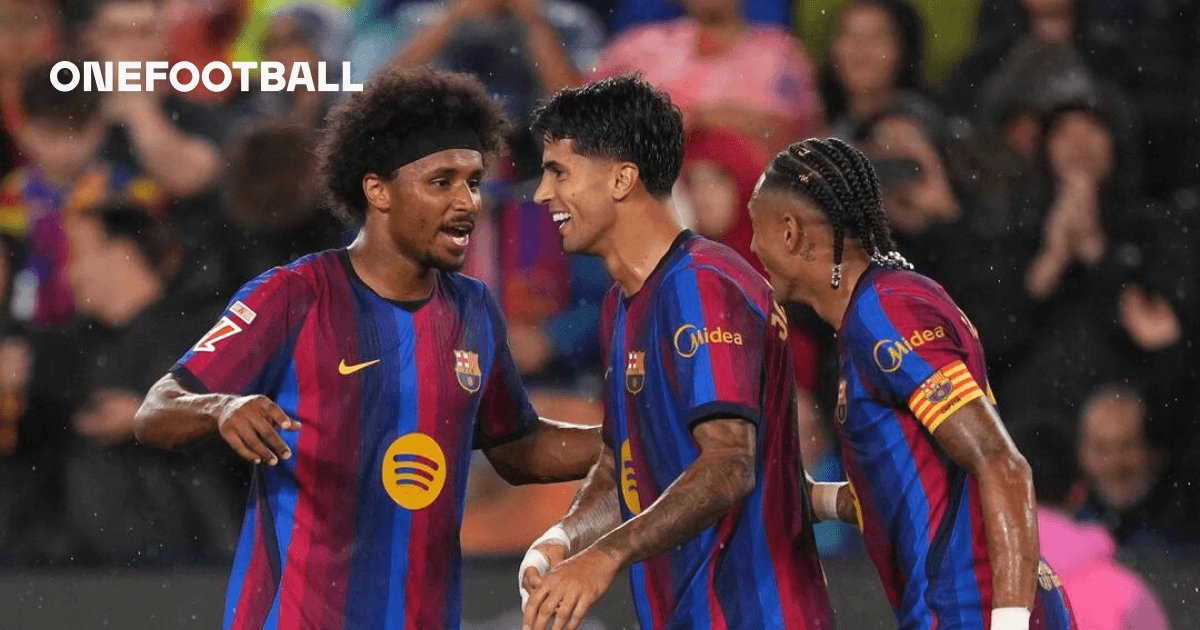
Raphinha’s Hat-Trick Powers Barcelona to 7-2 Victory Over Racing Santander
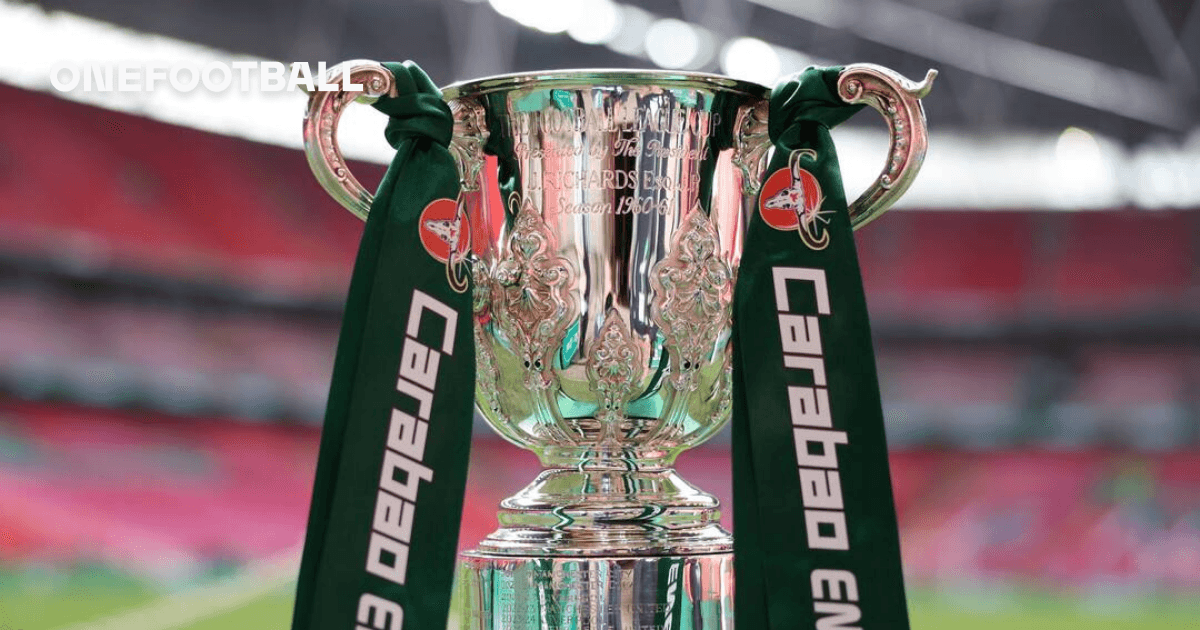
Carabao Cup Fourth Round Draw: Liverpool Set to Clash with Chelsea, Arsenal to Face Fleetwood Town
Key Football Matches to Watch in Azerbaijan This Autumn
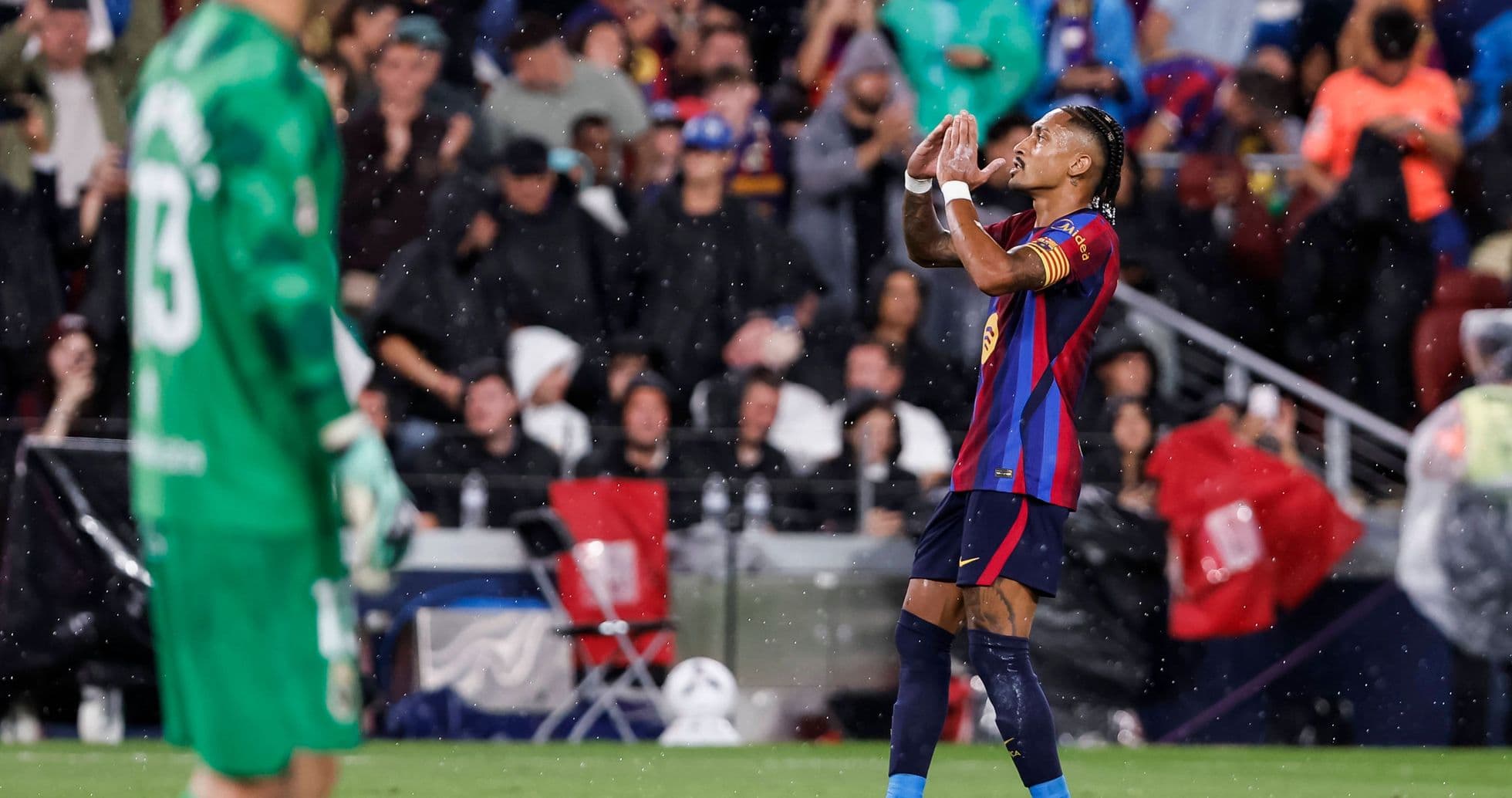
Raphinha's Hat-Trick Drives Barcelona to 7-2 Triumph Over Racing Santander
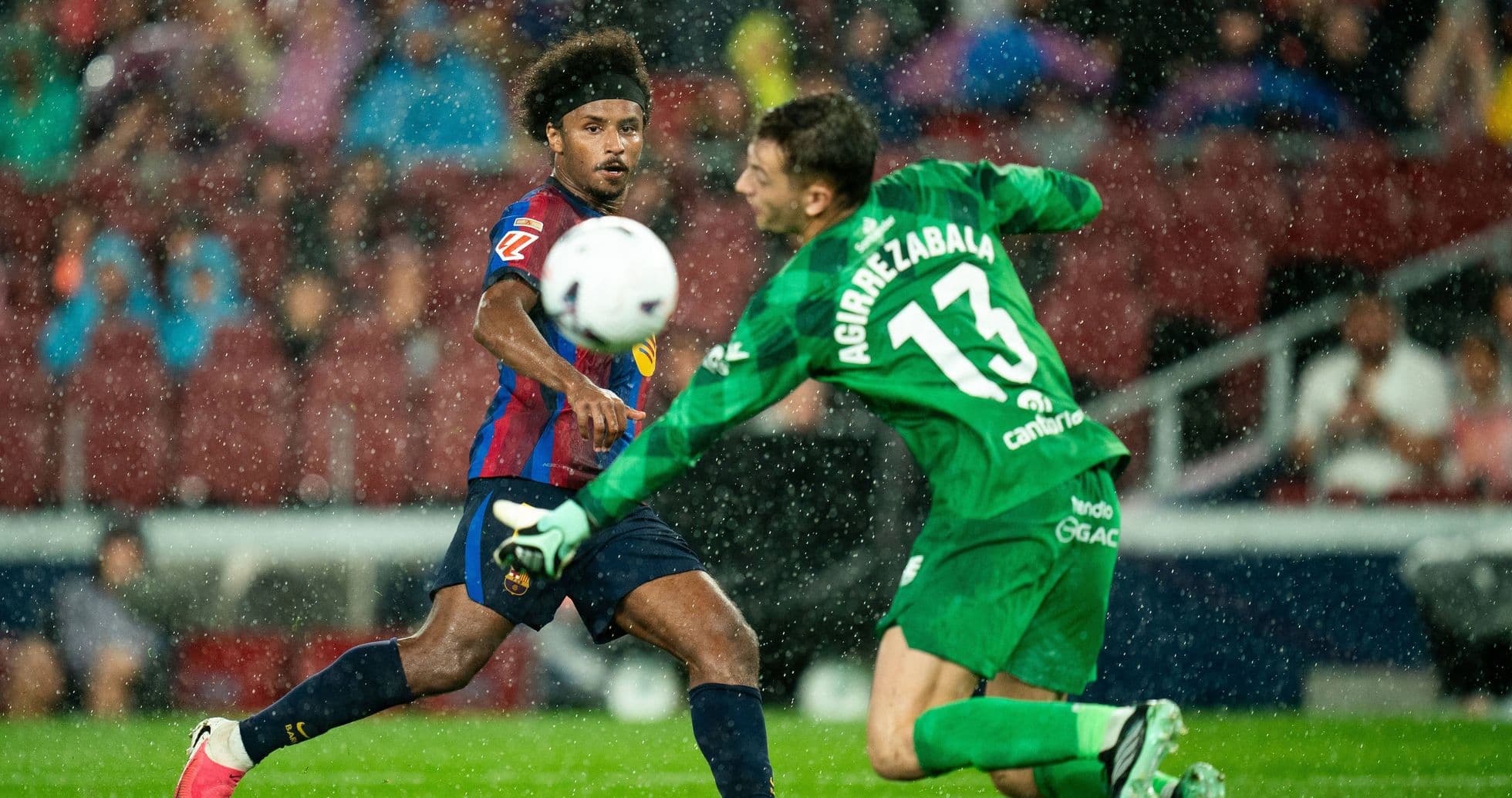
Hansi Flick Leads Barcelona to Record-Breaking Seven Wins in a Row
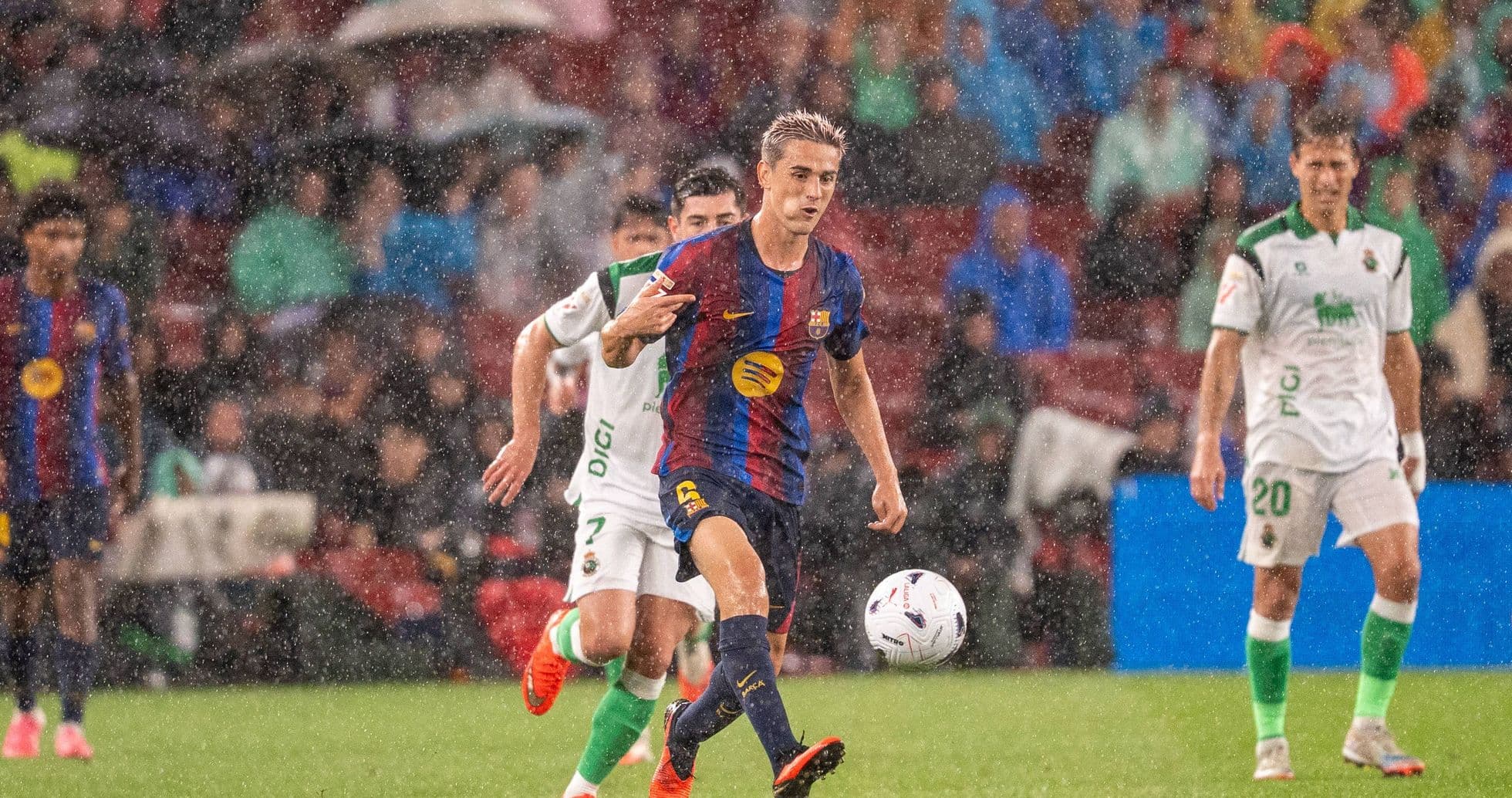
Gavi Reflects on Injury Return as Barcelona Dominate Racing Santander 7-2