
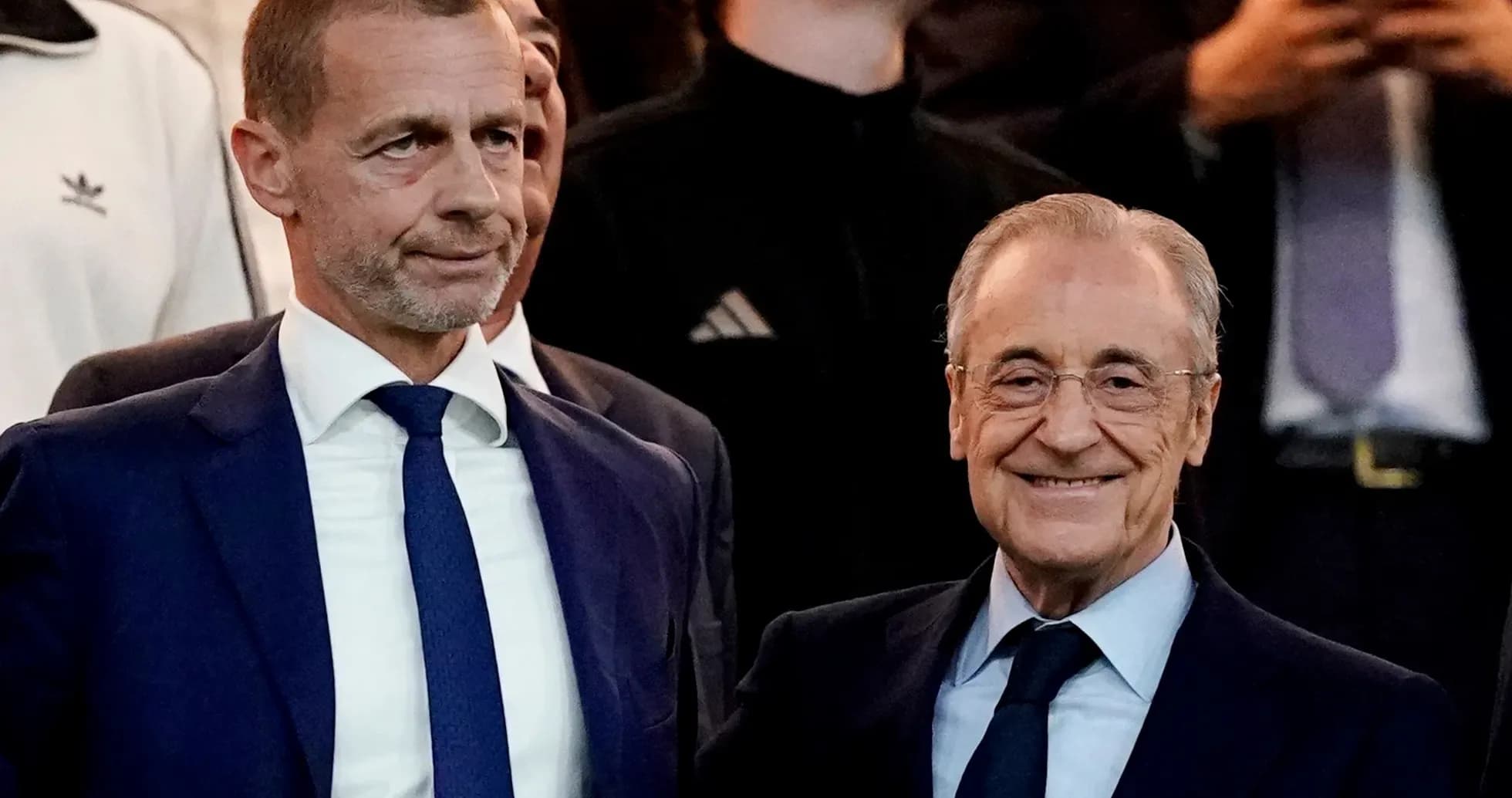
UEFA Stands Firm Against FIFA's Power Moves
UEFA has doubled down. The 55 European member associations will continue to boycott FIFA competitions, insisting that Gianni Infantino’s climbdown over his World Cup sell-off plan is nowhere near enough to repair the damage.
The message from Nyon on Thursday was blunt and pointed: the break with FIFA stands, and so does the loss of confidence in its president.
A revolt that hasn’t cooled
The rupture began last Thursday, when UEFA’s associations voted unanimously to pull out of all FIFA events. That decision followed Infantino’s bombshell announcement that FIFA would seek to sell minority stakes in World Cups and other flagship tournaments – a move seen in Europe as a direct assault on the sport’s integrity.
The backlash was immediate and ferocious. Under heavy fire from across the game, Infantino scrapped the proposal. He then flew to Morocco, where FIFA’s leadership gathered on Wednesday and publicly closed ranks around him, offering full backing and a carefully worded apology for “errors” and a promise they would “not happen again”.
On paper, it looked like a reset. UEFA did not buy it for a second.
‘These conditions have not been met’
In its latest statement, UEFA made clear that withdrawing the sell-off plan was only the first step in a much longer list of demands.
“UEFA’s associations were very clear about the conditions attached to their non-participation in FIFA competitions,” the statement read. “First, the proposals to sell off the major competitions had to be withdrawn and secondly, assurances have to be made that such attempts to disfigure the game in this way will never be made again.”
Then came the line that cuts through the diplomatic gloss: “These conditions have not been met.”
From UEFA’s perspective, FIFA’s apology and internal show of unity do nothing to answer the fundamental concern – that the global body, under Infantino, might again try to commercialise the sport’s crown jewels in ways Europe considers unacceptable.
No trust in Infantino
If there was any doubt about how personal this has become, UEFA removed it.
“UEFA made it abundantly clear in its statement on Saturday that it has lost confidence in Gianni Infantino’s presidency. That position holds,” Thursday’s statement continued.
The next sentence fired directly at the choreography of Wednesday’s summit in Morocco: “Yesterday’s (Wednesday) announcement that some people employed by the FIFA President (and whose careers depend on his favour) agree with him changes nothing.”
That is not the language of a governing body seeking a quiet compromise. It is the language of open confrontation.
FIFA did not immediately respond to a request for comment.
Legal shadows lengthen
Behind the rhetoric, UEFA is already moving to protect its position in case the dispute heads to court.
The organisation confirmed this week that it has served FIFA with a “document preservation letter” – a formal warning not to delete or destroy any material that could be relevant to ongoing or future legal action. It is a clear signal that UEFA is prepared to test its case not only in the court of public opinion, but potentially in a legal arena as well.
This is no longer just a political spat over governance. It is edging toward a full institutional clash, with lawyers on standby.
A different kind of FIFA president
Inside UEFA, the debate has already shifted to what comes next at the top of the global game.
Laura McAllister, UEFA’s vice president, underlined that any future FIFA leader must be more than a deal-maker. Speaking to Deutsche Welle on Thursday, she argued that the next president should act as a “custodian of the sport” and be capable of uniting world football, not simply managing blocs of power.
“There’s so much politics around this. There’s such an imperative to get a candidate who could unite the whole world of football, not just Europe in this case,” she said.
Her words capture the wider European mood: this is not just about one abandoned proposal, but about the direction of FIFA under Infantino and what kind of leadership the global game demands.
First test looms in Poland
For now, UEFA’s boycott remains theory. Soon, it becomes reality.
The first real test arrives on September 5, when Poland is scheduled to host the FIFA Women’s Under-20 World Cup. That tournament will be the moment the standoff moves from boardrooms and statements to team sheets and empty slots in the draw.
If Europe stays out, FIFA will have to stage a global youth showpiece without its most powerful confederation. If UEFA blinks, its hardline stance will instantly lose credibility.
The clock is ticking toward kick-off in Poland – and neither side looks ready to step back.
Related News
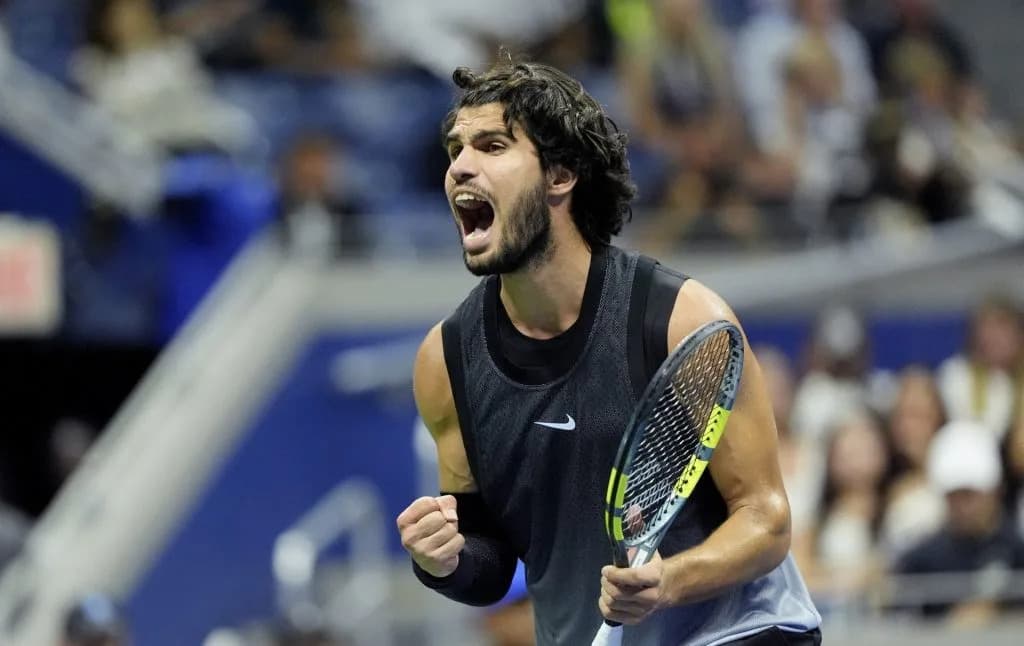
Carlos Alcaraz Urges Tennis Organizers to Stop Matches Finishing in the Early Morning
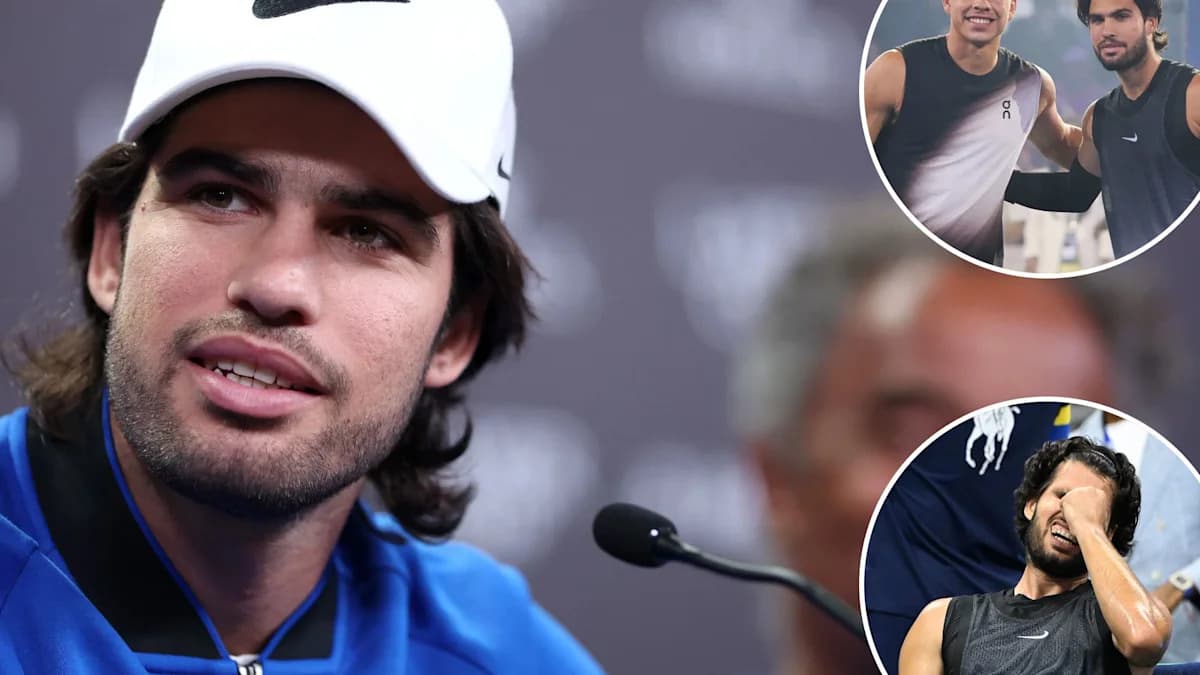
Carlos Alcaraz Frustrated by 3:30 a.m. US Open Finish: 'Too Much'
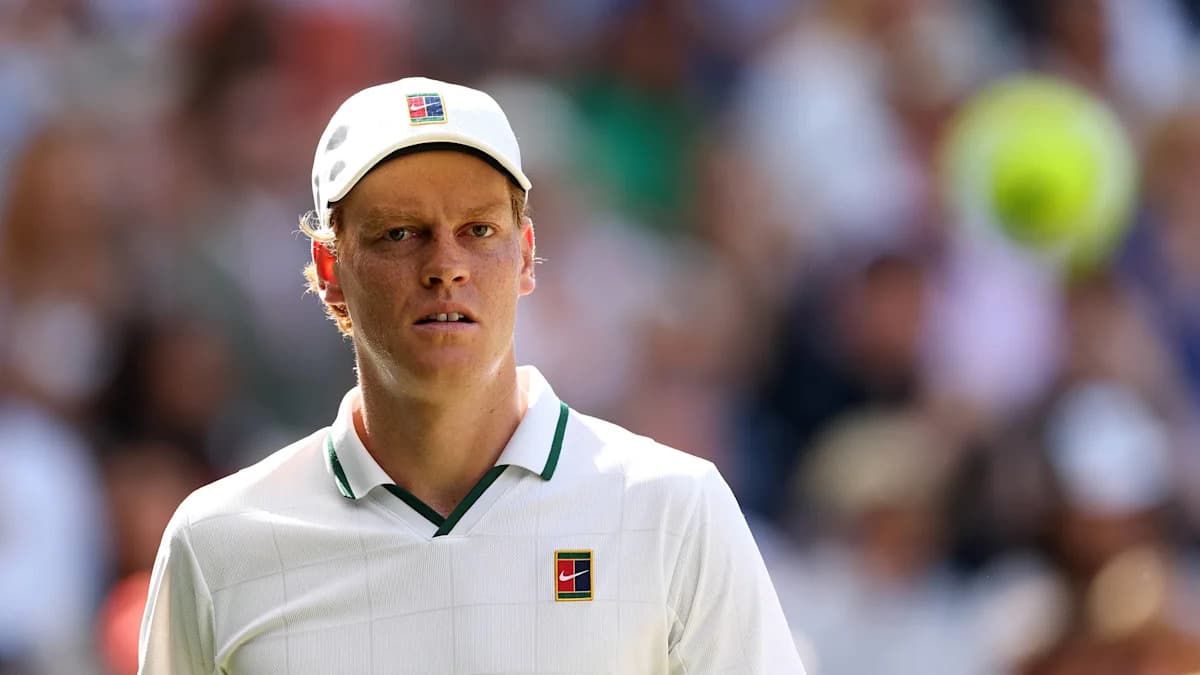
Jannik Sinner Set for ATP 500 Return in Beijing with Novak Djokovic Also Competing
Meet Iva Jovic: The Rising American Tennis Talent
Flavio Cobolli Shares Insights on Training with Jannik Sinner Ahead of His Tennis Return
Till vs Romero: Fight Details, Undercard, and Viewing Info for This Weekend