
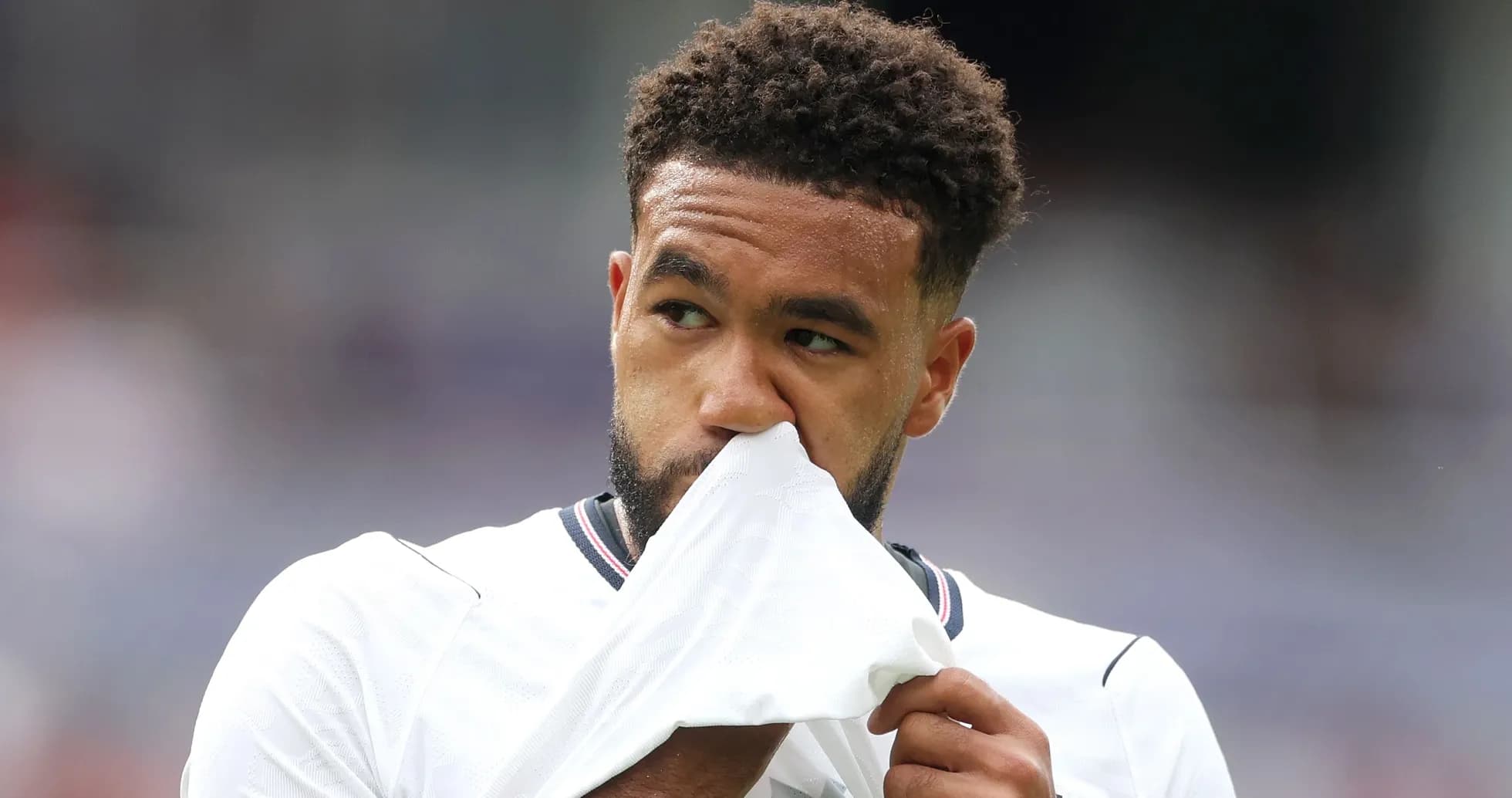
Thomas Tuchel's Balancing Act with Bukayo Saka
Thomas Tuchel is walking a tightrope with Bukayo Saka – and he knows it.
England’s head coach needs his Arsenal star firing as the tournament sharpens, but he also knows one wrong step with that Achilles and the entire plan can unravel. So the message, ahead of Panama, is clear: patience, but not paralysis.
“He seems to be more and more ready, and will hopefully push, and then we will see what is coming,” Tuchel said, outlining a carefully managed return to full throttle rather than a dramatic re-entry. Saka has been eased back, minutes rationed, training sessions stacked up rather than thrown at him.
“He’s getting there, and there’s more and more training sessions, so he needs to have more sessions now. Two sessions to be ready for Panama. It’s not only about Bukayo, but it was good he got some minutes under his belt. Hopefully, there is no reaction and he is good to go.”
That last line hangs over everything. England need him. Desperately. But Tuchel refuses to let Saka become a crutch for wider attacking problems.
Saka, scrutiny and the ‘big-game’ question
The flat performance against Ghana, four shots on target and a crowd restless with every sideways pass, has turned the spotlight back on England’s forwards. Saka, as the most gifted of the wide players, naturally finds himself at the centre of the debate: does he have the big-game edge to ignite this attack when it really matters?
Tuchel shut that down with a firmness that revealed as much about his dressing-room priorities as his tactical thinking.
“We need it from everyone. I’m not engaging in that,” he said when asked if Saka was the man to lift England’s frontline on his own.
“It’s not like Bukayo comes back and everything is solved, and I don’t want to put this on his back. He is a top player, that’s why he is with us. We need him desperately, like every other player, in top shape, and pushing. But everyone is doing their best, and it’s not the moment to shout for individual names to help us out. We’re in a good place, still.”
That line – “we’re in a good place, still” – is Tuchel drawing a line under the noise. The numbers against Ghana were underwhelming, the performance stodgy, but he is betting on continuity, not chaos, as England move into a pivotal group fixture.
No sweeping changes – just subtle shifts
Panama will stir memories of that 6-1 demolition at the 2018 World Cup, a day when everything England hit seemed to fly in. This Panama side, though, has shown more resilience at this tournament, losing twice by the same tight 1-0 scoreline. They are awkward, organised, and stubborn.
Tuchel is not planning to rip everything up after one misfire.
The expectation inside the camp is that there will be no wholesale overhaul. The German is weighing up tweaks rather than a full reset, conscious that too much rotation can fracture rhythm and understanding.
“I am not shy to do some rotation now,” he admitted. “Some players should be on the pitch but maybe it will be more moderate. It’s not always fair if you just rotate your players in and say: ‘OK, let’s perform.’”
That last sentence is pure Tuchel: a coach who believes structure and relationships matter as much as individual form. He singled out areas he feels are already working.
“I like for example the centre-backs. They were good together. I like Elliot Anderson, he had a step forward and a good performance, maybe a bit better than against Croatia.”
There could be one notable adjustment. Manchester City’s Nico O’Reilly is in contention to come back in at left-back, potentially displacing Djed Spence. It would be a targeted move, not a statement of panic, and fits with Tuchel’s insistence on preserving the “structural balance” of his side.
Creating chances, missing the spark
Tuchel’s defence of his team after Ghana was measured but unwavering. He sees a side that is building the right patterns, even if the final touch is missing.
“We created half-chances, we created deliveries and set plays but couldn’t score from it to change the characteristics of the game,” he said. “I know it’s not an easy watch. Maybe I watch it differently from the sideline as a coach. I know what we wanted and what we had to take care of.”
From the stands, it looked sterile. From the bench, Tuchel saw a team following instructions, controlling key areas, but lacking the ruthless incision that separates contenders from passengers at a World Cup.
He is adamant that this is not the time for anxiety to seep in.
“There is a long way to go and no one has won a World Cup with four goals per match and going for it. We always want to go for it and our responsibility is to bring everything to the table. We tried and tried but it’s difficult sometimes and there is no need to feel negative.”
That comment cuts through the hysteria that often follows a stodgy group game. World Cups are rarely won by teams who peak in week one. They are won by sides who survive the early turbulence, find their shape, and grow into the tournament.
For England, that growth now runs through a single, delicate equation: how quickly Bukayo Saka can move from managed minutes to match-winning influence – and whether Tuchel’s faith in continuity will be rewarded before the stakes become unforgiving.
Related News

Raphinha’s Hat-Trick Powers Barcelona to 7-2 Victory Over Racing Santander
Carabao Cup Fourth Round Draw: Liverpool Set to Clash with Chelsea, Arsenal to Face Fleetwood Town
Key Football Matches to Watch in Azerbaijan This Autumn
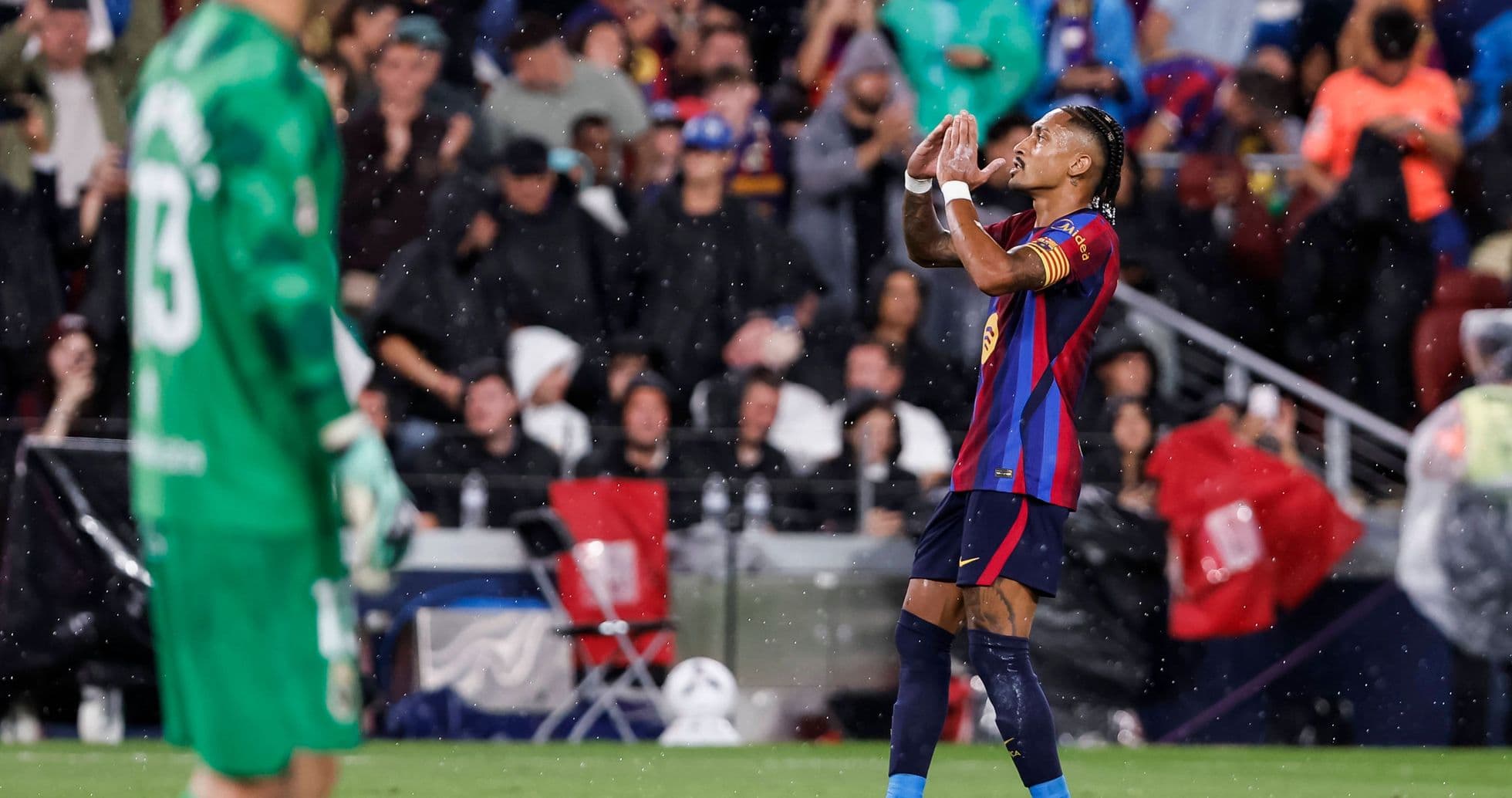
Raphinha's Hat-Trick Drives Barcelona to 7-2 Triumph Over Racing Santander
Hansi Flick Leads Barcelona to Record-Breaking Seven Wins in a Row
Gavi Reflects on Injury Return as Barcelona Dominate Racing Santander 7-2