
Tottenham's Ambitious Push for Women's Super League Success
Tottenham are done flirting with survival. They are done being plucky overachievers. This summer’s transfer window, on the women’s side of the club at least, screams something different: Tottenham intend to crash the elite party in the Women’s Super League.
They are not whispering it either. They are paying for it.
A statement in the market
Last season’s fifth-place finish felt like a turning point, a sharp swing away from the anxiety of the previous campaign when relegation worries stalked them into spring. It gave Martin Ho a platform. The club has spent the summer pouring concrete on it.
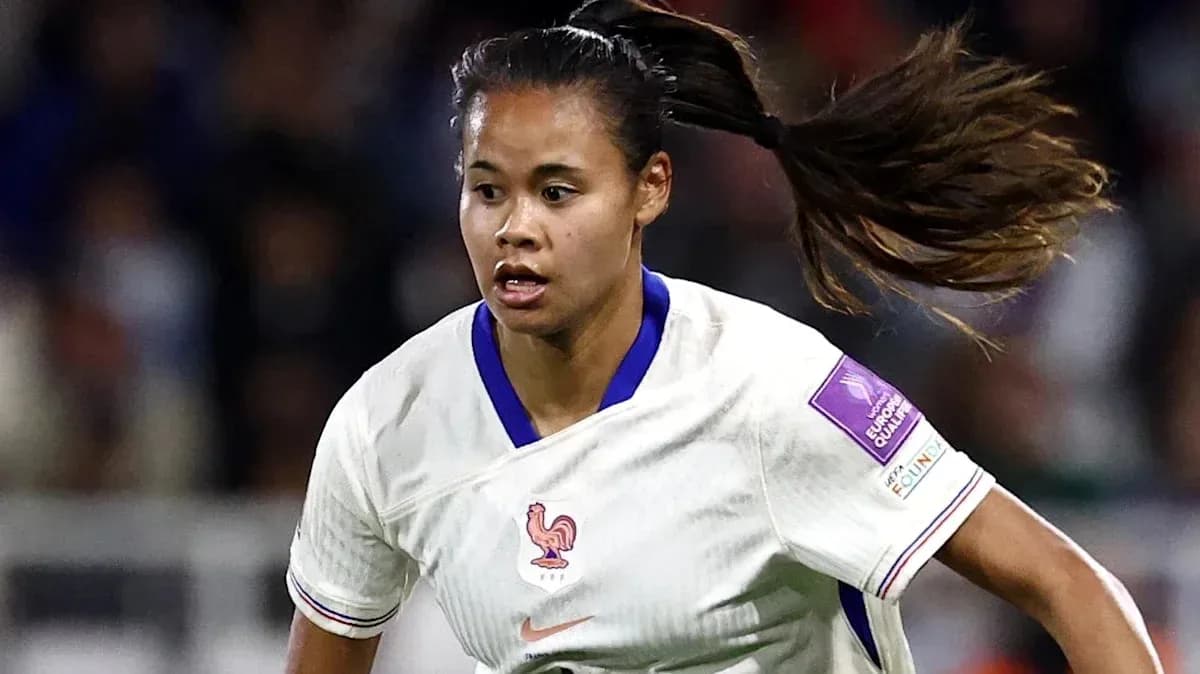
Tottenham smashed their club transfer record to prise France defender Alice Sombath from Lyon, a move that would have been unthinkable only a few years ago. It follows the roughly £375,000 outlay in January on Norway forward Signe Gaupset – a fee that was itself a landmark at the time.
The spending has not stopped there. Forwards Shekiera Martinez and Kirsty Hanson, defender Caitlin Dijkstra, midfielder Victoria Pelova and goalkeeper Selma Panengstuen have all arrived, a spine and a supporting cast in one window. On paper, it looks like a squad built not just to compete, but to irritate the established order.
The plan is clear: no more short-term patchwork, no more firefighting.
Seven seasons, a different club
This is Tottenham’s seventh year in the WSL, but the club that came up in 2019 barely resembles the one preparing for this campaign.
The infrastructure has grown around the team. Staff numbers have swelled. Training standards have risen. The women’s squad now operates from its own base at the club’s Hotspur Way training centre, a physical sign of status rather than an afterthought tacked onto the men’s operation.
Not everything has gone their way. A proposed new women and girls’ academy facility was blocked in court this week, a reminder that off-field progress rarely runs in straight lines. Yet the direction of travel is unmistakable.
The club has flirted with the big stage before. Months after promotion, almost 40,000 turned out at Tottenham Hotspur Stadium for a north London derby against Arsenal. In 2020, they pulled off the headline-grabbing loan signing of USA star Alex Morgan shortly after she gave birth. In 2024, they walked out at Wembley for a Women’s FA Cup final.
The ambition has always been there. The execution has not always matched it.
A disappointing 2024-25 season under Robert Vilahamn – one that stalled momentum and forced uncomfortable questions – ended with his dismissal. Ho’s arrival reset the project. His debut campaign dragged Spurs back up the table and restored a sense of purpose.
Now the recruitment is catching up with the rhetoric.
A 12‑month blueprint
When Ho joined in July 2025, Tottenham did not simply hand him a whistle and a wish list. They built a 12‑month recruitment plan, mapping three transfer windows ahead. Targets were identified, conversations started, roles sketched out.
Some of the groundwork had already been done. Talks with striker Cathinka Tandberg and defender Toko Koga were advanced even before Ho signed his contract. Both players have since become central to his side, proof that the club’s scouting and coaching visions are finally aligned.
Ho used that first summer to watch, to strip back the squad and understand what it lacked. The evolution since has been deliberate rather than frantic.
Inside the club, there is quiet satisfaction. Sources say Tottenham landed every key target they wanted in January and have done the same again this summer, even though the window does not close until 3 September. That is not normal for a club still relatively new to the top tier. It is the behaviour of an organisation that knows exactly what it wants and is prepared to move early to get it.
The logic is simple: finish the deals, then coach. Ho has been given a full pre-season with his group, not a revolving door of late arrivals.
Behind the scenes, managing director Andy Rogers has been orchestrating much of this. After 24 years at the club, he is determined to leave the women’s side in a stronger position than he found it. This summer’s business doubles as his legacy and his handover.
Eyes on Europe
So what does all this buy them?
For now, Tottenham have firmly established themselves as a WSL club rather than a visitor passing through. The next step is the hardest one: Europe.
Ho has not hidden from it. He has consistently talked about competing with the league’s best and building a squad capable of playing in continental competition. The bar is brutally high. Only the top three in the WSL qualify for the Women’s Champions League, and those places have been jealously guarded by Arsenal, Chelsea, Manchester City and Manchester United.
Breaking that cartel is not just about one good window. It is about sustaining pressure over seasons. It is about depth, resilience, and the ability to ride out injuries and dips in form without the table collapsing beneath you.
Tottenham are not alone in trying. London City Lionesses and Brighton have been spending with similar intent, each harbouring their own top-three dreams. Their ambition has acted as a jolt to Spurs, a warning that standing still is not an option in a league where transfer records are being rewritten with increasing regularity.
A shifting landscape
All of this is happening while the women’s game itself wrestles with its financial future. Discussions around salary caps and broader financial regulations are only just beginning to take shape. For now, clubs with the means and the will can invest heavily with little regulatory pushback.
That freedom may not last. Tottenham are moving while the window is open.
Their women’s spending also mirrors a more aggressive approach on the men’s side, where the club is trying to recover from a dismal season that came perilously close to Premier League relegation. This is not an isolated splurge; it is part of a wider strategic shift triggered by Daniel Levy’s departure as chairman in September 2025 and subsequent changes in the boardroom.
Vinai Venkatesham’s arrival as chief executive in April 2025 is central to that shift. At Arsenal, he was a key architect in the women’s team’s rise. Tottenham have hired him to repeat the trick in a different shade of north London.
The model is clear: blend some of the best young talent in Europe – players like Gaupset and Sombath – with proven WSL operators such as Hanson and Martinez. Give Ho a group he can shape over several seasons, not a revolving cast of short-term fixes.
The missing piece: a crowd to match the ambition
One challenge remains stubbornly unsolved. The fanbase.
Tottenham’s average WSL attendance last season was just 1,734, a number flattered by the occasional big gate at the main stadium. For a club of this size, in this city, with this level of investment, those figures jar.
The team is being built to play European football. The question now is whether the supporters will come with them – and whether, when the chance finally arrives, Tottenham will be ready to stay at that level, not just visit it for a season and drift away again.
Related News
Ilia Topuria Accuses Justin Gaethje After UFC Defeat

Tyson Fury vs Anthony Joshua Fight Date and Venue Confirmed
Switzerland Calls Up In-Form Sion Striker Winsley Boteli for Nations League
Bournemouth Secures Historic 2-1 Win Over Real Sociedad in Spain
Portugal Announces Squad for 2026 UEFA Nations League; Cristiano Ronaldo Expected to Play

Raphinha Channels Ronaldo Nazario as Barcelona's Leading Striker After Position Change