
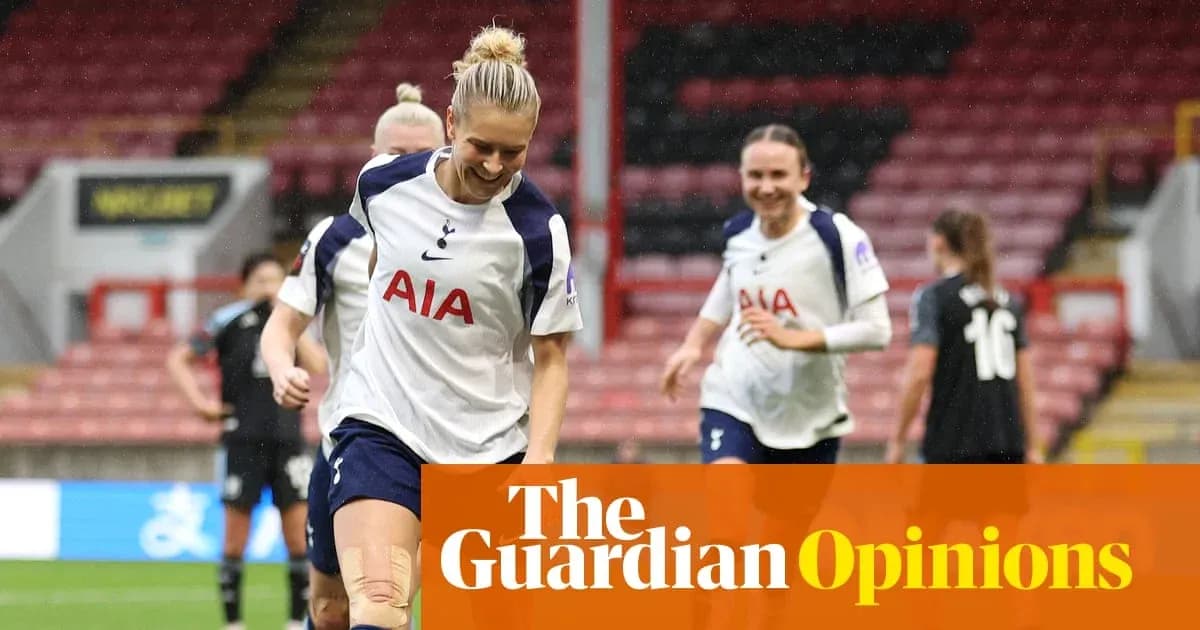
Tottenham Women: A Historic WSL Campaign
Tottenham’s women offered something rare last season in N17: joy.
While the men’s side spent months staring into the relegation abyss – not just flirting with the drop but practically planning a long-term relationship with it – the women quietly built the best WSL campaign in the club’s history. As the panic rose in the men’s WhatsApp groups and supporters braced for the prospect of Lincoln at the Tottenham Hotspur Stadium, the women’s team were serving up 7-2 thrillers, outrageous long-range goals and an FA Cup epic that defied belief.
When the dust settled, the men had clung on to Premier League status. The women had something far more substantial: progress, identity and a sense that this project is only just getting started.
A season that crackled
The headline numbers barely do it justice. Spurs posted their highest WSL points tally and finished fifth, just behind the established superpowers of Manchester City, Arsenal, Chelsea and Manchester United. They didn’t just improve; they entertained.
There was the 7-2 demolition of Aston Villa, a scoreline that felt more five-a-side than top-flight football. There was the FA Cup shootout against London City Lionesses, where the first 17 penalties found the net in a surreal test of nerve before Spurs finally edged through. There was Cathinka Tandberg’s 40-yard screamer, the kind of strike that stops conversations mid-sentence and sends fans scrambling for replay clips.
While the men’s side passed themselves into paralysis around the penalty area and lurched through an injury crisis, the women played with clarity and purpose. For some supporters, the weekly ritual shifted: crisis hotline for the men; sanctuary at Leyton Orient for the women.
A new voice, a clear idea
The transformation has a clear starting point: Martin Ho’s arrival as head coach last year.
Ho came in with pedigree – assistant at Manchester United, head coach at Brann in Norway – but also with a human touch that quickly resonated. He didn’t lock himself away in an office. He strolled through the Legends Lounge at Leyton Orient before games, chatting with supporters, listening, building a connection that felt genuine rather than choreographed.
On the pitch, his impact was obvious. Spurs became attacking, organised, and purposeful. Players looked certain of their roles. Passing patterns had a destination, not just a direction. The team moved as a unit, each player clear on how to support the next.
The contrast with the previous campaign was stark. In 2024-25, Spurs had badly underperformed, finishing a single place above relegation and prompting the departure of Robert Vilahamn. Under Ho, they burst out of the blocks, winning five of their first six games. No one outside the dressing room knows exactly what he said to reignite the core of that squad, but whatever the message was, it didn’t resemble the infamous Igor Tudor-style teardown that strips players of belief. This group started to look like they could attack, defend and run – and they did all three with conviction.
Eveliina Summanen’s industry, Amanda Nildén’s composure, Lize Kop’s presence in goal, the steel and nous of Drew Spence, the authority of Clare Hunt at the back: this was a spine that trusted itself again.
Smart recruitment, sharper edge
Ho didn’t just inherit; he built.
Olivia Holdt emerged as Spurs’ top scorer from midfield, a reminder that the best modern sides spread the goals. At the back, Toko Koga became a rock in central defence, a constant in a season of tactical evolution. January brought another key piece in Signe Gaupset, a midfielder who loves to surge through the centre of the pitch with the ball at her feet, turning defence into attack in a few decisive strides.
The result was a side that could hurt teams in different ways. They had structure, but not rigidity. They could press, counter, and sustain attacks, a rare blend for a club still trying to elbow its way into the WSL’s top tier.
There were reality checks. Manchester City thumped them a couple of times, powered by Khadija “Bunny” Shaw, whose goals-per-game ratio outstrips even Erling Haaland’s. But there is no shame in being punished by the league’s most ruthless striker, especially when City went on to win the title ahead of Arsenal, Chelsea and United.
The key detail is where Spurs finished: fifth, just behind that dominant quartet. For the first time, breaking into the top four doesn’t feel like wishful thinking. It feels like a genuine target over the next year or two.
Building again: Dijkstra, Martinez and a changing core
The response to last season’s momentum was swift. Within days of the campaign ending, Spurs moved decisively in the market.
Caitlin Dijkstra arrived from Wolfsburg, a highly rated Netherlands international brought in to strengthen the defence. Up front, Germany’s Shekiera Martinez joined after proving herself a clinical presence in a struggling West Ham side. These were not speculative punts; they were targeted upgrades.
More reinforcements followed. Kirsty Hanson came in from Aston Villa, adding directness and experience in wide areas. Alice Sombath arrived from OL Lyonnes, another sign that Spurs can now attract players from heavyweight European clubs.
The squad that lines up at the start of the new season will look very different from the one that first captured some fans’ attention three years ago. The churn is natural in a team climbing the ladder. The emotion around the exits is not.
Bethany England’s departure hurts. The club’s record goalscorer leaves without even a one-year extension, a decision that remains difficult to understand from the outside. Ashleigh Neville’s move to Leicester, driven by a desire to be closer to home, carries a different tone – understandable, but still a wrench for supporters who saw her as part of the club’s fabric.
This is the cost of growth: new faces, new standards, and the goodbye to players who helped build the platform.
A different kind of matchday
What hasn’t changed is the community forming around this team.
The regulars – many of them long-time Spurs fans across both men’s and women’s sides – bring an encyclopaedic knowledge of the club. They write blogs, record podcasts, and still subject themselves to away days at West Ham in the rain and wind. Some followed the women back when they were Broxbourne Ladies, a small band of supporters watching a side claw its way up through the leagues.
At Leyton Orient, the atmosphere feels distinct from the men’s game. Frustrations are aired, referees are asked – with a certain pointed politeness – whether they’ve recently visited a well-known high street optician, but the seething aggression and relentless swearing that can dominate men’s fixtures is largely absent.
Before kick-off, banners go up in the stands: Spurs players alongside the Progress Pride flag. It’s not tokenism. It’s a clear, visible statement that everyone is welcome. For some fans, that display has reshaped how they see football’s role, underlining the sport’s potential as a genuine force for inclusion and change rather than just a slogan on a sleeve.
Fast, imperfect, and better for it
On the pitch, the women’s game runs at its own rhythm. The pace is marginally slower than the men’s, but the matches themselves zip along. No VAR. No five-minute waits in the cold while someone in a remote bunker draws lines on a screen.
There are mistakes. There are the occasional refereeing howlers. But the trade-off is immediacy. Goals stand or fall in real time. Emotion doesn’t get paused for a broadcast review.
For families, for new fans, for those disillusioned by the men’s game, it’s an easy sell. Turn up, watch a team that knows what it wants to be, share the experience with people who care deeply but refuse to let the anger consume them.
Spurs Women are not the finished article. They’re not yet part of the WSL’s ruling class. But they have identity, ambition and a growing, fiercely loyal support. With the right steps, that fifth place might soon look like the beginning rather than the peak.
And if the men’s side ever lurch back towards crisis, there’s already a blueprint in place just down the road at Leyton: attack with conviction, defend with purpose, run until the final whistle – and make people want to come back next week.
Related News
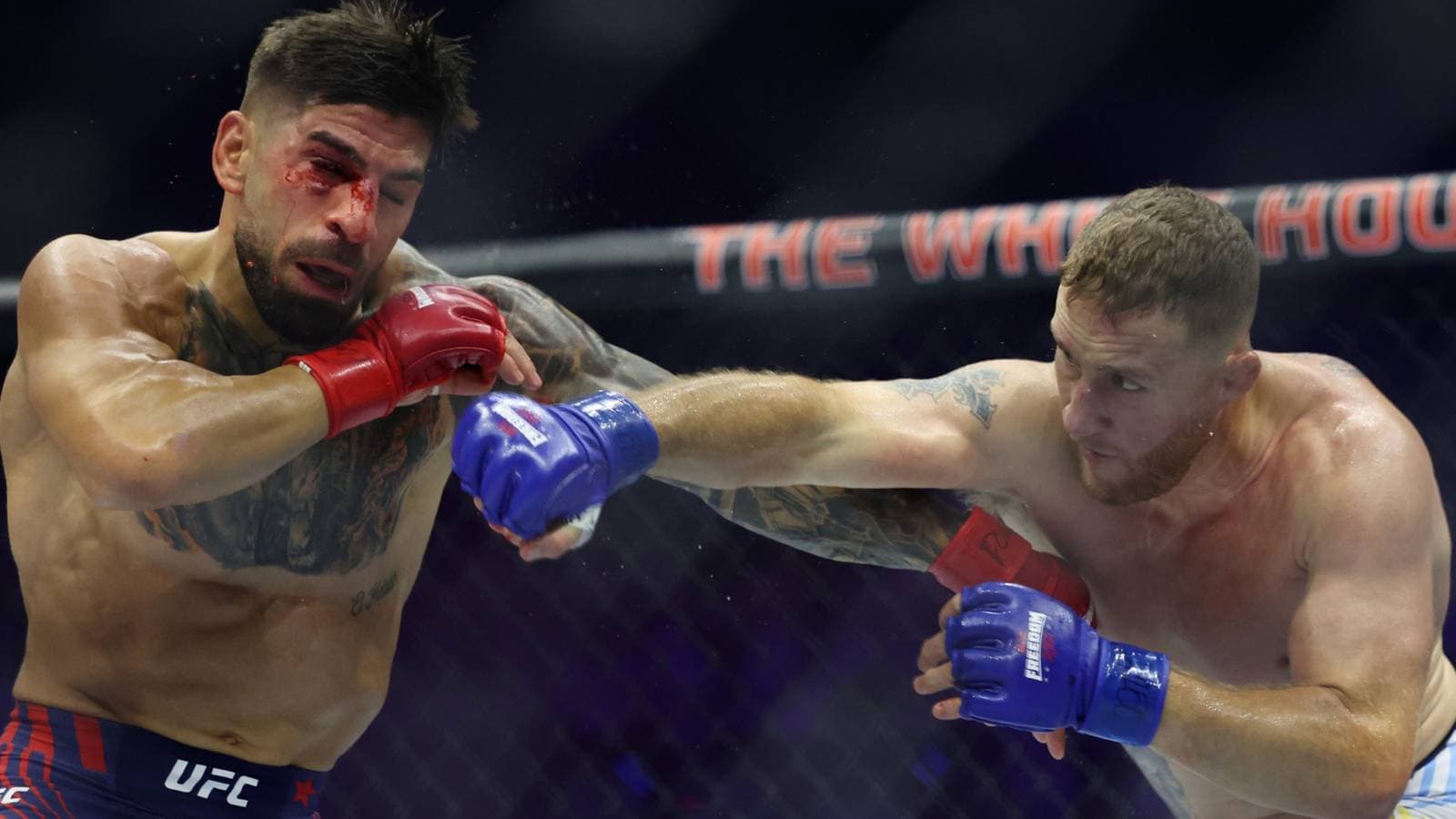
Ilia Topuria Accuses Justin Gaethje After UFC Defeat

Tyson Fury vs Anthony Joshua Fight Date and Venue Confirmed
Switzerland Calls Up In-Form Sion Striker Winsley Boteli for Nations League
Bournemouth Secures Historic 2-1 Win Over Real Sociedad in Spain

Portugal Announces Squad for 2026 UEFA Nations League; Cristiano Ronaldo Expected to Play

Raphinha Channels Ronaldo Nazario as Barcelona's Leading Striker After Position Change