
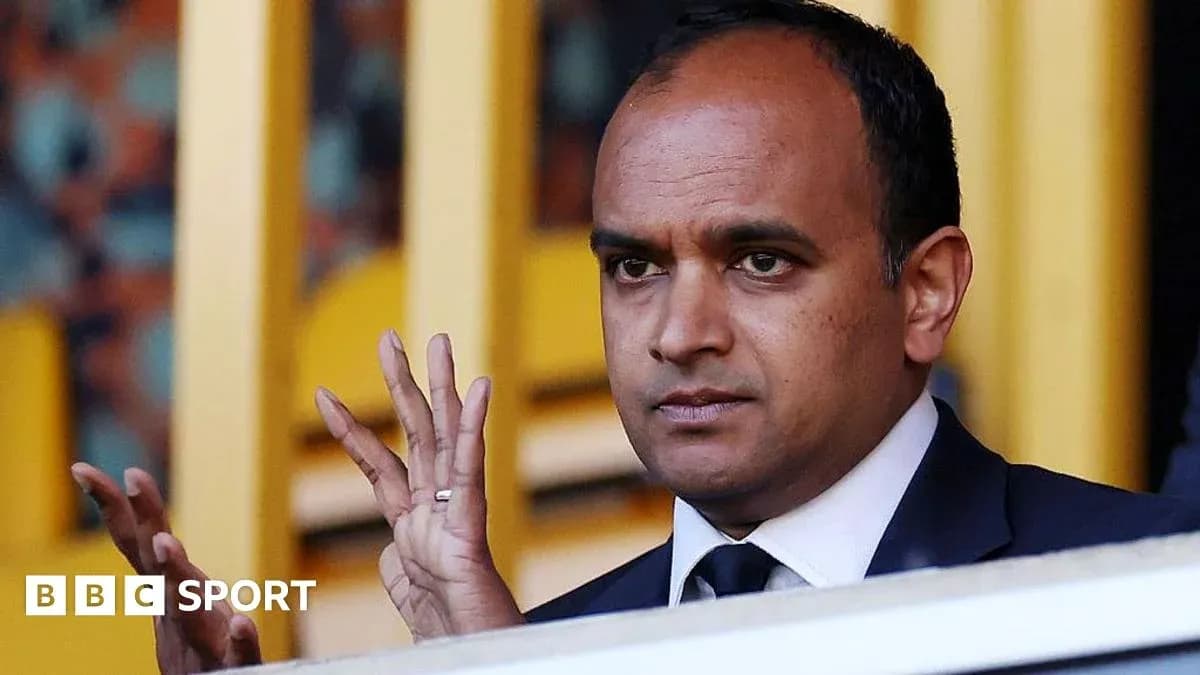
Tottenham's Brutal Reset: From European Ambitions to Survival
Vinai Venkatesham walked into Tottenham Hotspur last June talking about Europe. He ended his first season clinging to the Premier League cliff edge, celebrating survival like a man who had just stepped back from traffic.
Relief, not glory. That was the soundtrack to his first year in charge.
“It was just a huge outpouring of relief,” he admitted after the final‑day win over Everton that kept Spurs up. Then came the sting: “Feeling relief at the end of the season is nowhere near the standard of the football club.”
The reset he thought might be cosmetic has turned into something far more brutal.
From European ambitions to a full-blown reset
On day one, Venkatesham’s target for the men’s first team sounded reasonable enough: compete for European places. Tottenham had just finished 17th under Ange Postecoglou, but they were Europa League winners and finally had a trophy in the cabinet for the first time since 2008. The squad was loaded with internationals. On paper, this was a club that had underachieved, not one teetering on the brink.
Then reality hit.
“A few months after I joined, when I was no longer an outsider, I would have told you the club was in a significantly worse state in some places than I thought,” he said. The word he kept coming back to was not “turnaround”. It was “reset”.
Off the pitch, Tottenham still look like a powerhouse. Stadium operations. Commercial muscle. Infrastructure. All strong.
On the football side, though, the Premier League had raced ahead.
Over roughly five years, the bar across the division has risen sharply. Sports science. Recruitment. Tactical detail. Data. Coaching depth. Tottenham had moved, but not fast enough, and not far enough.
“There was a significant gap,” Venkatesham said. “In some areas really quite worryingly so. I don’t think that there was what I would call a relentless obsession with football success.”
He pointed to the training centre as the perfect symbol. Gleaming. Immaculate. “Amazing, one of the best, if not the best in the world,” he said. But it “looks more like a five-star hotel than it does a performance environment”. That, he promised, will change this summer.
Behind the glass and steel, he found a club short of the right expertise in key football departments. The result has been laid bare over back-to-back 17th‑place finishes.
Thomas Frank, hesitation and a costly gamble
The story of Tottenham’s season is also the story of their dugout.
Thomas Frank’s reign began with a hint of optimism. One defeat in the first 10 matches in all competitions suggested a corner might be turning. It didn’t last. Performances sagged, results followed, and by February the only surprise about his sacking was that it had taken so long.
Venkatesham and sporting director Johan Lange were hammered by fans for waiting. The accusation was simple: the club had been passive while the season burned.
“Absolutely not true,” Venkatesham insisted.
He detailed the calculations: results, the probability Frank could turn things around, the potential disruption of a managerial change during the January window, the fixture calendar, and the limited options in the interim market. This wasn’t dithering, he argued. It was risk management.
Behind the scenes, Tottenham had already tried to jump straight to their preferred solution. Roberto de Zerbi, leaving Marseille, was approached about taking the job on a permanent basis after Frank’s dismissal. The Italian, though, did not want to walk into the chaos mid-season.
That refusal sent Spurs into the stopgap market. They turned to Igor Tudor.
The Tudor misstep
Tudor’s appointment was a gamble that failed fast. Seven games later, he was gone by mutual consent, another short chapter in a turbulent season.
Venkatesham is clear about why they chose him. Tudor had worked in “very high-profile and high-pressure environments”. They did not want someone who might wilt under the weight of a relegation fight. He had a reputation for making an immediate impact. He had managed big clubs. His personality contrasted sharply with Frank’s, and the hierarchy felt the dressing room needed a different voice.
But there was a glaring red flag: no Premier League experience.
“Was it a risk in appointing him? Absolutely,” Venkatesham said. Asked directly if it was a mistake, he did not dance around it. “It didn’t work out. I think it’s very clear it didn’t work out. And I don’t think that is in question.”
For a fanbase already on edge, it was another decision that shredded trust.
Abuse, anger and a fanbase out of patience
For years, Daniel Levy absorbed most of the supporters’ fury. When the long‑serving executive chairman left in September after 25 years, that focus shifted. Venkatesham, with his Arsenal past and his new power, quickly became a lightning rod.
Two consecutive 17th‑place finishes will do that to any executive.
“I understand the frustration,” he said. “It’s clearly not good enough.” He called the anger “rational, normal, sensible” and exactly what a club like Tottenham should expect when standards drop so far.
The deeper issue, he argued, is that the football problems have been building “over many years”. There is no magic wand. No overnight fix. “It takes some time to fix those issues,” he said. “So I have complete confidence in what we’re doing, how we’re doing it. But supporters are rightly impatient. So I have to weather that storm.”
Weathering it has meant living with personal abuse that, in his view, goes way beyond criticism.
“It’s not easy. You have to develop a thick skin,” he said. Fifteen years in football, including his time at Arsenal, have hardened him to the noise. He accepts that opinions and criticism are part of the job for players, referees and executives. The problem comes when it spills over the line, as he believes it frequently does now.
Still, he is staying where he is. Staying in the firing line. Betting that the decisions taken now will look different in a year’s time.
De Zerbi’s jolt of life
If there has been one clear positive, it is the arrival of De Zerbi.
He did not come in February on the club’s original terms, but when he finally walked through the door, he walked into a storm: a fractured squad, a fanbase on edge, and the very real threat of relegation.
He steadied it.
Eleven points from seven games were enough to keep Tottenham in the Premier League. That alone would have bought him goodwill. Inside the club, though, they talk about something deeper – a shift in belief, in standards, in the dressing room’s energy.
“I think he has made an extraordinary impact so far,” Venkatesham said. The challenge, he stressed, was huge. “It is hard to underestimate the scale of the challenge he walked into. And it’s hard to describe what a significant impact he has had in the dressing room with all the players.”
Tottenham believe they now have a coach whose football not only fits the squad but also matches what their supporters – and the wider football public – want to watch.
De Zerbi will not just coach the players. He will help choose them.
Recruitment, wages and a critical summer
This summer’s rebuild will be shaped heavily by De Zerbi’s eye. Tottenham have already spoken to former Borussia Dortmund sporting director Sebastian Kehl as they look to sharpen their recruitment structure. The club has also raised its wage ceiling in an attempt to attract the kind of players they have too often watched go elsewhere.
“The squad needs work and the squad hasn’t got the right balance,” Venkatesham said. Tottenham want experience. Leadership. Physical robustness to cope with the most demanding league in the world.
This will not be a one‑window fix. He knows that. “We need to strengthen the club over multiple transfer windows,” he said. “But this transfer window, in particular, is going to be critical.”
The reset he talked about in theory is now here in practice. Survival has bought time, not comfort. What happens next – in this window, with this coach, under this chief executive – will decide whether Tottenham finally start climbing again, or spend another year staring down.
Related News

Raphinha’s Hat-Trick Powers Barcelona to 7-2 Victory Over Racing Santander
Carabao Cup Fourth Round Draw: Liverpool Set to Clash with Chelsea, Arsenal to Face Fleetwood Town
Key Football Matches to Watch in Azerbaijan This Autumn
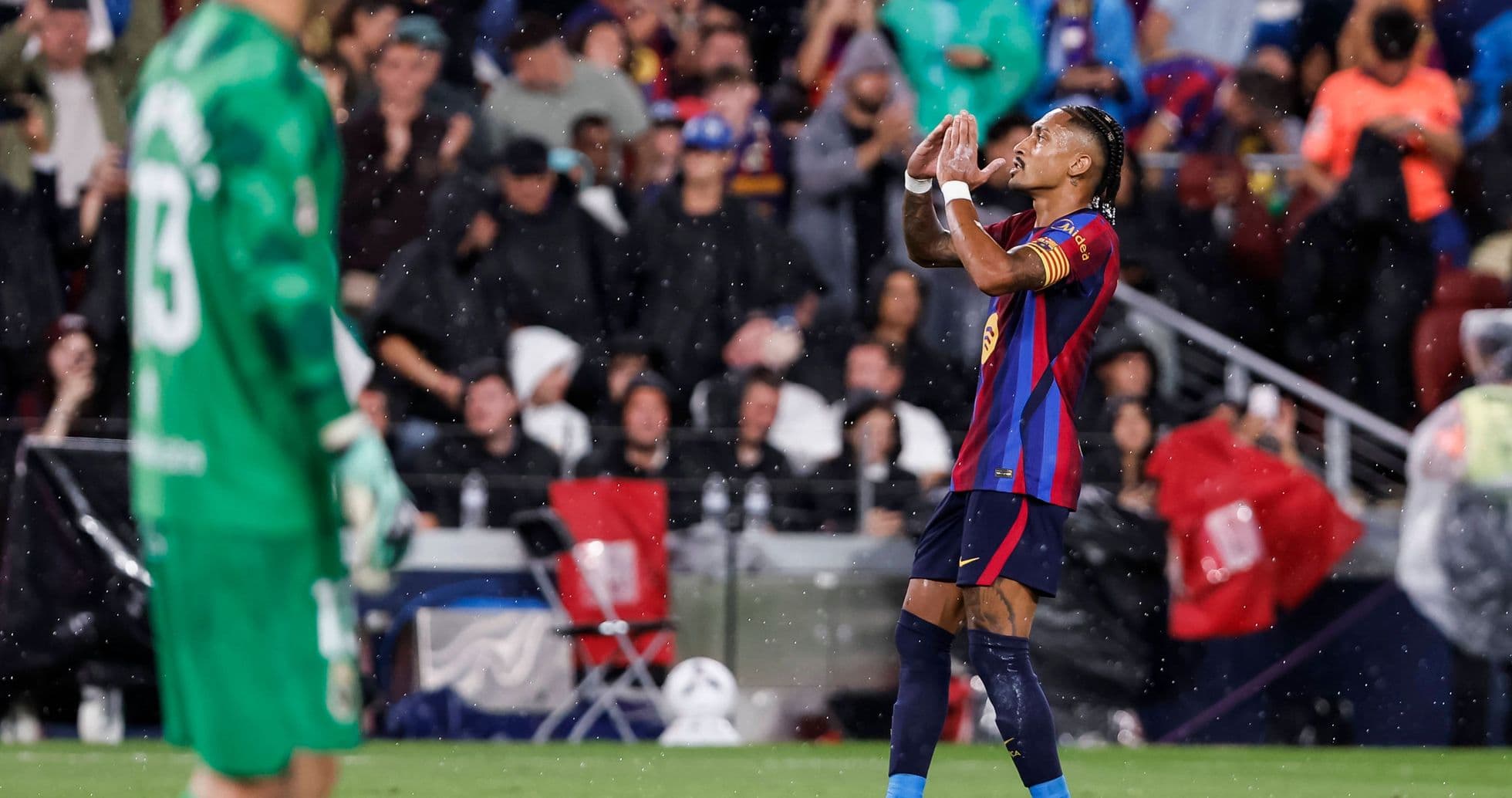
Raphinha's Hat-Trick Drives Barcelona to 7-2 Triumph Over Racing Santander
Hansi Flick Leads Barcelona to Record-Breaking Seven Wins in a Row
Gavi Reflects on Injury Return as Barcelona Dominate Racing Santander 7-2