
Tottenham's Injury Crisis: Investigating the Retractable Pitch
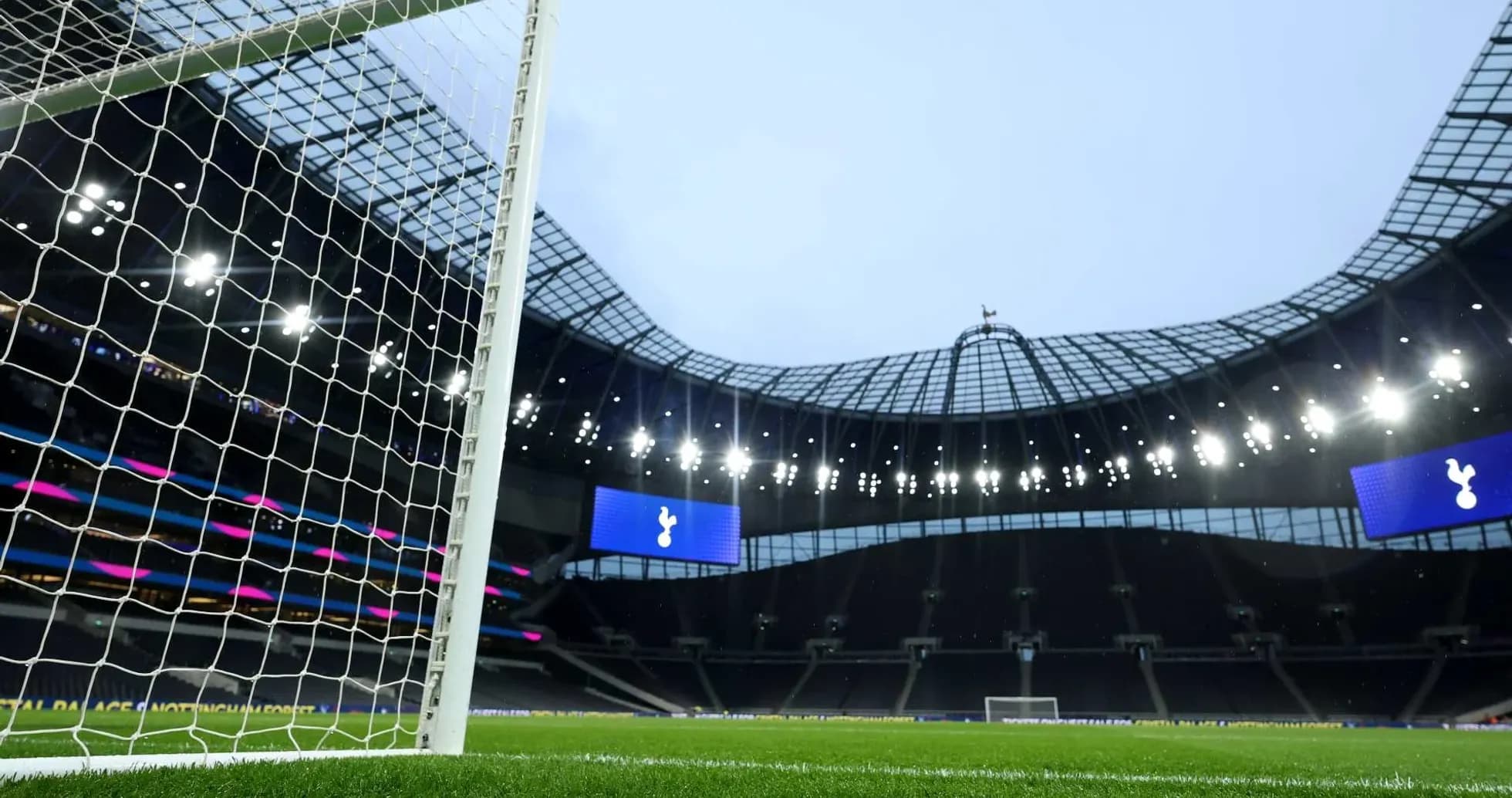
The Tottenham Hotspur Stadium was built to be a showpiece of modern engineering, a dual-surface arena where a pristine grass pitch glides away to reveal synthetic turf for NFL games and concerts. It is a marvel, a selling point, a revenue machine.
Now it is also a suspect.
New performance director Dan Lewindon is leading an internal investigation into whether that sliding, retractable surface is playing a part in a surge of serious leg and ligament injuries at Spurs. Independent tests have already been run on bounce, surface tension and other metrics. The data, though, has not delivered a clear verdict, forcing the club to widen the analysis and benchmark the pitch against others across the Premier League.
The concern is rooted in what has happened in N17, not elsewhere. Big players. Big injuries. All at home.
Dejan Kulusevski, Radu Dragusin and Wilson Odobert have each suffered major setbacks on that grass. James Maddison partially tore his ACL in a home clash against Bodo/Glimt before later rupturing it completely. One incident can be written off as misfortune. A cluster of them, in the same place, on the same surface, is harder to ignore.
Spurs are not alone in asking awkward questions of their own stadium. Real Madrid, too, are under the microscope after a run of ACL injuries coinciding with the installation of a retractable pitch at the revamped Santiago Bernabeu. The technology that promised flexibility and spectacle is now being examined for unintended consequences.
A Department Under the Microscope
Lewindon’s work has not stopped at the turf. His first three months in the job have doubled as an audit of the entire performance operation, and the findings go well beyond grass and rubber.
The review has flagged what senior figures see as structural flaws: poor integration between medical and coaching staff, fragmented communication, and a lack of shared decision-making. The result, in the eyes of the hierarchy, has been a damaging cycle of repeat injuries and players breaking down again just when they were expected to be ready.
Spurs’ response is to go smaller, not bigger. The club plans to move towards a “small-team approach”, assigning specific physios to tight clusters of around six players. The idea is simple: fewer bodies per specialist, more tailored programmes, better understanding of each player’s physical history and load. Less box-ticking, more bespoke care.
It is a model used successfully in other elite environments, and Tottenham hope it will sharpen both preparation and recovery at a time when the squad has been stretched to breaking point.
Four Coaches, One Year, No Continuity
The pitch and the physio room are only part of the story. The dugout has been a revolving door.
In a single, chaotic year, four head coaches have led the team: Ange Postecoglou, Thomas Frank, Igor Tudor and Roberto De Zerbi. Each arrived with his own philosophy, his own training demands, his own idea of what “intensity” should look like.
Players have been yanked from one regime to another, asked to adapt not just tactically but physically, sometimes in the space of a few weeks. High pressing under one coach, more controlled phases under another, then back to high-octane work again. Different drills, different loads, different thresholds.
Inside the club, there is a growing belief that this lack of continuity has raised the physical risk. Bodies conditioned for one style have been thrust into another, often without the gradual build-up that sports science departments prefer. The result has been a squad constantly on the edge, and too often over it.
The Xavi Simons Flashpoint
Nothing has inflamed the debate around Tottenham’s medical set-up quite like the handling of Xavi Simons’ season-ending injury at Wolves.
During a win at Molineux, Simons went down, was treated with ice spray and allowed to return to the pitch. Moments later, he left on a stretcher with a ruptured ACL. The optics were brutal. The reaction from supporters was even harsher.
Inside the club, though, the stance is firm. Spurs insist the medical staff acted correctly, and Lewindon is understood to be very satisfied with their work that day. Simons wanted to continue, and with a full ACL assessment difficult to carry out at pitchside, the decision was made to give him the chance to try. The club maintains that his brief return did not cause further damage.
That incident did not stand alone. It formed part of a grim opening stretch under De Zerbi, during which Cristian Romero and Destiny Udogie also suffered serious injuries within the Italian’s first three matches. For a new coach trying to impose his ideas, losing key players at that speed turned adaptation into survival.
De Zerbi, never shy about demanding standards, is now pushing for a stronger support structure around the squad. Among his requests: the appointment of a team psychologist to tighten communication between performance and medical departments and to help players navigate the mental strain of repeated setbacks.
Maddison’s Verdict: More Than Just Bad Luck
From the dressing room, the view is blunt. James Maddison has been one of the most vocal figures calling for a thorough examination of how and why this has happened.
“Our situation with the injuries has been worse than any other club,” he said recently. “People try and say, ‘Oh, but we’ve got this and that’. But ours is astronomical, and we need to look at why that is.”
He does not buy into every theory swirling around the fanbase. Some incidents, he insists, are just football.
“Sometimes it can just be unlucky, sometimes it can be a coincidence, like me doing my ACL or [Dejan] Kulusevski getting a horrendous knock off [Marc] Guehi. That’s not the medical team, that’s not the pitch or all the theories that you see, sometimes that’s rubbish.”
Yet Maddison is in no doubt about the impact. The volume of absences, in his eyes, dragged Spurs into a relegation fight that should never have involved them.
“We’ve been a bit unlucky,” he added. “But like I said, the big names that we’ve missed, it does affect you and you can’t just deny that. Myself, Kulusevski and [Mohammed] Kudus, and [Rodrigo] Bentancur missed three months and whatnot. If you had had them for the whole season, we wouldn’t have been in this situation, I strongly believe. That’s just not me being naive, that’s just a fact. But it is the situation we find ourselves in, and I am just proud of the lads to dig deep today.”
It is a player’s perspective, raw and unvarnished: acknowledge the randomness of some blows, but refuse to pretend that losing your core for months on end is anything other than devastating.
A High-Tech Stadium, a Basic Question
Tottenham built a stadium to host the world. NFL Sundays. Concert nights. European ties under the lights. The retractable pitch was supposed to symbolise the club’s ambition and innovation.
Now, with the season scarred by ACL tears and long-term layoffs, the same piece of technology sits under forensic scrutiny. The pitch is being tested. The departments around it are being reshaped. The coaching churn may finally slow.
For Spurs, this is no abstract academic exercise. The answer to one simple question will shape what comes next: is this just a freak storm of injuries, or the symptom of a deeper, fixable flaw in the way the club asks its players to perform?
Related News
Raphinha’s Hat-Trick Powers Barcelona to 7-2 Victory Over Racing Santander
Carabao Cup Fourth Round Draw: Liverpool Set to Clash with Chelsea, Arsenal to Face Fleetwood Town
Key Football Matches to Watch in Azerbaijan This Autumn
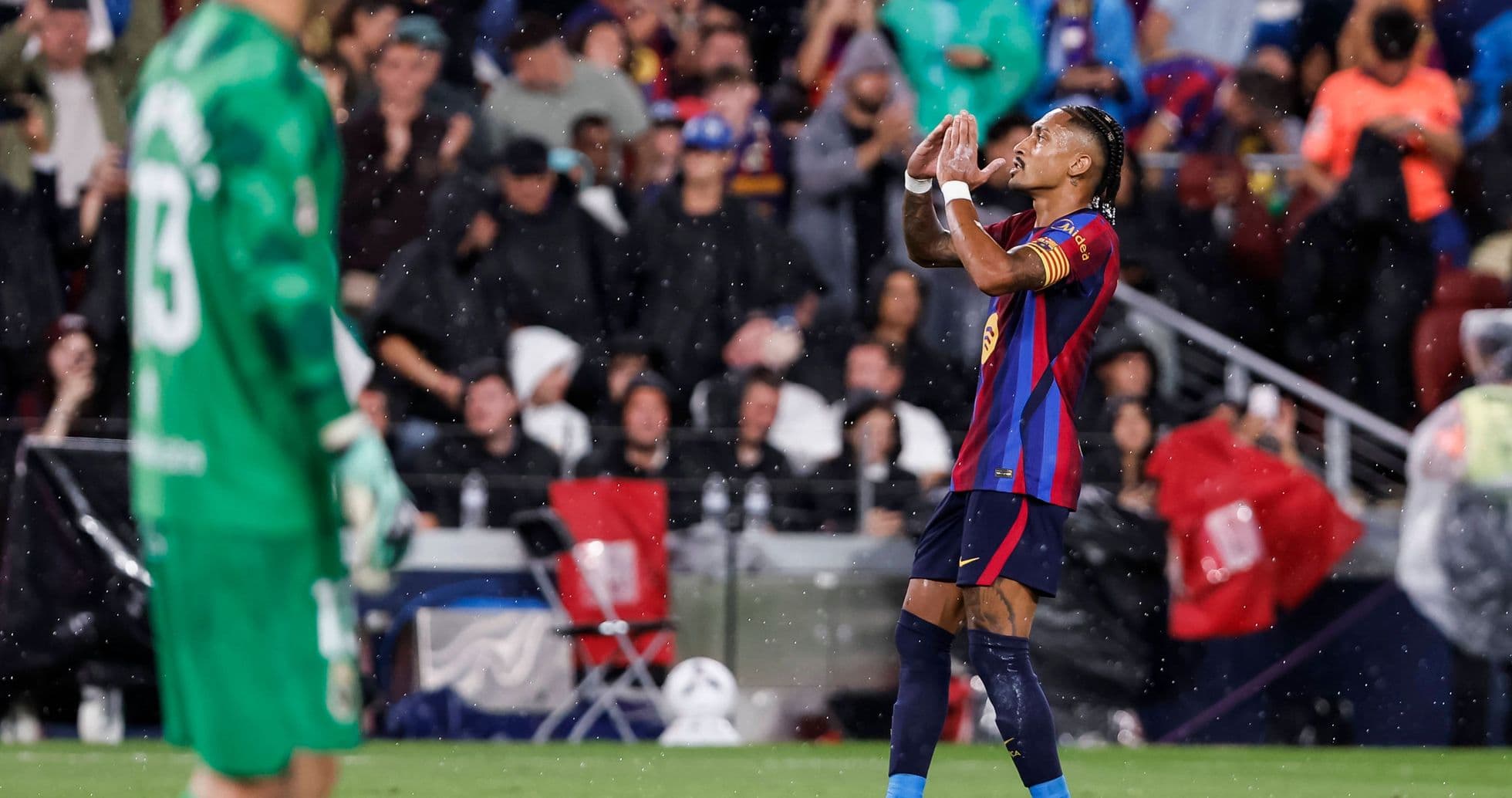
Raphinha's Hat-Trick Drives Barcelona to 7-2 Triumph Over Racing Santander
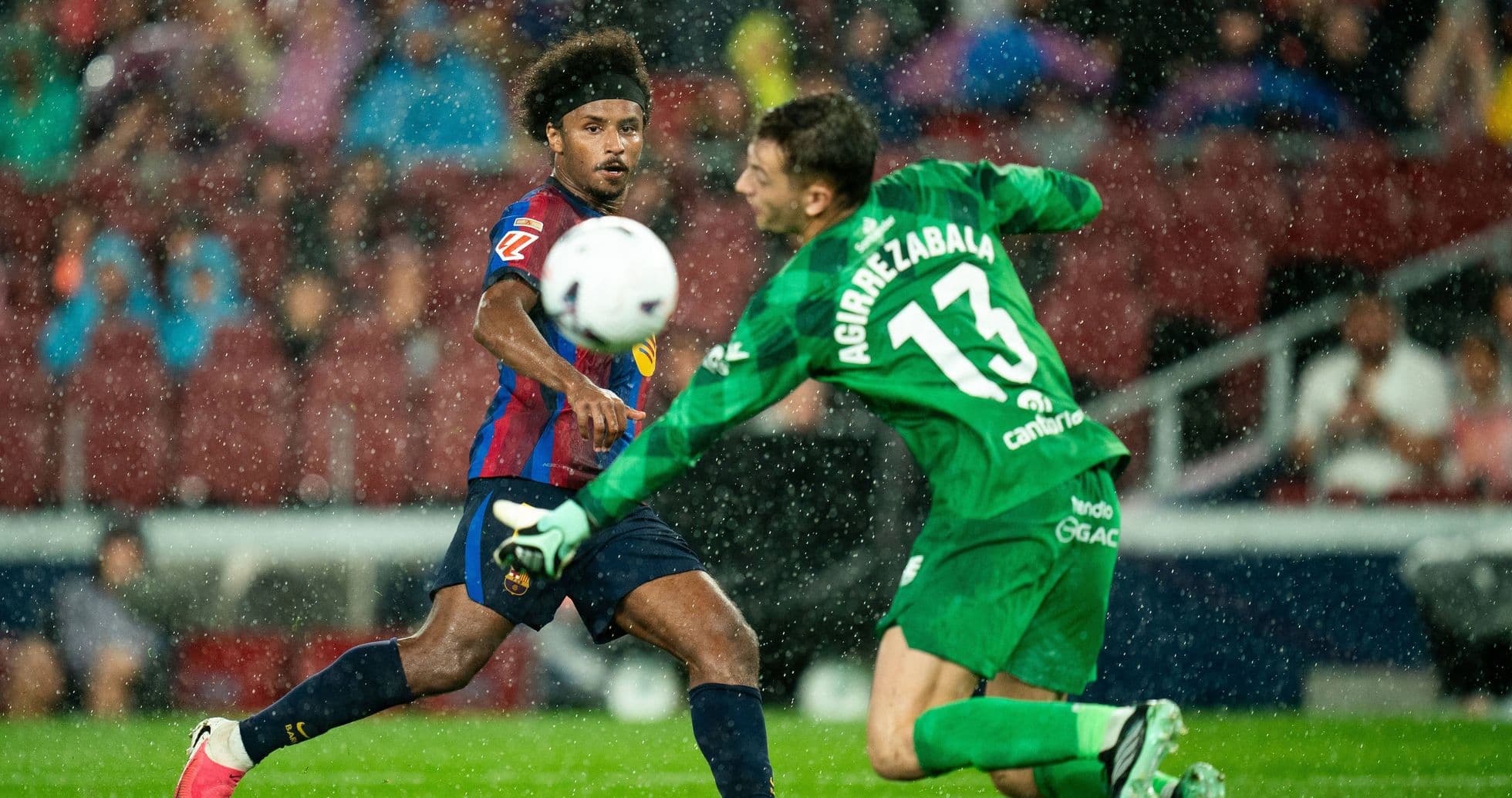
Hansi Flick Leads Barcelona to Record-Breaking Seven Wins in a Row
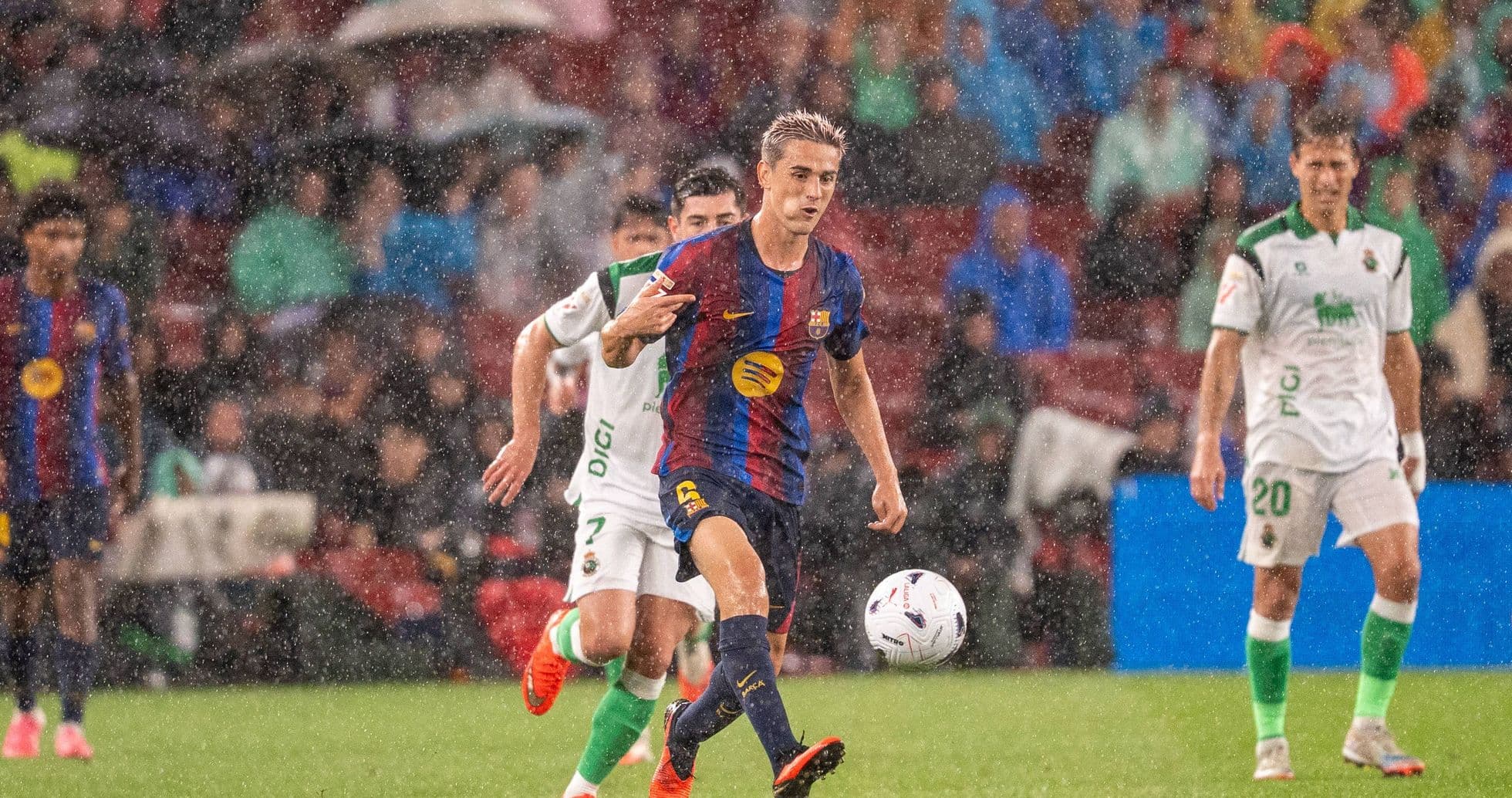
Gavi Reflects on Injury Return as Barcelona Dominate Racing Santander 7-2