
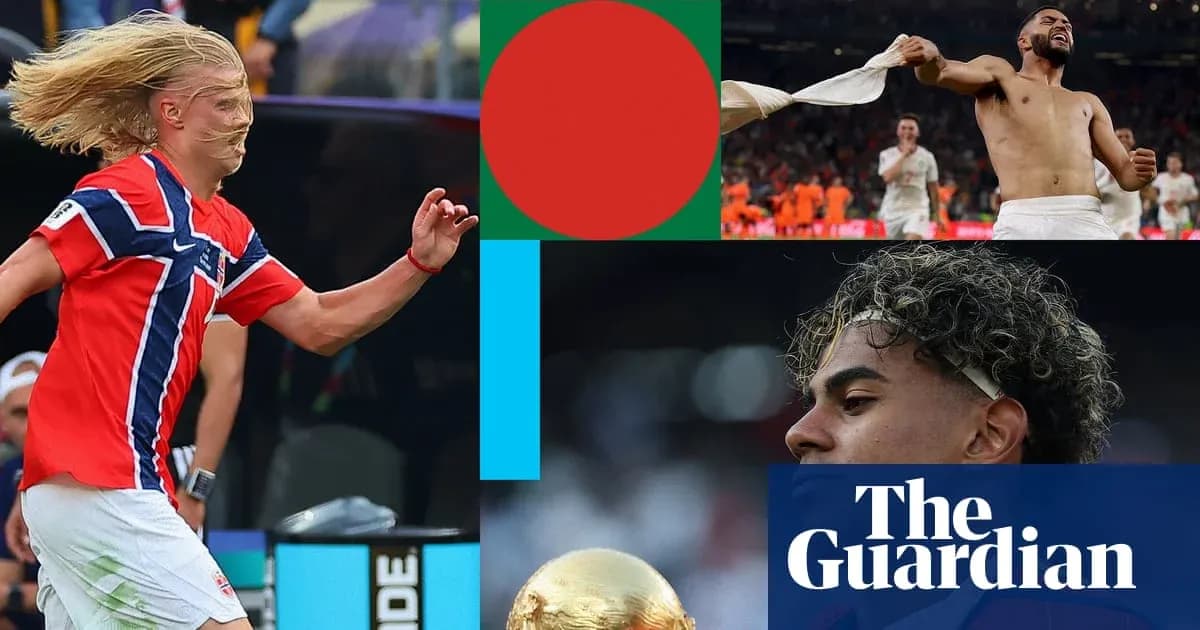
Top 10 Football Teams to Watch for 2030 World Cup
The 2026 World Cup closed an era with a single, brutal sweep. Lionel Messi, Cristiano Ronaldo, Luka Modric, Neymar, James Rodríguez, Guillermo Ochoa – six icons, six exits, one shared realization: time finally caught up.
By 2030, anyone 32 or older will be fighting the clock as much as the opposition. The nations best placed for the next tournament are those whose stars are still in their 20s, whose cores don’t need replacing, whose systems can grow rather than be rebuilt. These are the 10 sides with the strongest foundations to be quarter-final regulars in four years’ time.
Ages listed are as of 1 June 2030.
1) Spain – Champions with room to get better
Spain will walk into their home World Cup as defending champions and, on current evidence, the team to beat. Luis de la Fuente has built a side that knows exactly what it is, and just as importantly, what it isn’t. The buy-in from his squad in 2026 turned a talented group into a ruthless machine.
The spine can almost roll over intact. Unai Simón (32), Joan García (29) and David Raya (34) could easily reprise their roles as the goalkeeping trio. In front of them, Marc Pubill (26), Eric García (29), Pedro Porro (30) and Pau Cubarsí (23) offer continuity and calm in defense.
Midfield remains terrifying. Dani Olmo (32), Gavi (25) and Pedri (27) should all be back, with Rodri (33) still an outstanding candidate to sit at the base and dictate everything. Out wide, Nico Williams (27) and Lamine Yamal (22) will hope for a cleaner bill of health after their injury-hit run, but their impact in the latter stages of 2026 underlined just how central they are. Ferran Torres (30) may again be the weapon waiting on the bench.
And that’s before you get to the next wave. Dean Huijsen (25) and Cristhian Mosquera (25) are natural successors if Aymeric Laporte (36) steps aside. Fermin López (27), Pablo Barrios (26), Javier Guerra (27), Marc Bernal (23) and Jesús Rodríguez (24) have all had a taste of life under de la Fuente.
The missing piece? A killer No 9. If Samu Aghehowa (26) or Gonzalo García (26) can emerge as a reliable striker, Spain’s possession carousel suddenly comes with an even sharper edge. For the rest of the world, that’s a chilling prospect.
2) France – Zidane steps into the storm
France don’t lack talent; they lack closure. Another deep run, another painful exit, this time a semi-final collapse against Spain that exposed structural flaws more than individual ones. Into that tension walks Zinedine Zidane, replacing Didier Deschamps after diminishing returns across three World Cups.
Mike Maignan (34) should still be one of the world’s most assured goalkeepers, protected by a trio of heavyweights: Dayot Upamecano (31), Ibrahima Konaté (31) and William Saliba (29). The midfield options remain enviable. Manu Koné (29) and Aurélien Tchouaméni (30) are already established, while Eduardo Camavinga (27) and Khéphren Thuram (29) will be desperate to turn previous squad snubs into fuel.
Up front, Kylian Mbappé (31) will chase more records, not just minutes. Around him, Michael Olise (28) and Désiré Doué (24) bring guile and unpredictability.
The question is not about quality. It’s whether Zidane can give this group the tactical framework they lacked against Spain. His Real Madrid sides thrived on man-management and big-game temperament more than intricate systems. International football may demand both.
3) England – A golden core, one giant caveat
England walked away from 2026 with mixed emotions. They showed character to outlast Mexico in a thriller and to turn around a semi-final against Norway, only to freeze when 2-0 up on Argentina. That collapse will linger, yet the broader picture is brighter than the mood suggests.
At the back, Marc Guéhi (29) looked every inch a leading center-back, while Djed Spence (29) ended the tournament in electric form. In midfield, the combinations are almost endless: Declan Rice (31), Elliot Anderson (27), Jude Bellingham (26) and Kobbie Mainoo (25) can be mixed and matched to suit opponents.
Out wide, Bukayo Saka (28) and Anthony Gordon (29) justified their selections with hard running and end product. The pool beneath them is deep. Lewis Hall (25), Cole Palmer (28), Adam Wharton (26), Alex Scott (26), Phil Foden (30), Rio Ngumoha (21) and Ayden Heaven (23) all missed Thomas Tuchel’s 2026 squad but will be banging on the door.
The asterisk sits up front. Harry Kane will be 36 in 2030. Can he still play 90 minutes at that level? England have yet to identify a clear heir to their record goalscorer. Goalkeeper is also an open contest. The rest of the pitch looks ready. The No 9 debate could define the next four years.
4) Morocco – Co-hosts with a cause
Morocco have stopped being a feel-good story and become a benchmark. Back-to-back quarter-finals, one of them stretching into a semi-final. An Afcon 2025 title in their pocket. A new coach who injected more attacking intent without ripping out the defensive steel. As co-hosts in 2030, they will not be gate-crashers. They will be contenders.
Achraf Hakimi (31), Chadi Riad (26), Anass Salah-Eddine (28) and Noussair Mazraoui (32) give the back line a familiar look. In midfield, Ayyoub Bouaddi (22) should return as an even more polished version of the breakout star from 2026, with Azzedine Ounahi (30) beside him.
Ismael Saibari (29) looked a near-certainty to score before injury cut his tournament short. Around him, Bilal El Khannouss (26), Gessime Yassine (24) and Brahim Díaz (30) all offer different ways to unpick a defense.
The pipeline is flowing. Morocco’s recent U-20 World Cup win, powered by forwards Othmane Maamma (24) and Yassir Zabiri (25) and goalkeeper Ibrahim Gomis (25), hints at real depth. If Yassine Bounou (39) can somehow maintain his extraordinary level in goal, no one will enjoy drawing them on home soil.
5) Argentina – Life after Messi
Argentina’s run to the 2026 final underlined a truth everyone already knew: Lionel Messi was not just their best player; he was their system, their heartbeat, their shield. Every teammate ran to protect him, every attack bent around his genius. There is no replacing that.
But Argentina are not starting from zero. Julián Álvarez (30) has grown into a leading role and should again be backed by Lautaro Martínez (32), still one of the game’s deadliest finishers. In midfield, Enzo Fernández (33) owes his country a response after that red card, and he has the tools to provide it as the central anchor for the next cycle.
At the back, Nahuel Molina (32), Cristian Romero (32) and Lisandro Martínez (32) will be seasoned campaigners, hardened by multiple tournaments. Behind them, Emiliano Martínez (37) should still bring his mix of shot-stopping, gamesmanship and towering personality.
The next generation isn’t far off either. Argentina finished runners-up at the last U-20 World Cup, with midfielder Milton Delgado (24), left-back Julio Soler (25) and goalkeeper Santino Barbi (24) all catching the eye. The shirt will feel heavier without Messi, but the structure around it remains strong.
6) Portugal – A golden window, maybe gone
Portugal leave 2026 with a nagging regret. With a more mobile, natural center-forward, could they have gone further? Cristiano Ronaldo has already confirmed he will not stretch his career to a World Cup at 45, and the suspicion lingers that Roberto Martínez may have wasted this group’s best shot at a first world title.
Even so, the squad for 2030 looks formidable. Diogo Costa (30) stands among the elite in goal. In defense, Gonçalo Inácio (28) and Nuno Mendes (27) give them a solid base on the left side. António Silva (26) will hope to reboot a stalling career, seemingly via Bournemouth, and still has the ceiling to be a long-term pillar.
In midfield, João Neves (25) and Vitinha (30) would walk into most national teams. Their blend of energy and control gives Portugal a platform against anyone. Up front, Gonçalo Ramos (28), João Félix (30) and Francisco Conceição (27) will all expect to be back in the mix.
The issue lies with the age curve. Bruno Fernandes (35), Bernardo Silva (35) and Rúben Dias (33) will all be edging towards the twilight of their prime years. Portugal will arrive in 2030 with experience, talent and scars. Whether that’s the recipe for redemption or a reminder of what slipped away remains to be seen.
7) Norway – Haaland’s window stays open
Norway’s 2026 campaign changed how the world speaks about them. No longer the plucky outsiders with one superstar, they became a fully fledged tournament team, riding a buoyant culture and a tight-knit dressing room all the way to a deserved quarter-final.
At the center of it all, unsurprisingly, stood Erling Haaland (29). He looked like a man genuinely enjoying himself on the biggest stage, bullying defenses and feeding off the occasion. There’s little reason to think that will change by 2030.
Around him, the support cast is maturing nicely. Andreas Schjelderup (26), Antonio Nusa (25) and Oscar Bobb (26) are all credible threats in the final third, capable of stretching the pitch and freeing up Haaland’s space. Behind them, Martin Ødegaard (31) will hope his body cooperates so he can once again pull the strings and set the tempo.
The rebuild will be heavier in defense and in goal, where turnover is inevitable. But as long as Haaland leads the line and Ødegaard can find him, Norway will be more than a curiosity. They will be a problem.
8) Côte d’Ivoire – The Elephants are charging
Côte d’Ivoire emerged from a tricky Group E in 2026 with real credit, beating Ecuador and Curaçao before bowing out to Norway in the last 32. With part of the 2030 tournament returning to African soil, the timing feels right for another surge – especially if Emerse Faé remains at the helm.
Yahia Fofana (29) provides stability in goal, aided by a defensive trio that defends as a unit: Ousmane Diomande (26), Odilon Kossounou (29) and Wilfried Singo (29). Their back line doesn’t just rely on one star; it functions collectively.
Up front, the options are almost decadent. Amad Diallo (27), Oumar Diakité (26), Elye Wahi (27), Yan Diomandé (23), Simon Adingra (28) and Ange-Yoan Bonny (26) give Faé a set of “good problems” every coach craves. Different profiles, different strengths, all dangerous.
Midfield is the one area with a question mark. If Franck Kessié (33) can no longer anchor the center at the same level, someone will have to step into a big role. On paper, though, this is a team riding the momentum of a first World Cup knockout win and an Afcon 2023 title. The rest of the world should pay attention.
9) Germany – Klopp versus the clock
Germany’s recent World Cup history has been a long hangover from 2014. Three disappointing tournaments, each one chipping away at the aura that once surrounded Die Mannschaft. Jürgen Klopp now gets four years to change that mood, build his culture and stamp a system that fits the modern game.
The obvious question: does he have the tools?
The injury to Lennart Karl (22) on the eve of the 2026 tournament was a major setback, robbing Germany of a Bayern playmaker who looks tailor-made for Klopp’s intensity. His return will feel like a new signing. Kai Havertz (30) remains the man for big moments, popping up with goals when they matter most.
Florian Wirtz (27) and Jamal Musiala (27) will hope to arrive in 2030 in better form and better health, ready to finally dominate a major tournament rather than merely decorate it. On the flanks, Nathaniel Brown (26) looks like an ideal wing-back for the next cycle, with the engine and aggression Klopp loves.
Joshua Kimmich (35) has already brushed aside talk of retirement before Klopp’s arrival, and that’s significant. With heavy turnover expected in the defensive half after 2026, Germany will need his experience and edge. The rebuild will be steep, but if any coach relishes that kind of climb, it’s Klopp.
10) United States – A bruised but rising force
The United States arrived in 2026 with optimism and left with a headache. The Balogun Affair stripped the gloss from what had been their most encouraging men’s World Cup showing, dragging off-field drama into a moment that should have signalled arrival. Mauricio Pochettino’s long-term status is uncertain, and that instability hangs over the next cycle.
Yet the core of the team told a different story. Their run to the last 16 showcased a cluster of players in the same age band, all stepping up together, all projecting as mainstays for years to come. The foundations are there: athleticism, tactical understanding, and a group that has now felt the weight and speed of a World Cup knockout match.
They still have to sort out the coaching situation, repair trust and settle on a clear identity. But the raw material is in place. By 2030, the question for the US will not be whether they belong at this level. It will be how far this generation is willing to push.
Related News
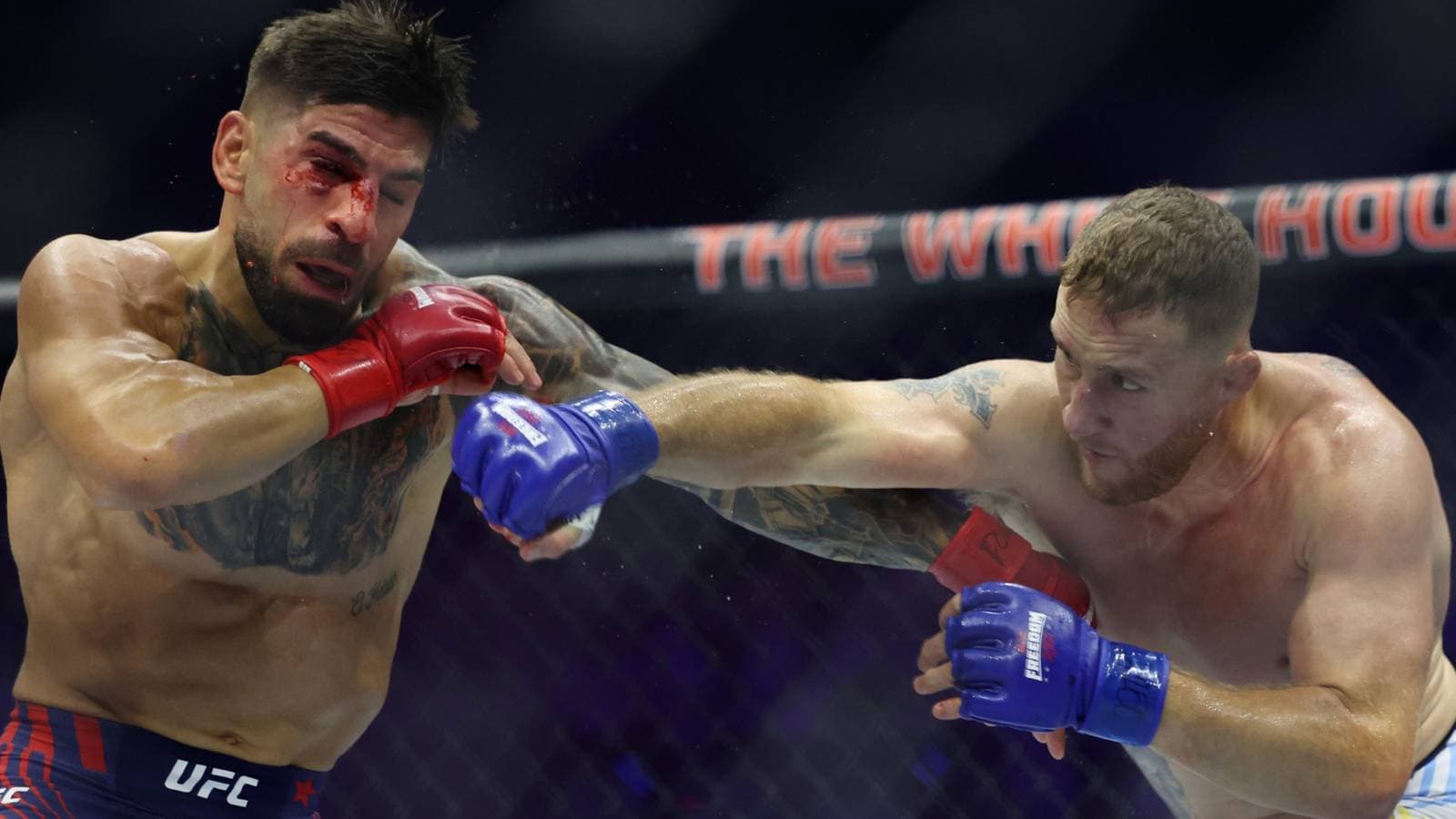
Ilia Topuria Accuses Justin Gaethje After UFC Defeat

Tyson Fury vs Anthony Joshua Fight Date and Venue Confirmed
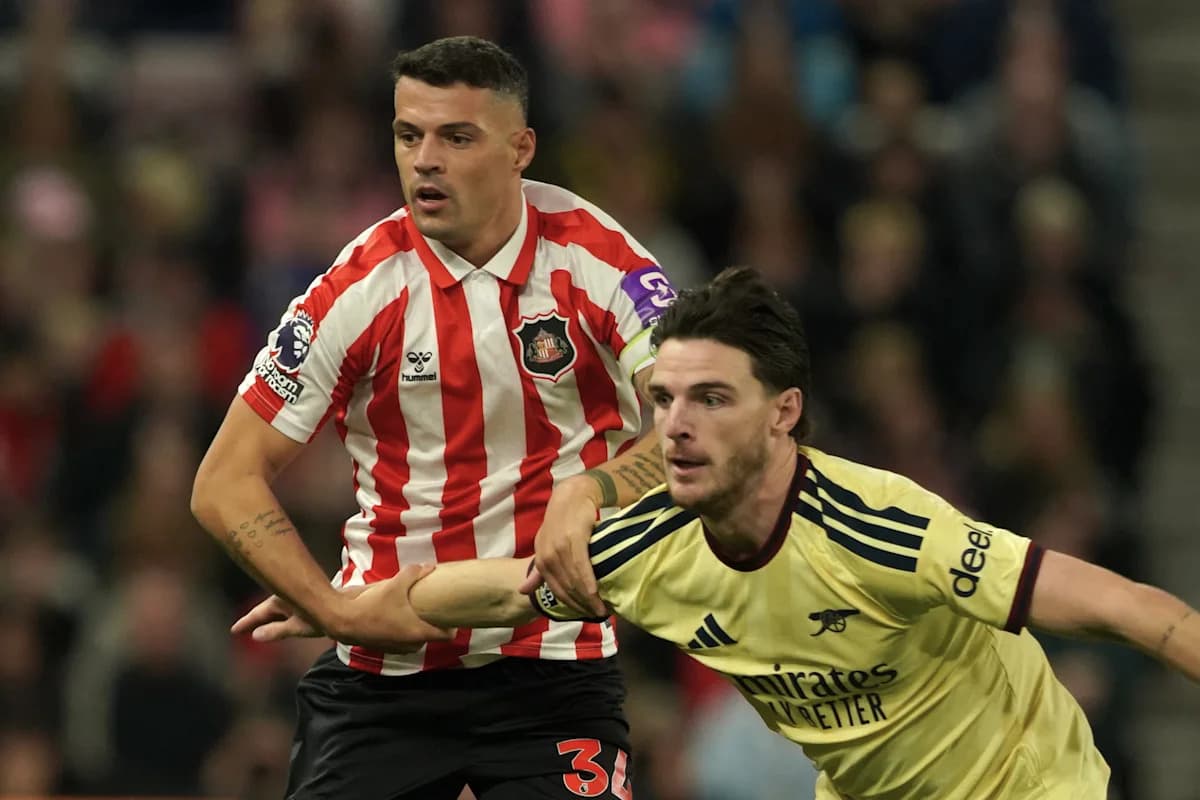
Switzerland Calls Up In-Form Sion Striker Winsley Boteli for Nations League
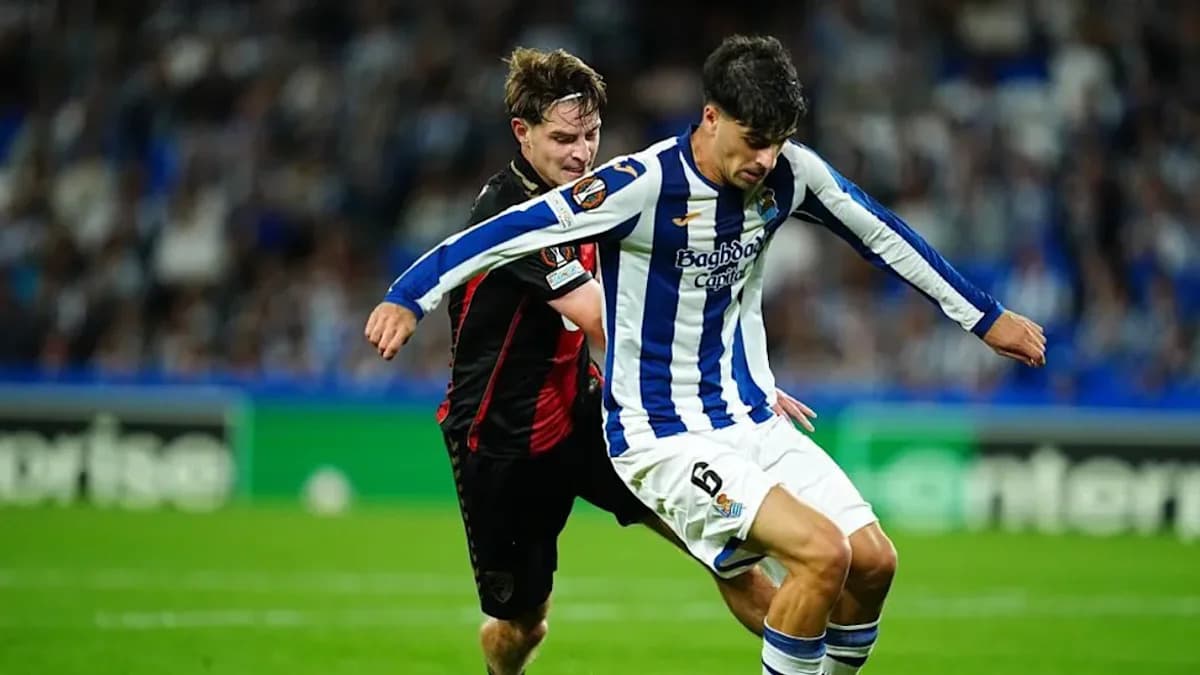
Bournemouth Secures Historic 2-1 Win Over Real Sociedad in Spain
Portugal Announces Squad for 2026 UEFA Nations League; Cristiano Ronaldo Expected to Play
Raphinha Channels Ronaldo Nazario as Barcelona's Leading Striker After Position Change