
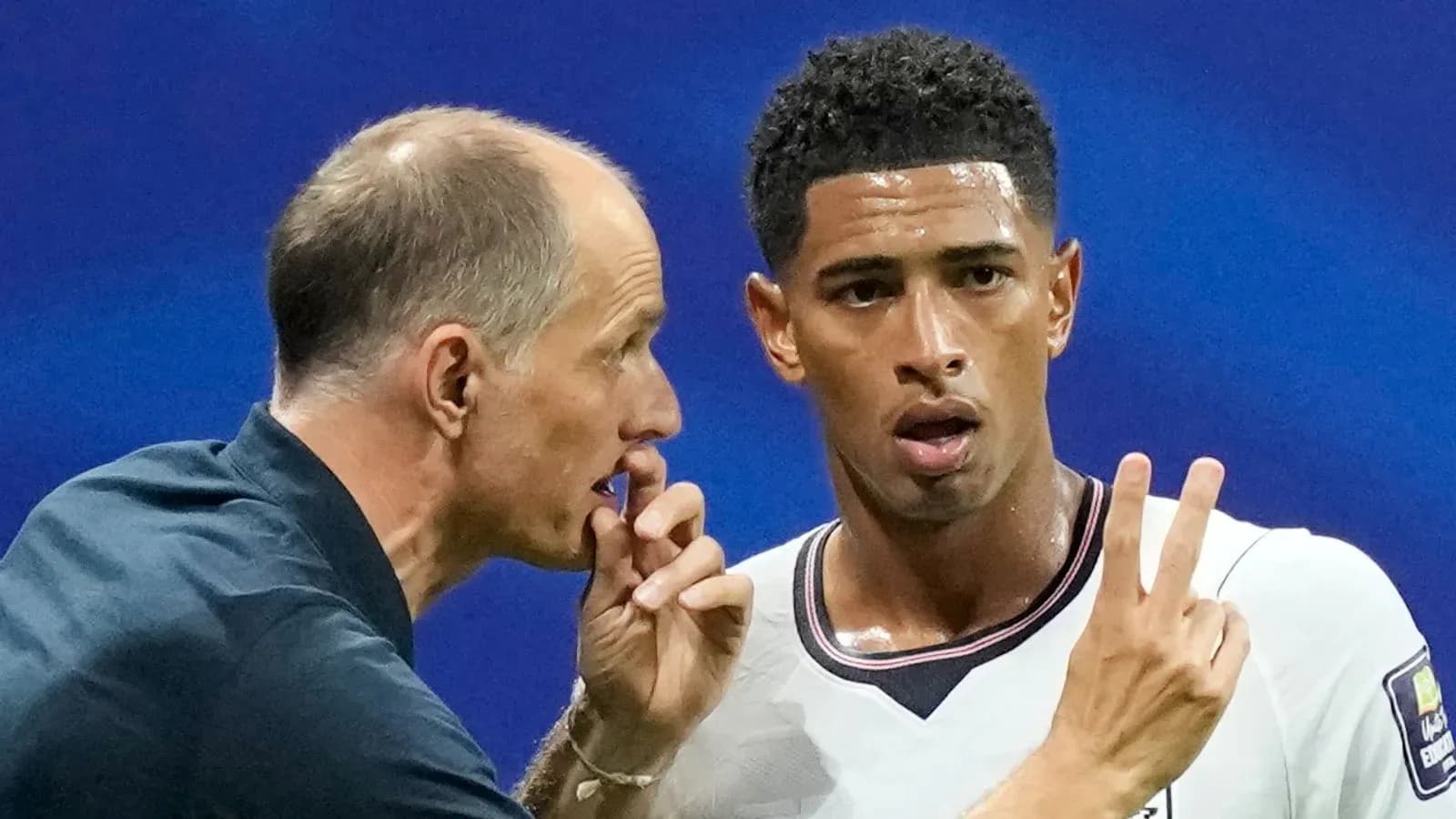
Thomas Tuchel's Gamble Falls Short in World Cup Semi-Final
Thomas Tuchel came to this World Cup as England’s gambler-in-chief. He picked a squad few others would have dared to assemble, rode out a backs-to-the-wall win over Mexico, and trusted a hunch to start Morgan Rogers. For an hour, it looked like instinct was about to carry England into a World Cup final.
Then one decision dragged them back into a familiar nightmare.
The script seemed perfect when it began. Rogers, the surprise starter, burst down the flank and whipped in the cross. Anthony Gordon arrived, met it, and scored. Tuchel’s latest roll of the dice paid out in full. The touchline roared, the bench exploded, and for a brief, giddy spell, England stood on the brink of history.
They have been here before. Too often.
England have now taken the lead in seven of the 13 knockout ties they have lost over the last three decades. They are the only team this century to lead a World Cup semi-final and still fail to reach the final – and they have managed that unwanted trick twice. The pattern is no longer a quirk. It is a trait.
This time, the turning point arrived in the 71st minute.
Gordon’s number went up. Ezri Konsa came on. England dropped into a back five against the reigning world champions and the greatest player of all time. It was a conservative call that felt cautious in real time and has only grown more baffling with every replay.
The warning signs were already there. In the 15 minutes after Gordon’s opener, England saw just 17 per cent of the ball and managed only nine touches in Argentina’s half. The freeze had begun. Yet Argentina, for all their pressure, had forced Jordan Pickford into only one serious moment of concern, a Nico Gonzalez header.
Tuchel blinked first.
By withdrawing Gordon, he removed England’s sharpest counter-attacking threat and their most direct route out of trouble. The switch to a back five did not steady the defence; it suffocated the attack. Rogers, pushed inside to operate behind Harry Kane alongside Jude Bellingham, all but vanished. Between the tactical reshuffle and Lautaro Martinez’s winner, he touched the ball once.
The numbers from those 21 minutes are brutal. England’s share of possession dropped to 7.2 per cent. They had eight touches in the opposition half. They did not deliver a single cross. A semi-final slipping away, almost in slow motion.
On paper, the 3-4-3 made sense to Tuchel. Djed Spence and Reece James as aggressive wing-backs, pinning Argentina back, offering width and an outlet. On grass, it never materialised. Between them, James and Spence touched the ball once in Argentina territory for the remainder of the match.
Instead of stretching the game, England shrank it. They retreated, handed Argentina the ball, and invited Lionel Messi to orchestrate wave after wave of attack. Konsa, brought on to help stem the tide, never once won possession back. He lost it five times.
Tuchel has built much of his reputation on in-game clarity – the willingness to accept when a plan is failing and the courage to tear it up. This time he stood still. As England sank deeper, he turned to Dan Burn and Nico O’Reilly, not to the attacking alternatives who might have changed the rhythm or offered a late punch.
It felt like a coach gripped by the same tension that was paralysing his players.
Perhaps the memory of Mexico clouded his judgement. England had survived with 10 men in the Azteca, clinging on as cross after cross rained into their box. That night, the defensive reshuffle looked like a masterstroke. But Mexico’s approach was obvious: width, deliveries, aerial bombardment.
Argentina were never going to play that game. This is a side built on the ball, on angles and combinations, on Messi dropping deep to dictate. Give them territory and possession, and they will eventually find a way. Messi did exactly that, turning creator for both goals and ripping up England’s fragile plan in the space of those fateful final minutes.
Tuchel was hired to push England beyond the glass ceiling of the Southgate era. Under Gareth Southgate, England largely beat the teams they were expected to beat and faltered when cast as underdogs. This was supposed to be different. Tuchel’s tactical edge, his in-game adjustments, his willingness to risk – these were meant to be the missing pieces.
There were glimpses of that vision earlier in the tournament. The rousing half-time talk against Croatia. The bold attacking switches. The perfectly timed defensive change in Mexico City. For a while, it felt as if England had finally found a coach who could bend a knockout game to his will.
Yet in the cold light of this defeat, the charge against Tuchel is stark. When it mattered most, he reverted to the very brand of defence-first football he had promised to leave behind. One throw of the dice too many, at exactly the wrong table.
Tuchel has already vowed to see out his two-year contract extension, with Euro 2028 looming on the horizon. His ideas, his authority, his capacity to build a team around this generation’s talent will all come under fierce scrutiny.
For now, though, the image lingers: Gordon trudging off, Konsa jogging on, England sinking back towards their own box as Messi strolls into possession. A single substitution that will echo around the national team for the next two years.
Related News
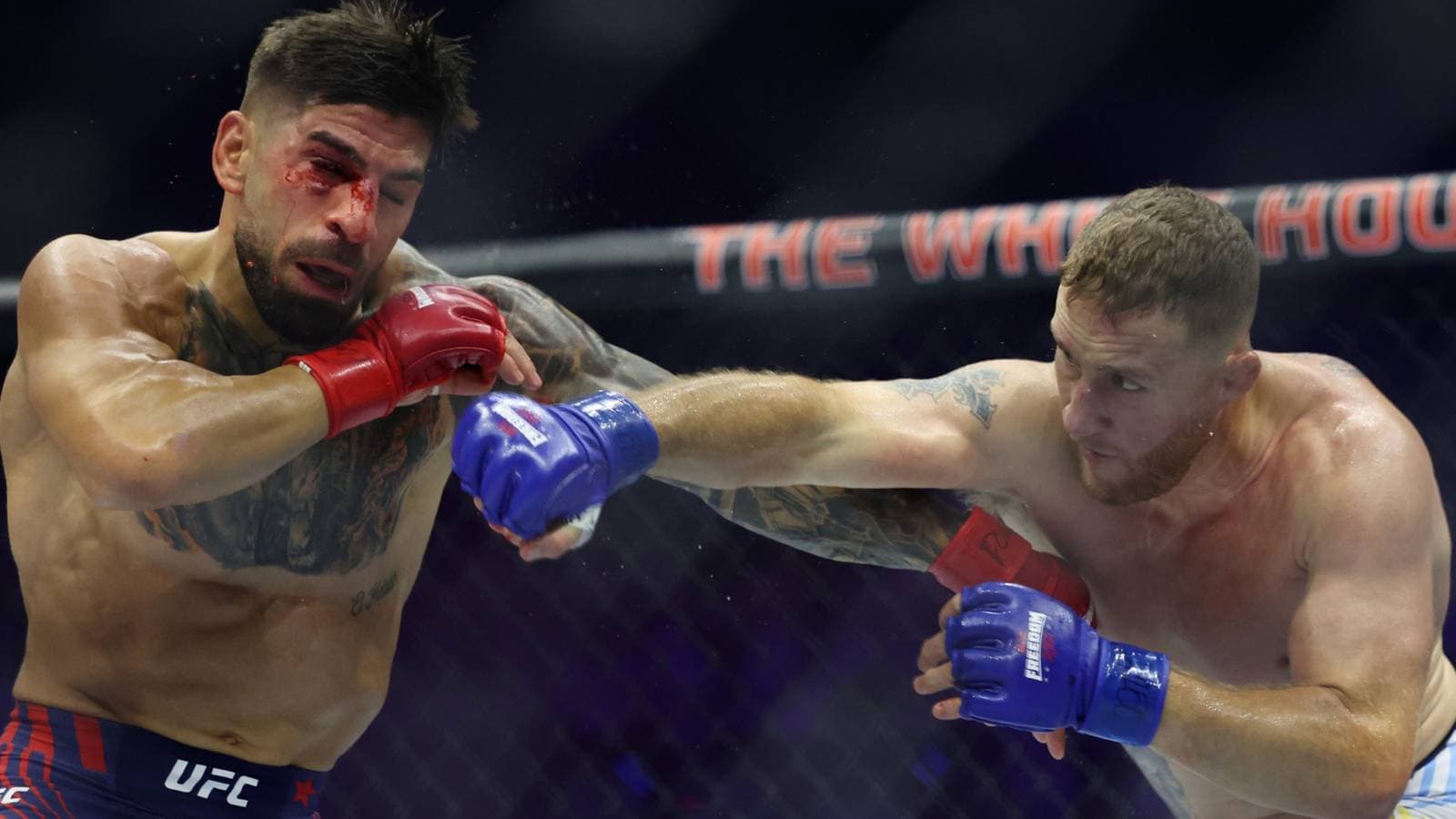
Ilia Topuria Accuses Justin Gaethje After UFC Defeat

Tyson Fury vs Anthony Joshua Fight Date and Venue Confirmed
Switzerland Calls Up In-Form Sion Striker Winsley Boteli for Nations League
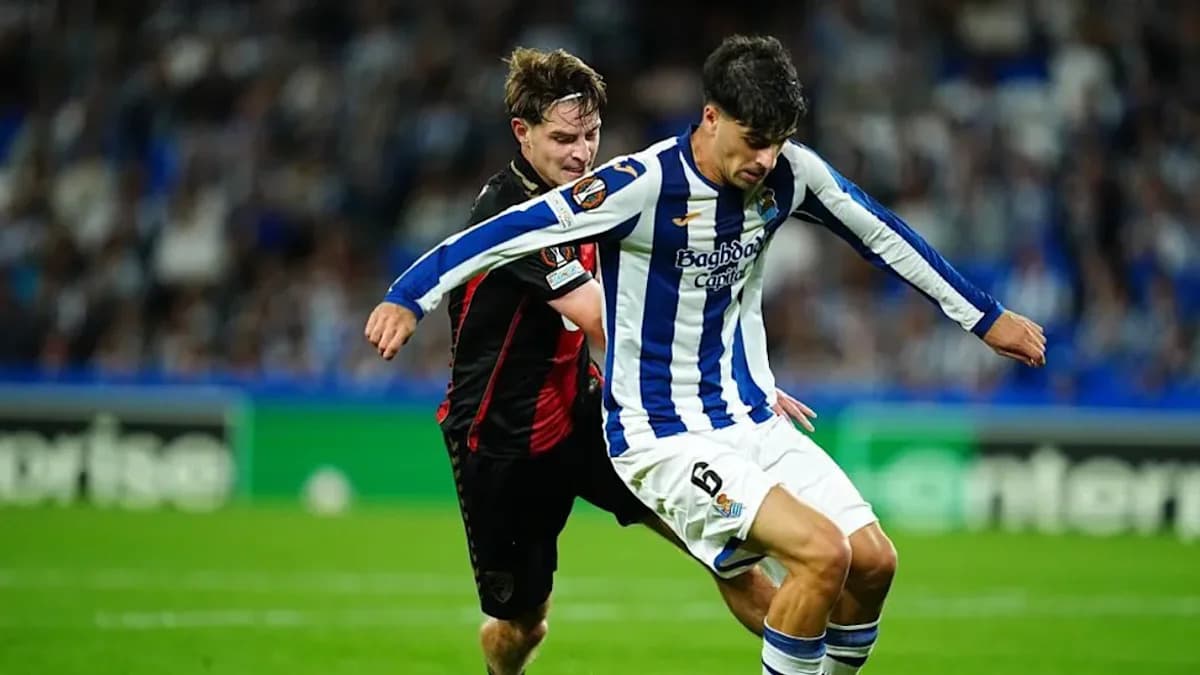
Bournemouth Secures Historic 2-1 Win Over Real Sociedad in Spain
Portugal Announces Squad for 2026 UEFA Nations League; Cristiano Ronaldo Expected to Play
Raphinha Channels Ronaldo Nazario as Barcelona's Leading Striker After Position Change