
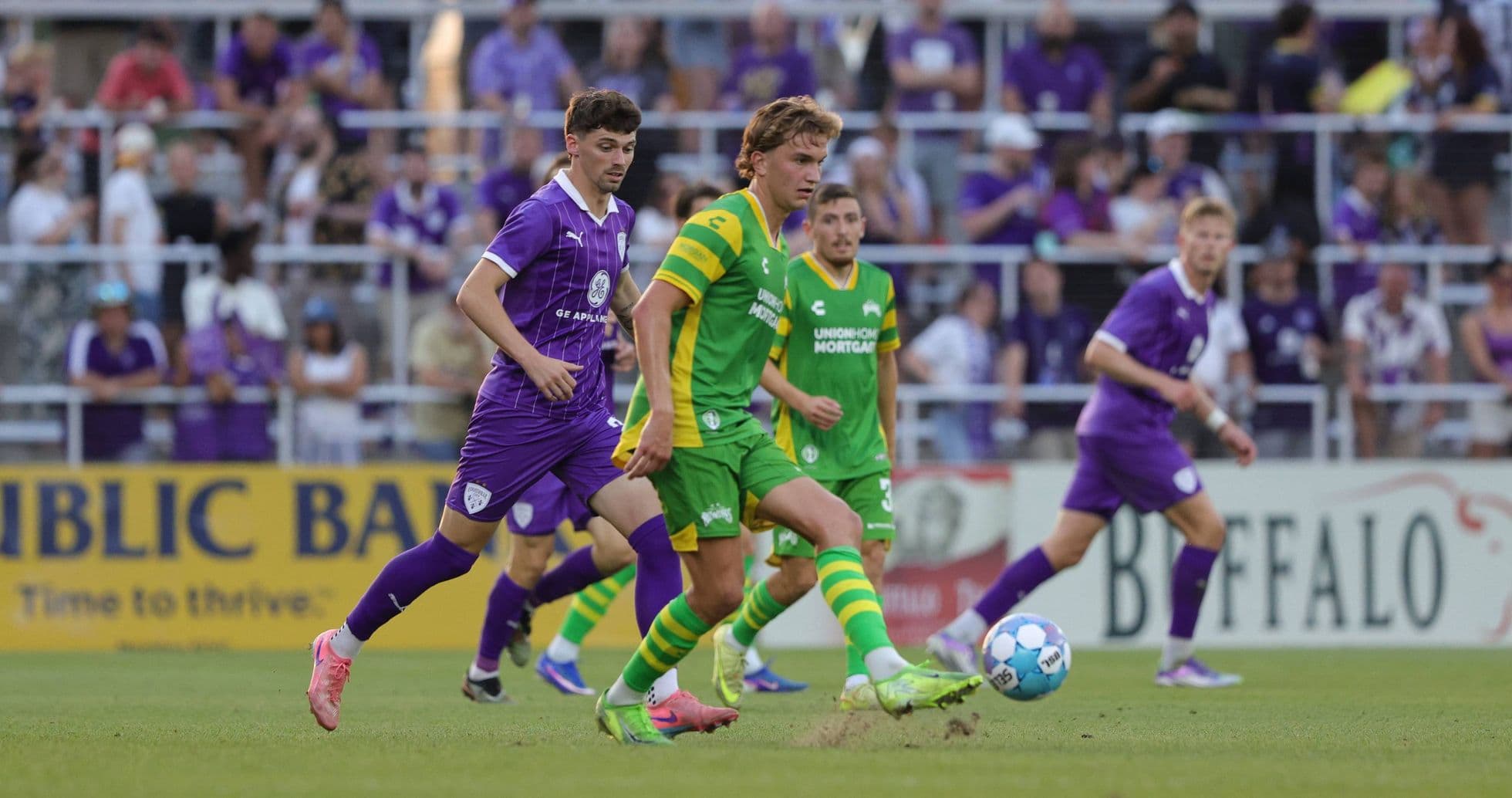
Tampa Bay Rowdies Secure 2-0 Victory Over Brooklyn in USL Championship
Under the Brooklyn lights at Maimonides Park, this USL Championship Group Stage fixture felt like a meeting of opposites. Brooklyn, 12th in USL 1 heading into this game, brought a fragile record and a restless home crowd. Tampa Bay Rowdies arrived as league leaders, top of the section with 31 points and a ruthless away profile. Over 90 minutes, the table told the truth: Tampa Bay’s 2–0 win, secured by half-time, was the expression of a side whose seasonal DNA is control, efficiency, and defensive certainty.
Brooklyn’s season has been a grind. Overall they had played 13 matches heading into this game, with just 2 wins, 3 draws and 8 defeats. The goal difference of -11 (13 scored, 24 conceded) underlines a side still searching for balance. At home, the numbers are marginally better but still thin: 7 played, 2 wins, 1 draw, 4 losses, with only 6 goals scored and 7 conceded. They are competitive in their own stadium, conceding an average of 1.0 goal at home and scoring 0.9, but lack the attacking punch to tilt tight games.
Tampa Bay, by contrast, travelled north as a fully formed unit. Overall, 14 games had yielded 9 wins, 4 draws and just 1 defeat, with a goal difference of +15 (23 for, 8 against). On their travels, they were unbeaten: 7 away matches, 5 wins, 2 draws, 0 losses, scoring 9 and conceding only 2. An away defensive average of 0.3 goals against and 1.3 goals for paints the picture of a side that suffocates opponents and strikes with measured regularity.
The lineups underlined the contrast in stability and identity. Tampa Bay’s XI, guided by Dominic Casciato, was built on a clear spine. In goal, J. Waite offered security behind a back line anchored by L. Archer and N. Dossantos, with C. Ostrem and D. Acoff providing width and defensive coverage. In midfield, S. Cruz and M. Schneider formed the structural base, allowing L. Perez and Mattheus to connect lines and carry the ball between zones. Ahead of them, R. Cicerone and M. Myers led the line, a pairing that could alternate between stretching the pitch and dropping into pockets.
On the bench, Casciato had flexibility: L. Hilton and M. Micaletto to manage tempo in midfield, E. Conway and K. Henderlong to refresh the front line, and Y. Leerman to lock things down defensively. It is the sort of bench that allows Tampa Bay to manage game states rather than react to them.
Brooklyn’s XI, by comparison, felt more like a work in progress. L. Burns started in goal, shielded by a defensive unit of T. Vancaeyezeele, C. Frogson, V. Latinovich and Gabriel Alves. In front of them, M. Pinto and T. McNamara suggested a double pivot tasked with both screening and initiating play. Higher up, S. Stojanovic, J. Servania and C. Olney JR were asked to bridge midfield and attack, feeding J. Obregon as the central reference point.
The bench, however, hinted at untapped potential. S. Hundal and A. Kante offered alternative profiles in attack, while J. Klein and P. Mangione provided creative and energetic options in midfield. P. Da Silva and R. Romeo added defensive depth, and J. Lee covered the goalkeeping position. Yet the broader seasonal story is that Brooklyn have struggled to turn these options into a consistent structure.
Tactically, this match-up was always going to hinge on two intersecting trends: Brooklyn’s difficulty in sustaining attacking pressure, and Tampa Bay’s mastery of game management away from home. Heading into this game, Brooklyn’s overall scoring average sat at 1.0 goals per match, with just 0.9 at home. They had failed to score in 5 of their 13 fixtures overall, including 3 times at Maimonides Park. Against that, Tampa Bay’s defensive record was almost austere: 8 goals conceded in total, 2 away, and 8 clean sheets overall, 5 of them on their travels.
The “Hunter vs Shield” dynamic clearly favoured the visitors. Brooklyn’s primary forwards and advanced midfielders – Obregon, Servania, Olney JR and Stojanovic – were facing a unit that had allowed just 2 goals in 7 away games. Tampa Bay’s back line, with Archer and Dossantos as the central pillars and Waite behind them, is built on compactness and disciplined spacing. Schneider and Cruz in midfield add a second defensive layer, able to step out and intercept before the final third is exposed.
In the “Engine Room”, the clash between McNamara and Pinto on one side and Cruz, Schneider and Perez on the other was decisive. Tampa Bay’s trio can both break up play and progress the ball, allowing Mattheus to operate as the connector between midfield and attack. Brooklyn’s midfield, by contrast, often has to choose between protecting a vulnerable defence – 24 goals conceded overall, 1.8 per game – and supporting a misfiring attack.
Disciplinary profiles added another subtle layer. Brooklyn’s yellow card distribution shows a tendency toward second-half tension: 21.43% of their yellows arrive between 46–60 minutes and another 21.43% between 91–105. Tampa Bay, meanwhile, accumulate a combined 43.59% of their yellows in the 31–45 and 76–90 windows, suggesting a team that aggressively manages transitions at the end of each half. In a tight contest, those windows are where control can be seized or lost; here, Tampa Bay’s experience in riding that edge without red cards (none recorded in the distribution) supports their game model.
Following this result, the 2–0 scoreline fits the statistical prognosis almost too neatly. Brooklyn’s home attack again failed to breach a top-tier defence, aligning with their modest 0.9 home goals average and their 3 home matches without scoring heading in. Tampa Bay added another away win and another clean sheet to a record that already boasted 5 shutouts on their travels and an away goals-against average of 0.3.
From a squad-analysis standpoint, the narrative is clear. Tampa Bay’s depth, structural clarity, and defensive solidity give them a high floor in almost any away fixture. Brooklyn, meanwhile, must find a way to better integrate the creative and attacking profiles on their bench into a coherent plan that raises their attacking ceiling without further exposing a defence already under strain. Until that balance is found, nights like this at Maimonides Park will continue to feel like rehearsals for a script written by the league leaders.
Related News
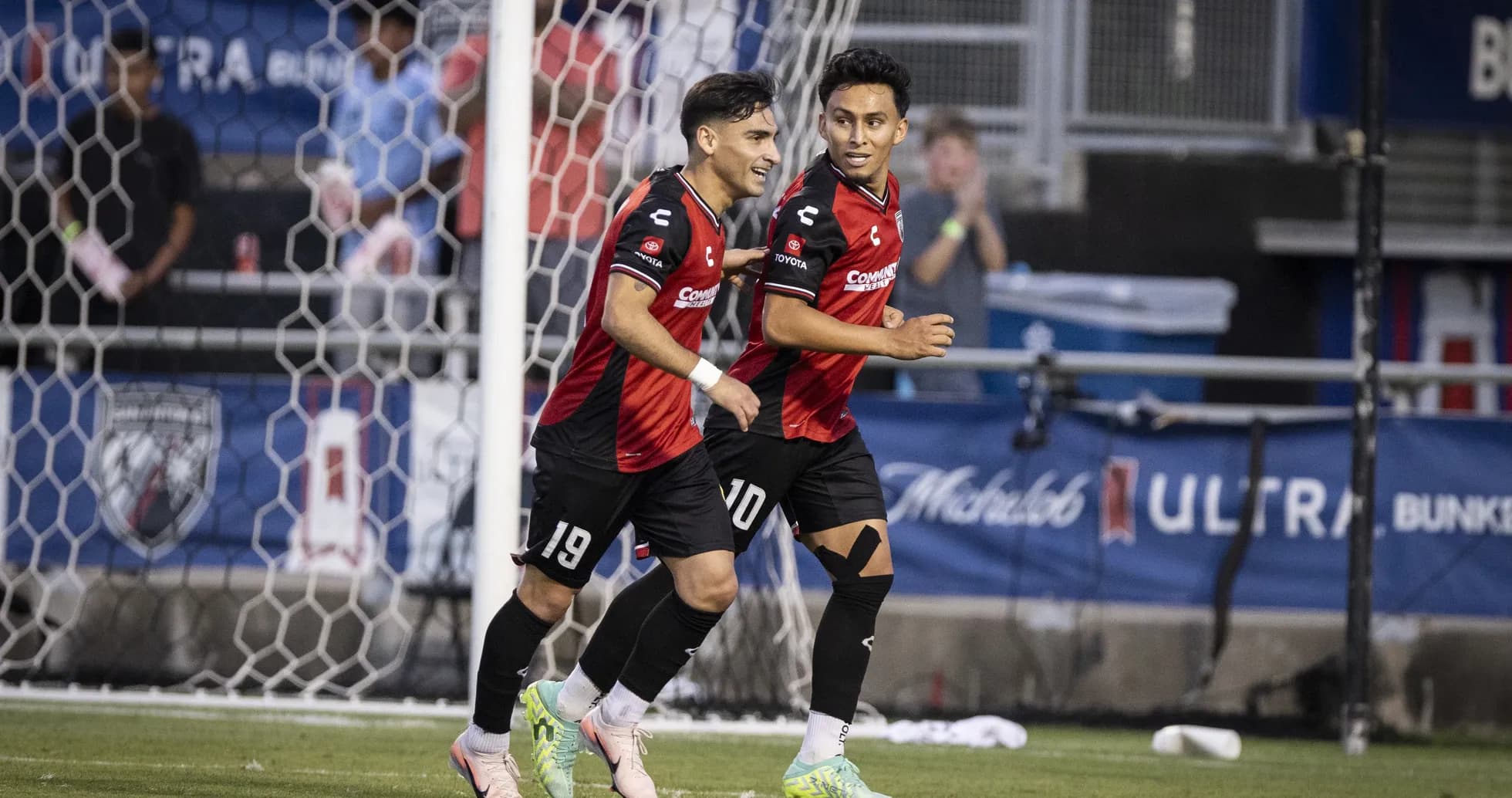
San Antonio Triumphs Over Colorado Springs in USL Championship Clash
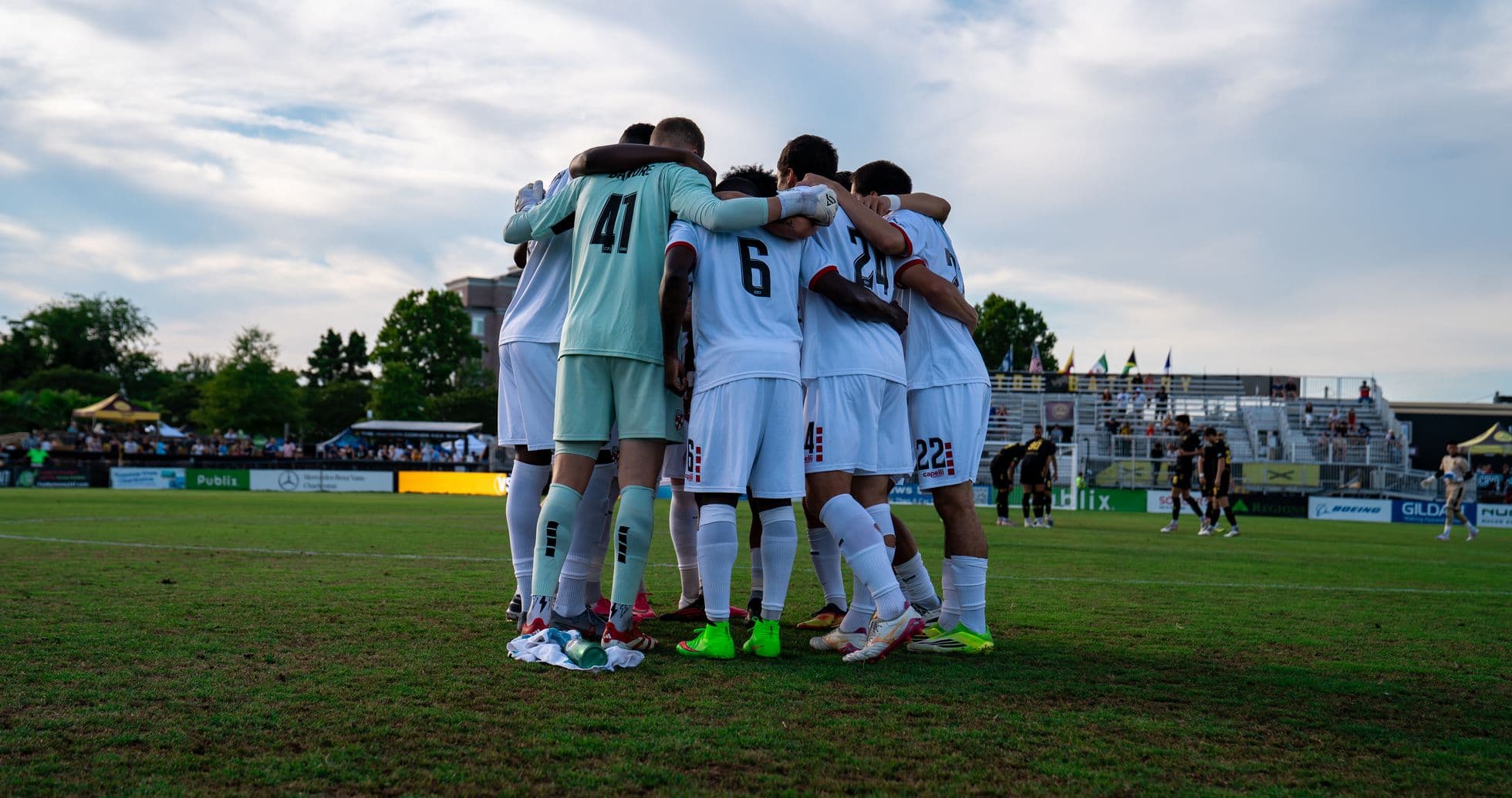
Charleston Battery's Dominance Over Loudoun United: A Tactical Analysis
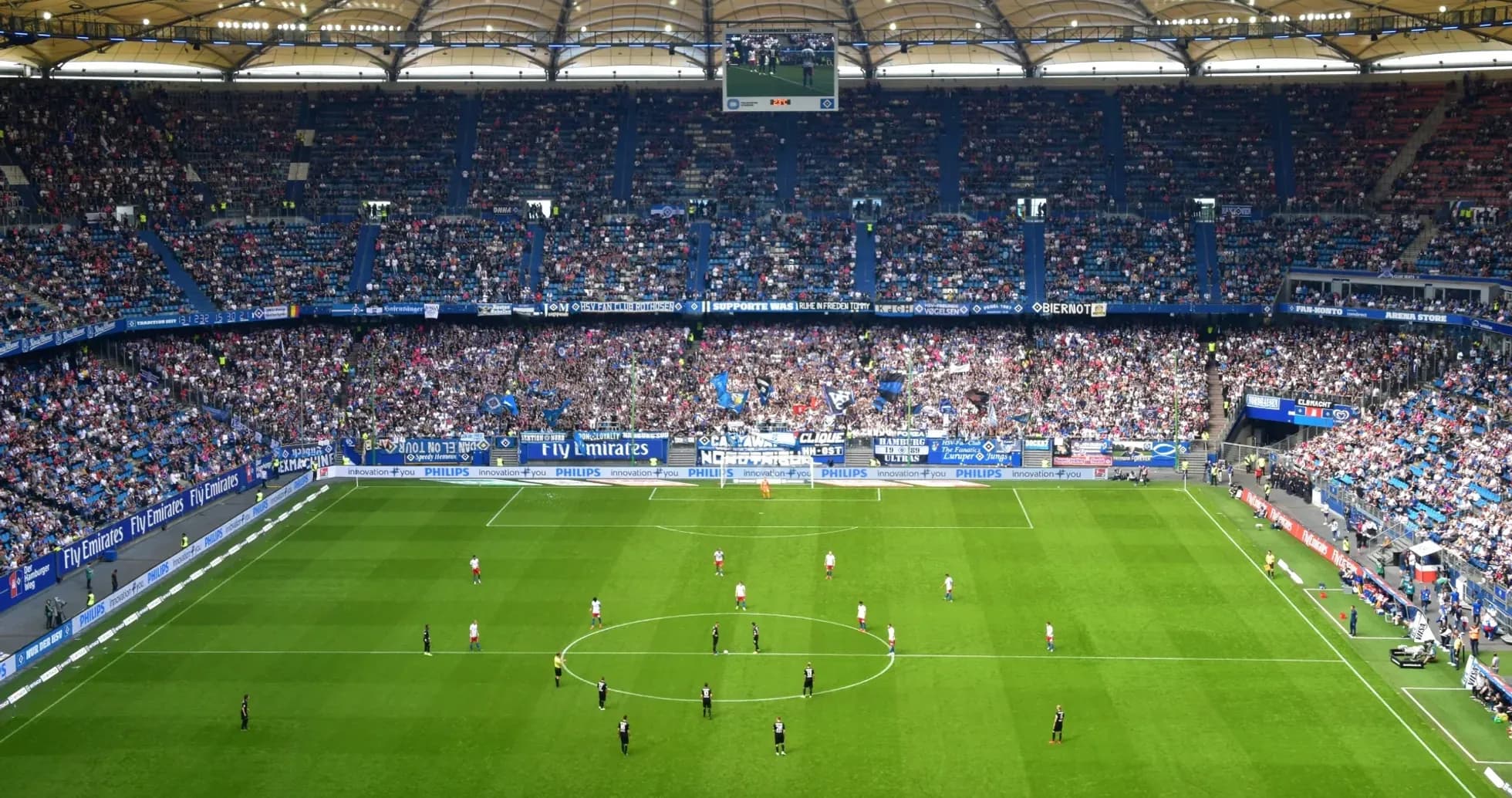
Orange County SC Triumphs 4-2 Over Miami FC in USL Showdown
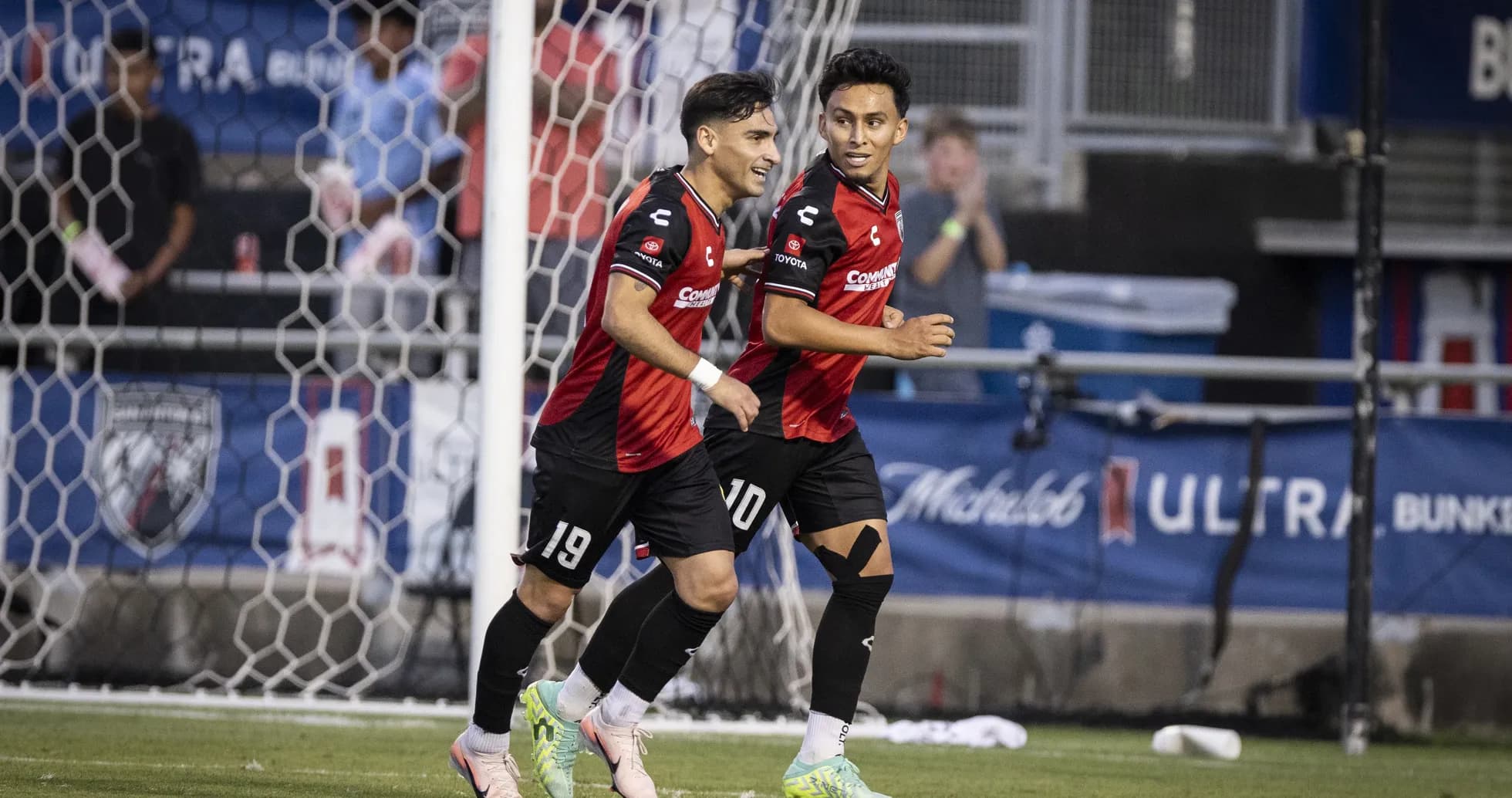
Colorado Springs vs San Antonio Match Preview
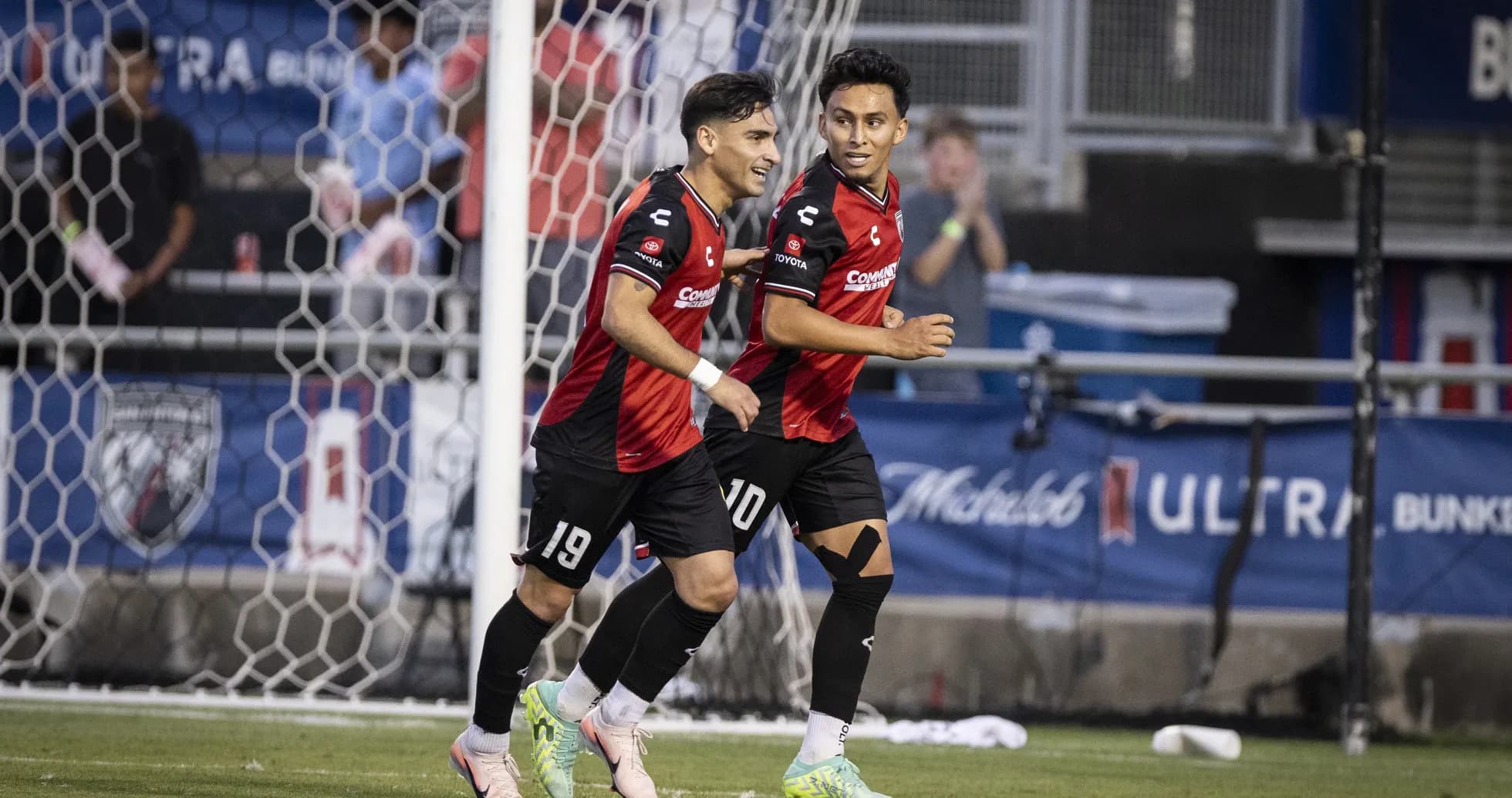
Colorado Springs vs San Antonio: USL Championship Clash Preview
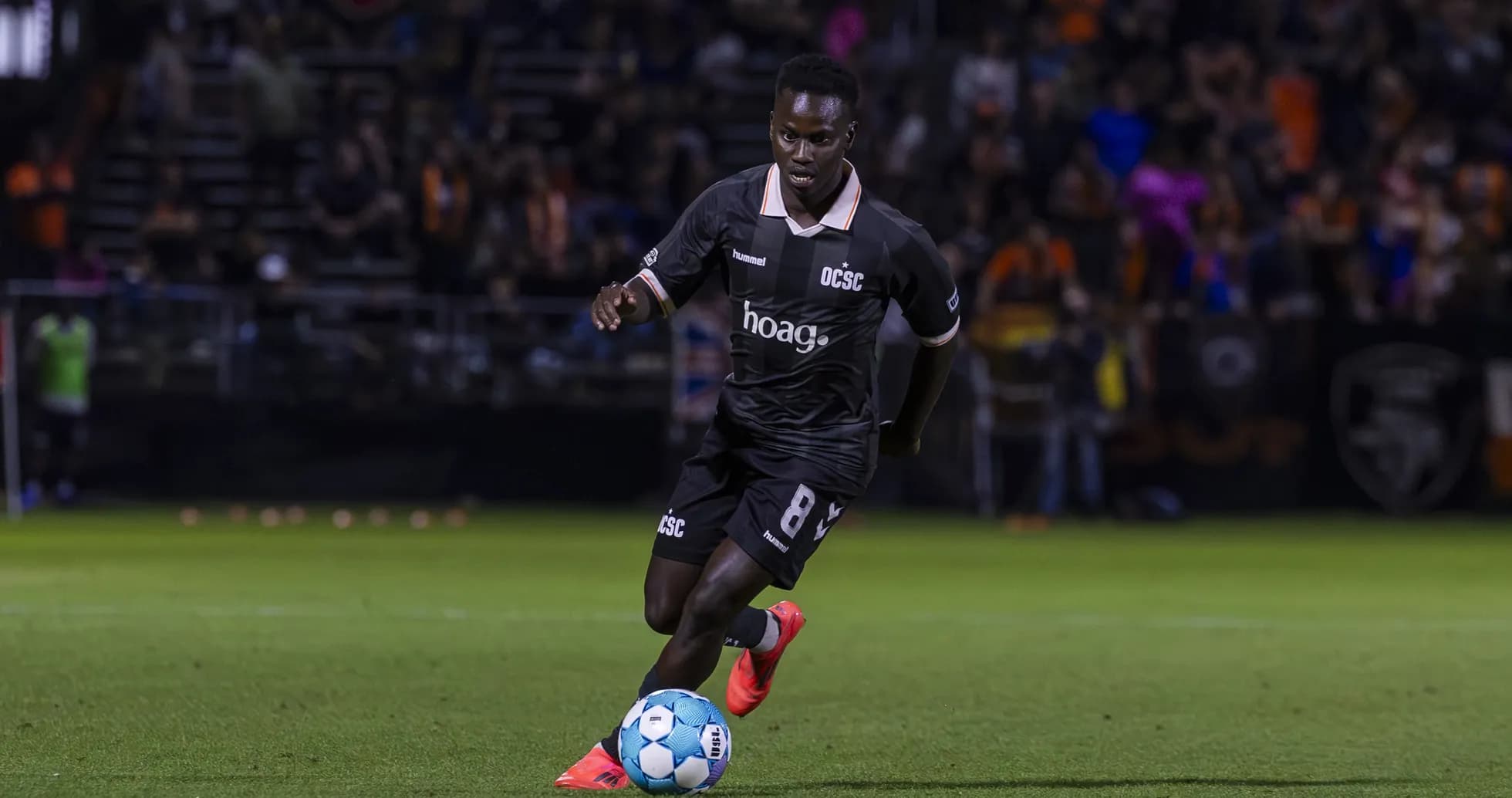
Miami FC vs Orange County SC Match Preview