
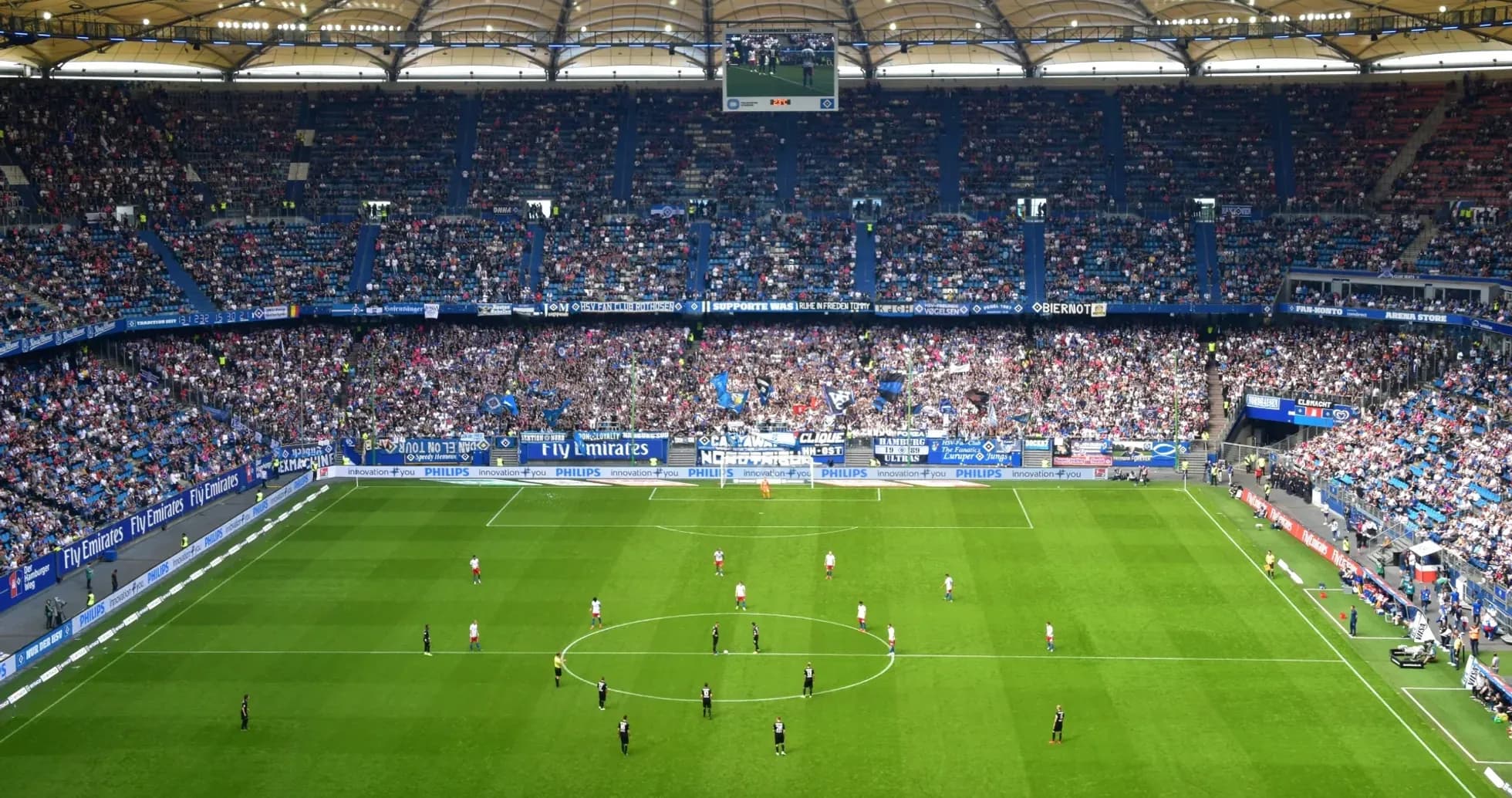
Orange County SC Triumphs 4-2 Over Miami FC in USL Showdown
On a humid night at Riccardo Silva Stadium, the league leaders arrived with the calm of a side that knows exactly who it is. Orange County SC, top of USL 1 with 26 points and a positive goal difference of 7 (22 goals for, 15 against), walked into Miami and left with a 4–2 win that felt like a confirmation of their seasonal identity. Miami FC, eighth with 17 points and a goal difference of -6 (17 for, 23 against), showed flashes of their attacking edge at home but ultimately succumbed to the structural differences between a promotion frontrunner and a playoff chaser still searching for balance.
Heading into this game, the numbers already hinted at the narrative. Miami at home were volatile: 11 goals scored and 13 conceded across 6 home fixtures, averaging 1.8 goals for and 2.2 against. They could hurt you, but they could also unravel. Orange County, by contrast, were ruthless on their travels: 15 away goals from 8 matches at an average of 1.9, conceding 11 at 1.4 per away game. This was always likely to be a night where the visitors’ attacking clarity met the hosts’ defensive fragility.
Gaston Maddoni’s Miami XI read like a side built for verticality rather than control. With F. Rodriguez between the posts, the outfield core of A. Calfo, D. Knutson, B. Ndiaye and R. Tori offered a physically robust but not always positionally secure base. Ahead of them, A. Milesi and T. Musto formed the spine, with G. Diaz and M. Tunbridge likely tasked with providing width and ball progression. The attacking fulcrum came through J. Sonora and R. Da Costa, a pairing that promised combination play and late box arrivals more than pure penalty-box predation.
On the bench, Maddoni had options to change the tone rather than the structure: M. Romero and A. Rocha as potential midfield recalibrators, Tulu and B. Bent as defensive shifters, and the likes of A. Rogers, M. Ndongo, D. Mello, G. Gonsalves and T. Celdran to chase the game if required. But given Miami’s season-long tendency to concede in clusters and their card profile — a heavy yellow concentration between 31-45 minutes (19.51%) and then twin late surges at 61-75 and 76-90 (both 24.39%) — the key question was always whether this group could manage the game’s emotional temperature.
Danny Stone’s Orange County selection carried the assurance of a side that has been winning in different ways. A. Rando in goal anchored a back line built around the experienced presence of T. Brewitt, flanked by T. Espy, G. Tubbs and N. Benalcazar. In front of them, the double axis of E. Solis and S. Kelly hinted at a blend of screen and circulation, while L. MacKinnon, M. Palomino and J. Johnson offered a creative and transitional band behind Y. Bazini.
The bench underlined Orange County’s depth: C. Hegardt as a tempo-shifting 10, E. Zubak as a direct central outlet, O. Sylla for midfield dynamism, plus T. Kadono, A. Marinch, O. Kurnik, N. Ciotta and F. O’Brien to tweak almost any line. For a team that had failed to score only twice in 14 league fixtures and kept 5 clean sheets in total, this was a squad designed to bend the game to its will rather than simply react.
Tactically, the “Hunter vs Shield” dynamic tilted heavily towards the visitors. Orange County’s attack, especially on their travels, has been prolific: 15 away goals, their biggest away win a 2-4 scoreline, and a general pattern of being comfortable in open, transitional matches. Miami’s “shield” at home, by contrast, was porous — 13 goals conceded in 6 home fixtures, with their heaviest home defeat a 0-3. The 4-2 final scoreline fit seamlessly into that statistical arc: Miami can trade blows, but over 90 minutes their defensive structure rarely holds.
In midfield, the “Engine Room” battle was always going to be decisive. Miami’s pairing of Milesi and Musto needed to control second balls and protect the spaces in front of Calfo and Knutson. Yet Orange County’s season-long form — 7 wins, 5 draws, only 2 defeats overall — suggests they are adept at turning those central duels into platforms for their wide and half-space operators. Palomino and MacKinnon, supported by Kelly and Solis, likely found and exploited those pockets, pulling Miami’s block apart and forcing their back line into constant lateral shifts.
Disciplinary trends also shaped the rhythm. Miami’s high volume of late yellow cards, particularly the 24.39% share in both the 61-75 and 76-90 windows, points to a side that often chases games with increasing desperation. Orange County, for their part, are most combustible late as well, with 39.13% of their yellows coming between 76-90 and a single red card this season arriving in that same window. A 4-2 match in which control swings and emotional spikes define the closing stages feels entirely consistent with those profiles, even if specific card details from this fixture are not available.
From an analytical standpoint, any xG model would likely have forecast an Orange County edge before kickoff. Their overall attacking average of 1.6 goals per match, combined with Miami’s total concession rate of 1.6 per game and particularly soft home record, pointed towards the visitors generating higher-quality chances over time. Miami’s own total scoring rate of 1.2 per match — boosted at home but dragged down by a meagre 0.8 away average — suggested they would need to overperform their usual efficiency to keep pace.
Following this result, the trajectories of these squads diverge further. For Orange County, this is the template win of a promotion contender: absorb an emotionally charged away environment, lean on a well-drilled core (Rando, Brewitt, Kelly, Palomino, Bazini), and trust that their attacking patterns and structural solidity will eventually overwhelm. For Miami, the story is more complex. Their home attacking numbers remain encouraging, and players like Sonora, Da Costa, Tunbridge and Diaz give Maddoni tools to hurt any opponent. But with a negative goal difference of -6 and a defensive record that continues to betray them at key moments, the next tactical chapter must focus less on adding more firepower and more on teaching this squad how to suffer without collapsing.
The 4-2 scoreline in Miami was not just a one-off spectacle; it was a distilled version of who these teams have been all season. One side sharpening its promotion credentials, the other still trying to reconcile its ambition with its defensive reality.
Related News
San Antonio Triumphs Over Colorado Springs in USL Championship Clash
Charleston Battery's Dominance Over Loudoun United: A Tactical Analysis
Orange County SC Triumphs 4-2 Over Miami FC in USL Showdown
Colorado Springs vs San Antonio Match Preview
Colorado Springs vs San Antonio: USL Championship Clash Preview
Miami FC vs Orange County SC Match Preview