
San Antonio Triumphs Over Colorado Springs in USL Championship Clash
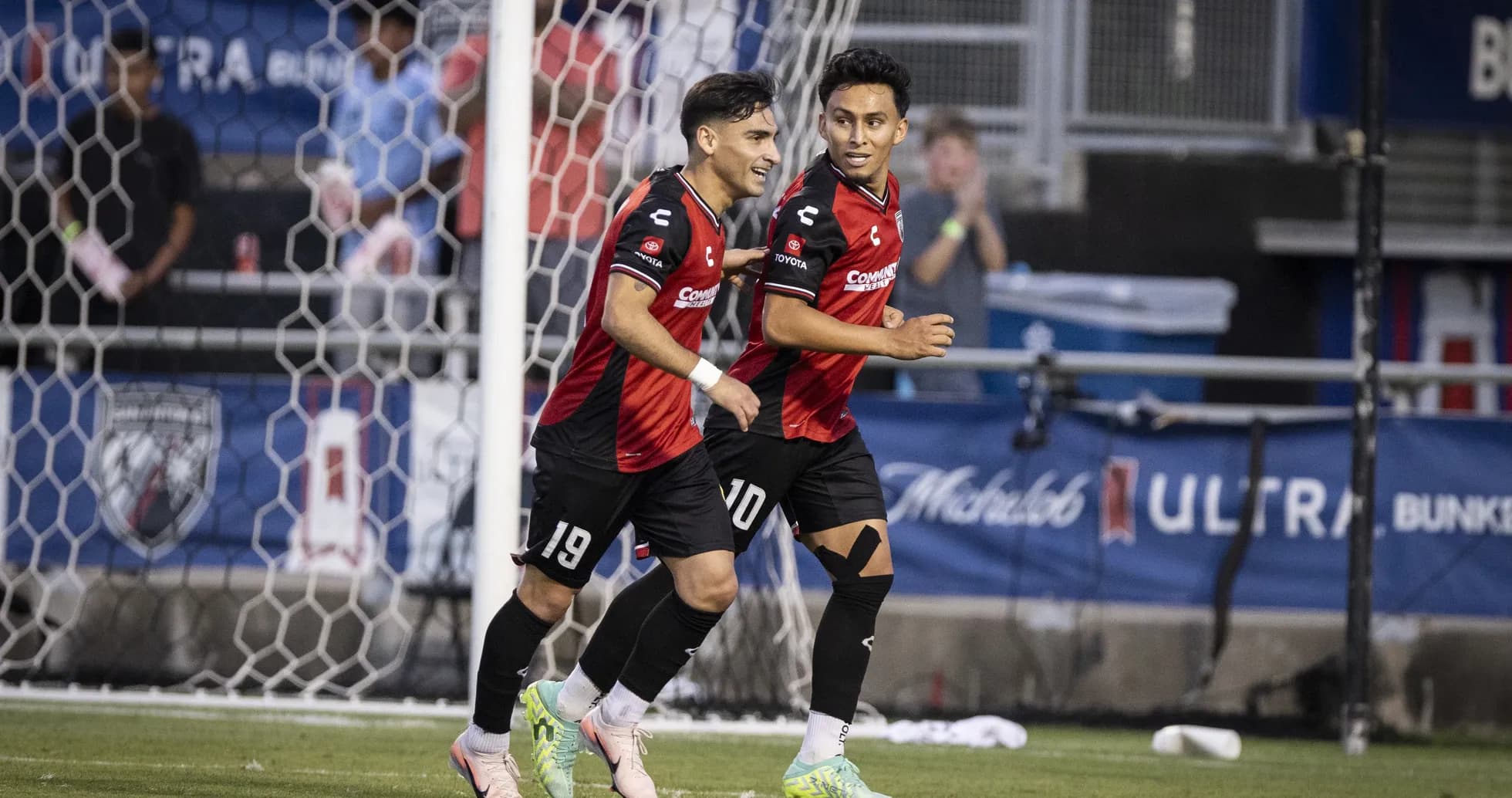
Under the lights at Weidner Field, this USL Championship Group Stage clash finished with San Antonio walking away 2–1 winners over Colorado Springs. Following this result, the table snapshots underline the different realities these two sides are living in. Colorado Springs sit 9th in their group on 16 points, their goal difference locked at 0 overall with 21 goals scored and 21 conceded in 13 matches. San Antonio, by contrast, are operating nearer the summit: 2nd place, 24 points, and a goal difference of 3 from 20 scored and 17 against across 14 games, with the cushion of a promotion play-off description already attached to their name.
The DNA of both seasons was visible in the scoreline. Colorado Springs once again found the net at home—where they now have 11 goals from 6 fixtures, an average of 1.8 per match at Weidner Field—but their familiar fragility resurfaced. At home they concede 1.5 goals per game (9 in 6), and a 2–1 defeat fits that pattern almost too neatly. San Antonio’s campaign has been defined by balance and resilience. Overall they score 1.4 goals per game and concede 1.2, and on their travels they average 1.3 for and 1.5 against. Winning a tight contest by a single goal sits squarely within that profile: narrow margins, managed risk, and just enough cutting edge.
Tactical Voids and Disciplinary Undercurrents
With no official absences listed, both coaches were able to lean heavily into their preferred core groups, even if the formations are not explicitly recorded. Alan McCann’s Colorado Springs XI was built around a spine of C. Shutler in goal, a defensive axis featuring P. Burner, T. Maples and M. Mahoney, and a creative band with A. Perez, J. Tejada and Y. Hanya supporting the spearhead of K. Bennett. It is a lineup that screams front-foot intent but also depends on collective defending rather than a single dominant stopper.
Carlos Llamosa’s San Antonio side, led by goalkeeper J. Batrouni, was more clearly constructed as an away-day unit that could morph between compactness and counterpunching. A back line anchored by A. Crognale, D. Barbir and M. Taintor, with A. Ward providing width, was protected by industrious midfielders like E. Cuello and L. Berron. Higher up, the creative burden fell on J. Hernandez, with C. Sorto and D. Erofeev providing vertical threat.
Disciplinary patterns from the season framed the emotional texture of this match. Colorado Springs have a scattered yellow-card profile, but there is a noticeable spike between 46–60 minutes, where 21.74% of their cautions arrive, and another late flurry between 76–90 minutes at 17.39%. That suggests a team that often emerges from the break with aggression that can spill into rashness, and then tires or chases games late. San Antonio, by contrast, live in the chaos of the middle third of the match: 20.93% of their yellows come in each of the 46–60 and 61–75 minute windows, with another 18.60% from 76–90. This is a side that ramps up intensity after half-time and is willing to flirt with the disciplinary line to protect or chase results.
Key Matchups: Hunter vs Shield, Engine Room Battles
The “Hunter vs Shield” dynamic in this fixture was less about a single star striker and more about unit-versus-unit conflict. Colorado Springs’ home attack—11 goals in 6, at 1.8 per game—ran into a San Antonio defence that, overall, concedes just 1.2 per match and has already banked 5 clean sheets, 3 of them at home and 2 away. On their travels, San Antonio are not watertight (12 conceded in 8, 1.5 per game), but they specialise in bending without breaking. The 2–1 scoreline reflects that: Colorado Springs created enough to score once, but San Antonio’s back line, marshalled by Crognale and Taintor, did just enough to prevent the avalanche that Weidner Field can sometimes unleash.
In the “Engine Room” duel, the contrast in midfields was stark. For Colorado Springs, players like S. Williams and A. Perez were tasked with stitching together transitions and feeding the wide dynamism of Y. Hanya and the movement of K. Bennett. This is a team that, overall, averages 1.6 goals for and 1.6 against per match, living on the edge of open, end-to-end football. Their midfield’s job is to keep the chaos tilted in their favour.
San Antonio’s central operators—Cuello, Berron and the creative hub of J. Hernandez—came with a different brief. They are the stabilisers of a side that, despite conceding 12 goals away, still maintains a positive overall goal difference. Their away attack is measured: 10 goals in 8 games, 1.3 per match, often relying on well-timed surges rather than constant pressure. In this match, that meant absorbing Colorado Springs’ early thrusts, then using Hernandez’s passing lanes and Berron’s ball-carrying to pick the right moments to hurt the hosts.
Set pieces and penalties formed another subtle layer. Colorado Springs have earned 6 penalties this season, converting 5 (83.33%) but missing 1 (16.67%). That single miss hangs over them as a reminder that fine margins can swing their way or against them. San Antonio, interestingly, have not taken a single penalty this campaign—0 in total, with 0 scored and 0 missed—so their threat profile is built more on open play and dead-ball deliveries than spot-kick reliability.
Statistical Prognosis and Tactical Verdict
Following this result, the numbers suggest that San Antonio’s blend of control and pragmatism remains the more sustainable model. Their overall record—6 wins, 6 draws, 2 losses—paired with a goal difference of 3, points to a side that typically wins the xG battles by small but repeatable margins. Away from home, their 2 wins, 4 draws and only 2 defeats show a team that is extremely difficult to put away; even when they concede (1.5 per away game), they rarely collapse.
Colorado Springs, by contrast, are still walking a tightrope. With 4 wins, 4 draws and 5 defeats overall, and a perfectly balanced tally of 21 scored and 21 conceded, their xG profile is likely to mirror that equilibrium: plenty of chances created, plenty allowed. At home, 2 wins, 2 draws and 2 losses underscore the inconsistency. They have yet to record a single clean sheet at Weidner Field this season, while failing to score only once there. That combination almost guarantees drama, but not always points.
Tactically, this match underlined a simple truth: Colorado Springs’ attacking verve—embodied by the movement of Hanya, the link play of Perez and the presence of Bennett—can trouble any defence in the league, but without a more secure structure in front of Shutler, they will continue to leak decisive chances. San Antonio’s travelling block, led by Crognale, Barbir and Taintor, is not flawless, yet it is organised enough to survive hostile environments and allow the likes of Hernandez and Sorto to decide games in moments.
If we project forward, San Antonio’s defensive solidity and capacity to manage game states should keep them firmly in the promotion conversation. Their habit of turning tight xG edges into results, especially away, is the hallmark of a play-off-ready side. Colorado Springs, meanwhile, must decide whether to double down on their high-variance, 1.6-for/1.6-against identity or to sacrifice some attacking freedom for a more robust defensive platform. Until that balance shifts, nights like this—thrilling, close, but ultimately empty-handed—may remain their defining story.
Related News
San Antonio Triumphs Over Colorado Springs in USL Championship Clash
Charleston Battery's Dominance Over Loudoun United: A Tactical Analysis

Orange County SC Triumphs 4-2 Over Miami FC in USL Showdown
Colorado Springs vs San Antonio Match Preview
Colorado Springs vs San Antonio: USL Championship Clash Preview
Miami FC vs Orange County SC Match Preview