

Sporting JAX vs San Antonio: A Dramatic 4–4 Draw
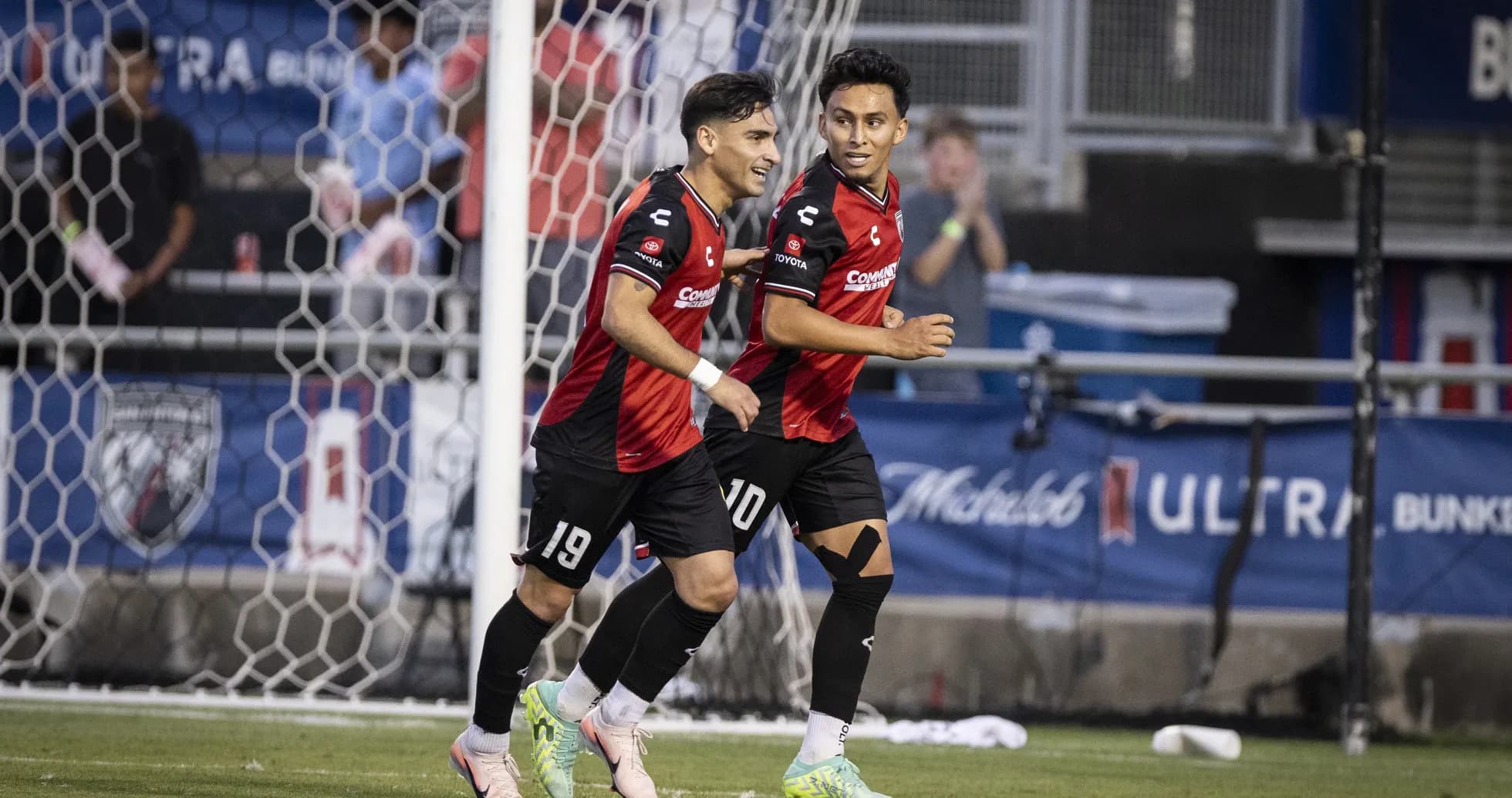
Under the lights at Hodges Stadium, a match that should have underlined the gulf between top and bottom in USL Championship Group USL 1 instead became a wild character study in fragility and resilience. Sporting JAX, rooted in 13th with 2 points from 10 games and a goal difference of -14, raced into a 3–0 half-time lead yet somehow finished level at 4–4 against league leaders San Antonio, who arrived in Jacksonville sitting 1st on 21 points with a far more balanced goal difference of 4.
This was not a knockout 1/8-final but it carried that edge: a side fighting for relevance against a team already eyeing promotion play-offs. Heading into this game, the numbers painted a stark contrast. Sporting JAX had not won in 10 league fixtures, with 0 victories total, and were conceding an average of 3.0 goals at home while scoring 1.5. San Antonio, by contrast, were unbeaten at home and solid overall, scoring 1.5 goals per game in total and conceding just 1.2.
Yet for 45 minutes, the table felt like a lie.
I. The Big Picture – Two Identities Collide
Sporting JAX’s season-long DNA is clear: expansive enough to score, too porous to survive. Overall they had 10 goals for and 24 against in 10 matches, a ratio that almost guaranteed chaos once San Antonio’s more controlled approach was dragged into an open game.
Coach Carlos Llamosa’s San Antonio arrived with a record of 5 wins, 6 draws and only 1 defeat in 12 matches. On their travels they had been awkward rather than ruthless: 1 away win, 4 away draws, 1 away loss, with 8 goals scored and 9 conceded. That 1.3 away goals-for average and 1.5 away goals-against hinted at a team that can be dragged into uncomfortable territory if forced to chase.
At Hodges Stadium, that is exactly what Sporting JAX did in the first half.
C. Olivares, wearing 31, anchored a back line that has been under siege all season, but the real tone-setters were further ahead. The attacking quartet of K. Sadlier (10), R. Pedder (19), E. Jaaskelainen (16) and A. Al Qaq (11) finally found the vertical rhythm the campaign had lacked. With H. Neville (2) and E. Rito (12) providing width from deeper zones, Sporting JAX exploited San Antonio’s initial passivity, striking three times before the interval and going in 3–0 up at half-time.
San Antonio, with R. Sanchez in goal and a defensive unit of R. Buckmaster (23), A. Crognale (21), D. Barbir (17) and M. Taintor (3), looked nothing like a side that had kept 5 clean sheets overall this season. Their usual stability – just 5 goals conceded at home and 9 away heading into this game – disintegrated under the directness and energy of Sporting JAX’s front line.
II. Tactical Voids and Hidden Fault Lines
Without an official formation listed for either side, the shapes had to be read through roles. For Sporting JAX, the presence of J. Rossiter (6) and T. Rose (3) alongside Sadlier suggested a double pivot plus an advanced playmaker, with Pedder and Al Qaq drifting in off the flanks to support Jaaskelainen.
The structural void for Sporting JAX all season has been defensive control. Heading into this match they had failed to keep a single clean sheet in 10 games, conceding 2.4 goals per match in total and 2.0 on their travels, but a staggering 3.0 at home. Even at 3–0 up, the underlying habits were still there: stretched distances between midfield and defence, and a back line that reacts rather than anticipates.
San Antonio’s midfield trio of N. Blanco (4), D. Erofeev (55) and M. Maldonado (15), with C. Calov (6) as the connective tissue, looked overrun early. But the bench options told a different story. With players like A. Souahy (5), L. Haakenson (7), E. Cuello (22) and S. Patino (9) in reserve, Llamosa had the tools to tilt the game physically and tactically once the chaos settled.
Disciplinary patterns also framed the late drama. Sporting JAX’s season-long yellow card distribution shows a late-game surge: 28.57% of their yellows arrive between 76–90 minutes, with a further 3.57% in 91–105. That tendency to lose composure in the closing stages foreshadowed the unraveling. They also split their red cards evenly between 16–30 and 76–90 minutes (50.00% each of their total reds), underlining how fragile they become when fatigue and pressure combine.
San Antonio, by contrast, spread their yellows more evenly, but with a noticeable spike between 61–75 minutes (22.22%) and 76–90 (19.44%). They get aggressive as they chase, but they do not tip into red.
III. Key Matchups – Hunter vs Shield, Engine Room vs Enforcer
Without explicit top-scorer data, the “Hunter vs Shield” battle becomes conceptual rather than individual. Sporting JAX’s attacking unit, which had only managed 6 goals at home heading into this game, suddenly punched at the level of an elite front line. They exploited San Antonio’s one real systemic weakness: away defensive vulnerability. On their travels, San Antonio concede 1.5 goals per game; Sporting JAX hit that mark twice over by the 45-minute mark.
The “Engine Room” duel was embodied by Rossiter and Sadlier against Blanco and Erofeev. For 45 minutes, Sporting JAX’s midfield was first to everything, recycling second balls and launching quick transitions into the channels for Pedder and Al Qaq. But as the match wore on, San Antonio’s deeper squad and superior conditioning surfaced. Blanco and Erofeev began to dictate tempo, while Calov and J. Hernandez (10) found pockets between Sporting JAX’s lines.
The bench vector was decisive. For Sporting JAX, options like W. Kuzain (8), J. Evans (7) and D. Armstrong (77) offered energy but not structural repair. For San Antonio, the introduction of fresh legs – for instance, when an attacking substitute such as S. Patino came on and [IN] replaced one of the tiring forwards – tilted the field. Each change added another runner into the half-spaces, forcing Sporting JAX’s already fragile back line into deeper retreat.
IV. Statistical Prognosis – A Draw that Feels Like a Blueprint
Following this result, the raw league numbers will shift slightly, but the underlying truths remain. Sporting JAX can score; their 10 goals in 10 matches heading into this fixture were not the mark of a toothless side. Their problem is that they concede too much, too often, especially at home. Letting a 3–0 half-time lead become a 4–4 full-time score is entirely in line with a team averaging 3.0 goals against at home and having failed to record a single clean sheet.
San Antonio’s comeback is equally consistent with their season profile. They are hard to beat – just 1 loss in 12 heading into this match – and they find ways to score late, supported by a deep bench and a capacity to raise intensity in the final half-hour, reflected in their higher yellow-card load between 61–90 minutes.
From an xG and defensive solidity perspective, the tactical verdict is clear. If this game were replayed in a vacuum, San Antonio’s more stable season-long metrics would still make them favourites: 18 goals for and 14 against overall, with 5 clean sheets and only 4 failures to score. But Sporting JAX have uncovered something vital: with Sadlier orchestrating, Pedder and Al Qaq attacking space, and Jaaskelainen as a focal point, they can force even the league leaders into a track meet.
For Sporting JAX, the path forward is about tightening the distances between Rose, Rossiter and the back line, and managing their emotional volatility in the final quarter-hour, where their card data screams danger. For San Antonio, the lesson is more subtle: respect the chaos. Their promotion push will depend on avoiding the kind of first half that turned Hodges Stadium into a cauldron.
In the end, 4–4 felt less like an accident and more like an xG fever dream made real: a fragile underdog finally leaning into its attacking potential, and a leader reminded that in this league, no advantage – nor deficit – is ever truly safe.
Related News
San Antonio Triumphs Over Colorado Springs in USL Championship Clash
Charleston Battery's Dominance Over Loudoun United: A Tactical Analysis
Orange County SC Triumphs 4-2 Over Miami FC in USL Showdown
Colorado Springs vs San Antonio Match Preview
Colorado Springs vs San Antonio: USL Championship Clash Preview
Miami FC vs Orange County SC Match Preview