
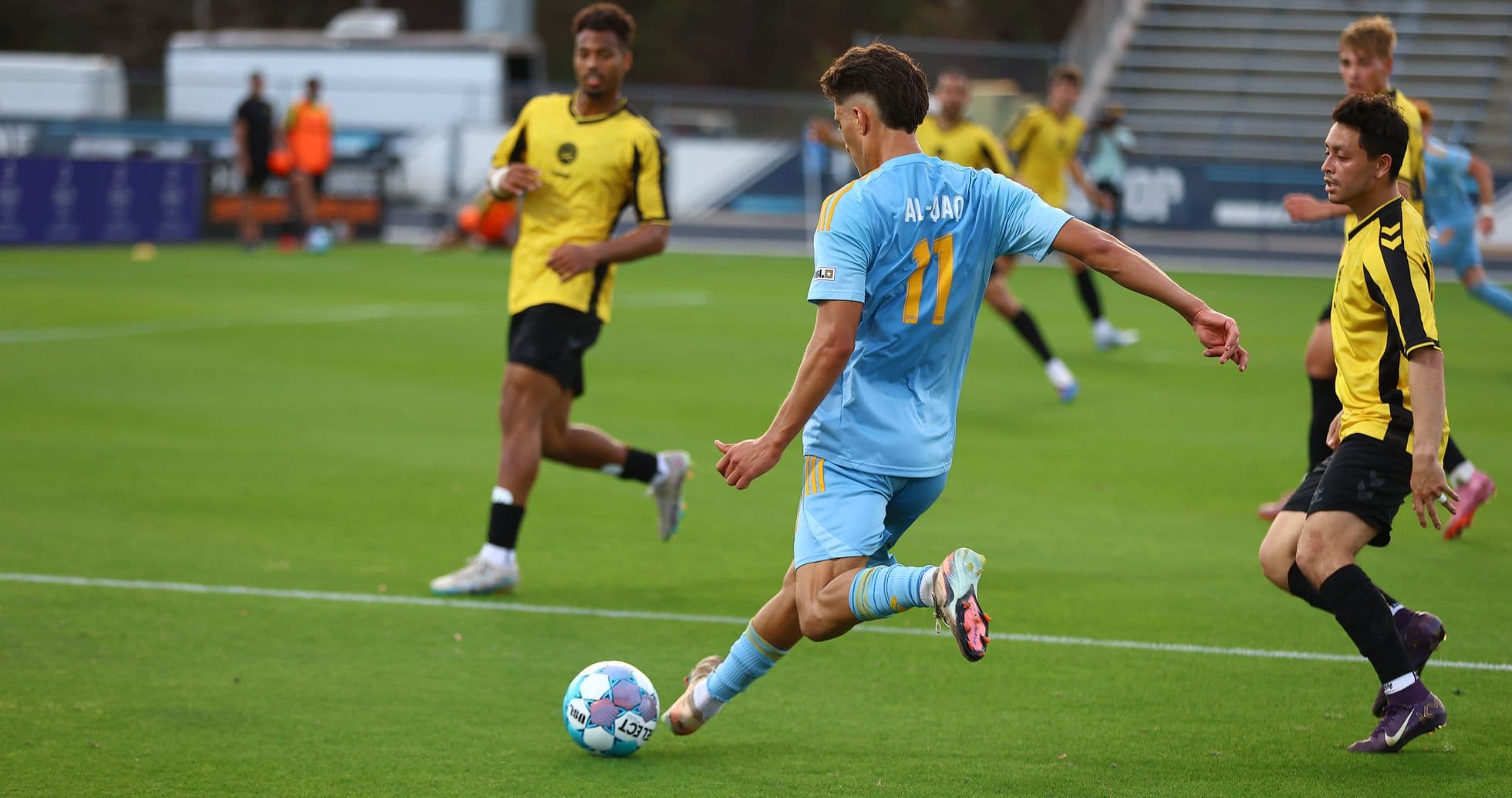
Sporting JAX vs Charleston Battery: A Tactical Breakdown of the 5–2 Clash
Hodges Stadium emptied under the Florida night with the scoreline glowing brutally honest: Sporting JAX 2–5 Charleston Battery. In a USL Championship group-stage clash that pitted the league’s strugglers against one of its promotion contenders, the 90 minutes told a story that largely mirrored the season-long trajectories of both clubs.
Heading into this game, Sporting JAX were 13th in USL 1 with 3 points from 14 matches, winless overall and carrying a goal difference of -22, built from 17 goals for and 39 against. At home, they had played 7, failed to win any, drawn 2 and lost 5, scoring 12 but conceding 25. Charleston, by contrast, arrived in Jacksonville sitting 2nd with 23 points from 13 matches, their overall goal difference a positive 8 from 26 scored and 18 conceded. Their dominance at home (5 wins and 1 draw in 6) had not fully translated on their travels, where they had 2 away wins, 1 draw and 4 defeats, with 9 goals for and 13 against. This fixture, then, was a collision between a side that leaks 3.6 goals at home on average and a contender still learning to be ruthless away.
I. The Big Picture – How the teams set the stage
Sporting JAX’s lineup felt like a search for stability. C. Olivares started in goal, shielded by a defensive unit featuring H. Neville, R. Edwards, A. Gomez and T. Rose. In midfield, J. Rossiter, R. Somersall and W. Kuzain formed the central core, while R. Pedder and K. Sadlier were tasked with linking to striker E. Jaaskelainen. It was a group built more for graft than glamour, reflective of a team that, heading into this game, averaged just 1.7 goals for at home but allowed 3.6.
Charleston Battery, under coach Ben Pirmann, brought a more assertive, attacking profile. L. Zamudio anchored the side in goal. In front of him, S. Suber, G. Smith, J. Akpunonu and N. Messer formed the defensive line. The midfield mix of E. Ycaza and K. Pakhomov supported an attacking band featuring M. Foster, M. Berry, J. Kelly and C. Swan. This was the spine of a team that, overall, scored 2.0 goals per match and conceded 1.4, with a particularly sharp edge at home but enough away firepower (1.3 goals on their travels) to punish a porous defence.
The scoreboard at half-time – Sporting JAX 1–3 Charleston Battery – underlined the gulf in execution. By full-time, Charleston had stretched that to 5–2, matching their biggest away win margin of 2–5 this season and ruthlessly exposing JAX’s defensive frailty.
II. Tactical Voids – Discipline, fragility and what was missing
There were no explicit absentees listed, so both coaches had near-full decks to play with. Yet the real void for Sporting JAX was structural rather than personnel-based. Across the season, they had not kept a single clean sheet, either at home or away, and heading into this game had conceded 39 goals in 14 matches – an overall average of 2.8 per match. At home, that ballooned to 3.6 conceded, a number that foreshadowed exactly the kind of chaos Charleston would eventually unleash.
Discipline has also been a quiet undertow in JAX’s campaign. Their yellow card distribution shows a pronounced late-game spike: 26.32% of their cautions arrive between 76–90 minutes, with another 21.05% in both the 46–60 and 61–75 ranges. Red cards are rare but decisive, with 66.67% of dismissals also coming in that 76–90 window. It paints a picture of a side that tires physically and mentally, losing control just as games open up.
Charleston’s card profile is more balanced but still intense late on: 22.22% of their yellows fall in 31–45, another 22.22% in 46–60, and 22.22% again in 76–90. They play on the front foot and accept risk, but crucially, they have avoided red cards entirely this season. That contrast in composure and control helped them manage the game once they established their early lead.
III. Key Matchups – Hunter vs Shield, and the battle for control
The defining duel of the night was conceptual rather than individual: Charleston’s attacking collective against Sporting JAX’s leaky home defence.
On their travels, Charleston’s 9 away goals heading into this match were respectable rather than spectacular, but they faced a JAX back line that had already conceded 25 times at home. The pattern held: Charleston hit five, slicing through a defence that had never found a settled shape. With G. Smith and J. Akpunonu anchoring the back for Battery and Zamudio behind them, Charleston could afford to keep their midfielders and forwards aggressive, knowing Sporting JAX’s threat was more sporadic than sustained.
For JAX, the “Engine Room” of Rossiter, Somersall and Kuzain was always going to be critical. Their task was twofold: shield a vulnerable back four and provide the first pass into Pedder, Sadlier and Jaaskelainen. But against a Charleston side whose overall defensive average stood at 1.4 goals against per match, and just 0.8 at home, JAX needed precision. They found two goals on the night, which aligns with their home average of 1.7, but the lack of control in midfield meant they were constantly chasing, never dictating.
Charleston’s own engine – with Ycaza and Pakhomov as the fulcrum and Foster, Berry, Kelly and Swan rotating ahead – repeatedly found pockets between JAX’s lines. Once the visitors went 3–1 up by half-time, the match became about their ability to manage transitions. They did so by keeping their front unit high, forcing JAX’s defenders into uncomfortable one-on-ones and exploiting the same structural weaknesses that have plagued JAX all season.
IV. Statistical Prognosis – What this 5–2 really says
Following this result, the numbers and the narrative converge. Sporting JAX’s season-long issues – no wins in 14, an overall goal difference of -22, zero clean sheets and high late-game card rates – were all echoed in a match where they conceded five at home and faded under sustained pressure.
Charleston, meanwhile, reinforced their promotion credentials. Their overall attacking profile of 2.0 goals per game translated into a five-goal haul away from home, while their away frailty (1.9 goals conceded on their travels heading into this game) was present but ultimately irrelevant in the face of such offensive output.
In xG terms, a contest like this would almost certainly show Charleston generating the higher-quality chances, driven by repeated entries into the final third and fast transitions against a stretched defence. Sporting JAX’s two goals suggest they can threaten in moments, especially at home where they average 1.7 goals for, but their inability to suppress chances at the other end means any marginal xG advantage by an opponent quickly becomes decisive.
The tactical lesson is stark: until Sporting JAX can lower their goals-against averages and tighten their late-game discipline, their attacking flashes will remain footnotes in heavy defeats. Charleston, by contrast, look like a side whose attacking ceiling is high enough to carry them deep into the promotion picture – especially if they can continue to turn away days like this 5–2 into a new norm rather than an exception.
Related News
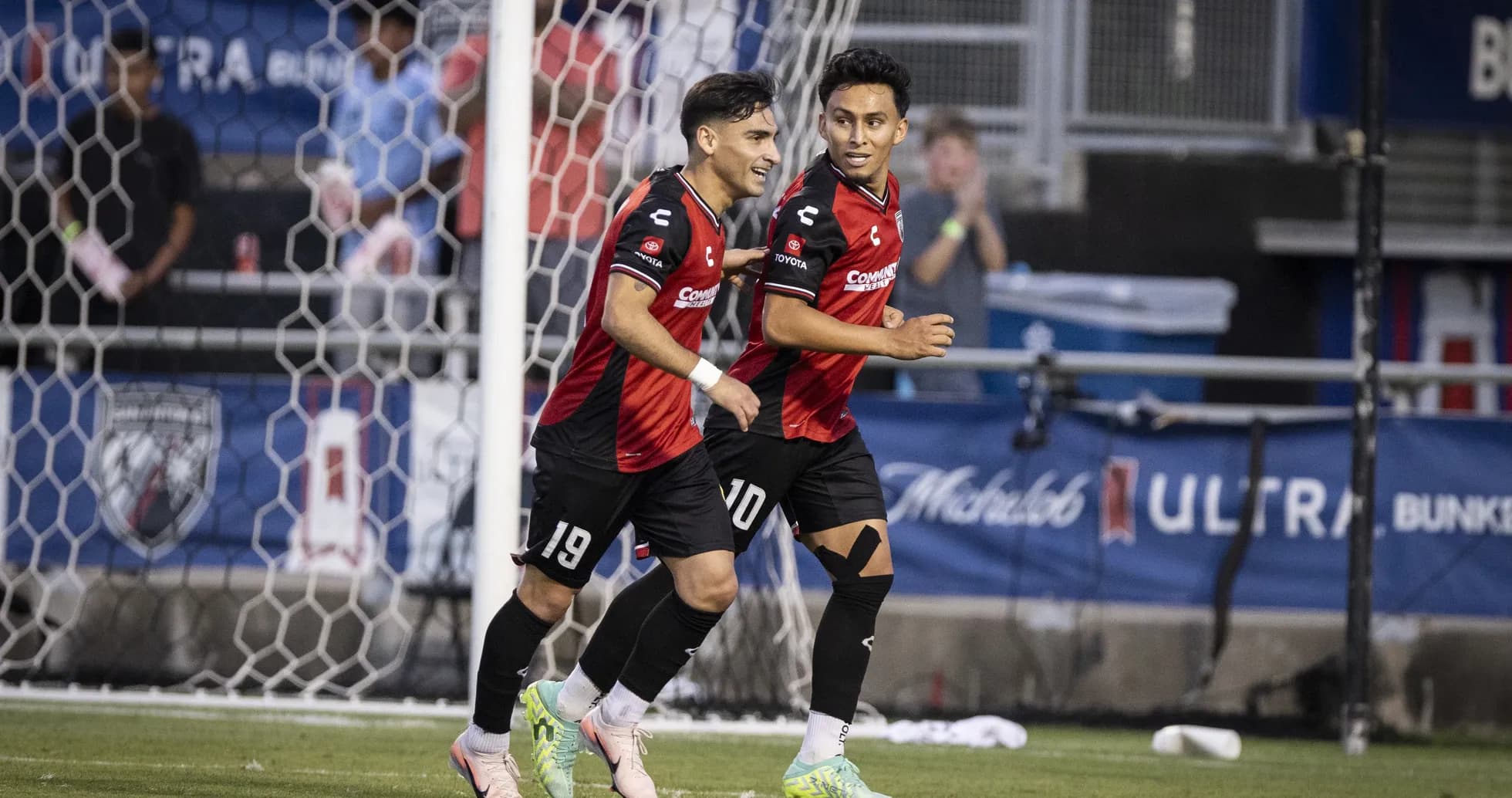
San Antonio Triumphs Over Colorado Springs in USL Championship Clash

Charleston Battery's Dominance Over Loudoun United: A Tactical Analysis

Orange County SC Triumphs 4-2 Over Miami FC in USL Showdown
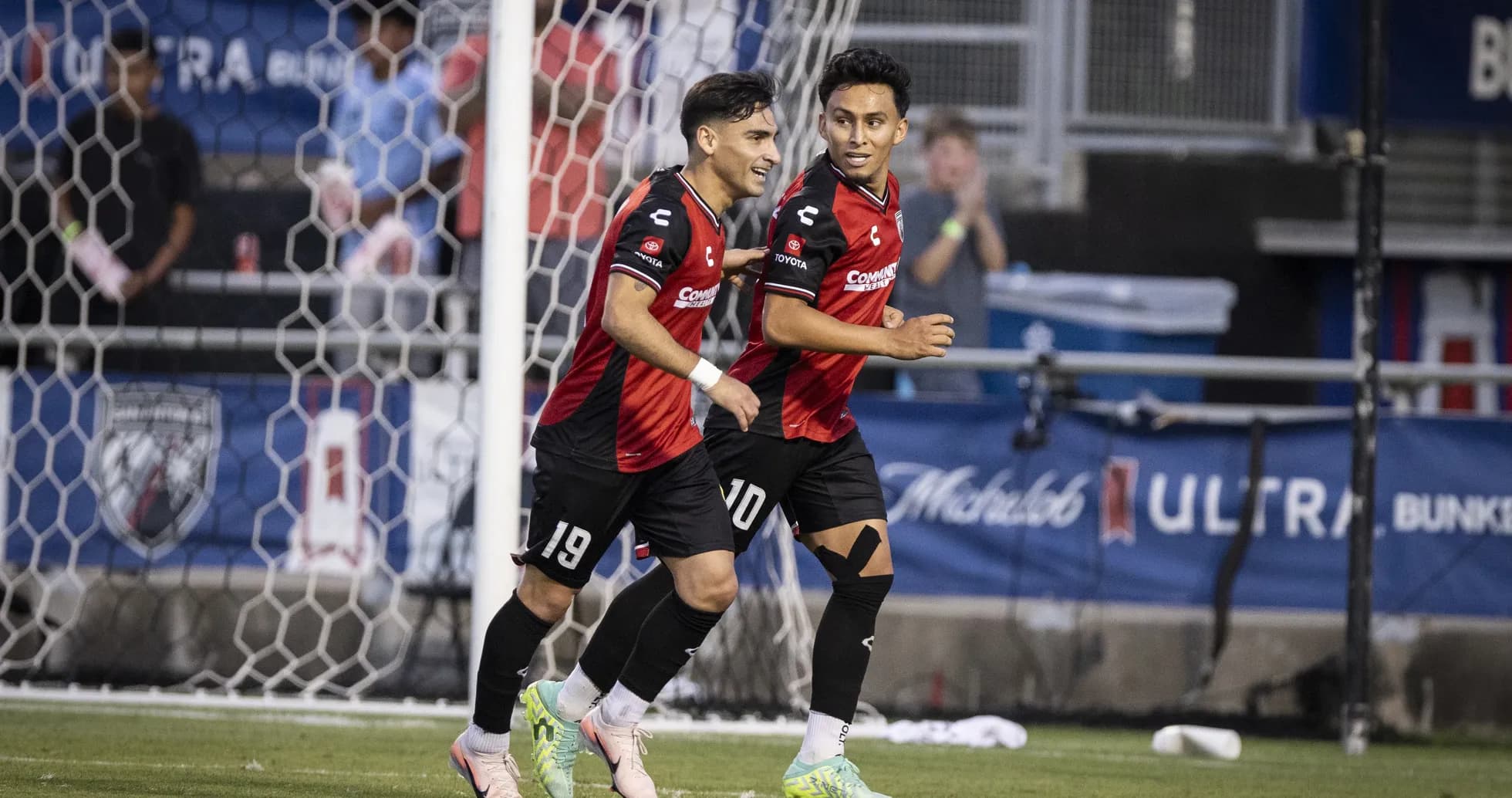
Colorado Springs vs San Antonio Match Preview
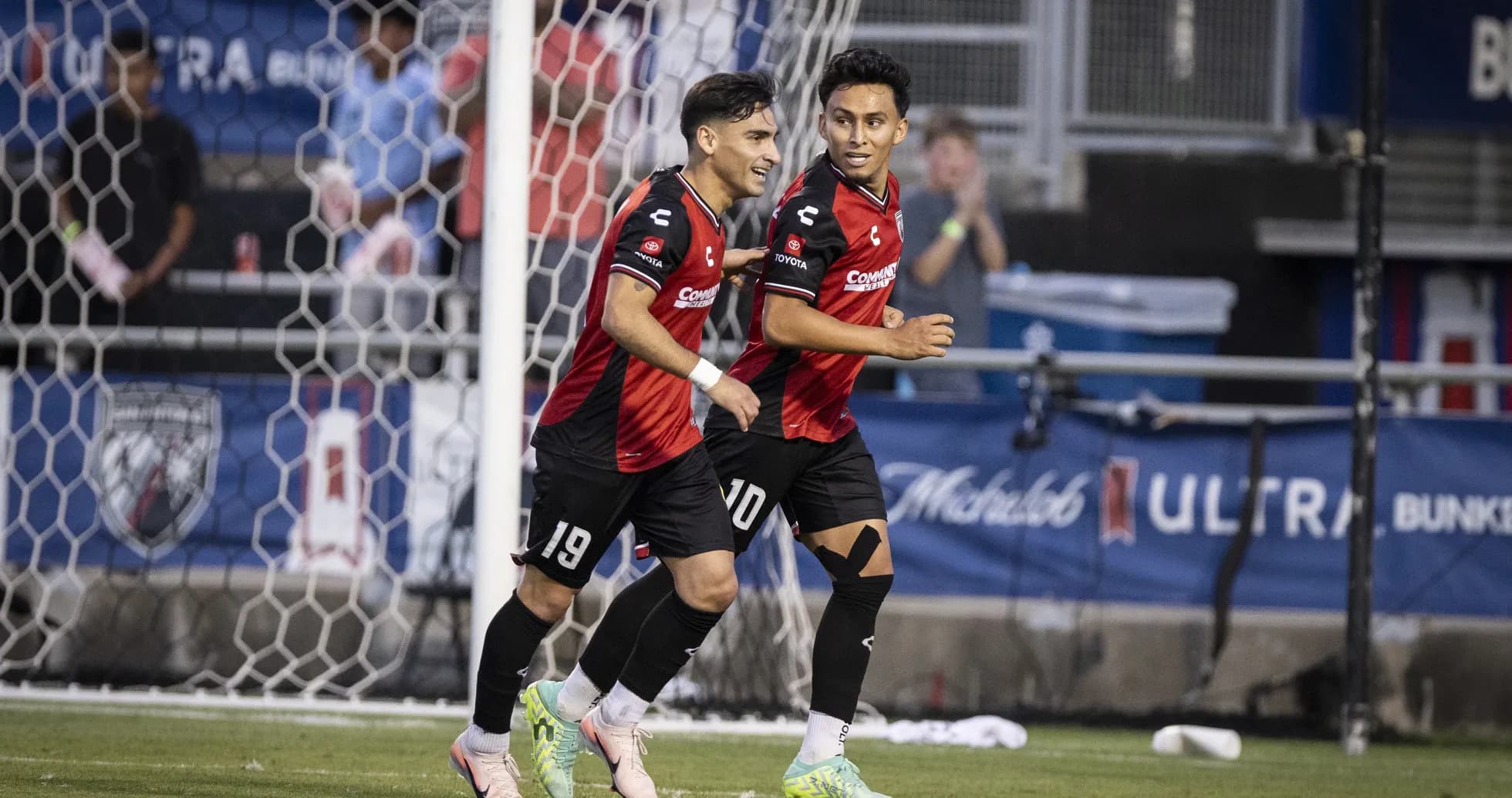
Colorado Springs vs San Antonio: USL Championship Clash Preview

Miami FC vs Orange County SC Match Preview